


Partnership proposal powerpoint presentation slides





Try Before you Buy Download Free Sample Product
 Impress Your
 Audience
 100%
100% Editable
 Save Hours
 of Time


Specialized in the development and consulting services, you can employ this Partnership Proposal PowerPoint Presentation Slides to present the outline of your business venture professionally. You can illustrate the global presence of your enterprise by utilizing this firm association contract PPT theme. Objectives like high-level security structures to protect the consumers, and user-focused tools and training, custom IT solutions, etc. can be highlighted with the aid of this business venture bid PowerPoint layout. Showcase the two ways of alliance namely a one-time contract and permanent representative in a specific location by incorporating our company amalgamation contract PowerPoint template. The reliable and trustworthy IT services can be elucidated by taking the assistance of our company collaboration proposal PPT template. Highlight your technical proficiency in advertising websites, software such as shopping, banking, financial, healthcare, auto dealership, restaurant and merchandising. To avoid any legal issues later, state the terms & conditions including payment details, confidentiality, etc. You can also explain the benefits of collaboration with your institutions and the solutions you recommend in emerging as a leader in the competitive information technology market here. Furthermore, you can include the slides of your satisfied clients, customer testimonials, and previous work experience to prove your excellence in the IT field. The sign off slide can be advantageous in getting signatures of the user assigned company name and customer name along with their respective addresses. Emphasize on your enterprise’s visions and certifications to build concrete trust with the target enterprise. Download this business venture bid PowerPoint theme and expand your business in leaps and bounds.
People who downloaded this PowerPoint presentation also viewed the following :
Content of this Powerpoint Presentation
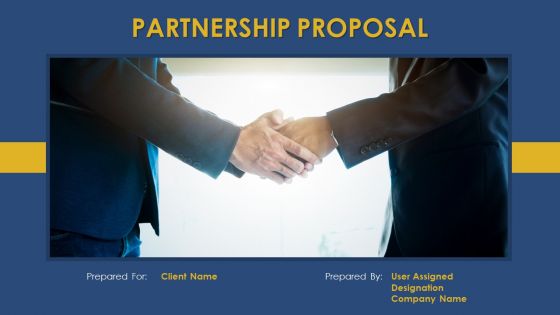
Slide 1: This slide introduces Partnership Proposal. State Client name, User name and Company name.
Slide 2: This slide displays Cover Letter.
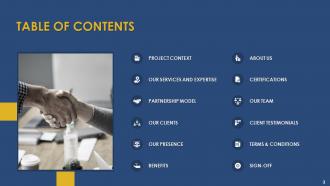
Slide 3: This slide displays the Table of Content of the presentation.
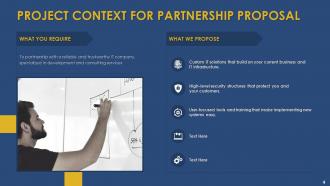
Slide 4: This slide showcases Project Context for Partnership.
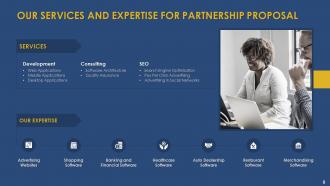
Slide 5: This slide depicts Our Services and Expertise such as- Development, Web Applications, Mobile Applications, Desktop Applications, Consulting, Software Architecture, Quality Assurance, SEO, etc.
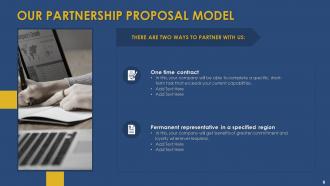
Slide 6: This slide showcases Our Partnership Model.
Slide 7: This slide displays Our Clients with clients name and company logo.
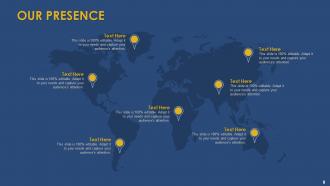
Slide 8: This slide showcases Our Presence.
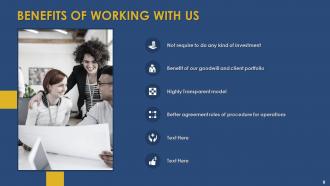
Slide 9: This slide presents Benefits of Working with Us.
Slide 10: This is About Us slide with mission and company information.
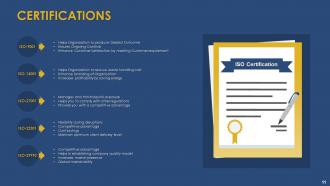
Slide 11: This is Certifications slide.
Slide 12: This is Our Team slide with names and designations.
Slide 13: This is Our Team slide with names and designations.
Slide 14: This slide displays Client Testimonials with client related information.
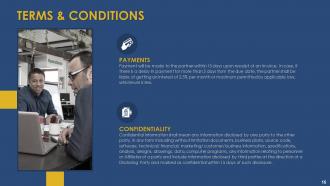
Slide 15: This slide showcases Terms & Conditions.
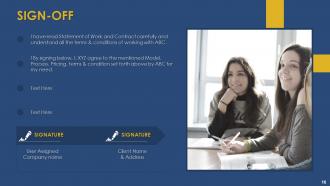
Slide 16: This is Sign-Off slide with Company name, client name and address.
Slide 17: This is Contact Us slide with address, phone number and contact number.
Slide 18: This slide is titled as Additional Slides for moving forward.
Slide 19: This is About Us slide showcasing target audiences and valued clients.
Slide 20: This is Our Mission slide with Mission, Vision and Goal.
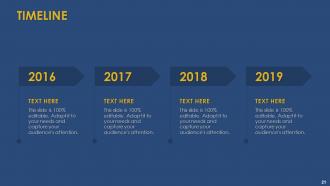
Slide 21: This is five years Timeline slide.
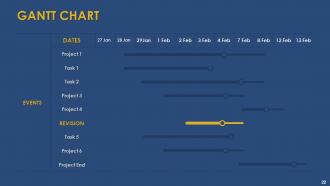
Slide 22: This is Gantt Chart slide.
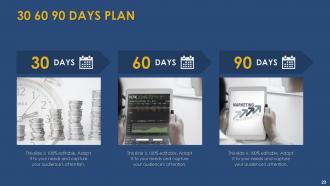
Slide 23: This is 30 60 90 Days Plan slide.
Slide 24: This slide displays Roadmap process.
Partnership proposal powerpoint presentation slides with all 24 slides:
Use our Partnership Proposal Powerpoint Presentation Slides to effectively help you save your valuable time. They are readymade to fit into any presentation structure.








FAQs for Partnership proposal
Honestly, most partnership proposals are trash because people don't think it through. You've gotta nail three basics: what's actually in it for THEM (not just you), specific ways you'll work together, and realistic next steps with actual dates. Do your homework first - like, really understand their business goals and pain points. Can't tell you how many "let's partner because synergy!" emails I've seen that go nowhere. The good ones feel like you genuinely get their challenges and have something that helps both sides win. Oh, and skip the corporate fluff - just be direct about timelines and what you'll deliver.
Dude, you gotta figure out what each person actually cares about first. Execs want ROI numbers and big picture stuff. Operations people? They're worried about how the hell they'll actually make it happen and what resources they need. Marketing wants to know how it helps the brand. I totally bombed this once by sending the same boring pitch to everyone lol. Here's what works - speak their language. If someone's obsessed with cutting costs, start there instead of talking revenue growth. Make different versions of your pitch but tweak the opening and what you emphasize. Same core idea, just packaged differently for each audience.
Don't be vague about what you're actually offering - that's the killer right there. Make it super clear what success looks like for both of you. Also, stop making it about your needs because honestly? Nobody cares about your problems, they want solutions to theirs. Never oversell stuff you can't deliver because it'll come back to haunt you later. Get specific with timelines and who's doing what. Lead with what's in it for them first. Oh, and always end with clear next steps or the whole thing just dies there. Trust me on that one - I've seen too many good opportunities fizzle out because people forgot this basic step.
Honestly, visuals make partnership proposals so much better because nobody wants to read walls of text. Charts and infographics help partners get your main points instantly - I've literally watched people skip proposals that look like boring research papers. Templates keep everything looking consistent too, which makes you seem more professional. Use data charts for market stuff, timeline graphics for project phases, and stick to your brand colors. The key is picking templates that fit your industry vibe. Oh and customize the visuals to tell YOUR specific story, not some generic partnership thing. Trust me, it's worth the extra effort.
Before you write anything, spend like 30 minutes really digging into their company. Hit up their website, social media, recent press stuff - LinkedIn's honestly super helpful for seeing what their employees are talking about. I'd also check what partnerships they already have so you don't accidentally pitch something they're doing with someone else (been there, it's awkward). Look at industry reports mentioning them too. The whole point is showing you actually get their business and aren't just copy-pasting some generic proposal. Trust me, that research time will make your pitch way more solid.
Get super specific about what you actually want to accomplish - none of that "mutual growth" BS. Write down real numbers like "boost our combined market reach by 30%" or "launch three co-branded products by Q3." Honestly, I hate when people just say "explore synergies" because what does that even mean? Break everything into quick wins and bigger long-term stuff. Both sides need to benefit, obviously. Oh, and add how you'll measure success to each goal so there's no arguing later about whether you actually hit your targets or not.
Pick metrics that actually matter to your bottom line - revenue, lead quality, customer acquisition costs, conversion rates from the partnership stuff. Timeline milestones are huge too, like launch dates and when deliverables are due. Brand awareness can be useful if that's what you're after, but honestly it's tricky to measure well. Stakeholders eat up those vanity metrics even though they don't really move anything. Stick to maybe 4-6 solid ones max. Otherwise you'll drown in spreadsheets and lose track of what's working. Track them consistently or it's all pointless.
Honestly, just do three scenarios - conservative, realistic, and optimistic over like 2-3 years. Your revenue streams and major costs need to be super clear because partners will lose their minds if you surprise them later. I always throw in a sensitivity analysis showing how tweaking your main assumptions changes everything (makes you look like you actually know what you're doing). Charts beat tables every time - way easier to digest. Oh and definitely show your work! Where'd these numbers come from? Don't make stuff up to impress people either. Your credibility's everything here, so just be transparent about the math.
Look, nobody wants to read through some dry list of bullet points when you're pitching a partnership. What you need is a story that actually makes sense - like why this collaboration matters right now and what problem you're both trying to fix. I always think of it like pitching a movie idea rather than droning through spreadsheets. Start with the challenge you're facing, then show how teaming up solves it for everyone involved. The whole thing should flow naturally from "here's what's broken" to "here's how we fix it together." Honestly, if you can nail that narrative piece, you're already ahead of 90% of proposals out there.
Look, you gotta be upfront about what could go wrong - financial stuff, operational hiccups, reputation hits, whatever fits your deal. For each risk, spell out how you'd handle it. Don't try to make everything sound perfect because honestly? That just makes you look clueless. I made that mistake once and it was brutal. The smart move is showing you've actually thought this through with real backup plans. Throw in some specific numbers or milestones where you'll check if things are heading south. Trust me, being realistic about problems actually makes people trust you more.
Honestly, stick to 2-3 pages max. I've literally watched people toss 20-page proposals without even skimming them - such a waste of effort. One page feels kinda rushed, but anything past 4 and you'll lose their attention completely. Hit the key stuff: what's in it for both of you, actual collaboration ideas (not just vague promises), and clear next steps. The goal is showing you've done your homework without writing a dissertation. That sweet spot where it's thorough but not excessive? That's what you're going for.
So basically, nonprofits care way more about mission alignment and social impact stuff - they want to see how partnering with you actually helps their cause. For-profits? They're all about ROI and what's gonna make them money. Here's the thing though - don't think nonprofits are easy targets just because they're mission-driven. Some of them negotiate harder than corporate types, honestly. Your pitch structure can stay pretty similar, but nonprofits usually take forever to decide anything because of board approvals and all that bureaucracy. Before you reach out to either type, definitely stalk their recent partnerships and annual reports first. You'll figure out what makes them tick way faster that way.
Dude, get a lawyer to look at this before you sign anything - I learned that the hard way. IP protection is huge, plus you need rock-solid liability stuff and termination clauses. Define who does what, how you're splitting revenue, and what happens to shared assets when things blow up. Because they will at some point, trust me. Don't skip the confidentiality parts either, especially if you're swapping sensitive business details. Oh, and whatever compliance stuff your industry requires. Partnership disputes turn into absolute nightmares when expectations aren't clear from day one.
Honestly, get other people to look at it first - you're way too close to your own writing to catch the weird stuff. I've missed super obvious partnership ideas that my coworkers spotted immediately (kinda embarrassing tbh). They'll catch unclear value props and confusing language that sounds brilliant in your head but makes zero sense to anyone else. Two reviewers minimum. Tell them to be harsh about what doesn't work. Most importantly, they can tell you if you actually answered "what's in it for them" - which is the whole point of these proposals anyway.
Shoot them a quick email within a week just checking they got your proposal and asking about timeline. Then wait like two weeks before reaching out again - maybe send an industry article that backs up your pitch. I totally get wanting to bug them every few days (we've all been there), but don't! Calendar reminders are your friend - every 2-3 weeks max. After about 6-8 weeks of radio silence, send one last friendly "hey, want to revisit this down the road?" message. Keep it chill but professional the whole time.
-
Designs have enough space to add content.
-
Thanks for all your great templates they have saved me lots of time and accelerate my presentations. Great product, keep them up!
-
Visually stunning presentation, love the content.
-
Out of the box and creative design.
-
Appreciate the research and its presentable format.