


Problem And Resolution Powerpoint Presentation Slides




Try Before you Buy Download Free Sample Product
 Impress Your
 Audience
 100%
100% Editable
 Save Hours
 of Time


Solve the business problems effectively with this Problem And Resolution Powerpoint Presentation Slides. Utilize the readily available conflicts and resolutions PPT slideshow and highlight some biggest obstacle that business faces such as lack of capital, a narrow client base, and insufficient marketing strategies, etc. Make a contingency plan to overcome the business challenges with the help of these problems and solutions PowerPoint layouts. Take the assistance of these issues and solutions PowerPoint templates to mention the top five challenges to a business such as growing revenue, hiring employees, increasing profit, government regulations, employee healthcare, etc. With our professionally designed obstacles and solution PowerPoint visuals, showcase the organizational issues such as the absence of clear direction, poor communication and feedback and many more. Analyze the root cause of the problem by downloading visual attention-grabbing problem-solving PowerPoint presentations.
People who downloaded this PowerPoint presentation also viewed the following :
Content of this Powerpoint Presentation
Slide 1: This slide introduces Problem & Resolution. Mention your company name.
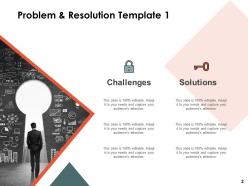
Slide 2: This is challenges and solutions slide.
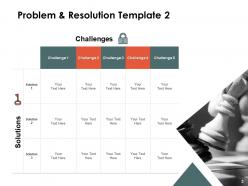
Slide 3: This slide shows Problem & Resolution.
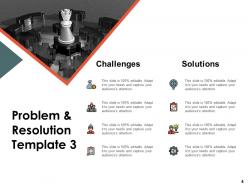
Slide 4: This slide is continued with Problem & Resolution.
Slide 5: This slide showcases Problem & Resolution with challenges and solutions.
Slide 6: This is another slide showcasing Challenges and Solutions.
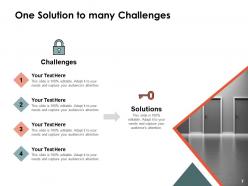
Slide 7: This slide is continued with Challenges and Solutions.
Slide 8: This is Problem & Resolution Icons Slide.
Slide 9: This slide is titled as Additional Slides for moving forward.
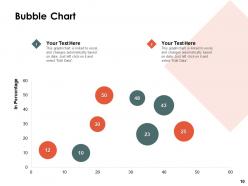
Slide 10: This slide depicts Bubble Chart.
Slide 11: This slide represents Bar Chart.
Slide 12: This is Our Team slide with names and designation.
Slide 13: This slide showcases the Comparison between different social networks.
Slide 14: This is Our Goal slide. Mention your company goals.
Slide 15: This is Quote slide.
Slide 16: This slide represents the Location.
Slide 17: This slide represents Magnifying Glass. Highlight the important contents.
Slide 18: This is Thank You slide with Address, Email Address and Contact number.
Problem And Resolution Powerpoint Presentation Slides with all 18 slides:
Get your feet on the ground with our Problem And Resolution Powerpoint Presentation Slides. Get a firm grip on it all.
-

Problem Resolution
-
Problem Resolution Template 1
-
Problem Resolution Template 2
-
Problem Resolution Template 3
-
Problem Resolution Template 4
-
Problem Resolution Template 5
-
One Solution to many Challenges
-

Problem Resolution Icons Slide
-

Additional Slides
-
Bubble Chart
-
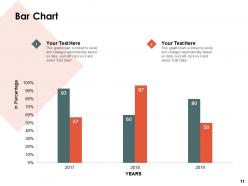
Bar Chart
-

Our Team
-
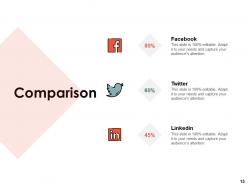
Comparison
-

Our Goal
-
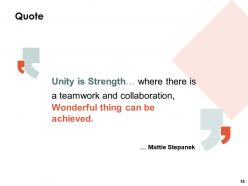
Quote
-
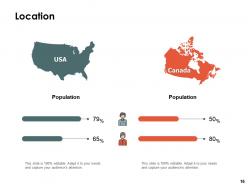
Location
-

Magnifying Glass
-

Thank You
FAQs for Problem And Resolution
Get everyone together and use that "5 Whys" thing - just keep asking why until you hit the real problem, not just what's on the surface. Map out when stuff started breaking and who was there. Here's the thing though - people won't tell you everything right away if they think they'll get blamed. So make it clear you're just trying to fix it, not point fingers. Put everything on a whiteboard so you can actually see the patterns. I always forget how helpful the visual part is until I do it. Then just tackle whatever's causing the biggest headache first.
Look at impact vs urgency first - tackle the high-impact, time-sensitive stuff right away. I make three simple buckets: critical (customer/revenue issues), important (workflow problems), and nice-to-have. Honestly, don't overthink the system itself though. Get your team to agree on what "critical" actually means - like, what breaks if we ignore this today? Write down your criteria so you're not reinventing the wheel every time. Oh and definitely review priorities regularly because things change constantly.
Honestly, good communication fixes like 90% of workplace drama. First thing - make sure everyone's actually solving the same problem, because I've seen teams spend weeks on completely different issues. Listen to what people are saying (really listen, not just waiting for your turn to talk), share info openly, and give regular updates. The game-changer though? Creating a space where people can admit mistakes without getting their heads bitten off. Document the big decisions too - trust me, someone will forget what you agreed on last week. Regular check-ins keep everything on track.
Dude, flowcharts and mind maps are game changers for complex problems. Your brain processes visuals way faster than text anyway. When you map things out, everyone can actually follow your logic from start to finish - and you'll catch gaps you'd totally miss just talking through it. Mind maps rock for brainstorming because you see how ideas connect. Flowcharts are perfect for step-by-step stuff. Honestly, I started sketching problems on whiteboards first and it's made such a difference. Try it next time - things just click better when you can see them laid out.
Start by making it a no-judgment space - people clam up if they think their ideas will get shot down. Mind mapping works really well for connecting random thoughts visually. Also try saying "yes, and..." instead of "but" when someone shares something. Honestly, sticky notes are still my go-to even though they're old school. Set a timer for the brainstorming part, then switch gears to evaluate later. You'll need someone to facilitate who can keep things moving when the group gets stuck. Go for quantity over quality first - the crazy ideas often lead somewhere good.
Oh totally, culture plays a huge role in how people tackle problems. Some folks dive right into solutions while others wait for the boss to weigh in first. Western teammates usually speak up immediately, but people from more hierarchical cultures often hang back. It's honestly chaos at first - I remember feeling so confused when I started managing globally. The cool part though? All these different styles actually make your solutions way better. Mix up who runs meetings depending on what you're solving, and definitely make sure the quiet people get a chance to talk before deciding anything.
Dude, feedback loops are seriously a lifesaver. They catch problems before you're knee-deep in the wrong solution - trust me on this one. Quick check-ins at major milestones keep everyone on the same page, so you don't get that awful "this isn't what we meant" conversation at the end. Even 15 minutes can save hours later. Real-time feedback shows stakeholders you're actually listening, which builds way more trust than just disappearing for weeks. I learned this the hard way on a project last year. Bottom line: you'll spot issues early and avoid those massive pivots that make everyone miserable.
Try Asana or Monday.com - they're pretty solid for tracking issues and assigning people to fix stuff. The dashboards show you everything at a glance, which is nice. Automated reminders are honestly clutch because nothing gets forgotten anymore. Plus when something changes, it'll ping whoever needs to know automatically. What I really love though is having all the details in one spot instead of digging through old emails like "wait, what did Sarah say about that bug last month?" Start with just one tool first - don't go crazy trying to set up everything at once.
Don't pick sides right away - that's huge. Also emotions will totally hijack these conversations if you let them. The whole "let's just move on" thing? Doesn't work, just buries the problem deeper. I've sat through way too many marathon meetings trying to fix everything at once (spoiler: it backfires). Give people breathing room between talks. Focus on the actual work stuff, not personality clashes. But honestly the biggest thing is making sure everyone's even talking about the same problem before you start brainstorming solutions. Otherwise you're just spinning your wheels.
Honestly, staying neutral is huge - don't pick sides, just keep everyone focused on the actual issue instead of getting personal. I'd ask stuff like "what would the perfect solution look like?" to get them thinking productively. Also, don't let people talk over each other (seriously, that alone will save you so much headache). When someone gets emotional, try rephrasing what they said as a concrete problem. Set ground rules upfront about being respectful. Your job isn't solving their mess - it's guiding the conversation. Oh, and always end with clear next steps so nobody leaves confused about who's doing what.
Before you launch anything, grab your baseline numbers - error rates, processing times, whatever matters most. After that, track the same stuff to see if things actually improved. Honestly, user feedback is where you'll find the real goldmines though. Quick surveys or just asking people directly will catch things your spreadsheets totally miss. I'd do check-ins at 30, 60, and 90 days post-launch. Write everything down because future-you will thank you when the next problem comes up. Oh, and set those calendar reminders now - I always forget to actually follow up otherwise.
So proactive is like catching problems before they blow up, reactive is scrambling to fix stuff that's already broken. Been there - it's brutal. With proactive management, you're spotting patterns and fixing root causes instead of just slapping band-aids on everything. Your team actually gets to work on cool improvements rather than running around stressed all the time. Reactive? Same fires keep popping up because you never dealt with what's actually causing them. More expensive, everyone's miserable, stakeholders are pissed. Honestly, just track what keeps breaking this month and you'll see the patterns pretty quick.
Dude, emotional intelligence seriously changes everything when you're trying to solve problems. You can actually read what's happening in the room and catch those things people don't say out loud. Plus it keeps you from losing your shit when conversations get intense - and trust me, they will. The cool part? You'll separate your feelings from the actual issue, which makes everything clearer. I learned this the hard way honestly. Before jumping into fix-it mode, just listen for real and check where your head's at emotionally first.
Stories work so well because they turn boring abstract stuff into something people actually care about. I'd go with the classic setup: here's the mess we were in, here's why it got worse, here's how we dug ourselves out. People's brains just stick to stories better than lists - it's weird but true. The emotional hook is what gets people nodding along with your solution. Make sure you throw in specific details and real numbers though, otherwise it sounds like you're making stuff up. Actually, now that I think about it, the "before and after" contrast is probably the most powerful part.
Honestly, case studies from similar industries are total lifesavers when you're stuck. They show you what actually worked (and what bombed) so you don't have to figure everything out from scratch. Look for industries with similar rules or customer types - doesn't have to be identical products. The failure stories are sometimes more helpful than the wins, weird as that sounds. I'd grab 2-3 good ones and see how their approaches might fit your situation. Way better than just winging it and hoping for the best.
No Reviews