


Product and services networking powerpoint presentation slides





Try Before you Buy Download Free Sample Product
 Impress Your
 Audience
 100%
100% Editable
 Save Hours
 of Time


Product and services networking is a business model that focuses on facilitating interactions among a large number of people. It aids in the connection of buyers and sellers through the formation of social relationships, cooperation to achieve a common goal, or continuous efforts to enhance participants performance by assisting them in learning faster together. Here is a competently designed Product and Services Networking template that focuses on current state analysis, linear model, average cost curve, increasing costs, etc., and different business models offered in the industry. Its role is to provide a governance structure, standards, and protocols that facilitate large-scale interactions so network effects can be unleashed. We have focused on the platform business model, covering the benefits, canvas model, components, main types, and categorization. The 5 step process focuses on environment scan, ideation phase, value proposition, service design, strategy, costs, valuation, and implementation plan. Customize this 100 percent editable template. Download it now.
People who downloaded this PowerPoint presentation also viewed the following :
Content of this Powerpoint Presentation
Slide 1: This slide introduces Product and Services Networking. State Your Company Name and begin.
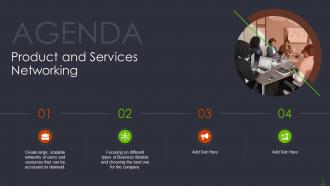
Slide 2: This is an Agenda slide. State your agendas here.
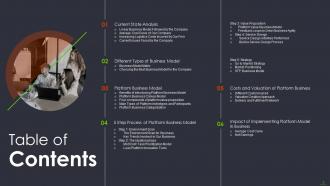
Slide 3: This slide presents Table of Content for the presentation.
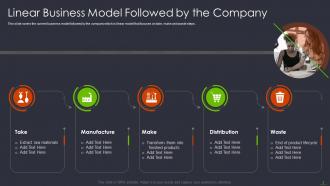
Slide 4: This slide displays Linear Business Model Followed by the Company.
Slide 5: This slide represents average cost incurred by our company due to linear business model.
Slide 6: This slide showcases logistics costs incurred by our firm which includes shipping costs and fulfillment costs.
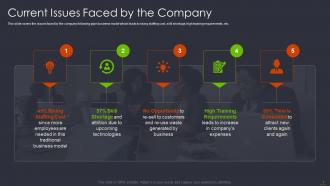
Slide 7: This slide shows issues faced by the company following pipe business model.
Slide 8: This slide presents linear and non linear business matrix based on new and existing clients.
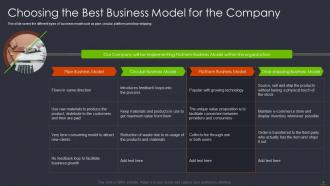
Slide 9: This slide displays Choosing the best business model for the company.
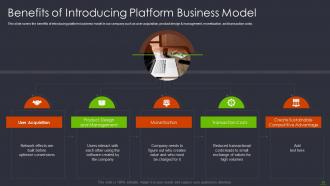
Slide 10: This slide represents benefits of introducing platform business model.
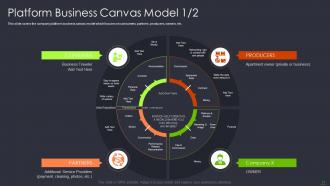
Slide 11: This slide showcases company platform business canvas model which focuses on consumers, partners, producers, etc.
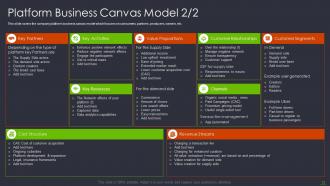
Slide 12: This slide shows company platform business canvas model.
Slide 13: This slide presents Four Components of Platform Value Propositions.
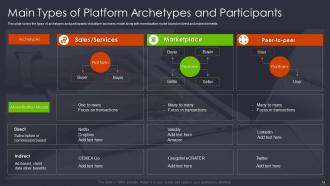
Slide 14: This slide displays Main Types of Platform Archetypes and Participants.
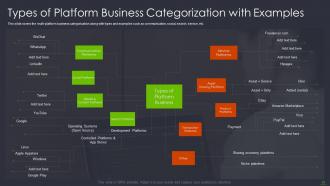
Slide 15: This slide represents Types of Platform Business Categorization with Examples.
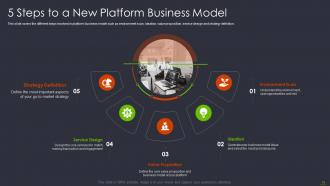
Slide 16: This slide showcases different steps involved in platform business model such as environment scan, ideation, etc.
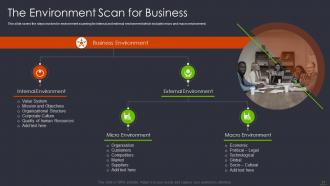
Slide 17: This slide shows steps involved in environment scanning for internal and external environment.
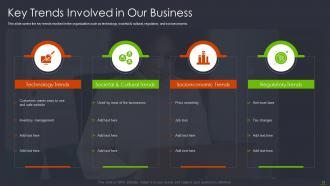
Slide 18: This slide presents key trends involved in the organization such as technology, societal & cultural, etc.
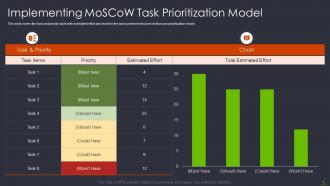
Slide 19: This slide displays task and priority table with estimated effort and chart for the tasks performed.
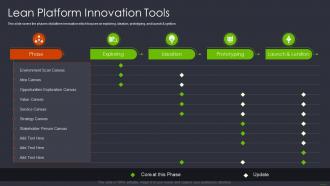
Slide 20: This slide represents phases of platform innovation which focuses on exploring, ideation, etc.
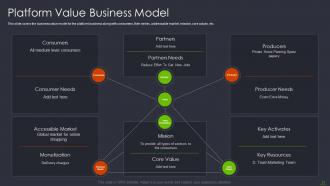
Slide 21: This slide showcases business value model for the platform business along with consumers, their needs, etc.
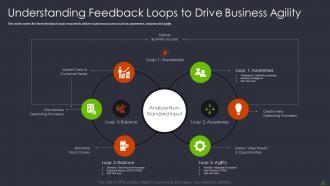
Slide 22: This slide shows Understanding Feedback Loops to Drive Business Agility.
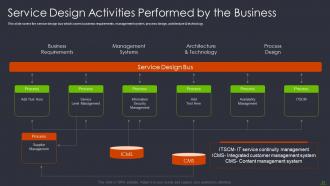
Slide 23: This slide presents Service Design Activities Performed by the Business.
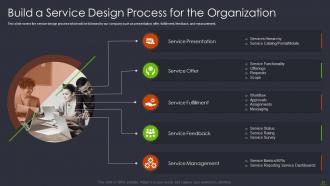
Slide 24: This slide displays service design process which will be followed by our company such as presentation, offer, etc.
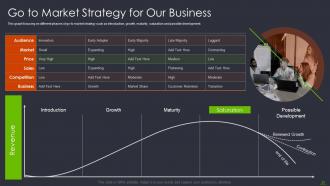
Slide 25: This slide represents phases of go-to market strategy such as introduction, growth, maturity, etc.
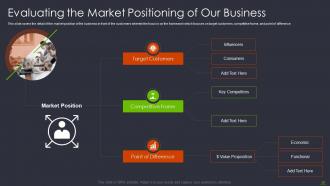
Slide 26: This slide showcases detail of the market position of the business in front of the customers.
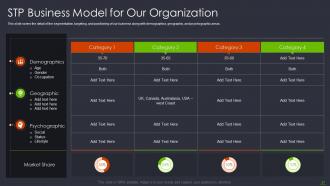
Slide 27: This slide shows detail of the segmentation, targeting, and positioning of our business.
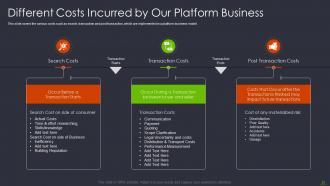
Slide 28: This slide presents Different Costs Incurred by Our Platform Business.
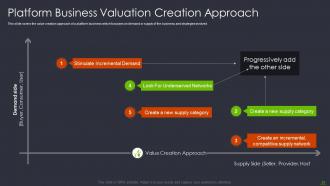
Slide 29: This slide displays value creation approach of a platform business which focusses on demand or supply.
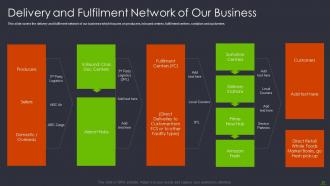
Slide 30: This slide represents delivery and fulfilment network of our business which focuses on producers, inbound centres, etc.
Slide 31: This slide showcases inear model that focuses on take, make and waste steps.
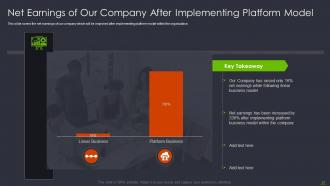
Slide 32: This slide shows Net Earnings of Our Company After Implementing Platform Model.
Slide 33: This slide shows Icons for Implementing Platform Business Model in the Company.
Slide 34: This slide is titled as Additional Slides for moving forward.
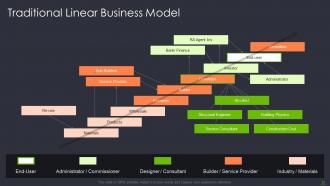
Slide 35: This slide shows Traditional Linear Business Model with related imagery.
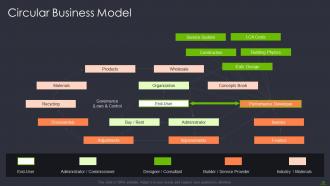
Slide 36: This slide presents Circular Business Model with related icons and text.
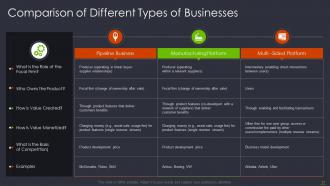
Slide 37: This slide displays Comparison of Different Types of Businesses.
Slide 38: This slide represents Linear Vs Platform Business Model.
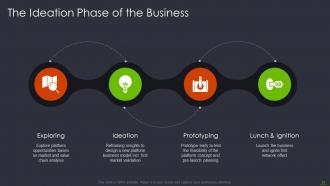
Slide 39: This slide showcases The Ideation Phase of the Business.
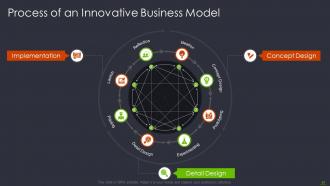
Slide 40: This slide shows Process of an Innovative Business Model.
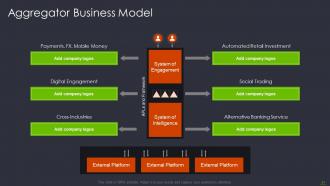
Slide 41: This slide presents Aggregator Business Model with additional textboxes.
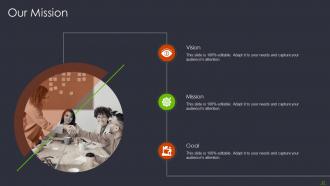
Slide 42: This is Our Mission slide with related imagery and text.
Slide 43: This slide contains Puzzle with related icons and text.
Slide 44: This slide displays Column chart with two products comparison.
Slide 45: This is a Timeline slide. Show data related to time intervals here.
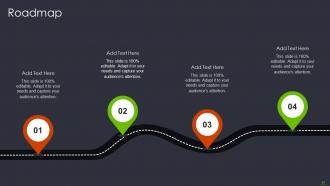
Slide 46: This slide presents Roadmap with additional textboxes.
Slide 47: This slide shows Post It Notes. Post your important notes here.
Slide 48: This is Our Target slide. State your targets here.
Slide 49: This slide depicts Venn diagram with text boxes.
Slide 50: This is an Idea Generation slide to state a new idea or highlight information, specifications etc.
Slide 51: This is a Thank You slide with address, contact numbers and email address.
Product and services networking powerpoint presentation slides with all 56 slides:
Use our Product And Services Networking Powerpoint Presentation Slides to effectively help you save your valuable time. They are readymade to fit into any presentation structure.


















FAQs for Product and services networking
Look, networking basically gives you access to the hidden job market - like 80% of positions never even get posted publicly. You'll hear about stuff before everyone else does. Building real relationships means people actually think of you when cool opportunities pop up. I've gotten my best gigs through random conversations, not applications tbh. The mentorship angle is huge too - having someone who's been there can save you from making dumb mistakes. Start by helping other people out first though. Nobody likes the person who only shows up when they need something. It makes everything less transactional and way more fun.
Honestly, skip the whole "work the room" thing - it's exhausting and fake anyway. Pick like 2-3 people max and actually talk to them. I always prep a couple real questions about what they do beforehand so I don't just stand there awkwardly. Your listening thing is actually gold since most people at these events just wait for their turn to talk. Oh, and definitely follow up within a day or two with something specific you discussed. Way better than collecting a stack of business cards you'll never touch again.
LinkedIn's your best bet - seriously, just clean up your profile and start commenting on industry stuff. Twitter's decent if you can find the right people to follow, but honestly it's kind of a mess to navigate. For specific fields, check out GitHub if you're in tech or Behance for creative work. Oh, and don't overlook Discord servers and Slack groups! They feel way more chill but I've seen people land actual jobs through those connections. Pick whichever platform your industry uses most and just focus there first instead of spreading yourself too thin.
So here's what works: lead with your name and the problem you actually solve, not some generic job title nobody cares about. The formula I like is "I'm [name], I help [who] get [what result] by [your method]." Keep it stupid short - like 30 seconds max because honestly, everyone's distracted at these things anyway. Practice it until you're not stumbling over words. Then tweak it depending on who you're talking to. The whole point is making them think "oh, that could help me" instead of just listing your credentials. I always test a few versions to see which ones get people asking follow-up questions - that's how you know it's working.
Dude, emotional intelligence makes ALL the difference in networking. People can smell desperation from a mile away, you know? Don't be that person who just waits for their turn to talk - actually listen to what others are saying. Ask follow-up questions about stuff they genuinely care about. Half the battle is just reading the room properly and not being pushy. I learned this the hard way at some random conference last year where I totally bombed a conversation because I was too focused on my elevator pitch. Show real interest in people instead of constantly selling yourself. Your emotions matter too - stay calm and authentic rather than coming across as that awkward business card collector nobody wants to deal with.
Dude, networking is everything when you're switching careers. Most jobs get filled through connections anyway - way better than throwing your resume into the online void. Hit up people already doing what you want to do and ask for quick coffee chats. They'll tell you what skills actually matter and what the job's really like day-to-day. Plus your existing contacts might surprise you. That random college buddy? Could be your ticket in. I swear, informational interviews are gold - people love talking about their work if you just ask.
Consistency is everything with follow-ups, seriously. I'll send random check-ins or share articles I think they'd dig. Actually remembering stuff from our convos helps too - LinkedIn's decent for tracking this, but honestly? A quick "how'd that presentation go?" text hits different. Don't just hit people up when you need favors though. Share resources, make introductions, invite them to cool events. It's gotta feel mutual, you know? I set monthly phone reminders to ping different contacts - sounds dorky but it works. Oh and those "thinking of you" messages when you see something in their industry? Pure gold.
Ugh, the worst thing you can do is make it all about YOU right off the bat. Like, don't immediately pitch your stuff - people see right through that. Ask questions instead. Actually care about what they're doing, you know? And stop hoarding business cards if you're never gonna follow up properly. That's just weird. Online networking is tricky too - don't connect then disappear forever. Comment on their posts sometimes. Here's the thing though: good networkers help people out before they need anything back. Don't wait until you're desperately job hunting to start building relationships.
Your mentor's got years of connections you'd never reach on your own. They can make introductions that actually matter - not just random business card collecting, which honestly is pretty useless. Mine taught me how to work a room without being awkward (I was SO bad at this before). Here's the thing though: you gotta be specific about what connections you need. Don't just say "anyone in marketing." Tell them exactly what kind of role or company you're targeting. That way they can think of actual relevant people to introduce you to. Plus they'll coach you through the whole networking thing.
Oh man, culture totally changes the networking game! Some places you've gotta build personal relationships first before even mentioning work stuff - like, dinner and drinks for months before talking business. Others? Jump right into the professional talk, no problem. Communication styles vary wildly too. I learned this the hard way in Japan once, but that's another story. Research their norms beforehand if you can. Watch how locals interact at events. Personal space, gift customs, formality levels - it all matters. When you're unsure, go more formal and relationship-focused rather than being pushy.
Honestly, most people just collect business cards and do nothing with them - total waste. You've got like 48 hours max to follow up while they actually remember you. LinkedIn message works great, just mention something you two talked about so it doesn't feel random. I used to think it was weird reaching out, but people genuinely appreciate it most of the time. Don't be all salesy though. Share an article that relates to your chat or suggest coffee. Oh, and set reminders to touch base every few months - relationships die without maintenance.
Honestly, virtual networking can be way better than those awkward in-person mixers. Start with simple coffee chats over Zoom - people love talking about themselves anyway. Join online communities in your field and actually participate in discussions. LinkedIn's boring but it works - comment on posts instead of just sending random connection requests. Twitter hashtags for your industry are surprisingly good for meeting people. Oh, and virtual coworking sessions are having a moment right now. The trick is helping others first before you ask for anything. Just schedule one virtual coffee this week and see how it goes.
Honestly, personal branding makes networking way less awkward. People actually remember you when you're known for something specific. You go from being just another random person to "oh, you're the one who does X really well." Figure out what you want to be famous for first - could be anything from social media strategy to fixing broken processes. Then when you're at events or whatever, naturally weave in examples of that thing. Conversations get so much smoother because people know what you're about. I used to hate networking until I realized this - now it feels more like sharing what I'm good at rather than just collecting business cards.
So here's the thing - your portfolio and networking are basically best friends. People you meet will want to see your work, so having a good portfolio ready makes those chats actually worth it. But honestly? The networking part is what gets doors to open, even if your portfolio gets you noticed first. The people in your network can give killer feedback on your stuff or write testimonials. Your portfolio shows what you're capable of. Your network shows who believes in you enough to vouch for it. Don't just hide your work on some website - bring it up when you're talking to people.
Honestly, professional orgs are such networking goldmines. You're basically in rooms with people who get your career struggles and actually want to talk shop. The membership thing is clutch too - instant conversation starter instead of that weird weather small talk nobody wants. They throw events, workshops, panels, all designed for meeting people. Just don't be that person who only shows up for free snacks (though the food is usually pretty good). Pick maybe 2-3 groups that actually match what you're trying to do and show up consistently. Actually participate instead of lurking in the back.
-
Graphics are very appealing to eyes.
-
Very unique and reliable designs.