


Product opportunity evaluation powerpoint presentation slides





Try Before you Buy Download Free Sample Product
 Impress Your
 Audience
 100%
100% Editable
 Save Hours
 of Time


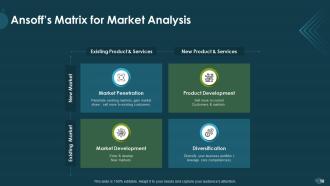
Examine numerous aspects of your offerings using our Product Opportunity Evaluation PowerPoint Presentation Slides. By using the market opportunity assessment PPT slideshow, you can display the components of market analysis like market segmentation, targeting, positioning, competitor analysis amongst others. You can also demonstrate the constituents of competitive opportunities like a financial review, value proposition, competitor detection, innovation R&D, market perception of competitors, etc. by taking assistance from opportunity assessment framework PPT visuals. The Ansoff matrix for the market analysis section provides a framework to help executives, senior managers, and marketers analyze and plan strategies for future growth. Our content-ready market assessment framework PowerPoint slide deck will help the clients to obtain a holistic view of the entire market, in terms of market value, customer behavior, global competition, and entry barriers. Identify opportunities for growth in a specific market or business area by using an opportunity assessment framework PPT templates. Download the product opportunity evaluation PPT infographics and deliver the best quality products to your clients.
People who downloaded this PowerPoint presentation also viewed the following :
Content of this Powerpoint Presentation
Slide 1: This slide introduces Product Opportunity Evaluation. Mention your Company name and begin.
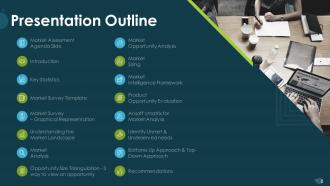
Slide 2: This slide displays Presentation Outline
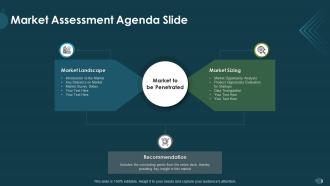
Slide 3: This is Market Assessment Agenda Slide
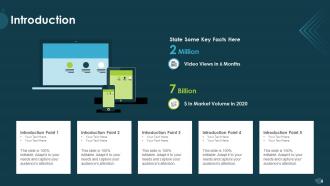
Slide 4: This slide showcases the Introduction.
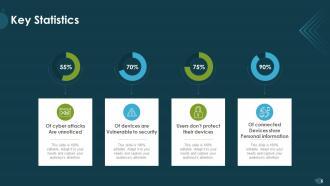
Slide 5: This slide highlights Key Statistics
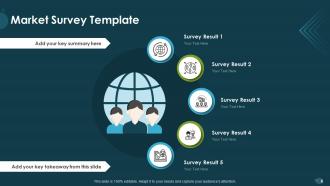
Slide 6: This is Market Survey Template. Add your key takeaway from this slide
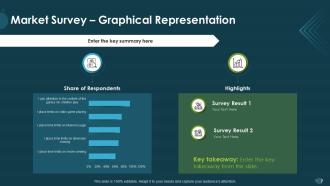
Slide 7: This slide shows Market Survey – Graphical Representation
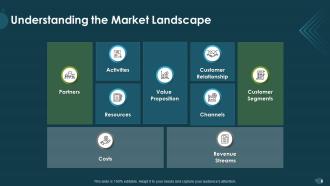
Slide 8: This slide discusses about Understanding the Market Landscape
Slide 9: This slide shows Market Analysis
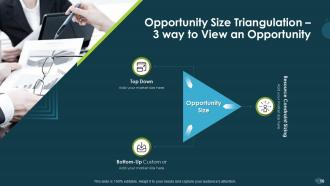
Slide 10: This slide presents Opportunity Size Triangulation – 3 way to View an Opportunity
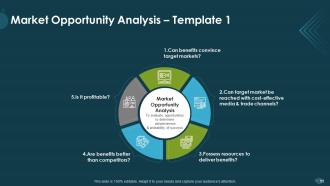
Slide 11: This slide shows Market Opportunity Analysis – Template 1.
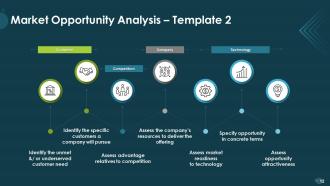
Slide 12: This is Market Opportunity Analysis – Template 2.
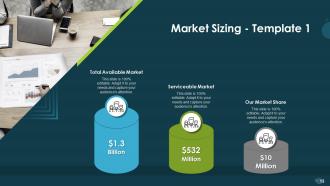
Slide 13: This is Market Sizing - Template 1
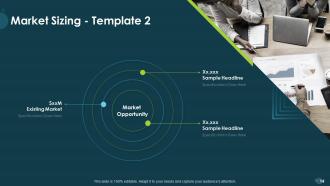
Slide 14: This is Market Sizing - Template 2
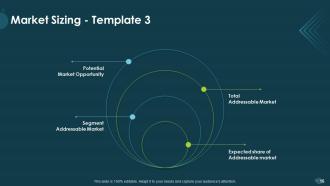
Slide 15: This is Market Sizing - Template 3 showing Expected share of Addressable market
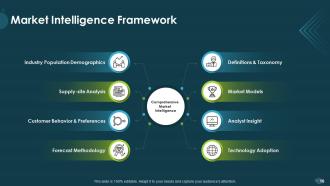
Slide 16: This slide displays Market Intelligence Framework
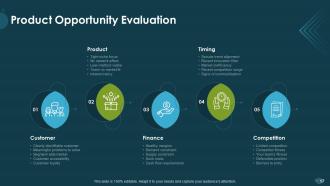
Slide 17: This slide depicts Product Opportunity Evaluation.
Slide 18: This slide showcases Ansoff’s Matrix for Market Analysis
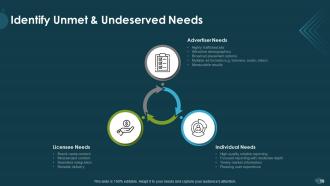
Slide 19: This slide presents information about Identify Unmet & Undeserved Needs
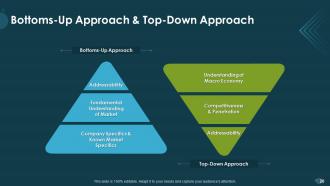
Slide 20: This slide shows Bottoms-Up Approach & Top-Down Approach.
Slide 21: This slide presents Telecommunication Market Analysis.
Slide 22: This is Product Opportunity Evaluation Icons Slide
Slide 23: This slide reminds about Coffee break.
Slide 24: This slide is titled as Additional Slides for moving forward.
Slide 25: This is About us slide to showcase Company specifications.
Slide 26: This is Our team slide with Names and Designations.
Slide 27: This slide displays Stacked Line with Marker with product Comparison.
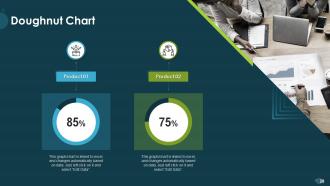
Slide 28: This slide displays Dougnut chart for comparison of products.
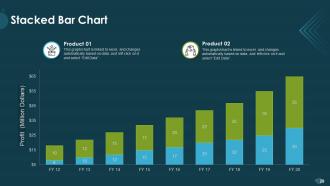
Slide 29: This slide displays Stacked Bar Chart for comparison of products.
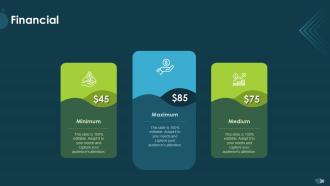
Slide 30: This slide displays finance related stuff.
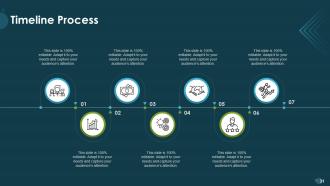
Slide 31: This slide shows Timeline Process
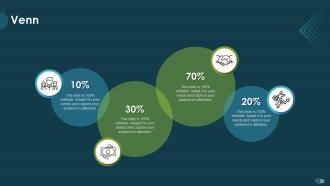
Slide 32: This slide displays Venn
Slide 33: This slide displays Mind map for representing entities.
Slide 34: This is Thank you slide with Contact details.
Product opportunity evaluation powerpoint presentation slides with all 34 slides:
Use our Product Opportunity Evaluation Powerpoint Presentation Slides to effectively help you save your valuable time. They are readymade to fit into any presentation structure.









FAQs for Product opportunity evaluation
Honestly, start with market size and how much it'll cost you to get customers. Time to revenue matters a lot too - nobody wants to wait forever to see money. Competition is brutal in crowded spaces, so check that. Your dev team will literally revolt if the technical side is a nightmare (learned that one the hard way). Profit margins are obvious but worth mentioning. The big question though? Are customers actually desperate for this or just kinda interested? Because there's a huge difference. Score each opportunity on these things, then just compare them side by side. Makes the choice pretty clear.
Honestly, market research just tells you if people actually want your thing and will pay for it. Do some surveys, customer interviews, check out competitors - that'll show you market size and what pricing works. I've watched way too many teams skip this part and build stuff literally no one wants (painful to watch). Plus you'll discover customer problems you never even thought about, which helps you tweak your idea before dumping tons of money into it. Even just 10-15 quick customer chats can save you from major screw-ups later. Trust me on this one.
Dude, talk to your customers first - seriously. I learned this the hard way when I got obsessed with a product idea that nobody actually wanted. Do surveys, interviews, whatever gets you real feedback before you build anything big. People will tell you if they'd actually pay for it and what features matter most. Short sentences work too. Getting this info early saves you from wasting months on something that flops. Even if your idea isn't fully baked yet, start asking around. Those conversations are pure gold for figuring out if you're onto something or just dreaming.
Look, competitive analysis is basically your reality check before diving in. Map out what everyone else is doing - their strengths, where they're dropping the ball, pricing, the whole deal. I've seen people think they found this amazing gap only to discover like 15 competitors already there (ouch). But here's the thing - it's way better to know upfront than after you've built something nobody wants. Figure out what features are just expected now versus what could actually set you apart. Then use all that info to nail down your market size and how you'll position yourself. Trust me on this one.
Here's how I'd think about it: First, check if the market's actually worth going after - size, growth, how brutal the competition is. Honestly, sometimes smaller markets are way better if they're not totally saturated. Then get real about what your team can handle. Do you have the right people and resources? I've watched so many startups burn through cash chasing stuff they couldn't execute on. Also consider if it fits your existing products and where you want to go long-term. Make a quick scoring sheet for all this and rank everything. Go with whatever scores highest but still feels doable right now.
Okay so SWOT is basically like doing a reality check on your product idea before you jump in. You map out your strengths (what you're good at), weaknesses (where you might get burned), opportunities (gaps in the market), and threats (competitors, new regulations, whatever). The cool part is connecting the dots between them - like how can your strengths help you grab those opportunities? Or what weaknesses make you vulnerable to threats? I always start by just brain-dumping everything into each box first. Then you step back and see the bigger picture. Honestly, it's one of those things that seems obvious but you'd be surprised how much clarity it gives you.
Your product opportunity hypothesis needs four main things: who you're targeting, what problem they have, your solution, and why they'd actually want it. Basically like a pitch deck crammed into one sentence. Also throw in your assumptions about market size and how you'll find these customers - honestly, that part's harder than it sounds. Make sure everything's testable though. You want to be able to go talk to real people and figure out if you're totally wrong about any of it. Start with one clear statement you can actually test.
Demographics are honestly a goldmine for finding product opportunities. Aging populations, birth rates, people moving to cities - this stuff shows you where demand's going before everyone else catches on. The whole boomer thing with healthcare tech? Companies that saw that coming early made bank. Income shifts matter too, plus where people are actually moving to since that totally changes local markets. I always tell people to grab census data first - sounds boring but it's not. Then you just connect those trends to whatever gaps exist in your space. Way easier than trying to guess what people want.
Definitely get real people using your prototype while you watch and take notes. A/B testing different versions is solid too. Honestly, watching someone get confused by your interface tells you everything - way more valuable than you'd think. Try usability testing, focus groups, or quick surveys after people use it. Oh and for digital stuff, heatmaps show you exactly where users click around. Don't just test with your team though, they already know how it works. Get your actual target users involved early and keep doing it throughout development.
Honestly, cost-benefit analysis is just putting numbers to what your gut already knows. List out everything you'll spend - development, manufacturing, marketing, the works. Then figure out realistic revenue projections (don't be overly optimistic here, trust me). Do the math before diving in headfirst. You'll catch red flags early, like if it takes forever to break even or your margins are terrible. I've seen too many people skip this step and regret it later. Build your revenue estimates from actual market research, not wishful thinking. It's boring but saves you from expensive mistakes.
Look, you don't want to chase every shiny new thing that pops up. Strategic alignment means better resource allocation and way clearer decisions. Executives will actually fund your ideas when they see how it fits the bigger picture. I've seen teams build incredible products that went nowhere because they didn't connect to company goals - honestly such a waste. Short sentences help here: Does this move us toward our 3-year vision? If not, probably skip it. You'll get stronger competitive advantage too when everything you're doing actually works together instead of pulling in different directions.
Tech changes everything about evaluating products - new possibilities pop up while others become irrelevant overnight. Look at emerging tech that could boost your product's capabilities or cut development costs. But honestly? Shiny new stuff is often just hype without real market readiness. I've seen too many teams chase the latest trend. Focus on how tech shifts affect your target market's behavior and expectations. Does new tech give you an edge or make it easier for competitors to enter? Most importantly - validate that the technology actually solves a real problem before you bet your roadmap on it.
Honestly, personas are like your BS detector for product ideas. They show you if people actually want what you're building and which features really matter. I've watched so many teams waste months on "brilliant" concepts that users couldn't care less about - it's painful. Your personas help figure out market size too, plus they point you toward the most valuable problems to solve first. Quick test: would your main persona actually open their wallet for this? If you're not sure, dig deeper before you build anything.
Look, financial forecasting is basically your way to figure out if that product idea is actually worth your time. You gotta model revenue projections, dev costs, timeline to break-even - the whole thing. Honestly, I've watched so many "brilliant" ideas crash because people skipped this step. It helps you compare opportunities and set real expectations with your team. Oh, and definitely start conservative with your assumptions - build multiple scenarios too. Trust me, you don't want to be that person explaining to your boss why everything's three months behind and over budget.
Get your engineering, marketing, and finance folks together when you're sizing up opportunities. Engineers catch the "this is impossible to build" stuff early. Marketing sees positioning problems you'd totally miss. Finance keeps everyone honest about budgets - though honestly, they're kinda downers sometimes. The real value happens when they all disagree and force you to think harder about what you're actually trading off. Each team basically stress-tests your assumptions from their own angle. Way better than going it alone. Just grab one person from each department for your next evaluation - you'll see what I mean.
-
Best Representation of topics, really appreciable.
-
Great designs, really helpful.
-
Very well designed and informative templates.
-
The Designed Graphic are very professional and classic.