


Project Scope Framework Powerpoint-Präsentationsfolien





Try Before you Buy Download Free Sample Product
 Impress Your
 Audience
 100%
100% Editable
 Save Hours
 of Time


Ehren Sie das Urteil mit unseren Project Scope Framework Powerpoint-Präsentationsfolien. Geben Sie der ethischen Analyse gebührende Anerkennung.
People who downloaded this PowerPoint presentation also viewed the following :
Inhalt dieser Powerpoint-Präsentation
Folie 1 : Diese Folie stellt das Project Scope Framework vor. Geben Sie Ihren Firmennamen an und fahren Sie fort.
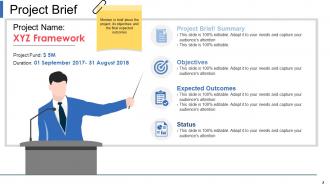
Folie 2 : Dies ist eine Project Brief-Folie mit Bildern. Erwähnen Sie kurz das Projekt, seine Ziele und die erwarteten Endergebnisse.
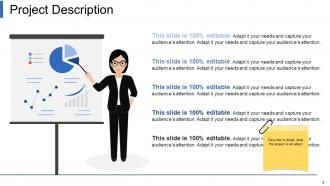
Folie 3 : Dies ist eine Projektbeschreibungsfolie mit Bildern und Textfeldern. Beschreiben Sie ausführlich, worum es bei dem Projekt geht.
Folie 4 : Diese Folie zeigt den Projektmanagement-Lebenszyklus in grafischer Form. Wir haben einen Rahmen des Projektlebenszyklus erwähnt, den Sie nach Ihren Anforderungen verwenden können.
Folie 5 : Diese Folie zeigt das Flussdiagramm des Projektprozesses. Wir haben einen kompletten Projektablauf und die damit verbundenen Aufgaben erfasst, Sie können die Schritte nach Ihren Wünschen anpassen.
Folie 6 : Dies ist eine Folie für das Projektumfangsmanagement mit den folgenden Faktoren – Projektleistungen, Projektannahmen, Projektausschlüsse, Beschreibung des Projektumfangs, Projektannahmekriterien.
Folie 7 : Dies ist die Folie zur Risikoidentifikation (1/2) in tabellarischer Form. Listen Sie hier alle möglichen Risikoarten und ihre möglichen Auswirkungen auf das Projekt auf.
Folie 8 : Diese Folie zeigt das Projektmanagement-Team. Listen Sie hier alle Personen auf, die mit Namen, Bezeichnung etc. mit diesem Projekt verbunden wären.
Folie 9 : Dies ist eine Kaffeepause-Bildfolie zum Anhalten. Sie können den Inhalt nach Bedarf ändern / modifizieren.
Folie 10 : Dies ist die Symbolfolie des Projektumfangs-Frameworks. Nach Bedarf ändern/modifizieren.
Folie 11 : Diese Folie geht weiter zu Grafiken und Diagrammen. Nach Bedarf ändern/modifizieren.
Folie 12 : Diese Folie zeigt ein Radardiagramm. Vergleichen Sie Produkt 01, Produkt 02 und verwenden Sie es nach Bedarf.
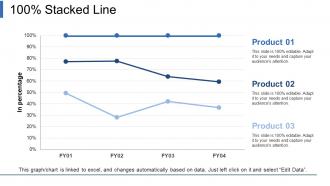
Folie 13 : Diese Folie zeigt ein 100 % gestapeltes Liniendiagramm in Prozent zum Vergleich von Produkt 01, Produkt 02, Produkt 03 usw.
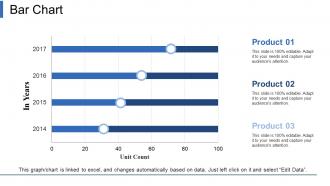
Folie 14 : Dies ist eine Balkendiagrammfolie, die das Wachstum von Produkten/Einheiten, Vergleiche, Spezifikationen usw. zeigt.
Folie 15 : Diese Folie trägt den Titel Zusätzliche Folien, um vorwärts zu gehen. Sie können den Folieninhalt nach Bedarf ändern.
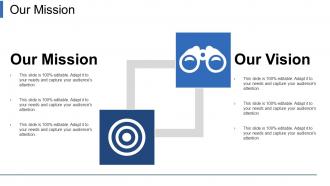
Folie 16 : Diese Folie zeigt unsere Mission. Geben Sie hier Ihre Unternehmensmission und Vision an.
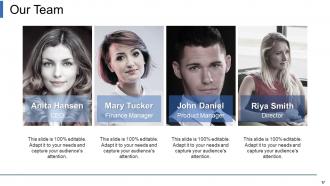
Folie 17 : Diese Folie hilft, unser Team mit Textfeldern darzustellen.
Folie 18 : Dies ist unsere Zielfolie – Bewusstsein, Qualität, Erfolg.
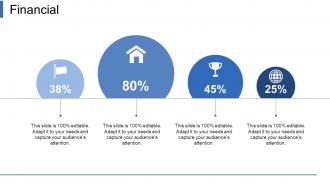
Folie 19 : Dies ist eine Folie zum Finanzergebnis. Geben Sie hier finanzielle Aspekte, Informationen etc. an.
Folie 20 : Dies ist eine Dashboard-Folie, um Informationen in Prozent usw. anzuzeigen.
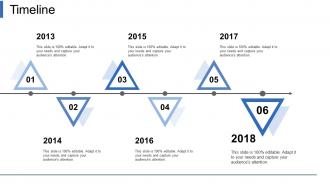
Folie 21 : Diese Folie präsentiert eine Zeitleiste, um Wachstum, Meilensteine usw.
Folie 22 : Dies ist eine Folie zum Generieren von Ideen mit Bildern von menschlichen Kopfbirnen, um Informationen, Innovationsspezifikationen usw.
Folie 23 : Dies ist eine Dankesfolie mit Adresse# Hausnummer, Stadt, Bundesland, Kontaktnummern, E-Mail-Adresse.
Project Scope Framework Powerpoint Präsentationsfolien mit allen 23 Folien:
Steigen Sie ein, legen Sie los mit unseren Project Scope Framework Powerpoint-Präsentationsfolien. Sie werden bestimmt Ihr Glück finden.
-
Project Scope Framework
-
Project Brief
-
Project Description
-
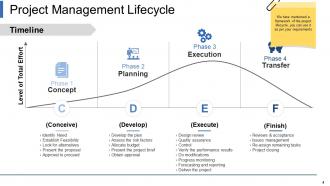
Project Management Lifecycle
-
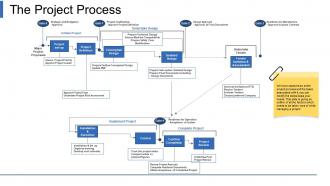
The Project Process
-
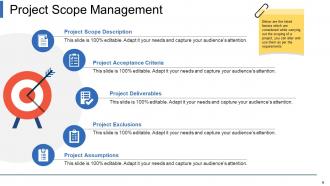
Project Scope Management
-
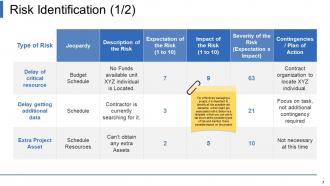
Risk Identification 1 2
-
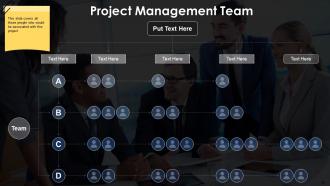
Project Management Team
-

Let s have a Coffee Break
-
Project Scope Framework Icon Slide
-
Graphs And Charts
-
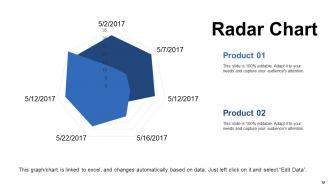
Radar Chart
-
100 Stacked Line
-
Bar Chart
-
Additional Slides
-
Our Mission Vision
-
Our Team
-
Our Goal
-
Financial
-

Dashboard
-
Timeline
-

Generate Idea
-
Thank You
FAQs for Project Scope Framework
You need project objectives first - like what you're actually trying to accomplish. Then nail down your deliverables and scope boundaries (seriously, don't keep this vague or you'll regret it later). Acceptance criteria matters too. Timeline and budget parameters are obvious ones. Oh, and figure out who your key stakeholders are - the people who can actually approve changes when things inevitably shift. I always screw up the boundaries part if I'm rushing. The whole thing becomes like a contract with everyone involved. Work through the assumptions and constraints last. Start systematic but don't overthink it.
Okay so project scope is basically your lifeline - it stops that annoying scope creep from killing your timeline. List out exactly what you're delivering and what's off-limits. Everyone knows their lane, no confusion. Makes budgeting way more realistic too. Honestly, the best part? Stakeholders can't just waltz in mid-project asking for random features because you've already set boundaries. Write down your deliverables, any constraints, maybe assumptions if you have them. Get signatures before starting anything - trust me on this one. It's like having a contract that actually protects your sanity.
Dude, you absolutely need stakeholder input for project scope - can't wing it without them. They know what the business actually wants and what constraints you're dealing with. I've watched so many projects crash because someone just assumed stuff instead of asking. Get their requirements and priorities upfront, otherwise you're basically guessing at what success looks like. Oh, and make sure you talk to ALL the key people, not just whoever yells loudest. Document everything too because people conveniently "forget" what they said later.
Oh man, scope creep is brutal if you don't catch it fast. Set up weekly reviews with your team to spot any drift happening. When someone says "just one more feature" or whatever, document it properly first - don't just wing it. Assess how it'll mess with your timeline and budget before saying yes. I got burned on a project that went from 3 months to 8 because of this exact thing! Always check new requests against your original goals. Get stakeholder approval too. Honestly, learning to say no is half the battle. Push stuff to phase two if you need to.
Honestly, mixing different approaches is your best bet here. I always start by looking at similar projects I've done before and tweaking based on what's different this time. Breaking everything down into smaller pieces helps a ton - forces you to actually think through all the moving parts. The three-point thing works pretty well too, where you estimate best case, worst case, and realistic scenarios. If you've got other experienced people around, get them to estimate separately first, then compare notes - sometimes the differences reveal stuff you missed. Oh, and if you have decent historical data, those parametric models can be surprisingly accurate. Just don't put all your eggs in one basket - use 2-3 methods and see where they converge.
Dude, having everyone work from the same playbook is huge. No more "wait, what are we actually doing?" confusion. Clear boundaries mean your team stays focused instead of wandering off into random tasks. Stakeholders can't just throw new stuff at you without going through proper channels either - honestly saved my butt so many times. Oh, and way fewer pointless meetings trying to figure out what's included or not. Just make sure everyone can actually find the thing - stick it somewhere obvious like your shared drive. Trust me, you'll wonder how you managed projects without one.
Your constraints are basically the walls you're building inside - budget, timeline, team size, all that stuff. I think of them as helpful guardrails more than annoying roadblocks, tbh. They force you to figure out what actually matters vs. what would just be cool to have. First thing I'd do is write down your biggest 3-4 constraints upfront. Money's usually
-
good
-
Nice and innovative design.
-
Thanks for all your great templates they have saved me lots of time and accelerate my presentations. Great product, keep them up!