


Project scope management powerpoint presentation slides





Try Before you Buy Download Free Sample Product
 Impress Your
 Audience
 100%
100% Editable
 Save Hours
 of Time


Project scope management is the process of identifying, documenting, and tracking all of the project's goals, deliverables, and milestones. Project managers use scope management to define what work needs to be done, as well as identify any potential risks or roadblocks that could impact the project's success. Project scope management can be a daunting task, but it doesn’t have to be. With the right tools and resources in your arsenal, you can easily manage project scope and keep your team on track. That’s where SlideTeam comes in. We offer a variety of project management ppt templates that will help you take control of your projects and stay organized every step of the way. Plus, our templates are easy to use and customizable, so you can make them fit your own unique needs. Download our project management ppt templates now.
People who downloaded this PowerPoint presentation also viewed the following :
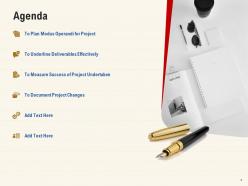
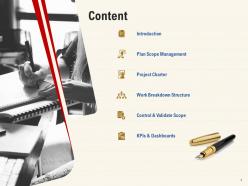
Project scope management powerpoint presentation slides with all 55 slides:
Use our Project Scope Management Powerpoint Presentation Slides to effectively help you save your valuable time. They are readymade to fit into any presentation structure.


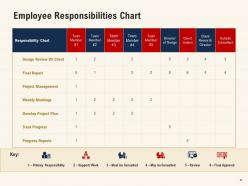
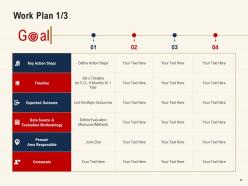
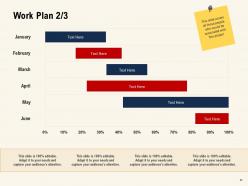

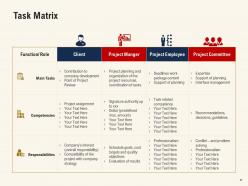


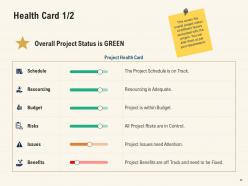


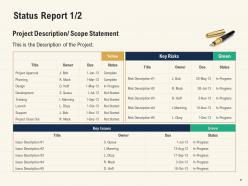
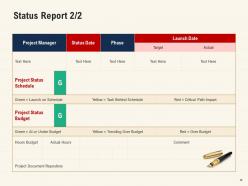
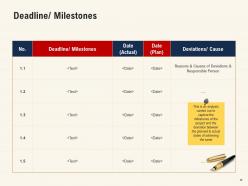






FAQs for Project scope management
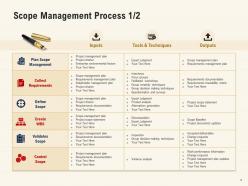
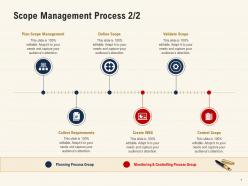
So there's four main parts: scope planning, definition, verification, and change control. Basically covers everything your project will include (and won't). Start with clear deliverables and requirements, then build out a detailed work breakdown structure. This is honestly where I've seen projects totally crash - people rush this part. You'll need verification processes throughout to make sure you're actually delivering what everyone agreed on. Oh, and definitely set up change control because scope creep happens every single time. My advice? Spend serious time upfront defining scope and get stakeholders to sign off in writing before you start anything.
Honestly, you've gotta nail down your project scope from day one - write out exactly what's in and what's definitely not happening. Get all the stakeholders involved when you're figuring out requirements, and make them actually sign off on it. Trust me on this part: set up a real change process because people will 100% come at you with "tiny" requests that aren't tiny at all. When someone casually mentions adding something new, don't just say yes in the hallway. Make it official - show them how it'll mess with your timeline and budget, then get proper approval. Changes need to be visible, not sneaky.
Honestly, you gotta mix it up depending on who you're dealing with. Interviews work great for deep stuff, surveys when you need to reach a million people. Workshops are clutch - way better than drowning in email threads, trust me. For anything user-facing, focus groups are your friend. Here's something people forget though: just watch people actually doing their jobs. It's crazy what you'll catch that they'd never think to mention. Match your approach to the complexity and always - and I mean always - send a follow-up email summarizing everything.
So project scope is all the work your team has to actually DO to build something. Product scope? That's just the features and stuff the final thing will have. Like if you're making an app - product scope is the login, messaging, user profiles, whatever. But project scope includes all the behind-the-scenes work: planning meetings, coding sprints, testing phases, writing docs. Way more stuff than people realize tbh. I usually think of it as "doing" vs "getting" which honestly just clicks better for me. Map both out separately when you're planning or you'll definitely forget some random but important project task that doesn't show up in the actual product.
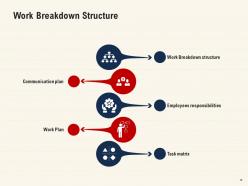
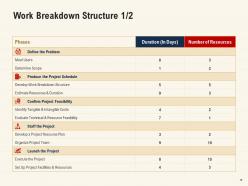
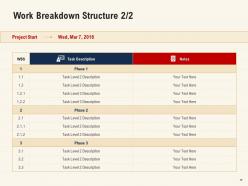
So a WBS is like your project roadmap - breaks everything down into smaller chunks so you don't miss stuff. Picture a family tree but for tasks (I know, weird comparison lol). Use it to nail down what's actually IN your project scope vs what isn't. Honestly, this saves you from scope creep headaches later. Makes estimating way simpler too since you're dealing with small pieces instead of one giant mess. Get it done early. Have your team look it over - they always spot things you missed somehow.
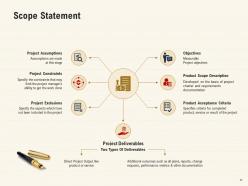
Think of your scope statement like GPS for your project - constantly check it when people start asking for changes or your team gets confused about priorities. Compare what you're actually delivering against what's written down there. Weekly meetings are perfect for this, honestly. I've watched way too many projects completely fall apart because nobody bothered looking back at the original plan. Scope creep is real and it'll destroy everything if you let it. Your scope statement is basically the only thing standing between you and that one stakeholder who always wants "just a tiny change" that turns into three months of extra work.
Look, you absolutely need a change control process right from the start. Document every single change request that comes in. Assess how it'll impact your timeline, budget, and resources before saying yes to anything. I've watched so many projects completely fall apart because someone goes "oh it's just one tiny thing" - yeah right! Your stakeholders need to get that scope creep costs money. There's always trade-offs. Keep your project charter updated when changes get approved, and honestly? Set up regular scope reviews so you don't get hit with a mountain of changes later.
Dude, visual tools are seriously a lifesaver for scope stuff. Like, stakeholders actually *get it* when you show them a work breakdown structure or flowchart instead of drowning them in text. I swear, diagrams create more lightbulb moments than any written requirements I've ever done. Plus they make scope creep super obvious - someone wants to add something? Just point to your visual and show them where it doesn't fit. Mind maps work great too for breaking down complex deliverables. Next meeting, try starting with a basic scope diagram. You'll probably see way more engagement.
Ugh, scope creep is the absolute worst - everyone thinks adding "just one tiny thing" won't hurt. Plus you'll get super vague requirements at the start, which makes it impossible to know what's actually included. Marketing wants one thing, engineering needs something totally different. It's honestly a mess sometimes. Communication falls apart when nobody writes down what they're assuming. Oh, and stakeholders? They'll have completely conflicting priorities that somehow you're supposed to magically solve. Get everything documented from day one and set up some kind of formal process for changes - trust me on this.
Honestly, the biggest thing is getting everyone talking from the start. Listen to what people actually need and ask questions when stuff sounds vague - then write it all down in normal words, not business-speak nonsense. I always do regular check-ins because scope creep is sneaky like that. Visual stuff helps too - wireframes, flowcharts, whatever makes the abstract ideas click. You'll want multiple chances for people to speak up about concerns. Oh, and kick off with a scope workshop where everyone's in the same room hashing things out. Way better than endless email chains.
Honestly, scope creep percentage is your best friend here - just track how much the project ballooned past what you originally planned. Change request response times matter too, since you want to handle changes smoothly rather than being the "no" person all the time. Schedule variance will bite you because scope issues always screw up timelines. I'd also watch stakeholder satisfaction and how often requirements get clarified or redone (that's usually a red flag). The real test? Compare your final deliverables to that original scope statement. Start tracking this stuff from day one so you can actually fix things instead of just figuring out what went wrong later.
So with Agile, you basically throw the old "lock down every requirement upfront" approach out the window. Instead of fighting scope changes, you roll with them - that's literally the whole point. Short sprints let you constantly adjust based on what stakeholders are saying and what you're learning along the way. Your backlog becomes this living document that you're always shuffling around priorities on. Not gonna lie, it feels pretty messy coming from waterfall's structured world. But honestly? It's so much better at actually giving users what they want. The scope grows with your project instead of against it. Just get comfortable with the uncertainty and focus on shipping value bit by bit.
Honestly, stakeholder engagement is everything for getting scope right. Your stakeholders basically ARE your requirements - they know what's actually needed and what the real constraints are. Talk to them early and often, or you'll get hit with those dreaded "actually, we forgot to mention..." surprises halfway through. I learned this the hard way on my last project. Getting different perspectives upfront helps you draw clearer boundaries around what you're building. Engaged stakeholders also tend to approve deliverables without making you redo everything. Just don't only listen to whoever yells loudest - make sure you're hearing from the right mix of people.
So contracts are definitely something to check first - make sure your scope doesn't accidentally promise stuff that's outside what you actually agreed to do. Regulatory requirements can bite you too, especially in healthcare or finance where there's tons of compliance hoops. IP ownership gets messy fast if you're building something new or using other people's materials. Legal reviews honestly feel like such a pain sometimes, but your legal team should definitely look over the scope before you lock it in. Better safe than sorry with this stuff.
Honestly, start building a lessons learned doc right now - even mid-project. Track all the scope creep patterns you're seeing, plus how different stakeholders behave and what requirements you initially missed. Teams literally waste months making the same mistakes over and over. When you're planning future projects, dig into this stuff first to spot scope risks early. The biggest game-changer? Figure out what caused your worst scope changes and use that intel to write way better scope statements. Oh, and definitely map out stakeholder behavior patterns - some people are just scope creep magnets, you know?
-
Informative design.
-
Editable templates with innovative design and color combination.
-
Good research work and creative work done on every template.