


Rebrand Launch Plan Branding CD V




Try Before you Buy Download Free Sample Product
 Impress Your
 Audience
 100%
100% Editable
 Save Hours
 of Time


Here is a competently designed Rebrand launch plan PowerPoint presentation covering the brand launch process for introducing a brand to the public. It includes the identification of the Target audience, Brand Launch Communications Plan, Brand Migration Plan, Brand Launch Internally, Brand competition, brand messaging, and goals. In this Brand Awareness presentation, we cover the template for the brand campaign to put the companys story and message in front of an audience, increase brand awareness, and improve brand equity in the consumers mind. The steps highlighted in the brand launch plan are the Brand creation process, Brainstorming a catchy name for the brand, Creating a brand positioning statement, Creating brand promise, and Defining the brands personality. Further, the steps include the Creation of a customers persona, Brand strategy, and Brand elements, Creating a brand storyboard, a One-page brand strategy canvas, and a Brand identity prism. Lastly, the module also describes a Brand promotion plan, Brand launch success tracking metrics, Brand launch marketing budget, Brand launch timeline, Brand communication plan, Brand distribution plan by region, and geographical selection of potential brand distribution market. Download our 100 percent editable and customizable template, which is also compatible with google slides.
People who downloaded this PowerPoint presentation also viewed the following :
Content of this Powerpoint Presentation
Slide 1: This slide displays the title Rebrand Launch Plan.
Slide 2: This slide displays the title Agenda for rebrand launch plan.
Slide 3: This slide exhibit table of content.
Slide 4: This slide exhibit table of content.
Slide 5: This slide exhibit table of content.
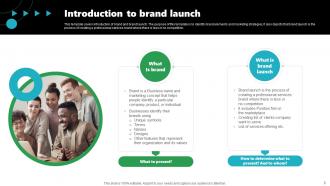
Slide 6: This template covers introduction of brand and brand launch.
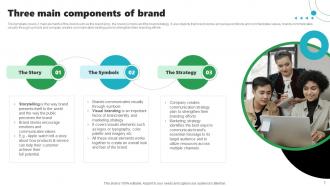
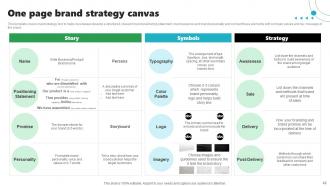
Slide 7: This template covers 3 main elements of the brand such as the brand story, the brand symbols and the brand strategy.
Slide 8: This template covers a competitive assessment for determining brand launch strategy.
Slide 9: This template covers major components of brand launch.
Slide 10: This template covers the process of the target audience analysis for better brand positioning.
Slide 11: This slide showcase table of content that are to be discuss further.
Slide 12: This template covers brand launch strategic steps such as creating a catchy name, creating positioning statements, creating brand promise and personality.
Slide 13: This template covers process to create a unique brand name.
Slide 14: This template covers process to create a unique brand name.
Slide 15: This slide showcase table of content that are to be discuss further.
Slide 16: The following slide highlights smart agriculture technology market analysis with growth drivers to measure progress and track performance.
Slide 17: This template covers the role of the brand ladder in developing brand positioning strategy.
Slide 18: This template covers the importance and key areas of the brand positioning statement.
Slide 19: This template covers a detailed explanation of Volvo brand’s positioning statement.
Slide 20: This template covers the positioning statement template.
Slide 21: This slide showcase table of content that are to be discuss further.
Slide 22: This template covers the positioning strategy based on product quality.
Slide 23: This template covers a positioning strategy formulated on the basis of competitors.
Slide 24: This template covers the positioning strategy formulated on the basis of product application.
Slide 25: This template covers a positioning strategy formulated on the basis of product characteristics.
Slide 26: This template covers the positioning strategy on the basis of product price.
Slide 27: This template covers brand positioning canvas.
Slide 28: This slide showcase table of content that are to be discuss further.
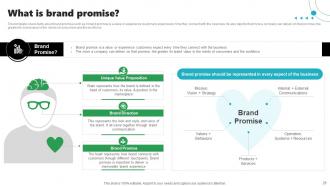
Slide 29: This template covers facts about brand promise such as it brand promise is a value or experience customers expect every time they connect with the business.
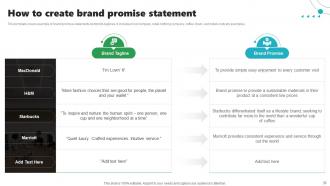
Slide 30: This template covers example of brand promise statements behind its taglines.
Slide 31: This slide showcase table of content that are to be discuss further.
Slide 32: This template covers introduction to brand personality and guidelines to choose the right traits for new brand.
Slide 33: The template covers brand personality traits chart.
Slide 34: This template covers brand tone and voice which depicts the way companies communicate with their audience.
Slide 35: The template covers brand personality framework that helps company or organization shape the way people feel about its product, service, or mission.
Slide 36: This slide showcase table of content that are to be discuss further.
Slide 37: This template covers customer persona which helps in understanding the target audience for better product positioning.
Slide 38: This template covers brand strategy framework including brand vision, purpose, values, brand idea.
Slide 39: This slide showcase table of content that are to be discuss further.
Slide 40: This template covers steps to create brand logo such as market research for target audience and competitors, choose brand focus and personality.
Slide 41: This template covers guidelines to choose brand colour palette such as using colors that already have associations with product, service or industry, message.
Slide 42: This template covers topography usage guidelines for brand content.
Slide 43: This slide showcase table of content that are to be discuss further.
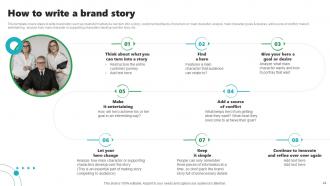
Slide 44: This template covers steps to write brand story such as brainstorm what you can turn into a story, customer feedbacks, find a hero or main character.
Slide 45: This template covers brand story example of google. Purpose of this template is to give guidelines to write brand stories.
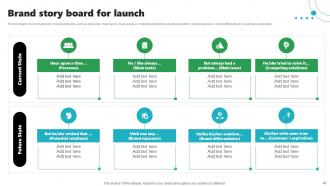
Slide 46: This template covers brand story board elements such as personas, main tasks, main issues, competing solutions, potential solutions.
Slide 47: This slide showcase table of content that are to be discuss further.
Slide 48: This template covers brand strategy tool to helps businesses develop a structured, relevant brand positioning statement, brand essence and brand personality.
Slide 49: This template covers Kapferer brand identity prism. This brand identity canvas is a concept for describing a brand's identity through its characteristics.
Slide 50: This slide showcase table of content that are to be discuss further.
Slide 51: This template covers brand awareness and promotion plan.
Slide 52: This template covers editorial calendars, and it helps plan where and when the content will be published.
Slide 53: This template covers the best time for social media posting on Facebook, Instagram, Twitter, YouTube and LinkedIn.
Slide 54: This template covers brand launch activities to schedule all of the marketing activities planned.
Slide 55: This slide showcase table of content that are to be discuss further.
Slide 56: This template covers brand launch success tracking key performance indicators.
Slide 57: This template covers key performance indicator (KPI) to determine the performance against the company objectives.
Slide 58: This slide showcase table of content that are to be discuss further.
Slide 59: This template represents comparative assessment for various types of advertisements. It includes radio, television ads, SMS advertising, print media etc.
Slide 60: This template covers quarterly brand promotion budget for different marketing channels such as email, google, Instagram, TV, YouTube, magazine, Facebook etc.
Slide 61: This template covers brand launch timeline from brainstorming catchy names, creating brand positioning statement, defining brand personality.
Slide 62: This slide showcase table of content that are to be discuss further.
Slide 63: This template covers communication plan for an FMCG brand. It includes elements such as communications strategy, target market, brand idea, main benefit.
Slide 64: This template covers communication plan for an IT brand. It includes elements such as communications strategy, target market, main value proposition.
Slide 65: This template covers depicts that branding is a type of company-sourced communication aimed toward other businesses and individuals.
Slide 66: This slide showcase table of content that are to be discuss further.
Slide 67: This template covers evaluation of target market size for preparing marketing strategies.
Slide 68: This template covers evaluation of target market size for preparing marketing strategies.
Slide 69: This is the icons slide.
Slide 70: This slide presents title for additional slides.
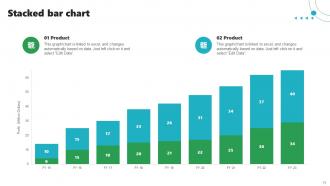
Slide 71: This slide showcase Stacked bar chart for different products.
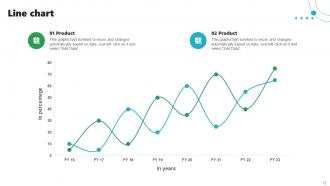
Slide 72: This slide showcase Line chart for different products.
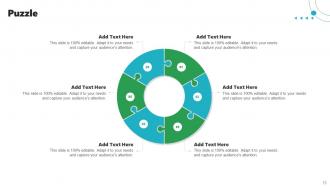
Slide 73: This slide shows puzzle for displaying elements of company.
Slide 74: This slide depicts posts for past experiences of clients.
Slide 75: This slide display Venn.
Slide 76: This slide display Our target.
Slide 77: This is thank you slide & contains contact details of company like office address, phone no., etc
Rebrand Launch Plan Branding CD V with all 82 slides:
Use our Rebrand Launch Plan Powerpoint Presentation Slides Branding CD to effectively help you save your valuable time. They are readymade to fit into any presentation structure.
-
Rebrand Launch Plan
-
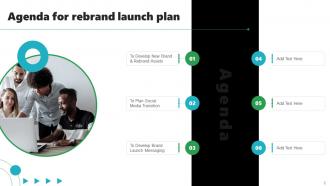
Agenda for rebrand launch plan
-
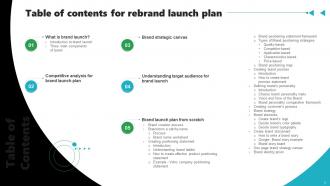
Table of contents for rebrand launch plan
-
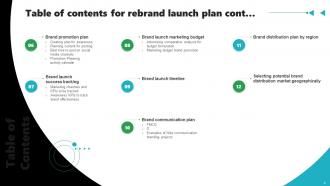
Table of contents for rebrand launch plan cont
-
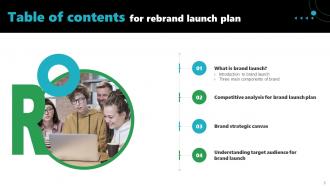
Table of contents for rebrand launch plan
-
Introduction to brand launch
-
Three main components of brand
-
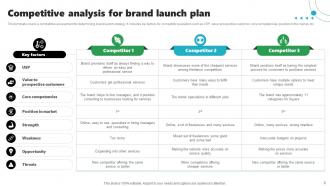
Competitive analysis for brand launch plan
-
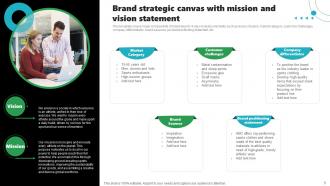
Brand strategic canvas with mission and vision statement
-
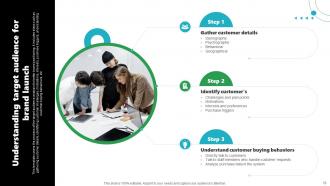
Understanding target audience for brand launch
-
Table of contents for rebrand launch plan
-
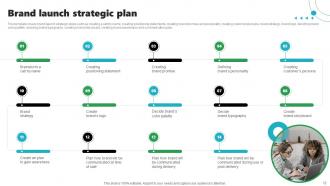
Brand launch strategic plan
-
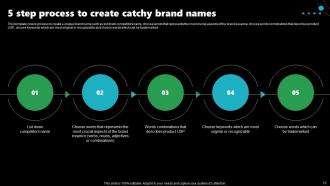
Rebrand Launch Plan Branding Cd
-
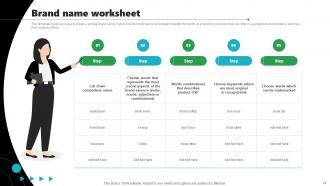
Brand name worksheet
-
Table of contents for rebrand launch plan
-
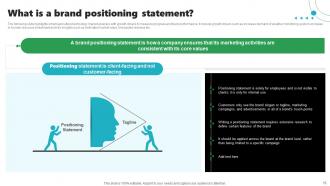
What is a brand positioning statement
-
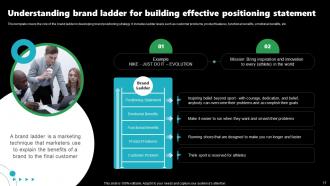
Understanding brand ladder for building effective positioning statement
-
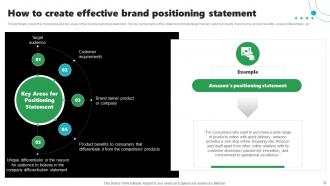
How to create effective brand positioning statement
-
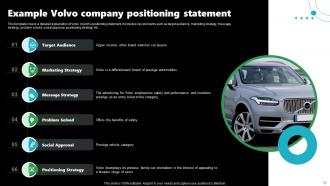
Example Volvo company positioning statement
-
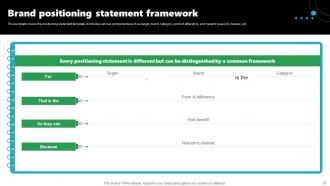
Brand positioning statement framework
-
Table of contents for rebrand launch plan
-
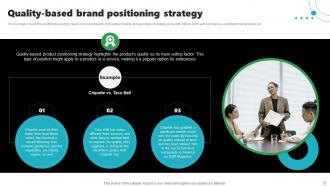
Quality based brand positioning strategy
-
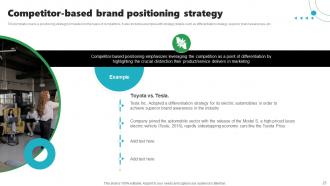
Competitor based brand positioning strategy
-
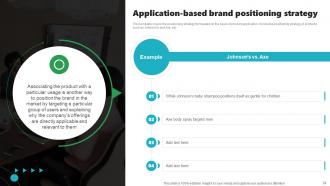
Application based brand positioning strategy
-
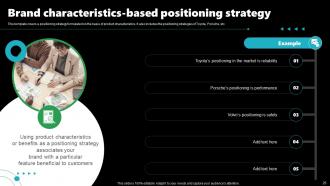
Brand characteristics based positioning strategy
-
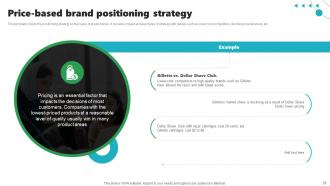
Price based brand positioning strategy
-
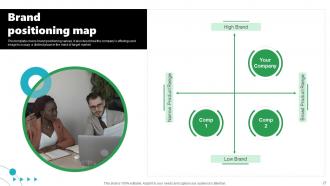
Brand positioning map
-
Table of contents for rebrand launch plan
-
What is brand promise
-
How to create brand promise statement
-
Table of contents for rebrand launch plan
-
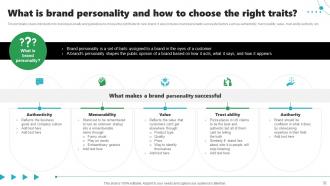
What is brand personality and how to choose the right traits
-
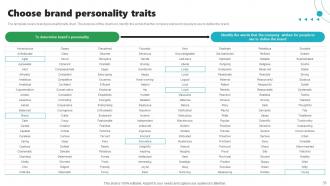
Choose brand personality traits
-
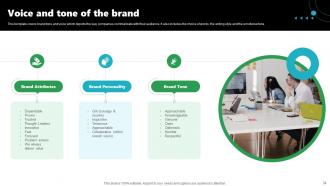
Voice and tone of the brand
-
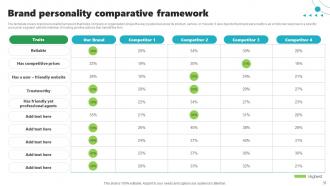
Brand personality comparative framework
-
Table of contents for rebrand launch plan
-
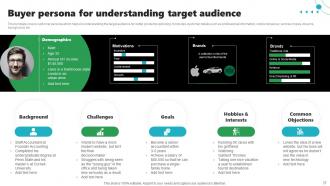
Buyer persona for understanding target audience
-
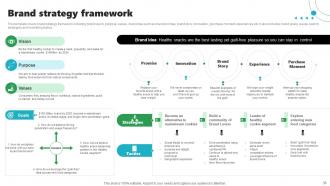
Brand strategy framework
-
Table of contents for rebrand launch plan
-
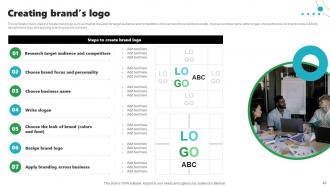
Creating brand s logo
-
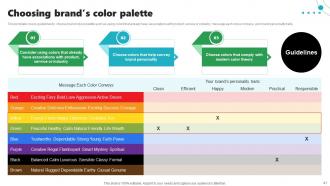
Choosing brand s color palette
-
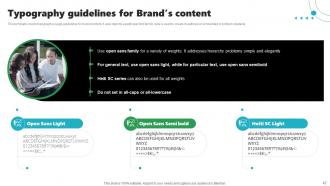
Typography guidelines for Brand s content
-
Table of contents for rebrand launch plan
-
How to write a brand story
-

Brand story example Google
-
Brand story board for launch
-
Table of contents for rebrand launch plan
-
One page brand strategy canvas
-
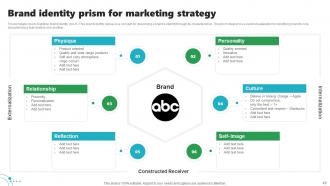
Brand identity prism for marketing strategy
-
Table of contents for rebrand launch plan
-
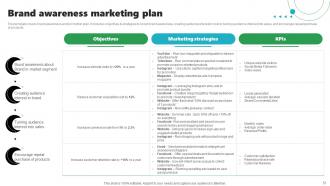
Brand awareness marketing plan
-
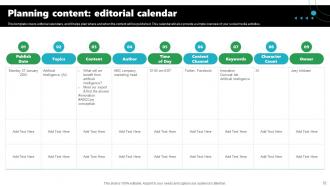
Planning content editorial calendar
-
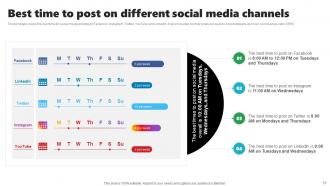
Best time to post on different social media channels
-
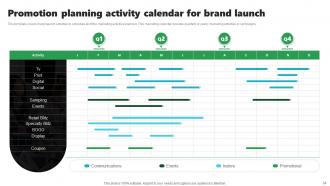
Promotion planning activity calendar for brand launch
-
Table of contents for rebrand launch plan
-
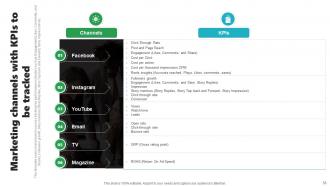
Marketing channels with KPIs to be tracked
-
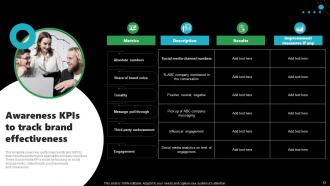
Awareness KPIs to track brand effectiveness
-
Table of contents for rebrand launch plan
-
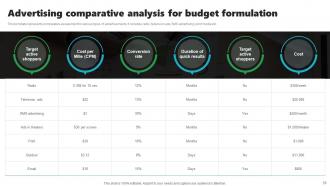
Advertising comparative analysis for budget formulation
-
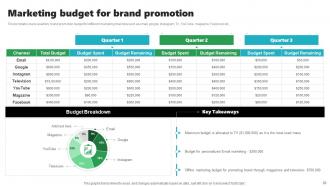
Marketing budget for brand promotion
-
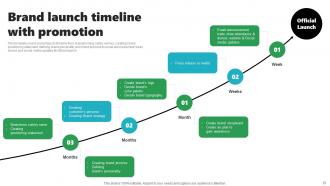
Brand launch timeline with promotion
-
Table of contents for rebrand launch plan
-
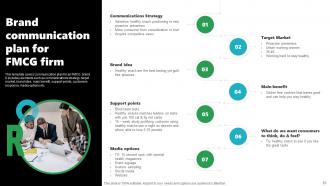
Brand communication plan for FMCG firm
-
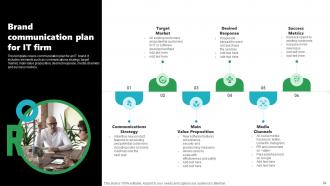
Brand communication plan for IT firm
-
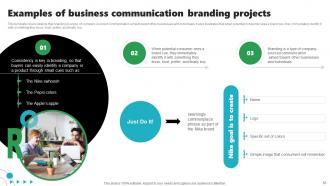
Examples of business communication branding projects
-
Table of contents for rebrand launch plan
-
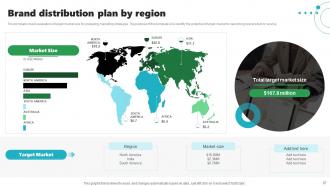
Brand distribution plan by region
-
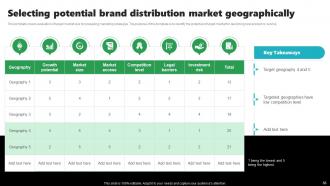
Selecting potential brand distribution market geographically
-
Icons slide for rebrand launch plan
-

Additional slides
-
Stacked bar chart
-
Line chart
-
Puzzle
-
Post it notes
-
Venn
-
Our target
-
Rebrand Launch Plan Branding Cd
-

-

-

-

-

FAQs for Rebrand Launch Plan
Honestly, you'll feel it in your gut when it's time. Your market share starts tanking, customers get confused about what you actually do, or you look ancient next to competitors. Business pivots are huge red flags too - if your brand doesn't match what you're selling anymore, that's a problem. Can't shake bad associations? Struggling to hire decent people? Your brand bombs in new markets? Those are all massive signs. I went through this with my cousin's company last year - they waited way too long and it made everything harder. If you're nodding along to most of these, start planning now.
Dude, whatever you do, don't let them find out by accident - that's when people get really pissed. Hit them with a direct email first explaining the why behind it all. Then update literally everything at once: website, socials, storefront, the works. Multiple touchpoints are clutch here. Email blast, social posts, maybe even have your team casually mention it during calls. Honestly, people just want to feel like they're in the loop instead of being left confused. Oh, and give them actual dates for when they'll start seeing changes. Nobody likes surprises with this stuff.
Market research is your roadmap for the whole rebrand - shows you where you stand now and whether your new direction makes sense. Survey customers about how they see your current brand, run focus groups on new concepts, and check out what competitors are doing. Skipping this is honestly like renovating with a blindfold on (learned that the hard way once). Customer interviews should happen before you even start brainstorming - I can't stress this enough. Their feedback will save you from months of going down the wrong path and wasting money on a rebrand that only your team thinks looks good.
Honestly? Figure out how messed up your brand actually is first. Like, are we talking bad reputation, totally wrong positioning, or does it just not match what you do anymore? That's rebrand territory. But if people still recognize and trust you - don't mess with that! You'd be crazy to throw away good brand equity. Maybe you just need to update the look or tweak some messaging instead. Way cheaper and less confusing for everyone. I'd start by figuring out what's actually broken versus what's working fine. Then go from there.
Don't rush into it without talking to your customers and employees first - you might end up solving a problem that doesn't even exist. Changing everything at once is a terrible idea. It kills the brand recognition you've spent years building. Test the new name out loud before committing (trust me on this one). Make sure you can actually get the domain too - I've seen people announce rebrandings they couldn't execute. Oh, and don't rebrand just because you're sick of your current logo. That's not a real reason. Try a soft launch first so you can fix any disasters before everyone sees them.
Honestly, rebranding can be a game-changer if you do it right. Your customers will see you're actually listening and growing with them instead of being stuck in 2015 or whatever. It builds trust when people feel like you get where they're coming from now. The trick is staying true to what you're really about - don't just chase whatever's trendy on Instagram. I'd start by asking your current customers what they dig about your brand and what feels old. Give them something fresh to talk about, but make sure it still feels like... you, you know? Companies that never change just fade away.
Your logo's huge, obviously - it's what sticks in people's heads. Colors though? They hit even harder because they make people *feel* something before they even see your logo. Typography sets your whole vibe after that, like are you sleek and minimal or loud and rebellious? Oh and imagery style matters way more than people think - the photos you pick basically scream what you're about. I'd tackle logo and colors first since they'll influence everything else you do. Actually, maybe start with colors if you're really torn, they're sneaky powerful.
Your rebrand needs a story behind it, otherwise people just see new logos and wonder what the point was. The narrative explains why you're changing and where you're going - connects your old self to the new version. Without it, you look like one of those companies that just changes their font and expects everyone to get excited (we've all seen those train wrecks). Start working on that story early because it'll guide everything else. What's your why? Customers and employees need to understand the journey, not just the destination. It's what makes them actually care about your change.
Look at brand stuff first - surveys about awareness, sentiment checks, whether people actually remember your new look. Business metrics matter too though. Website traffic, conversions, sales, how much you're spending to get new customers. Social media always goes crazy initially (people love drama around rebrands honestly), but what really counts is whether engagement stays up months later. Check in every quarter for the first year since this stuff takes forever to actually show real results. Oh and don't panic if things feel weird at first - that's totally normal.
Honestly, social media's your best bet for this. Start teasing the rebrand weeks early with countdown posts and behind-the-scenes stuff - builds way more hype than just dropping it randomly. Create a hashtag people can actually use, and definitely explain WHY you're changing. Nobody likes being blindsided, but they'll get excited if they feel included in the story. Oh, and this is crucial - update ALL your handles and bios on the exact same day. I've watched companies mess that up and it gets confusing fast. Post consistently across platforms but don't sound like a robot about it.
Honestly, cultural differences are brutal. Your brand colors might mean death in one country while your catchy name translates to something embarrassing in another. Coordinating launches across regions is chaos - different laws, local competitors, the works. Then there's the whole global vs local messaging thing. You want consistency but also need to actually connect with people, you know? I'd say dive deep into cultural research first (like, really deep) and build in extra time for everything. Oh, and maybe test your brand name in Google Translate before you get too attached to it.
Honestly, your customers are gonna make or break this whole thing anyway, so you might as well get them involved from the start. Hit up your most loyal people first - ask what they'd be pissed if you changed. That's usually where the gold is. Surveys and focus groups work, but I've had better luck with smaller workshop-style sessions where people can actually brainstorm with you. Companies tank their rebrands all the time by skipping this step (looking at you, Gap 2010). Their input shows you what's worth keeping versus what feels stale. Plus they'll tell you if your new direction is completely off-base before you blow your budget.
First thing - trademark clearance is huge. Search existing trademarks thoroughly so you don't accidentally step on someone's toes. Honestly, an IP attorney is worth the money upfront because trademark fights get ugly and expensive real quick. Your existing contracts probably mention your current name everywhere, so you'll need to update those. Plus domain names, social media handles, any licensing stuff you've got going. Oh and here's what I learned the hard way - get a lawyer involved from the start. Way easier than scrambling to fix things later when you're already committed to the rebrand.
Honestly, you'd be crazy not to get your team involved. People hate change when it's just dumped on them, but when they actually have input? Game changer. They become your biggest supporters instead of secretly rolling their eyes at every meeting. Your employees see things you don't - like how customers really interact with your brand daily, or weird operational stuff that could totally derail your fancy new strategy. I learned this the hard way at my last job. Bottom line: they'll actually understand why you're making changes and feel like they own part of it, which makes everything so much smoother.
First, dig into what your competitors are doing and research where your industry's actually going. Survey your current customers too - people's priorities have totally shifted lately. Check out rebrands in similar industries for ideas. Your new identity needs to hit whatever's big in your space right now - sustainability, being authentic, digital-first stuff. I've seen so many brands go too trendy and look outdated super fast though. Balance is everything. Test a few concepts with focus groups before you pull the trigger. Oh, and don't forget to see what your customers valued two years ago versus now - it's probably way different.
-
Unique design & color.
-
The visual appeal of the templates is just unparalleled! I was so worried about the design of my presentation but SlideTeam made it all so easy.