


Brand development process powerpoint presentation slides





Try Before you Buy Download Free Sample Product
 Impress Your
 Audience
 100%
100% Editable
 Save Hours
 of Time


Promoting your brand in the target market is the most important task to increase the company growth. We are hereby presenting our brand development process PowerPoint presentation slides designed by a team of experts. Our brand recall PPT templates will enable you in strengthening your professional services brand. This business branding presentation illustration lowers the marketing risk associated with brand development. These co-branding implementation PowerPoint templates incorporate all the necessary slides like product equity, competitive analysis, target market, demographic segmentation, market profitability, key success factors, big idea model, strategic roadmap, sentiment analysis and financial dashboard. These brand positioning PPT illustrations assist you in creating brand awareness amongst the people you want. Our promotion strategy presentation graphics can be utilized for advertisement licensing, personal selling, B2B marketing, product awareness, company evolution, promotion orientation, sales promotion, business plan development, Aaker model, content marketing strategy and many more. Download our brand development process PPT templates today!. Take the extra moment to make your presentation perfect. Our beautiful Brand Development Process Powerpoint Presentation Slides are ready in seconds.
People who downloaded this PowerPoint presentation also viewed the following :
Content of this Powerpoint Presentation
Slide 1: This is an introductory slide for Brand Development Process. State Your Company Name and get started.
Slide 2: This is an Agenda slide. Display your agendas here.
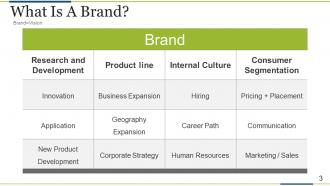
Slide 3: This slide presents What Is A Brand with the following points- Product line: Corporate Strategy, Geography Expansion, Business Expansion, Consumer Segmentation: Pricing + Placement, Communication, Marketing / Sales, Internal Culture: Hiring, Career Path, Human Resources. Research and Development: New Product Development, Application, Innovation.
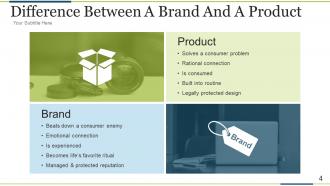
Slide 4: This slide presents Difference Between A Brand And A Product. PRODUCT Solves A Consumer Problem, Rational Connection, Is Consumed, Built Into Routine, Legally Protected Design. BRAND Beats Down A Consumer Enemy, Emotional Connection, Is Experienced, Becomes Life’s Favorite Ritual, Managed & Protected Reputation.
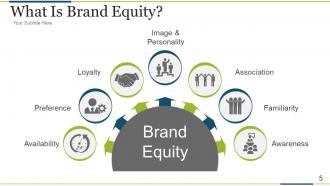
Slide 5: This slide displays What Is Brand Equity with the following points- Availability, Association, Preference, Familiarity, Loyalty, Awareness, Image & Personality, Brand Equity.
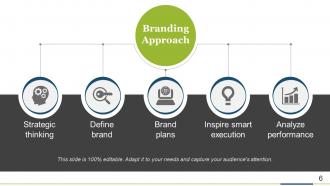
Slide 6: This slide presents the Branding Approach with the following points- Strategic Thinking, Brand Plans, Inspire Smart Execution, Define Brand, Analyze Performance.
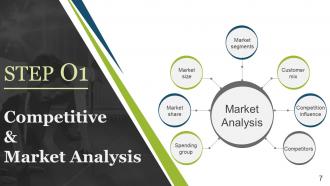
Slide 7: This slide presents Competitive and Market Analysis with- Market Size, Market Segments, Customer Mix, Competition Influence, Competitors, Spending Group, Market Share.
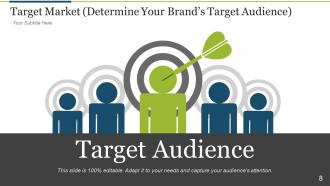
Slide 8: This slide showcases Target Market (Determine Your Brand's Target Audience). State these aspects here.
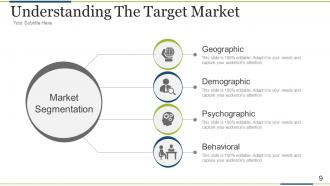
Slide 9: This slide displays Understanding The Target Market as per the following- Behavioral Demographic Diversification Market Penetration. State market segmentation on the basis of these parameters.
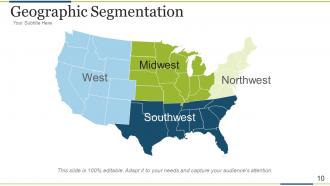
Slide 10: This slide showcases Geographic Segmentation in US map image form to mark.
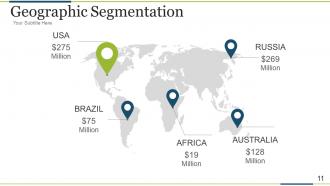
Slide 11: This slide showcases Geographic Segmentation in world map image form to mark.
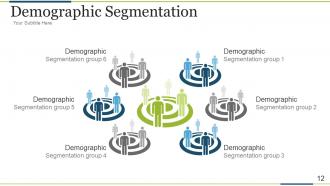
Slide 12: This slide showcases Demographic Segmentation in human image form to mark.
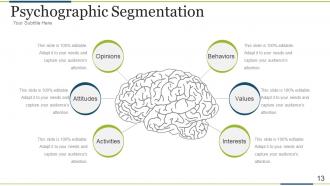
Slide 13: This slide showcases Psychographic Segmentation in brain image form to mark. Attitudes, Activities, Opinions, Behaviors, Values, Interests.
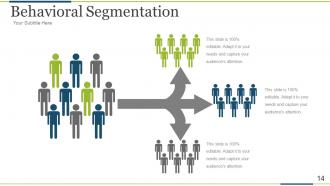
Slide 14: This slide showcases Behavioral Segmentation in human image form to present.
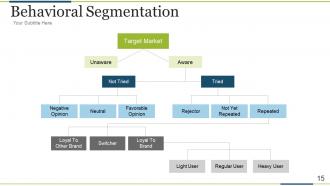
Slide 15: This slide showcases Behavioral Segmentation in hierachy form to present.
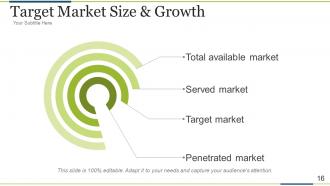
Slide 16: This slide showcases Target Market Size & Growth comprising of- Total Available Market (Tam), Target Market , Your Market Share, Serviceable Available Market (Sam).
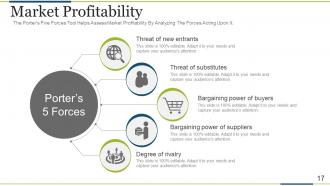
Slide 17: This slide presents Market Profitability. The Porter's Five Forces Tool Helps Assess Market Profitability By Analysing The Forces Acting Upon It. The points included are- Threat Of Substitutes Bargaining Power Of Buyers Bargaining Power Of Suppliers Degree Of Rivalry Threat Of New Entrants as Porter’s 5 Forces.
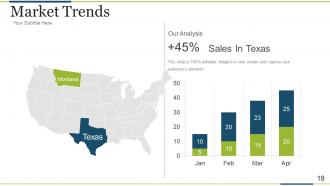
Slide 18: This slide presents Market Trends with US map and a bar graph.
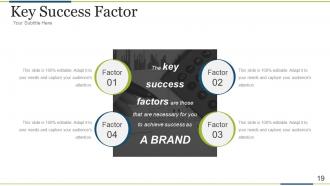
Slide 19: This slide presents Key Success Factors for branding. State them here.
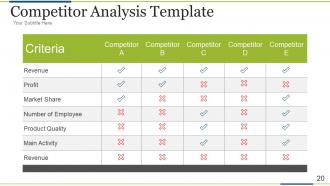
Slide 20: This slide presents a Competitor Analysis Template.
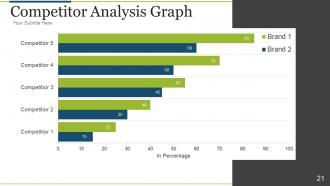
Slide 21: This slide presents a Competitor Analysis Graph.
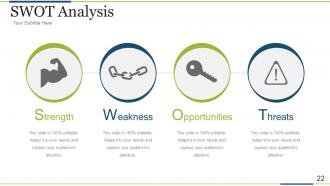
Slide 22: This slide presents a SWOT Analysis.
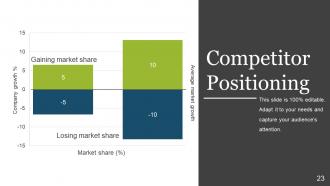
Slide 23: This slide showcases Competitor Positioning displaying- Average Market Growth, Company Growth (%), Gaining Market Share, Losing Market Share.
Slide 24: This slide is titled The Building Blocks of Brand Architecture. You may change the slide content as per need.
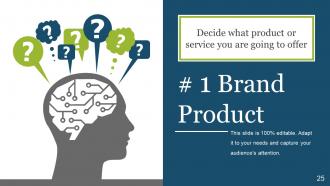
Slide 25: This slide presents # 1 Brand Product. Decide What Product Or Service You Are Going To Offer.
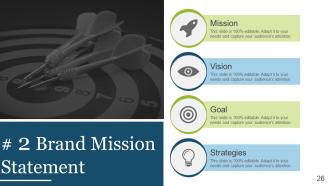
Slide 26: This slide displays Brand Mission Statement with Vision, Goal and Strategies . State it here.
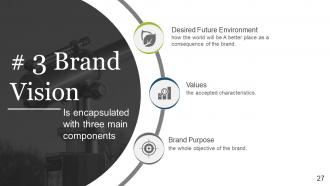
Slide 27: This slide displays Brand Vision Statement comprising of Values, Brand Purpose and Desired Future Environment as examples. State it in details here.
Slide 28: This slide showcases Brand Positioning Matrix showing- How The Brand Makes Me Look, What The Product Does For Me, How The Brand Makes Me Feel, How I Would Describe The Product, Brand Personality, Symbols, Facts.
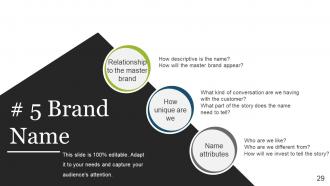
Slide 29: This slide showcases Brand Name with the following points- Relationship To The Master Brand, Name Attributes, How Unique Are We, How Descriptive Is The Name? How Will The Master Brand Appear? Who Are We Like? Who Are We Different From? How Will We Invest To Tell The Story? What Kind Of Conversation Are We Having With The Customer? What Part Of The Story Does The Name Need To Tell?
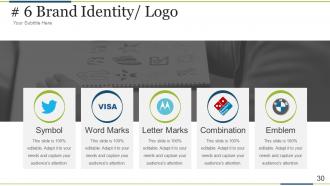
Slide 30: This slide showcases Brand Identity/Logo. What Type Of Logo Will You Have? State in terms of- Symbol, Emblem, Combination, Letter/Word Marks etc. here
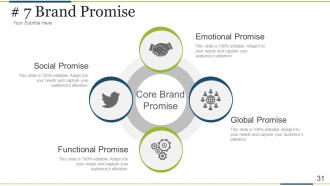
Slide 31: This slide shows Brand Promise comprising of- Emotional Promise, Functional Promise, Social Promise, Global Promise, Core Brand Promise.
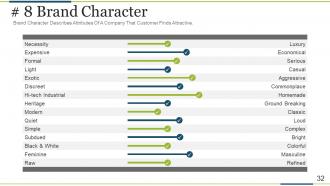
Slide 32: This slide showcases Brand Character with the following points- Necessity, Expensive, Formal, Light, Exotic, Discreet, Hi-tech Industrial, Heritage, Modern, Quiet, Simple, Subdued, Black & White, Feminine, Raw, Luxury, Economical, Serious, Casual, Aggressive, Commonplace, Homemade, Ground Breaking, Classic, Loud, Complex, Bright, Colourful, Masculine, Refined. State these aspects in order of importance here.
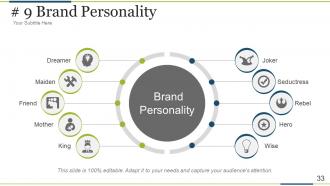
Slide 33: This slide showcases Brand Personality. State what does your brand stand for, what is its personality as a product here.
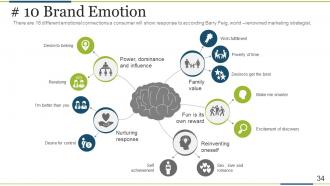
Slide 34: This slide shows Brand Emotion. There Are 16 Different Emotional Connections to which a consumer will show response. The listed ones are- Desire For Control, Family Value, Self Achievement, Desire To Belong, Desire To Get The Best, Revaluing, Fun Is Its Own Reward, Make Me Smarter, I’m Better Than You, Wish-fulfillment, Reinventing Oneself, Sex,love And Romance, Excitement Of Discovery, Nurturing Response, Poverty Of Time, Power, Dominance And Influence.
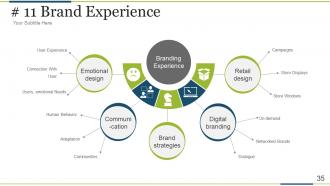
Slide 35: This slide showcases Brand Experience. The BRANDING EXPERIENCE constitutes of- Communication, Empathetic/Emotional Design, Brand Strategies, Retail Design, Digital Branding, Empowered Consumers, On-demand, Brands Personal Brands, Networked Brands, Dialogue, 24/7 feedback,input Focused, Transparent Communication, User Experience, User-centered Design, Connection With User, Users, emotional Needs, Local Lifestyle, Communities, Identities, Human Behavior, Adaptation, Cultural Differences, Goal, Consumer Behavior, Campaigns, Store Displays, Visual Merchandising, Store Windows, Interior Design, Products, Prices.
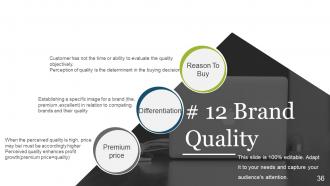
Slide 36: This slide presents Brand Quality. State its quality aspects in terms of- Reason To Buy, Differentiation/Positioning, Premium Price.
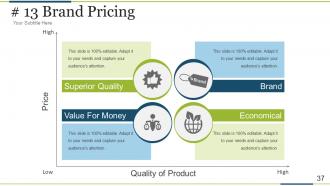
Slide 37: This slide shows Brand Pricing matrix with the following points- Superior Quality, Brand, Economical, and Value For Money in terms of High and Low.
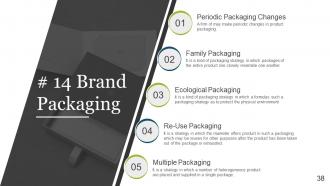
Slide 38: This slide showcases Brand Packaging with the following points- Strategy Policies And Strategic, Family Packaging, Ecological Packaging, Re-Use Packaging, Multiple Packaging, Brand Packaging.
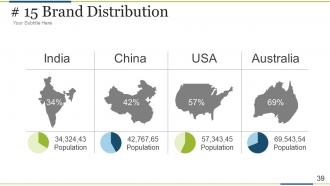
Slide 39: This slide shows Brand Distribution to present globally on a worldmap broken into continents.
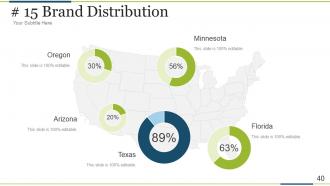
Slide 40: This slide shows Brand Distribution to present wholly on a US map.
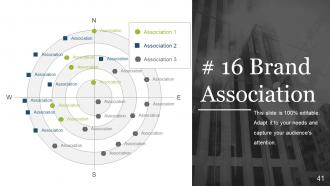
Slide 41: This slide displays Brand Association. State these aspects here.
Slide 42: This slide is titled The Big Idea. You may change the slide content as per need.
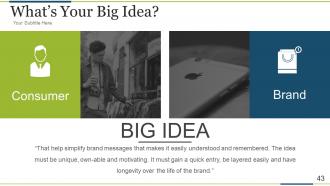
Slide 43: This slide showcases What's Your Big Idea. State in terms of Brand and Consumer the idea behind your product/branding.
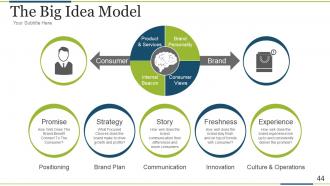
Slide 44: This slide showcases The Big Idea Model with the following points- The Brand, The Consumer, Brand, Personality, Product & Services, Consumer, Views, Internal, Beacon, Big Idea, Positioning, Brand Plan, Communication, Innovation, Culture & Operations, Promise, Strategy, Story, Freshness, Experience.
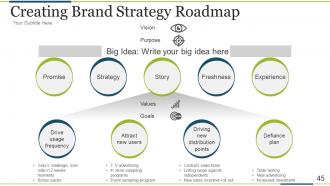
Slide 45: This slide presents Creating Brand Strategy Roadmap with- Values, Goals, Vision, Purpose, Big Idea, Promise, Strategy, Story, Freshness, Experience, Drive Usage Frequency, Attract New Users, Driving new Distribution Points, Defiance Plan.
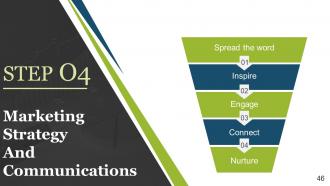
Slide 46: This slide is titled Marketing Strategy and Communications with Spread The Word, Inspire, Engage, Connect, Nurture. You may change the slide content as per need.
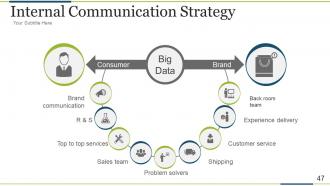
Slide 47: This slide presents Internal Communication Strategy with- R & S, Top to Top Services, Sales Team, Problem Solvers, Shipping, Customer Service, Experience Delivery, Back Room Team, Brand, Consumer.
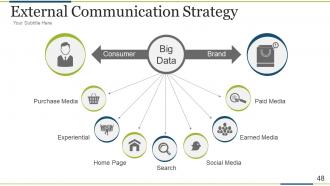
Slide 48: This slide presents External Communication Strategy with- Paid Media, Earned Media, Social Media, Search, Home Page, Experiential, Purchase Media, Brand, Consumer.
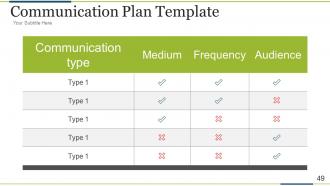
Slide 49: This slide showcases a Communication Plan Template.
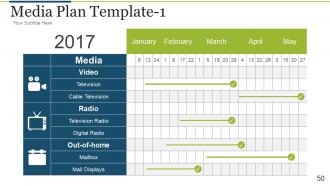
Slide 50: This slide showcases a Media Plan Template.
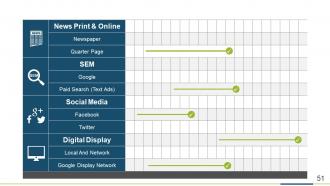
Slide 51: This slide also showcases a Media Plan Template.
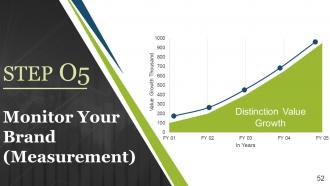
Slide 52: This slide is titled Monitor Your Brand (MEASUREMENT). Show Distribution Value Growth graphically here.
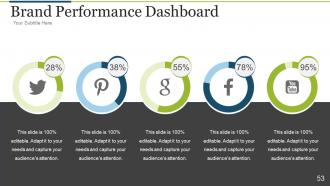
Slide 53: This slide displays Brand Performance Dashboard. State performance aspects here.
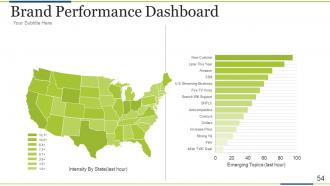
Slide 54: This slide shows Brand Performance Dashboard in bar graph form with US Map.
Slide 55: This slide showcases Brand Mentions of the product/brand. The platforms listed are- News, Comments, Blogs, Facebook, Twitter.
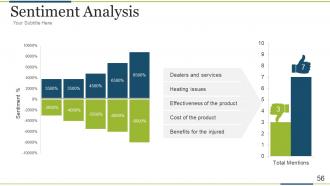
Slide 56: This slide presents Sentiment Analysis displaying- Benefits For The Injured, Cost of the product, Effectiveness of the product, Heating Issues, Dealers And Services, Sentiment %.
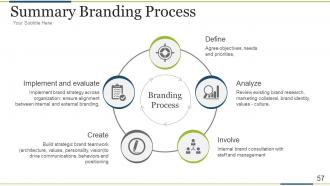
Slide 57: This slide showcases Summary Branding Process in terms of- Define, Analyse, Involve, Create, Implement And Evaluate.
Slide 58: This is Brand Development Process Icons Set. Use the icons as per need.
Slide 59: This is Brand Development Process Icons Set. Use the icons as per need.
Slide 60: This slide is titled Additional slides. You can change the slide content as per need.
Slide 61: This is Our Mission slide. State its aspects etc. here.
Slide 62: This is an About Us slide. State company/team specifications here.
Slide 63: This is Our Team slide with name, designation and image box to go with.
Slide 64: This is Our Goal slide. State your goals here.
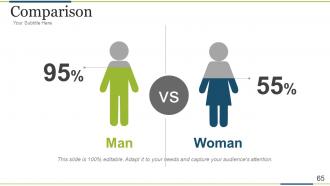
Slide 65: This slide shows Comparison of two entities in creative imagery form. State comparison specifications etc. here.
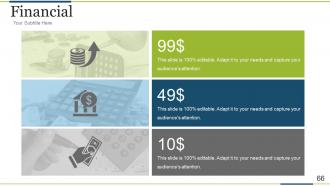
Slide 66: This slide presents Financial scores to display.
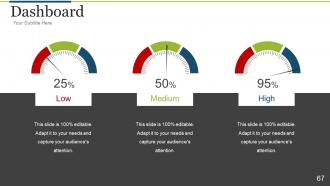
Slide 67: This is a Dashboard slide to state metrics, kpis etc.
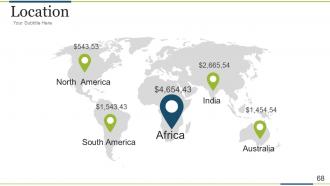
Slide 68: This is Location slide of world map image to show global growth, presence etc.
Slide 69: This slide presents a Timeline to show growth, milestones, journey, evolution etc.
Slide 70: This slide presents a Timeline to show growth, milestones, journey, evolution etc.
Slide 71: This is a Post It Notes slide to flash company event, news or anything to highlight.
Slide 72: This is a News Paper image slide to show events, news etc. Adapt it to your needs and change the slide content.
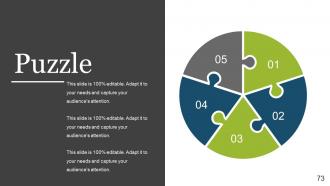
Slide 73: This is a Puzzle image slide to state information, specifications etc.
Slide 74: This is Our Target slide. State them here.
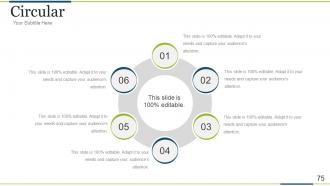
Slide 75: This is a Circular image slide to present information, specifications etc.
Slide 76: This is a Venn diagram image slide to present information, specifications etc.
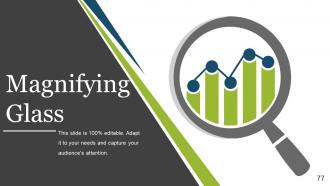
Slide 77: This is a Magnifying Glass image slide to showcase information, specifications etc.
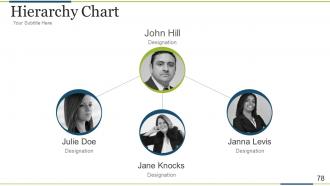
Slide 78: This is a Hierarchy Chart slide to show team information, organizational specifications etc.
Slide 79: This is a Contact Us slide with Address# street number, city, state, Contact Numbers, Email Address.
Slide 80: This is a Thank You slide for acknowledgement.
Brand development process powerpoint presentation slides with all 80 slides:
Cast the bait with our Brand Development Process Powerpoint Presentation Slides. Increase your chances of hooking the big fish.








FAQs for Brand development process
Research and discovery first - know your market, competitors, and who you're actually talking to. Define your brand's purpose and what makes you different (sounds fluffy but trust me, it matters). Then build your positioning and messaging framework. This becomes the foundation for visuals, voice, everything else that follows. Don't let stakeholders rush you into logos and colors yet - I know they will though, they always do. Take time with this phase even when people are breathing down your neck. The abstract stuff pays off later when you're not scrambling to figure out what you actually stand for.
Honestly, you need that data to figure out where your brand actually fits - not just where you *think* it should go. Customer interviews and competitive analysis are game changers here. They'll show you market gaps, what your competitors are already claiming, and what people genuinely care about. I've watched so many brands just wing it based on hunches and totally bomb. The research tells you which benefits to highlight and how to stand out for real. Those two things alone will completely flip how you see your positioning.
Okay so customer personas are like your compass for building a brand. They stop you from guessing what people want. You'll use them for everything - your voice, messaging, visuals, where you post. Think about it: you wouldn't pitch a CEO the same way you'd talk to some college kid, right? Honestly, most brands skip this step and wonder why nothing lands. Create 2-3 solid personas before you touch anything else. Trust me, it beats making random decisions that could mess up your whole thing. They keep you focused on real people instead of this vague "target audience" nonsense.
So mission is basically the "why" - what problem you're actually solving for people. Vision's more like your big dreams for where you'll be in 5-10 years. Honestly, I'd tackle mission first because it's way easier to figure out. What gets you fired up about this business besides just making bank? (Though obviously that's important too lol). Vision's trickier - picture your company down the road and what kind of impact you want to make. Just don't make either statement so vague that your team can't use them when they're making real decisions.
Look, authenticity is everything here. Don't try to sound perfect - that's just boring honestly. Start with your "why" in one sentence, then build from there. What problem are you actually solving? Share the messy parts too - struggles you've faced, lessons that hurt to learn, whatever got you passionate about this thing. People connect with real human stories, not polished corporate speak. Oh and make sure it's consistent everywhere - your website, social media, all that stuff. The best test? If your customers can easily retell your story to their friends, you've nailed it.
Your visuals hit people before they even process what you're selling. Colors, fonts, logo - they're all making snap judgments for you. You know how you size up a restaurant just from their menu design? Same thing happens with your brand. Professional, consistent design builds trust instantly. Messy or amateur-looking stuff? People start doubting you can deliver. I've seen businesses completely flip their reputation just by switching from comic sans to something cleaner (okay, maybe not comic sans, but you get it). The tricky part is your current visuals might be saying something totally different than what you think they are.
Okay so first thing - make a brand style guide. I know, I know, sounds super tedious but it'll save your sanity later. Document everything: colors, fonts, how you write captions, logo stuff. Once you've got that, actually stick to it! Anyone posting for you needs to see this guide. Think of each platform like different rooms in your house - maybe the kitchen's more casual than the living room, but it's still obviously YOUR house, you know? Do a quick audit of what you have now and see where things look weird or off. Regular check-ins help catch inconsistencies before they get out of hand.
Start tracking everything from day one - baseline surveys for brand recognition, then keep measuring share of voice, social mentions, website traffic. Brand equity is honestly more art than science (super frustrating but true). Focus on perception surveys and net promoter scores. Google Trends is your friend here, plus social listening tools give you real-time data. The trick is measuring the same stuff regularly so you can spot trends. Oh, and set up your measurement framework before launching anything - learned that the hard way. Otherwise you're just guessing.
Okay so your UVP is basically why people should pick you over everyone else. Without one, you're stuck competing on price - and trust me, that's a nightmare you don't want. I mean, someone can always undercut you, right? What you do better than anyone becomes the foundation for everything else. Your messaging, positioning, product choices - it all flows from that one thing that makes you different. Pretty much your North Star for decisions. Start by figuring out your actual superpower, then build around it. Short sentences work too.
Honestly, customer feedback is like having a GPS for your brand - tells you when you're headed in the right direction or totally off track. I'd set up surveys, stalk your social comments (in a good way lol), maybe do some focus groups. The brutal feedback usually hurts the most but teaches you the most too. Don't just collect it though - actually do something with what people tell you. Monthly check-ins work better than waiting forever then scrambling to fix everything at once. Oh, and those random customer conversations? Pure gold for spotting what's really going on versus what you think is happening.
Don't rush it without doing your homework first - that's huge. Also avoid trying to please everyone because you'll end up being bland and forgettable. Way too many brands I've seen keep changing their messaging since they never figured out who they actually are. Copying competitors too much is another trap that makes you invisible. Oh and definitely do that trademark search early (learned that one the hard way). Really dig into understanding your audience first. Figure out what makes you different, then create guidelines your team can actually stick to without overthinking it.
Honestly, partnerships are one of the smartest moves you can make. You get to tap into someone else's audience while they tap into yours - win-win situation. The trick is finding brands that share your values but maybe hit a slightly different crowd than you do. That way you're expanding without confusing your message. Co-created stuff always seems to get way more attention too, probably because people love seeing their favorite brands team up. I'd start by looking at who your audience already follows and trusts, then brainstorm some collaboration ideas that benefit both sides.
Honestly, start with Asana or Monday for project management - total game changer. Figma's great for design stuff, way better than trying to email files back and forth. You'll need somewhere to store all your brand assets too, so Google Drive works if you actually organize your folders (I'm terrible at this lol). Buffer saves me hours on social posting, and you can track everything with basic analytics tools. Oh, and SEMrush is solid for seeing what competitors are up to. Just grab the free versions first though - no point paying until you know what actually works for you.
Honestly, yeah you need to keep up or you'll get crushed. Markets change so fast now - what worked last year might be totally dead today. But here's the thing - don't just copy whatever's trending on social media because it looks cool. That's how brands lose their identity completely. Focus on trends that actually make sense for your audience and values. I always tell people to watch their industry closely, but ask yourself: will this genuinely help my customers, or am I just being a copycat? Smart evolution beats random pivoting every time.
So here's the thing - people don't really care what you sell, they care WHY you're selling it. Tell stories about your brand's purpose and let customers share their own experiences too. Consistent visuals help a ton (same colors, fonts, all that). Honestly? The brands I love most aren't afraid to mess up sometimes and actually own it. That vulnerability thing works. Pick one emotion you want people to feel about your brand, then check if everything you do - your website, emails, whatever - actually creates that feeling. It's pretty straightforward once you think about it that way.
-
Awesome presentation, really professional and easy to edit.
-
Topic best represented with attractive design.