Retail enterprise organizational chart retail store positioning and marketing strategies ppt formats
Try Before you Buy Download Free Sample Product
Audience
Editable
of Time
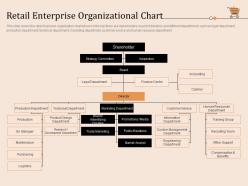
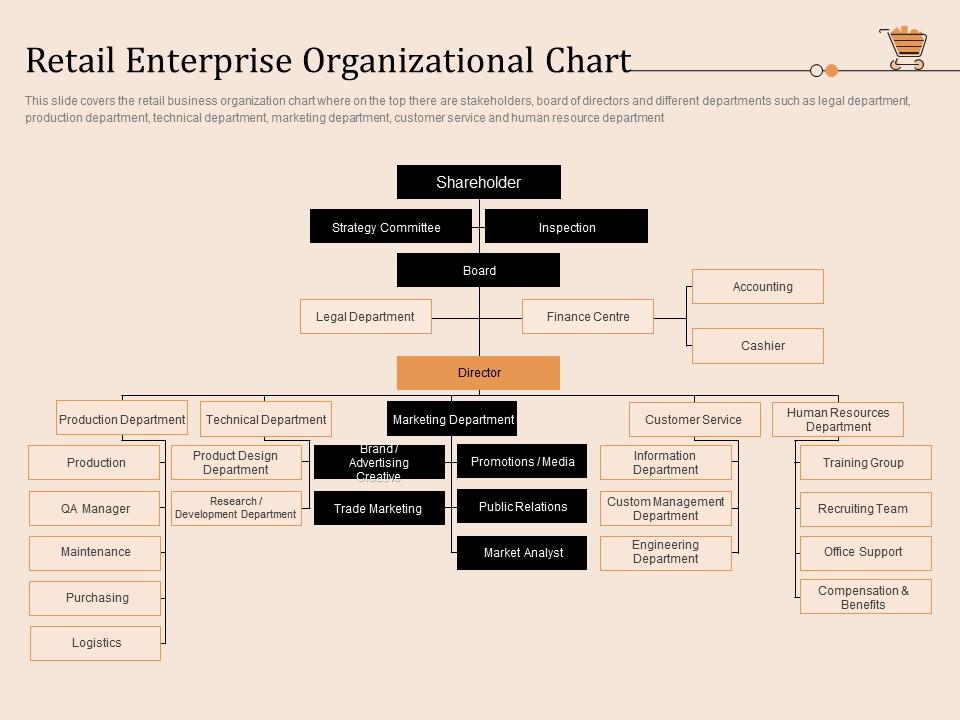
This slide covers the retail business organization chart where on the top there are stakeholders, board of directors and different departments such as legal department, production department, technical department, marketing department, customer service and human resource department
People who downloaded this PowerPoint presentation also viewed the following :
Retail enterprise organizational chart retail store positioning and marketing strategies ppt formats with all 2 slides:
Use our Retail Enterprise Organizational Chart Retail Store Positioning And Marketing Strategies Ppt Formats to effectively help you save your valuable time. They are readymade to fit into any presentation structure.
FAQs for Retail enterprise organizational chart retail store positioning and marketing
Honestly, personalized emails are crushing it right now - way better ROI than most people realize. Retargeting ads work crazy well for cart abandoners too. If your crowd's younger, Instagram and TikTok shopping are must-haves, but Google Shopping still converts like mad. Mobile checkout's probably your biggest win though - seriously, audit that flow first before you blow budget elsewhere. User-generated content builds trust faster than anything we tried last year. Social commerce is huge now, people buy straight from posts. The whole thing's about removing friction so customers don't bounce between discovery and purchase.
Honestly, just focus on real content first - customer pics using your stuff, behind-the-scenes moments, that kind of thing. Instagram Stories and TikTok are perfect for this. Target ads at people who've already checked out your site (way better conversion rates). Don't forget Instagram Shopping either - lets people buy straight from your posts which is pretty neat. Reviews are everything though, so push for those and share the good ones. Pick one platform and actually get good at it before jumping around everywhere. Oh, and reply to comments! Sounds obvious but so many brands just... don't.
Look, loyal customers are basically your best investment - they drop 67% more cash than newbies and don't require expensive marketing to stick around. Here's what actually works: personalized stuff (birthday discounts, remembering they hate pickles), rewards that feel exclusive but aren't impossible to reach, and - this one's huge - actually fixing their problems when they complain. Most businesses mess this up by focusing only on transactions. You need emotional connection too. Map out where customers interact with you and pick three spots to surprise them. Could be a handwritten note, early access to sales, whatever. The goal is making them feel like VIPs without breaking your budget.
So basically, it all comes down to who's buying and how they think about money. B2B buyers are using company budgets, so they need logical stuff - ROI numbers, case studies, all that boring but necessary proof. Takes forever too, like months sometimes. B2C is totally different though - people spend their own cash on impulse and emotion. You'll see way shorter sales cycles, sometimes literally minutes. Your messaging has to match this vibe. Business buyers want detailed specs and data, while consumers respond better to social proof and how something makes them feel. Honestly, just figure out whose wallet you're targeting first - personal or corporate - and build from there.
Honestly, just dive into your data - POS systems, website clicks, social stuff. Track what customers are actually buying and when. Basic segmentation alone is a game changer, trust me. Instead of guessing what people want, you'll know. Perfect for timing emails better or figuring out which products to stock up on. I'd start super simple though - maybe just focus on email open rates first? Once you get the hang of it, you can get fancy with personalized recommendations and all that. Way better than flying blind with your marketing budget.
Ugh, inconsistent experiences are the worst - like when you can't return something you bought online at their actual store. So annoying. Make sure everything matches up: your website, app, physical locations, all of it. Same prices, same branding, same messaging everywhere. Your inventory systems need to actually talk to each other too, otherwise you can't do stuff like buy-online-pickup-in-store. I'd start by just looking at all your touchpoints and figuring out where the biggest disconnects are. Oh, and definitely track how customers move between channels - you'll learn so much about their actual shopping patterns.
Make your store feel like the same brand customers know online - same colors, messaging, all that. QR codes are clutch for letting people check reviews or specs while they're browsing. Staff should definitely know about current online deals too, otherwise it gets weird and disconnected. Good lighting and displays that look Instagram-ready help a ton. Honestly, I've walked into stores that felt like completely different companies from their websites - super confusing. Oh, and make sure whatever's featured online is actually available in-store. Nothing kills the vibe like hunting for something you saw on their site but can't find anywhere.
Dude, seasonal promotions are literally what make or break retail businesses. Some stores pull in like 40% of their yearly revenue just between November and December - it's wild. You've got to start planning months ahead though, which honestly feels excessive but makes sense when you think about inventory and marketing coordination. Back-to-school, holidays, summer sales - these periods create huge engagement spikes. The trick is getting people hyped early but not peaking too soon with your main push. Map out your calendar now and work backwards from those key dates. Trust me on this one.
Honestly, start with the data you already have - purchase history, website stuff, customer surveys. Social media analytics are huge for this too. Figure out who's actually buying what, then create campaigns that hit each group where they hang out. Like, a 25-year-old isn't shopping the same way as someone in their 50s, right? Personalize your emails, switch up social content, maybe even tweak store displays based on your local crowd. I'd say the biggest thing is actually testing everything and tracking what drives real sales, not just likes and shares.
Honestly, product demos are where it's at - people need to see stuff working before they'll buy. Customer posts and reviews? Pure gold. Way more trustworthy than anything you could say about your own products. I'd definitely throw in some behind-the-scenes content too, like how things get made or just your team being normal humans. Seasonal styling tips always do well because they're actually useful right now. Problem-solving posts are solid too - address the stuff customers always ask about. Oh, and track your saves and shares religiously. That data tells you exactly what people actually want more of.
Hey! So micro-influencers are where it's at - like 10K-100K followers. Their engagement is usually way better than the mega celebrities, plus they don't cost a fortune. I'd honestly go with 5-6 smaller ones instead of blowing your budget on one big name. Let them do their thing creatively though, don't be super controlling about it. Oh and definitely use unique discount codes or affiliate links so you can actually see what's working. The authentic stuff always performs better than those obvious sponsored posts that feel fake.
Look, transparency with pricing is huge - don't hide fees or use shady promo tactics. Protect customer data privacy and avoid targeting people's insecurities, which honestly feels gross anyway. Your ads can't discriminate against protected groups, and whatever you claim better be true. The whole landscape is shifting because people are catching onto BS marketing faster now. I'd audit your current stuff and think "would I cringe if this showed up in the news?" Focus on actually helping people instead of tricking them into buying. Way better long-term strategy.
Honestly, the easiest place to start is with email - just use their purchase history to send stuff they'd actually want. I've seen it work really well. Track what people buy and browse, then customize everything around that data. Your website recommendations, loyalty perks, even just using their name in emails (sounds basic but people eat that up). Surveys help too if you can get customers to fill them out. The whole point is making each person feel like you're talking directly to them, not sending the same generic message to everyone.
Honestly, experiential stuff is where it's at right now - pop-ups, interactive displays, anything that gets people actually doing something in your store. You can shop straight from Instagram and TikTok now too, which is wild. Personalization has gotten insane with AI basically reading customers' minds for product recs and emails. I'm way more into micro-influencers than celebrities these days though - feels less fake, you know? Oh, and don't just copy what everyone else is doing. Pick what actually makes sense for your specific audience or you'll just waste money.
Look, cross-promotions are basically the buddy system for marketing. You get access to their customers, they get yours. Smart brands do this because you can split campaign costs and reach people who already trust your partner - way easier than starting from scratch with cold audiences. Find companies your customers already love but that don't compete directly with you. Oh, and when you reach out, come with actual ideas, not some generic "let's partner up" message. Nobody has time for that. The whole thing works best when you can create offers together that neither of you could pull off alone.
-
Designs have enough space to add content.
-
Unique design & color.