

Retail sector overview powerpoint presentation slides




Try Before you Buy Download Free Sample Product
 Impress Your
 Audience
 100%
100% Editable
 Save Hours
 of Time


Our Retail Sector Overview Powerpoint Presentation Slides are topically designed to provide an attractive backdrop to any subject. Use them to look like a presentation pro.
People who downloaded this PowerPoint presentation also viewed the following :
Content of this Powerpoint Presentation
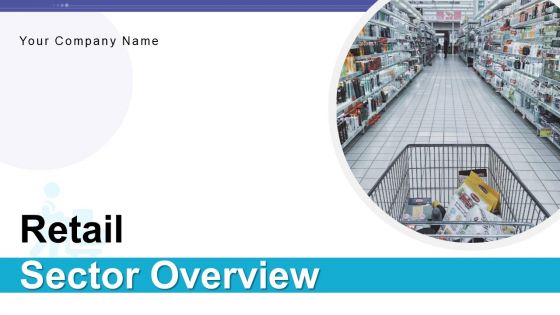
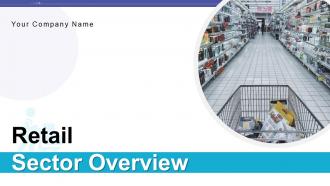
Slide 1: This is the cover slide of Retail Sector Overview PowerPoint Presentation.
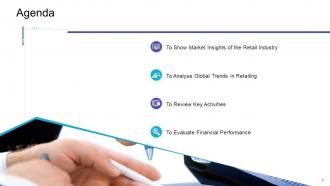
Slide 2: This is the Agenda slide of Retail Sector Overview PowerPoint Presentation.
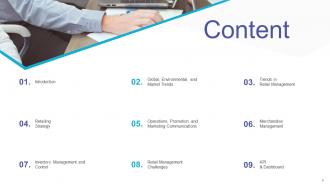
Slide 3: This is the Table of Contents slide that lists out all the essential elements covered in the deck.
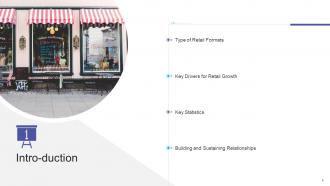
Slide 4: This is the Intro-duction slide that provides an overview of the retail sector.
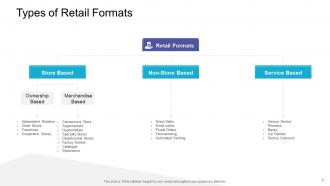
Slide 5: This slide talks about Types of Retail Formats.
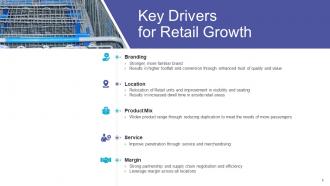
Slide 6: This slide talks about Key Drivers for Retail Growth.
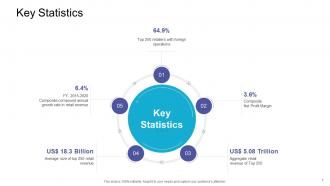
Slide 7: This slide presents Key Statistics related to retail sector.
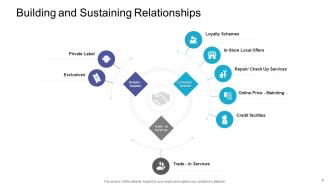
Slide 8: This slide talks about Building and Sustaining Relationships.
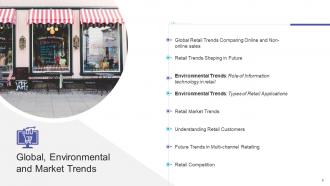
Slide 9: This slide presents Global Retail Trends Comparing Online and Non-online sales.
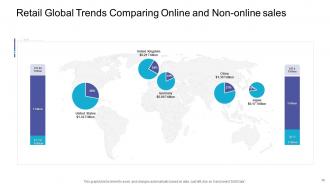
Slide 10: This slide presents Retail Global Trends Comparing Online and Non-online sales.
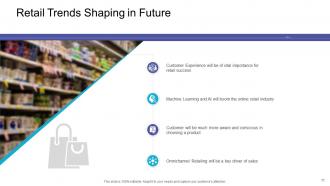
Slide 11: This slide talks about Retail Trends Shaping in Future.
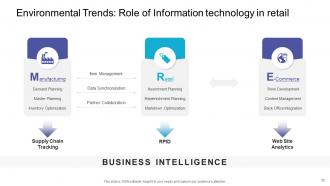
Slide 12: This slide talks about Environmental Trends: Role of Information technology in retail.
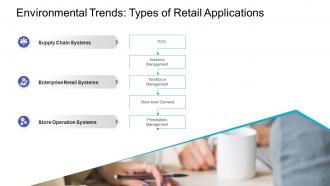
Slide 13: This slide talks about Environmental Trends: Types of Retail Applications.
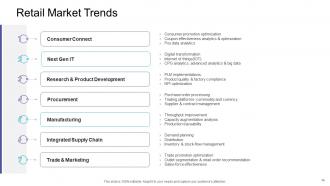
Slide 14: This slide talks about Retail Market Trends.
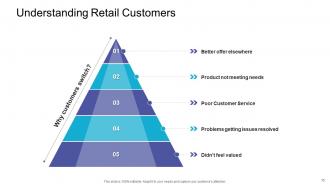
Slide 15: This slide talks about Understanding Retail Customers.
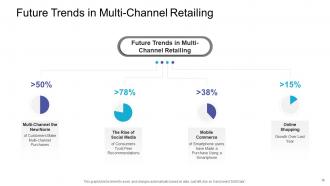
Slide 16: This slide talks about Future Trends in Multi-Channel Retailing.
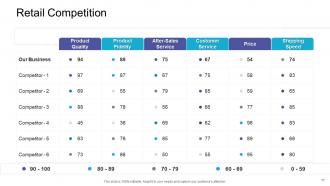
Slide 17: This slide presents Retail Competition.
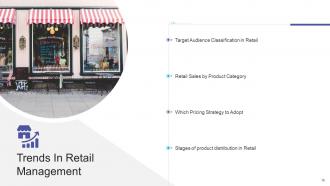
Slide 18: This slide presents Trends In Retail Management.
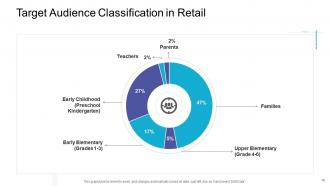
Slide 19: This slide talks about Target Audience Classification in Retail.
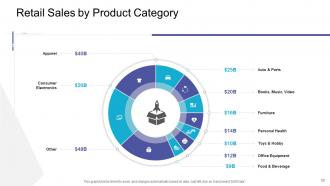
Slide 20: This slide presents Retail Sales by Product Category.
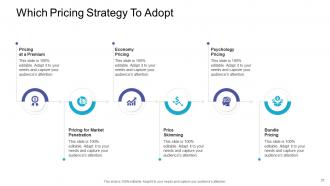
Slide 21: This slide presents Which Pricing Strategy To Adopt.
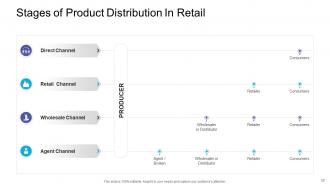
Slide 22: This slide presents Stages of Product Distribution In Retail.
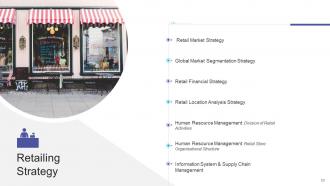
Slide 23: This slide presents Retailing Strategy.
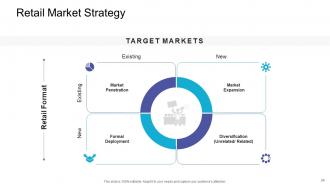
Slide 24: This slide presents Retail Market Strategy.
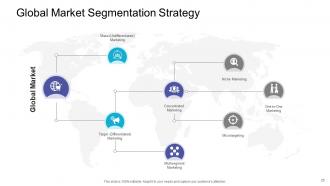
Slide 25: This slide presents Global Market Segmentation Strategy.
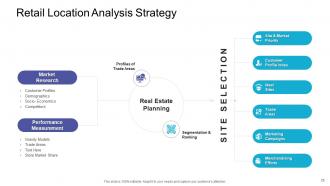
Slide 26: This slide presents Retail Location Analysis Strategy.
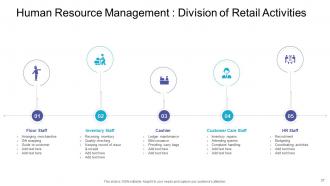
Slide 27: This slide presents Human Resource Management : Division of Retail Activities.
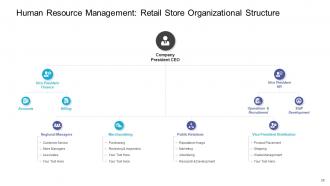
Slide 28: This slide presents Human Resource Management: Retail Store Organizational Structure.
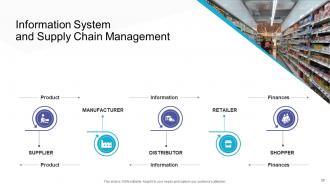
Slide 29: This slide Information System and Supply Chain Management
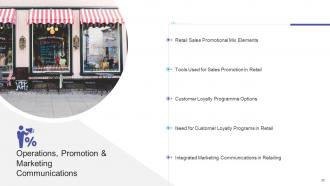
Slide 30: This slide presents Operations, Promotion & Marketing Communications.
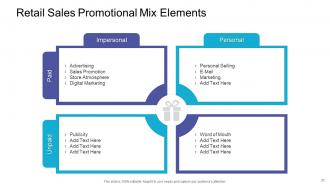
Slide 31: This slide presents Retail Sales Promotional Mix Elements.
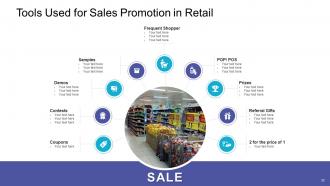
Slide 32: This slide presents tools used for sales promotion in retail.
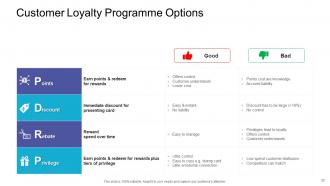
Slide 33: This slide presents Customer Loyalty Programme Options.
Slide 34: This slide presents Need for Customer Loyalty Programs in Retail.
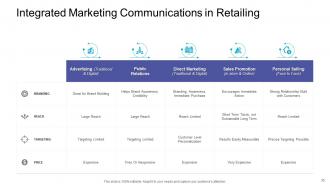
Slide 35: This slide presents Integrated Marketing Communications in Retailing.
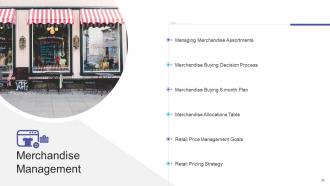
Slide 36: This slide presents Merchandise Management.
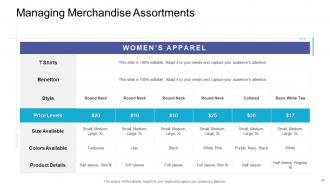
Slide 37: This slide presents Managing Merchandise Assortments.
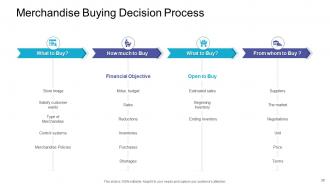
Slide 38: This slide presents Merchandise Buying Decision Process.
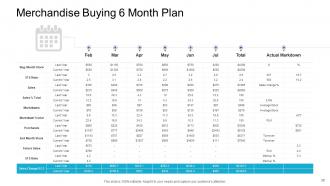
Slide 39: This slide presents Merchandise Buying 6 Month Plan.
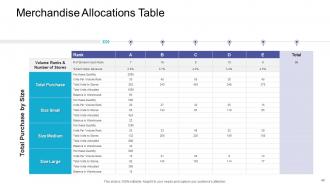
Slide 40: This slide presents Merchandise Allocations Table.
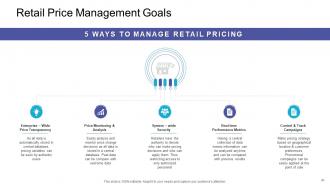
Slide 41: This slide presents Enterprise – Wide Price Transparency.
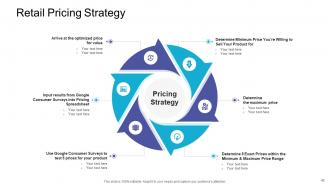
Slide 42: This slide presents Retail Pricing Strategy.
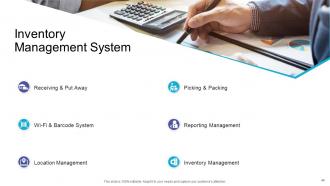
Slide 43: This slide presents Inventory Management System.
Slide 44: This slide presents Inventory Management System.
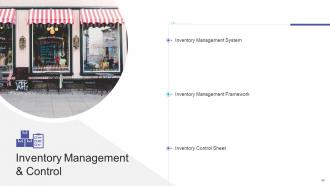
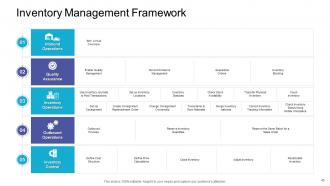
Slide 45: This slide presents Inventory Management Framework.
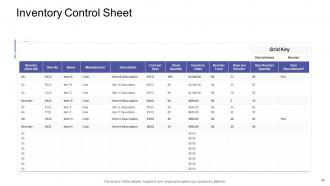
Slide 46: This slide presents Inventory Control Sheet.
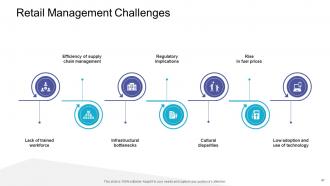
Slide 47: This slide presents Retail Management Challenges.
Slide 48: This slide presents KPI Metrics.
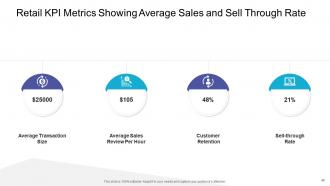
Slide 49: This slide presents Retail KPI Metrics Showing Average Sales and Sell Through Rate.
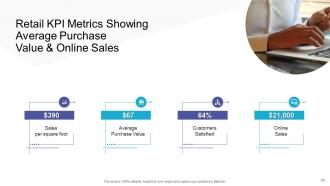
Slide 50: Thus slide presents Retail KPI Metrics Showing Average Purchase Value & Online Sales.
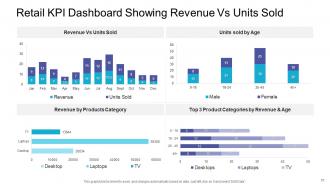
Slide 51: This slide presents Retail KPI Dashboard Showing Revenue Vs Units Sold.
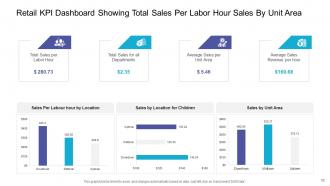
Slide 52: This Retail KPI Dashboard Showing Total Sales Per Labor Hour Sales By Unit Area.
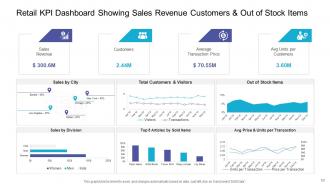
Slide 53: This slide presents Retail KPI Dashboard Showing Sales Revenue Customers & Out of Stock Items.
Slide 54: This is an Icon Slide. Use it as per your needs.
Slide 55: This is an Additional Slide.
Slide 56: This is Our Mission slide to state your mission and vision.
Slide 57: This is an About Us slide that can be used to give a brief overview of your organization.
Slide 58: This is Post It Notes slide that can be used to keep important information at one place.
Slide 59: This is a Linear Diagram slide to present different series of any event.
Slide 60: This is a Circular Diagram slide that can be used to showcase continous series of events.
Slide 61: This is a Timeline slide that can be used to present chronological sequence of events.
Slide 62: This is Our Goal slide to state your goals and aspirations.
Slide 63: This is Thank you slide for acknowledgment. You can share your contact details here.
Retail sector overview powerpoint presentation slides with all 63 slides:
Use our Retail Sector Overview Powerpoint Presentation Slides to effectively help you save your valuable time. They are readymade to fit into any presentation structure.


FAQs for Retail sector overview
Key trends shaping retail include omnichannel integration, personalized customer experiences, sustainable practices, social commerce, and AI-driven inventory management. These developments streamline operations by enhancing customer engagement, reducing waste, and optimizing supply chains, with many retailers finding that strategic combination of digital and physical touchpoints ultimately delivers competitive advantage and improved profitability.
E-commerce is reshaping traditional retail by driving digital transformation, omnichannel strategies, and enhanced customer experiences through integrated online-offline approaches. While physical stores face challenges from online competition, many retailers are leveraging stores as fulfillment centers, showrooms, and experiential spaces, ultimately creating hybrid models that deliver convenience and personalized service.
Customer experience serves as the primary differentiator in retail success, directly influencing brand loyalty, purchase decisions, repeat business, and word-of-mouth marketing. Through personalized service, seamless omnichannel interactions, and responsive customer support, retailers like Amazon and Nordstrom build competitive advantages that drive higher conversion rates, increased average transaction values, and ultimately sustainable revenue growth.
Retailers leverage technology through AI-powered inventory management, omnichannel platforms, automated checkout systems, predictive analytics, and IoT sensors for supply chain optimization. These innovations streamline operations by reducing stockouts, personalizing customer experiences, and accelerating transaction processing, with major chains finding that integrated technology solutions deliver cost reductions and competitive advantage.
Retailers are implementing omnichannel experiences, personalized marketing, flexible fulfillment options, social commerce integration, and data-driven inventory management to adapt to evolving consumer behaviors. These strategies enable seamless shopping across multiple touchpoints, faster delivery services, and targeted product recommendations, with many retail organizations finding that combining digital innovation with personalized customer experiences drives both loyalty and competitive advantage.
The pandemic accelerated digital transformation, regionalized sourcing strategies, diversified supplier networks, enhanced inventory visibility systems, and prioritized supply chain resilience over cost optimization alone. Many retailers implemented omnichannel fulfillment models, nearshoring partnerships, and real-time tracking technologies, ultimately delivering greater flexibility and customer responsiveness while reducing single-point vulnerabilities.
Small retailers face challenges including limited marketing budgets, inventory management complexities, customer acquisition costs, supply chain inefficiencies, and competing against larger chains with economies of scale. While these obstacles present significant hurdles, many small retailers are finding that strategic technology adoption, niche market focus, and enhanced customer experiences enable them to deliver personalized services and build loyal customer bases, ultimately creating sustainable competitive advantages.
Sustainability has become critically important in retail, with consumers increasingly demanding eco-friendly products, ethical sourcing, and transparent supply chains from brands. Forward-thinking retailers are discovering that sustainable practices not only reduce operational costs and regulatory risks but also enhance brand loyalty, attract environmentally conscious customers, and deliver competitive advantage in an increasingly values-driven marketplace.
**INPUT**: What are the emerging markets to watch in the retail sector? **OUTPUT**: Emerging retail markets include Southeast Asia, Latin America, Eastern Europe, India, and parts of Africa, driven by rising middle classes and digital adoption. These markets present both challenges and opportunities, with many retailers finding that strategic investment in mobile commerce, local partnerships, and supply chain infrastructure ultimately delivers competitive advantage in increasingly valuable consumer segments. [Word count: 56 words]
Data analytics and personalization are revolutionizing retail marketing by enabling targeted campaigns, predictive customer insights, and real-time behavioral tracking across multiple touchpoints. Through machine learning algorithms, retailers like Amazon and Sephora deliver customized product recommendations, dynamic pricing, and personalized shopping experiences, ultimately driving higher conversion rates and customer loyalty while significantly reducing marketing waste.
Social media platforms significantly influence retail sales through targeted advertising, influencer partnerships, social commerce features, user-generated content, and direct shopping integrations. These platforms enable retailers to reach specific demographics, showcase products authentically, and streamline purchasing processes, with many fashion and beauty brands finding that social media drives 20-30% of their online sales.
Retailers can improve inventory management through automated demand forecasting, real-time tracking systems, supplier integration platforms, ABC analysis for prioritization, and safety stock optimization. These technologies streamline operations by reducing overstock costs, minimizing stockouts, and enhancing supply chain visibility, with many retail organizations finding that strategic inventory automation ultimately delivers improved cash flow and customer satisfaction.
Seasonal trends significantly impact retail planning by driving inventory management, staffing allocation, promotional timing, and cash flow forecasting throughout the year. Retailers strategically adjust their operations through demand forecasting, supply chain optimization, and targeted marketing campaigns, with many fashion, home goods, and electronics companies finding that proactive seasonal planning delivers improved margins, reduced waste, and enhanced customer satisfaction during peak periods.
Retail ethical considerations include sustainable sourcing, fair labor practices, transparent supply chains, data privacy protection, and environmental responsibility. These practices enhance brand reputation, build customer trust, and ensure regulatory compliance, with many retailers finding that ethical operations ultimately deliver competitive advantages, stronger customer loyalty, and reduced operational risks in today's socially conscious marketplace.
The retail workforce is evolving through increased digital literacy training, hybrid skill development combining customer service with technology management, and specialized roles in e-commerce, data analytics, and omnichannel operations. Many retailers are finding that employees now require competencies in inventory management systems, customer relationship platforms, and mobile payment technologies, ultimately delivering enhanced customer experiences while streamlining operational efficiency.
-
The content is very helpful from business point of view.
-
Very unique, user-friendly presentation interface.
-
Out of the box and creative design.
-
Awesome use of colors and designs in product templates.
-
Top Quality presentations that are easily editable.
-
Innovative and Colorful designs.
-
Much better than the original! Thanks for the quick turnaround.