


Retail industry overview powerpoint presentation slides




Try Before you Buy Download Free Sample Product
 Impress Your
 Audience
 100%
100% Editable
 Save Hours
 of Time


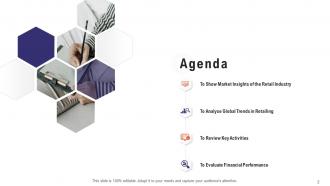
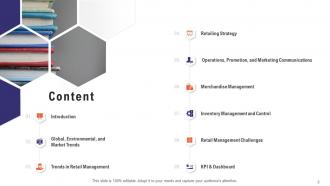
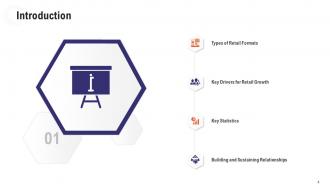
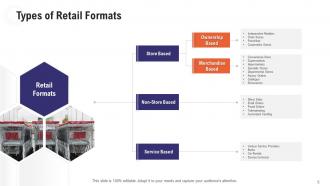
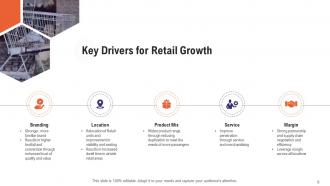
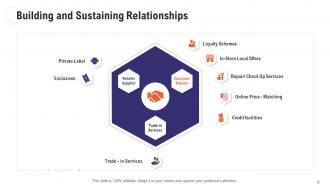
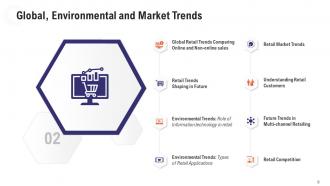
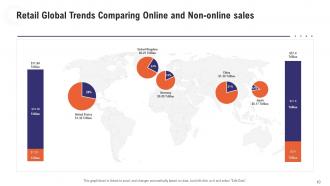
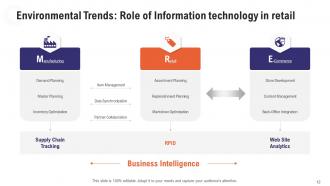
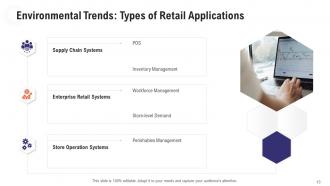
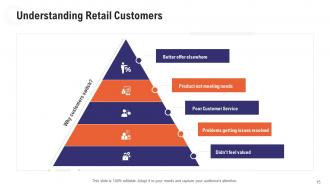
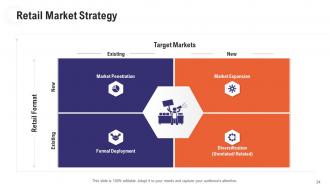
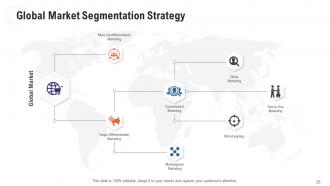
Pick our Retail Industry Overview PowerPoint Presentation Slides to give a clear account of your business operations. Select our company overview PPT templates that allow you to provide an insight into the target market for the audience. Elaborate on the type of retail formats that are store-based, non-store-based, and service-based by taking the aid of these business strategy PPT slides. Mention the key drivers for commercial growth like branding, positioning, leverage margin, and merchandising through this retail sector PPT slideshow. You can discuss the ways of building and sustaining relationships with the assistance of these supply chain vendor PPT layouts. Create a roadmap for customer retention, satisfaction, and engagement with your organization by taking advantage of this retailing sector PPT presentation. Employ these trading industry PPT graphics to compare and contrast the global online and offline sales data in an organized manner. With these goods and services PPT visuals, you can illustrate the role of information technology in commercial and business operations in an accessible and comprehensive way. Click the download button and impress your viewers with a winning presentation!
People who downloaded this PowerPoint presentation also viewed the following :
Retail industry overview powerpoint presentation slides with all 61 slides:
Use our Retail Industry Overview Powerpoint Presentation Slides to effectively help you save your valuable time. They are readymade to fit into any presentation structure.

FAQs for Retail industry overview
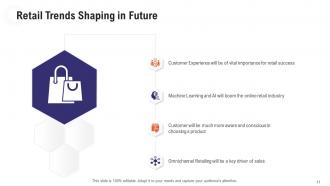
Current trends shaping the retail industry include omnichannel experiences, AI-powered personalization, sustainable practices, social commerce integration, and contactless payment systems. These technologies streamline operations by enhancing customer engagement, optimizing inventory management, and delivering seamless shopping experiences, with many retailers finding that strategic digital transformation ultimately drives competitive advantage and increased customer loyalty.
E-commerce has significantly transformed traditional retail by forcing brick-and-mortar stores to enhance customer experiences, integrate omnichannel strategies, and optimize inventory management. While many retailers initially faced challenges, those embracing digital integration now deliver seamless shopping experiences, improved operational efficiency, and competitive advantages through strategic combinations of online and physical presence.
Data analytics enables retailers to optimize inventory management, personalize customer experiences, forecast demand patterns, analyze pricing strategies, and track performance metrics across channels. Through predictive analytics and real-time insights, retailers streamline operations, reduce costs, and enhance customer satisfaction, with many finding that data-driven approaches deliver competitive advantages in an increasingly dynamic marketplace.
Sustainable practices significantly influence consumer behavior by driving purchasing decisions toward eco-friendly products, increasing brand loyalty for environmentally responsible companies, and creating demand for transparent supply chains. Many retailers find that implementing green initiatives, sustainable packaging, and ethical sourcing enhances customer engagement while reducing operational costs, ultimately delivering competitive advantage in an increasingly environmentally conscious marketplace.
**INPUT**: What technologies are revolutionizing the shopping experience? **OUTPUT**: Technologies revolutionizing shopping include AI-powered personalization, augmented reality try-ons, mobile payment systems, chatbots, and IoT-enabled smart shelves. These innovations streamline customer interactions by delivering personalized recommendations, reducing checkout times, and enhancing product discovery, with many retailers finding that strategic technology integration ultimately drives higher conversion rates and competitive advantage. [Word count: 54 words]
Customer experience drives retail loyalty by delivering personalized interactions, seamless omnichannel journeys, responsive customer service, and consistent brand touchpoints across all platforms. Through strategic CX investments, retailers enhance satisfaction, increase repeat purchases, and build emotional connections with customers, while reducing churn rates and ultimately creating competitive advantages that translate into sustained revenue growth and market differentiation.
Retailers are implementing omnichannel integration, enhanced digital platforms, contactless payment systems, curbside pickup services, and flexible fulfillment options to meet evolving consumer preferences. These strategies streamline customer experiences by blending online and offline touchpoints, accelerating delivery options, and prioritizing safety protocols, with many finding that seamless integration ultimately delivers competitive advantage in an increasingly digital retail landscape.
Social commerce transforms retail marketing by integrating shopping directly into social platforms, enabling brands to reach customers through influencer partnerships, shoppable posts, and personalized recommendations. This approach streamlines the customer journey from discovery to purchase, with many retailers finding that social commerce delivers higher engagement rates, reduced acquisition costs, and enhanced brand loyalty through authentic community-driven experiences.
Retailers today face supply chain disruptions, rising operational costs, evolving consumer expectations, intense e-commerce competition, and inventory management complexities. These challenges present both obstacles and opportunities, with many retail organizations finding that strategic technology adoption, omnichannel integration, and data-driven decision making ultimately deliver enhanced customer experiences and competitive advantage.
Global supply chain disruptions significantly impact retail through inventory shortages, increased costs, delayed product launches, and reduced profit margins. These challenges force retailers to diversify suppliers, invest in local sourcing, and enhance demand forecasting capabilities, with many companies finding that strategic supply chain resilience ultimately delivers competitive advantage and improved customer loyalty.
Retailers leverage mobile technology through self-checkout apps, location-based promotions, augmented reality try-ons, mobile payment systems, and personalized shopping experiences. These innovations streamline operations by reducing wait times, enhancing customer engagement, and optimizing inventory management, with many retail chains finding that mobile-first strategies ultimately deliver higher conversion rates and improved customer loyalty.
The future of personalization in retail centers on AI-driven customer insights, predictive analytics, real-time customization, omnichannel experiences, and dynamic pricing strategies. These technologies enable retailers to deliver individualized product recommendations, personalized marketing campaigns, and tailored shopping journeys across digital and physical touchpoints, ultimately enhancing customer satisfaction while driving sales conversion and brand loyalty.
Demographic shifts are revolutionizing retail through changing consumer preferences, shopping behaviors, and technology adoption patterns across age groups, income levels, and cultural backgrounds. Aging populations demand accessible store layouts and simplified checkout processes, while younger generations prioritize sustainability and digital integration, with many retailers finding that personalized experiences and omnichannel strategies ultimately deliver competitive advantage.
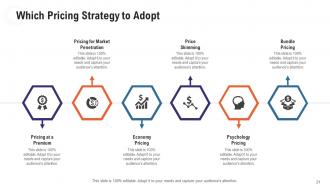
Key factors affecting retail pricing strategies include competitor pricing, consumer demand patterns, cost structures, market positioning, seasonal trends, and inventory levels. These elements work together by enabling retailers to optimize profit margins, respond to market dynamics, and maintain competitive advantage, with many retailers finding that strategic pricing combinations ultimately drive both customer loyalty and sustainable revenue growth.
Omnichannel retailing improves sales by creating seamless customer experiences across all touchpoints, enabling personalized interactions, and providing consistent inventory visibility throughout online, mobile, and physical channels. This integrated approach increases customer retention, drives higher average order values, and captures sales opportunities at every stage, with many retailers finding that unified experiences boost conversion rates and customer lifetime value significantly.
-
Professional and unique presentations.
-
Innovative and Colorful designs.
-
Very unique, user-friendly presentation interface.
-
Great designs, Easily Editable.
-
Awesome presentation, really professional and easy to edit.
-
Good research work and creative work done on every template.
-
Really like the color and design of the presentation.