

Retail sector analysis powerpoint presentation slides




Try Before you Buy Download Free Sample Product
 Impress Your
 Audience
 100%
100% Editable
 Save Hours
 of Time


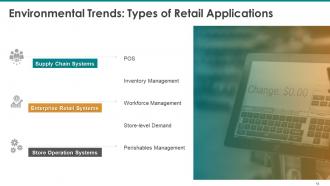
Retail Sector Analysis PowerPoint Presentation Slides arrange insightful content using high-quality design. This PowerPoint slideshow is specially-developed for retail management professionals around the globe. Demonstrate the types of retail formats such as store-based, non-store based, and service-based with visual support. Use our retail industry assessment PPT presentation to represent the key growth drivers within the retail industry. Employ this retail market analysis PowerPoint theme to educate your audience about global, and environmental trends. Easily illustrate types of retail applications like supply chain systems, enterprise retail system, and store operation system. Advanced tools are utilized to visualize data featured in this retail business analysis PPT layout. Elucidate the multi-channel retailing trends with the help of infographic-style formats. Represent your organization’s retailing strategy. Walk your audience through the operations, promotion, and marketing communications in retailing. Showcase merchandise management, inventory management, and control. So, hit the download button now and begin personalization instantly. Our Retail Sector Analysis Powerpoint Presentation Slides are topically designed to provide an attractive backdrop to any subject. Use them to look like a presentation pro.
People who downloaded this PowerPoint presentation also viewed the following :
Content of this Powerpoint Presentation
Slide 1: This slide introduces Retail Sector Analysis. State your Company name and begin.
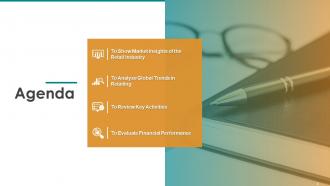
Slide 2: This slide displays Agenda.
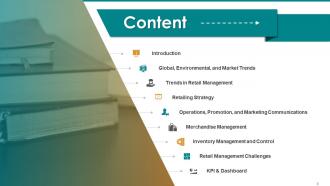
Slide 3: This slide depicts Content of the presentation.
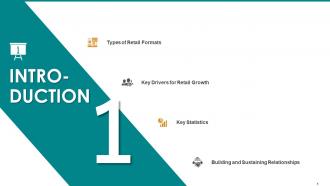
Slide 4: This slide displays Introduction.
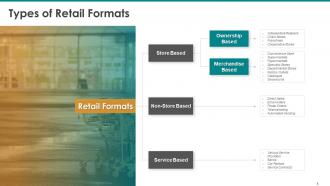
Slide 5: This slide displays Types of Retail Formats containing- Store Based, Non-Store Based, Service Based, Ownership Based, Merchandise Based, Independent Retailers, Chain Stores, Franchises, Cooperative Stores, Convenience Store, etc.
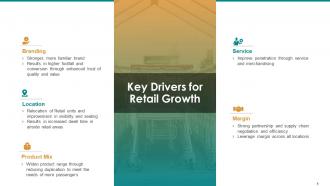
Slide 6: This slide showcases Key Drivers for Retail Growth.
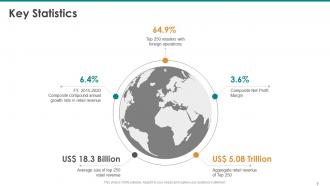
Slide 7: This slide displays Key Statistics.
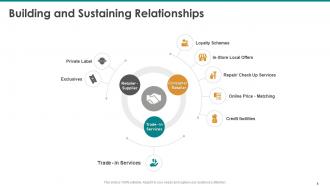
Slide 8: This slide displays information regarding Building and Sustaining Relationships
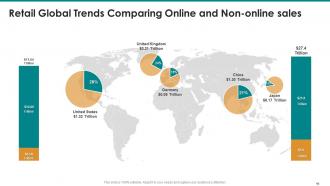
Slide 9: This slide depicts Global Retail Trends Comparing Online and Non-online sales.
Slide 10: This slide displays Retail Global Trends Comparing Online and Non-online sales
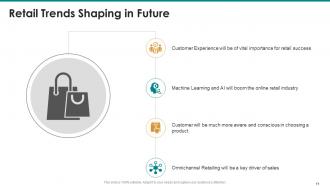
Slide 11: This slide showcases Retail Trends Shaping in Future.
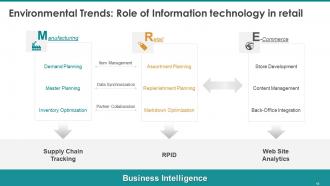
Slide 12: This slide displays Environmental Trends: Role of Information technology in retail.
Slide 13: This slide depicts Environmental Trends: Types of Retail Applications
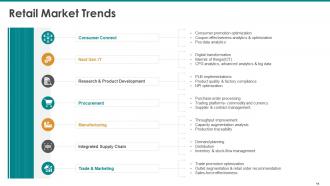
Slide 14: This slide showcases Retail Market Trends.
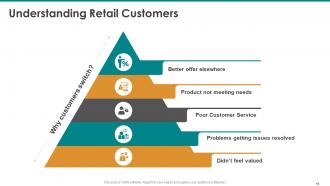
Slide 15: This slide displays information regarding Understanding Retail Customers.
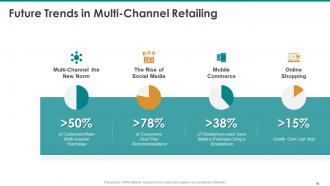
Slide 16: This slide showcases Future Trends in Multi-Channel Retailing.
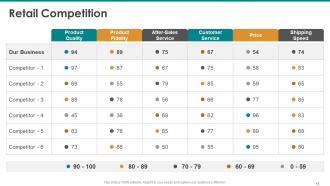
Slide 17: This slide shows Retail Competition
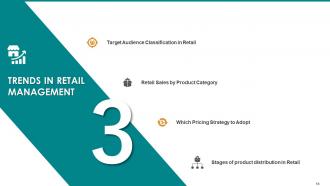
Slide 18: This slide displays Trends in Retail Management.
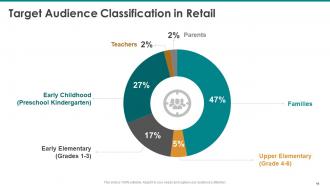
Slide 19: This slide showcases Target Audience Classification in Retail.
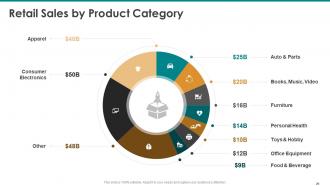
Slide 20: This slide depicts Retail Sales by Product Category
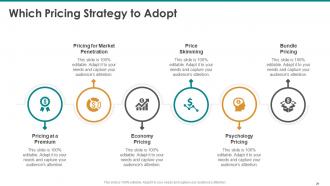
Slide 21: This slide shows Pricing Strategy to Adopt
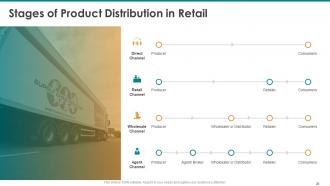
Slide 22: This slide shows Stages of Product Distribution in Retail containing- Direct Channel, Producer, Consumers, Retail Channel, Producer, Consumers, etc.
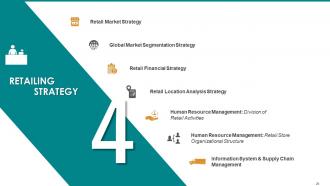
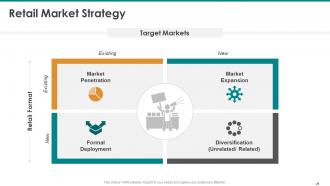
Slide 23: This slide showcases Retail Market Strategy.
Slide 24: This slide shows Retail Market Strategy.
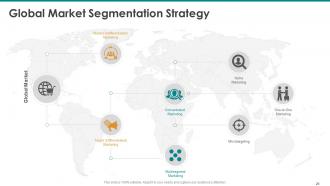
Slide 25: This slide displays Global Market Segmentation Strategy.
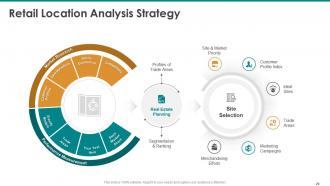
Slide 26: This slide represents Retail Location Analysis Strategy.
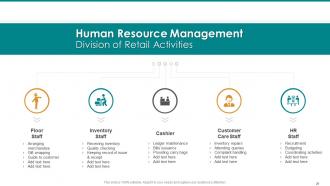
Slide 27: This slide presents Human Resource Management showing Division of Retail Activities.
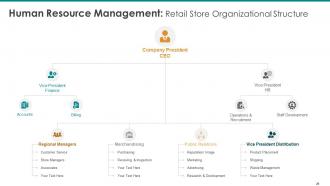
Slide 28: This slide showcases Retail Store Organizational Structure.
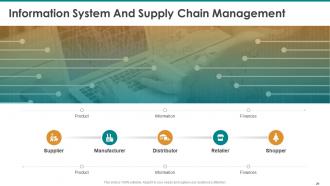
Slide 29: This slide displays Information System And Supply Chain Management.
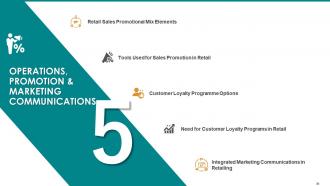
Slide 30: This slide displays Integrated Marketing Communications in Retailing.
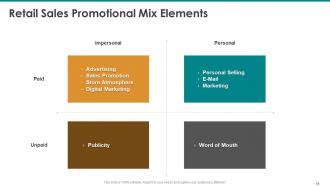
Slide 31: This slide presents Retail Sales Promotional Mix Elements containing- Publicity, Word of Mouth, Personal Selling, E-Mail, Marketing, Paid, Unpaid, Impersonal, etc.
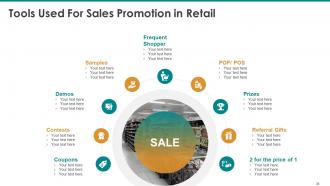
Slide 32: This slide showcases Tools Used For Sales Promotion in Retail.
Slide 33: This slide displays Customer Loyalty Programme Options.
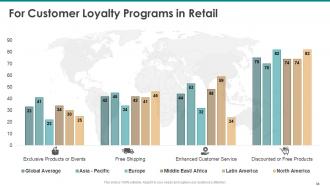
Slide 34: This slide shows Customer Loyalty Programs in Retail.
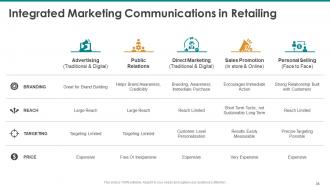
Slide 35: This slide showcases Integrated Marketing Communications in Retailing.
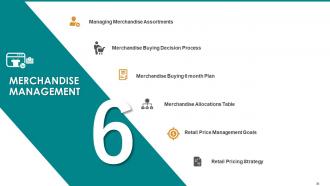
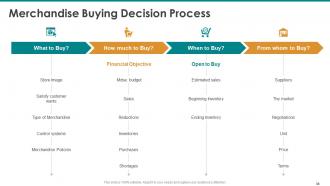
Slide 36: This slide provides information regarding Merchandise Buying Decision Process.
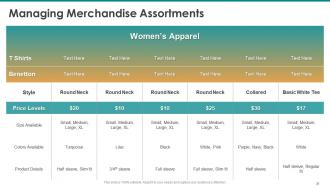
Slide 37: This slide discusses about Managing Merchandise Assortments
Slide 38: This slide showcases Merchandise Buying Decision Process
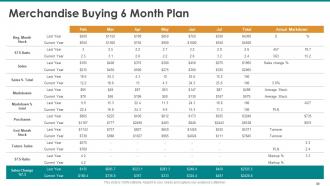
Slide 39: This slide displays Merchandise Buying 6 Month Plan
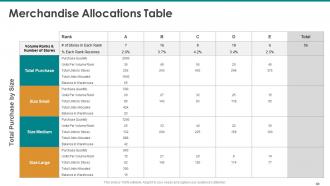
Slide 40: This slide depicts Merchandise Allocations Table displaying Total Purchase by Size.
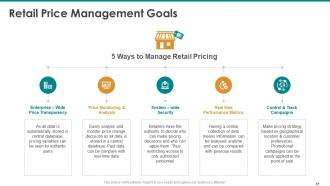
Slide 41: This slide shows 5 Ways to Manage Retail Pricing
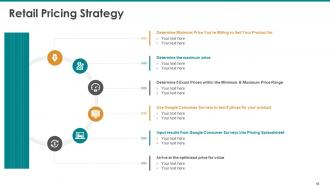
Slide 42: This slide shows Retail Pricing Strategy.
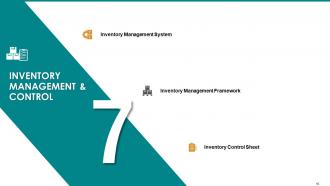
Slide 43: This slide presents Inventory Management Framework
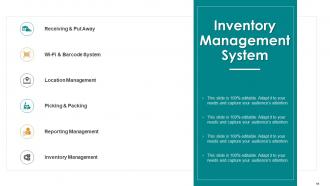
Slide 44: This slide depicts Inventory Management System.
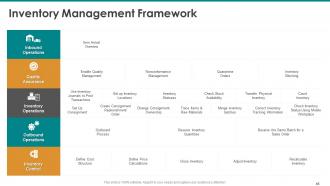
Slide 45: This slide displays Inventory Management Framework.
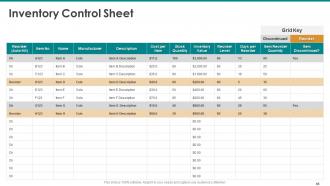
Slide 46: This slide displays Inventory Control Sheet.
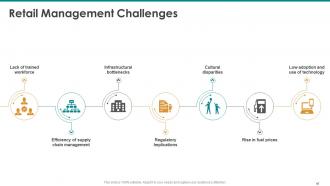
Slide 47: This slide shows Retail Management Challenges.
Slide 48: This slide shows KPI & Dashboard
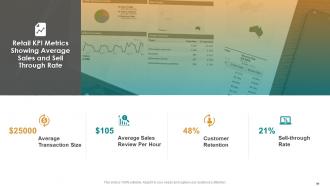
Slide 49: This slide depicts Retail KPI Metrics Showing Average Sales and Sell Through Rate.
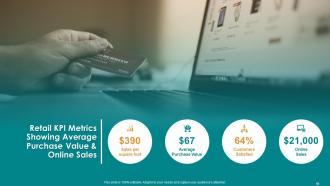
Slide 50: This slide showcases Retail KPI Metrics Showing Average Purchase Value & Online Sales
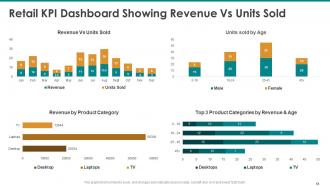
Slide 51: This slide represents Retail KPI Dashboard Showing Revenue Vs Units Sold.
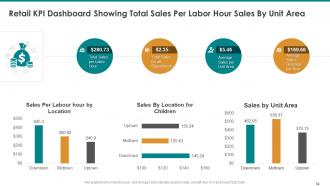
Slide 52: This slide presents Retail KPI Dashboard Showing Total Sales Per Labor Hour Sales By Unit Area
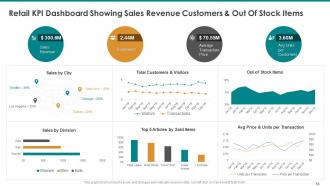
Slide 53: This slide depicts Retail KPI Dashboard Showing Sales Revenue Customers & Out Of Stock Items
Slide 54: This is Retail Sector Analysis Icons Slide.
Slide 55: This slide is titled as Additional Slides for moving forward.
Slide 56: This is About Us slide to showcase Company specifications.
Slide 57: This slide displays Our Mission, Vision and Goal.
Slide 58: This is Venn slide.
Slide 59: This slide is titled as Post it Notes. Post your important notes.
Slide 60: This slide presents Idea Generation to represent important ideas, facts.
Slide 61: This is Thank You with Contact details.
Retail sector analysis powerpoint presentation slides with all 61 slides:
Use our Retail Sector Analysis Powerpoint Presentation Slides to effectively help you save your valuable time. They are readymade to fit into any presentation structure.

FAQs for Retail sector analysis
Honestly, omnichannel stuff is everywhere right now - retailers are trying to make online and in-store feel like one experience. AI personalization is big too, though some of it still feels gimmicky to me. People are actually spending more on sustainable products, which is cool to see. TikTok shopping is blowing up (my sister buys everything there now lol). Oh, and stores are getting weird with "retail-tainment" - basically making shopping feel like entertainment instead of just buying stuff. For analysis, focus on their digital investments and inventory systems. That's where you'll see who's really adapting vs just talking about it.
Yeah so online shopping totally flipped everything upside down for regular stores. Malls are like ghost towns now - kinda sad honestly. Smart retailers figured out they had to merge online with physical though. Now stores are basically pickup spots and places to actually touch stuff before buying. Best Buy does this really well actually. They're doing things like buy online pickup in store, or offering services you obviously can't get from Amazon. The companies that survived? They nailed that hybrid approach. If you're looking at any retail stock, that's what I'd check first - how well they blend their website with actual locations.
Honestly, customer experience is everything in retail right now. People will literally abandon their carts if checkout sucks - we've all been there. Good CX drives sales and gets customers coming back, plus they'll actually recommend you to friends. The stats are wild too - companies that nail customer experience grow revenue like 4-8% faster than their competitors. Quick tangent, but I think most retailers still don't get how much one bad experience can hurt them. Anyway, if you want results, map out your customer's journey first. Find the biggest pain points and fix those before worrying about fancy stuff.
Dude, retailers are going crazy with data now. They're tracking everything - what you buy, how you browse, even where you walk in stores. Pretty wild honestly. Customer recommendations and pricing all get personalized based on your history. Smart stores use it for inventory too, knowing exactly what to stock and where. Social media monitoring, competitor pricing analysis - it's all fair game. Even smaller retailers can tap into decent analytics tools these days, which is cool I guess. If you're looking into this stuff, I'd start simple with customer segments and basic sales predictions first.
Honestly, it's all about convenience and making people feel special right now. Everyone wants stuff personalized but also super easy - like zero friction when they're buying. Digital stuff is massive too, people expect your online and in-store experience to actually work together. TikTok shopping is literally everywhere (I can't escape it lol). Sustainability matters way more now, especially if you're targeting younger people. Post-pandemic, everyone's pickier about spending but not just looking for cheap stuff - they want real value. Focus on those personal touches and make it obvious why they should pick you over everyone else.
Ugh, supply chain issues are the worst - they mess with everything. You end up with too much stuff sitting around eating up your cash, or not enough and customers walking away mad. Been there, done that. What helped me was spreading orders across multiple suppliers instead of putting all eggs in one basket. Also started keeping extra stock of the must-have items, even though it felt wasteful at first. Those fancy forecasting tools actually do help when everything goes sideways. The trick is setting this up before disaster strikes, not scrambling after.
AI personalization is getting scary good at predicting what you want to buy. Amazon Go's cashierless stores are expanding, and now you can try on clothes virtually with AR - though honestly that tech still feels weird to me. Smart shelves track inventory automatically, chatbots actually help instead of frustrating you. Mobile payments are everywhere too. Oh, and if you're looking at retail stocks? Skip the companies just slapping tech onto old models. Find ones actually rebuilding their experience from scratch - those are the winners.
Honestly, sustainability is completely changing retail right now. Gen Z and millennials won't shop with brands that don't care about the environment - they're literally forcing companies to switch to eco-friendly packaging and rethink their entire supply chains. The pandemic somehow made this trend even bigger? Companies ignoring it are getting crushed by competitors who actually made going green part of their brand. If you're looking at any retail stock or whatever, definitely check out their environmental stuff and how they talk about it. It's become such a huge factor in who wins and loses.
Look, you gotta make everything work together - your website, app, and actual stores. Customers should be able to buy online then grab it in-store, or return stuff wherever they want. Real-time inventory is huge too. The brands doing this well? They don't think in separate channels anymore, it's all one experience. Your customer data needs to sync everywhere, and honestly your staff should know how each piece connects. I'd start by figuring out where customers get frustrated moving between channels - those pain points are usually quick wins. Oh, and make sure people can see what's actually in stock no matter where they're shopping.
Honestly, you can't beat Amazon at their own game, so don't even try. Focus on what they can't do - the actual in-store stuff. Personal styling sessions, little workshops, exclusive events that get people through the door. I've watched smaller brands absolutely crush it by going hard on community vibes. Sure, get your online presence sorted, but make it work FOR your physical space. Same-day delivery since you're local, curbside pickup, that personal touch customers remember. Oh and make your store feel like they'd actually miss it if it wasn't there, you know?
Dude, social media completely changed retail marketing. Instagram and TikTok are where people discover brands now - seriously, your feed aesthetic can make or break you. The cool part? You get direct access to customers and instant feedback on everything. But customers want real interactions, not just polished posts. User-generated content is huge too. Oh, and don't spread yourself thin trying to be on every platform. Pick one or two where your people actually are and focus there first. Way better than half-assing it everywhere, trust me.
Dude, loyalty programs are totally different now! You get instant rewards instead of waiting forever to use points. Companies track your shopping habits and send personalized deals - kinda creepy but also pretty convenient. There's this whole gamification thing going on that honestly makes me spend more than I should. Some programs let you earn points for writing reviews or getting friends to sign up. It's less about just earning discounts and more about making you feel special as a customer. Look for ones that give you immediate perks and actually personalize stuff for you.
Ugh, mobile shopping is such a pain to get right. Fast loading is everything - customers bounce if it takes more than like 3 seconds. Then you've got checkout flows that need to work on tiny screens without being annoying. Don't even get me started on payment stuff - Apple Pay, Google Pay, Samsung Pay, it's endless. Inventory syncing between your app, website, and stores gets messy fast too. Oh and trying to cram your desktop site into mobile? Total disaster. You really gotta design for phones first, then scale up.
Dude, you literally can't just copy what works in one place to another - totally different ballgame. Payment methods are weird in some countries, store layouts matter way more than you'd think, and don't even get me started on cultural holidays. Germany vs Japan? Night and day difference. People shop completely differently based on income, values, all that stuff. Your marketing has to change too, obviously. Honestly, I'd say find local partners who get the culture first, then do your research. Way easier than figuring it out yourself and potentially screwing up big time.
Honestly, global stuff hits local retail harder than most people realize. Inflation jacks up your costs overnight. When currencies get weird, imports become pricey - learned that one the hard way during COVID supply chain chaos (ugh, don't get me started). Interest rates going up? Customers suddenly stop buying anything they don't absolutely need. People watch the news about recession fears and immediately tighten their wallets. You'll want to keep an eye on GDP numbers, inflation rates, and trade policies. They're pretty good predictors for what'll happen to your inventory costs and whether customers will actually show up ready to spend money.
-
It saves your time and decrease your efforts in half.
-
The content is very helpful from business point of view.