


Market Survey Analysis Powerpoint Presentation Slides




Try Before you Buy Download Free Sample Product
 Impress Your
 Audience
 100%
100% Editable
 Save Hours
 of Time


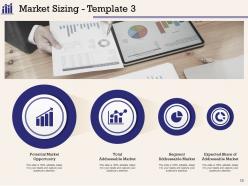
Market Survey Analysis Powerpoint Presentation Slides uses cutting-edge graphics and features inventive design. This visually powerful PPT slideshow is an ideal virtual solution to showcase market assessment. Marketers and analysts from all domains can nail business meets with our data-driven market investigation PowerPoint theme. Enhance the visual appeal of market survey highlights using state-of-the-art data visualizations featured in this PPT presentation. Walk your audience through the market landscape analysis details like market fit, and market relevance. Expand your audience’s perspective of viewing market opportunities with the help of business trends analysis PowerPoint complete deck. Use our comprehensive PowerPoint template deck to neatly consolidate the market intelligence framework. Present total addressable market, segment addressable market, and expected share of addressable market under market sizing. Elaborate on product opportunity evaluation and communicate expansion plans to your personnel with the help of Ansoff’s matrix diagram for market analysis. To avail of the numerous benefits of this layout, smash the download icon and begin instant personalization. Our Market Survey Analysis Powerpoint Presentation Slides are topically designed to provide an attractive backdrop to any subject. Use them to look like a presentation pro.
People who downloaded this PowerPoint presentation also viewed the following :
Content of this Powerpoint Presentation
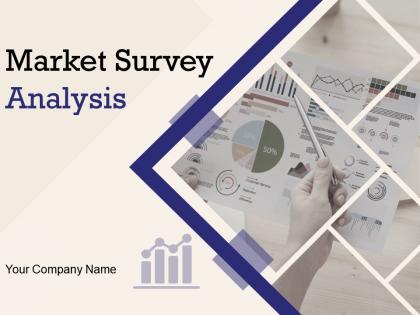
Slide 1: This slide introduces Market Survey Analysis. State your Company name and begin.
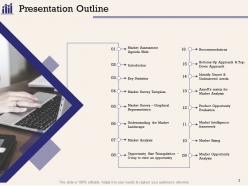
Slide 2: This slide depicts Presentation Outline.
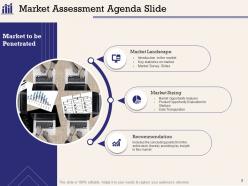
Slide 3: This is Market Assessment Agenda Slide
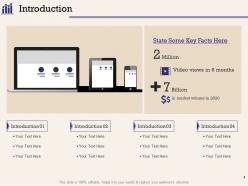
Slide 4: This slide displays Introduction.
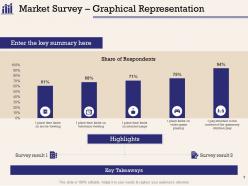
Slide 5: This slide shows Market Survey – Graphical Representation.
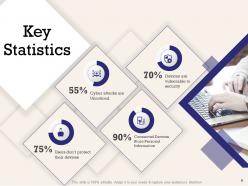
Slide 6: This slide shows Key Statistics
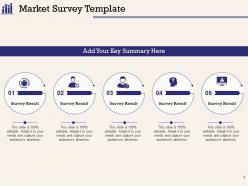
Slide 7: This slide show Market Survey. Add Your Key Summary Here
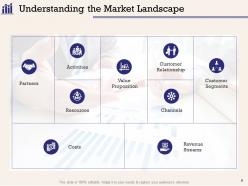
Slide 8: This slide provides information regarding Understanding the Market Landscape
Slide 9: This slide shows Market Analysis.
Slide 10: This slide shows Opportunity Size Triangulation - 3 way to view an opportunity. Add your market size here
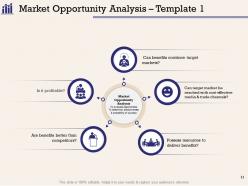
Slide 11: This is Market Opportunity Analysis – Template 1
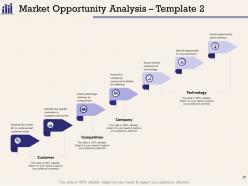
Slide 12: This is Market Opportunity Analysis – Template 2
Slide 13: This slide depicts Market Sizing - Template 1
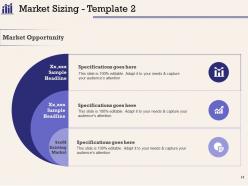
Slide 14: This is Market Sizing - Template 2
Slide 15: This slide is Market Sizing - Template 3 showing Expected Share of Addressable Market
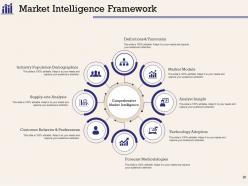
Slide 16: This slide depicts Market Intelligence Framework
Slide 17: This slide displays Product Opportunity Evaluation.
Slide 18: This slide showcases Ansoff’s Matrix for Market Analysis
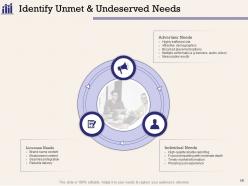
Slide 19: This slide provides information regarding Identify Unmet & Undeserved Needs
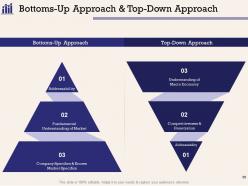
Slide 20: This slide shows Bottoms-Up Approach & Top-Down Approach
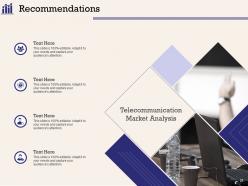
Slide 21: This slide displays Recommendations
Slide 22: This is Icons Slide for Market Survey Analysis.
Slide 23: This slide is titled as Additional Slides
Slide 24: This slide displays Our Mission, Vision and Goal.
Slide 25: This is Our Team slide with Names and Designations.
Slide 26: This is About Us slide to showcase Company specifications.
Slide 27: This slide displays Column Bar Chart for Comparison of products.
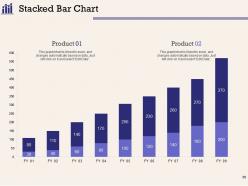
Slide 28: This slide displays Stacked Bar Chart for Comparison of products.
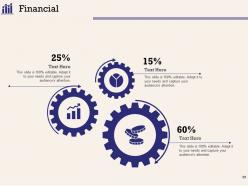
Slide 29: This is Financial slide.
Slide 30: This slide displays Timeline process.
Slide 31: This is Thank You slide with Contact details.
Market Survey Analysis Powerpoint Presentation Slides with all 31 slides:
Use our Market Survey Analysis Powerpoint Presentation Slides to effectively help you save your valuable time. They are readymade to fit into any presentation structure.











FAQs for Market Survey Analysis
So basically you want to figure out who actually wants your stuff and how big that market is. Look for gaps competitors are missing too. Don't skip validating your ideas first - trust me, launching something people don't want sucks and gets expensive fast. Surveys also help with realistic pricing and spotting what's trending. Which marketing channels work? That's another big one. Here's the thing though - ask questions that could actually prove your assumptions wrong, not just stuff that makes you feel good. Start with your biggest guesses about customers and test those first.
Start with what you're actually trying to figure out, then work backwards from there. Check your existing customer data first - who's buying, demographics, all that. But don't forget about people you want to reach who aren't customers yet. Honestly, I'd stick to 2-3 solid personas instead of casting this massive net. Surveying everyone just waters down what you learn. Mix up your approach - hit up your database, use social targeting, maybe team up with other companies if you need wider reach. Oh and make sure your sample actually reflects the segments that matter to your business, not just whoever responds first.
Yeah, totally mix both! Start with some focus groups or interviews to figure out what's actually going on - that qualitative stuff always uncovers weird things you'd never think to ask about. Then use those insights to build better surveys that you can send to way more people for the hard data. Online polls and structured questionnaires give you the numbers you need to back everything up. Honestly, I've seen too many people skip the interview part and miss obvious stuff. The combo approach is where you'll get the real story - numbers tell you what's happening, but talking to people tells you why.
Honestly, mix up your question types - open-ended ones work best. Try "Tell me about the last time you..." or "Walk me through how you decide..." People share way more when they're talking about real stuff that happened versus made-up scenarios. Likert scales are fine, but always ask "Why did you rate it that way?" afterward. That's where you get the good stuff. Skip leading questions that basically tell people what to say. Ranking exercises are clutch for figuring out what features actually matter. Oh, and end with "What didn't we ask that's important to you?" You'll get random insights you never thought of.
Honestly, sample size and methodology are everything if you want decent results. Your sample has to actually match your target audience - none of this "survey whoever responds first" nonsense. Word your questions super clearly and don't lead people toward the answer you want. I swear, bad wording kills more surveys than anything else! Run it by a few people first to catch problems. Oh, and test it twice with some of the same people to check consistency. Document the whole process so you can back up your findings later.
Okay so sample size is huge for survey credibility. More responses = smaller margin of error and people actually take you seriously. Like, if you survey 20 people and say it represents your whole market, everyone's gonna roll their eyes. But honestly? You don't need thousands of responses to look legit. For most B2B stuff, 200-400 solid responses works really well. I learned this the hard way after presenting results from like 50 responses once - not fun. Just be ready to explain your numbers when someone inevitably asks why you didn't survey more people.
So demographic segmentation is basically breaking down your survey data by age, gender, income, location - that kind of stuff. It's honestly pretty eye-opening because the overall numbers can be super misleading. Like your product might get meh ratings across the board, but then you realize millennials are obsessed with it while older folks can't stand it. Completely changes everything, right? You'll spot which groups are actually driving your results and figure out who you're not reaching yet. I'd start simple - just run some crosstabs on your biggest survey questions against maybe 2 or 3 demographics that actually matter for your business.
Watch out for questions that basically force people toward the answer you want. Double-barreled ones are sneaky too – asking two things at once just confuses everyone. Don't assume stuff about your respondents either. The loaded language thing is huge though. I've seen so many surveys ruined by words like "revolutionary" or "frustrating" – total mood killers that mess with responses. Keep it boring and neutral, honestly. Oh, and test your questions on a couple people first! You'll catch weird bias you didn't even realize was there.
Keep it under 10 minutes, seriously. People bail if it drags on too long. I'd say 15-20 questions max - nobody's got time for some endless survey about their shampoo habits or whatever. Figure out what you absolutely NEED to know vs. what would just be nice to know. Cut the fluff ruthlessly. Put your most important questions first since some people will definitely quit halfway through. Test it on a couple coworkers first to see how long it actually takes. Response rates drop like crazy once you hit that 10-minute mark. Short surveys get way better data anyway.
Okay so for market surveys, SPSS and R are your best bet if you're doing heavy-duty stats work. Excel's fine for simple stuff but gets annoying with big datasets - trust me on that one. Tableau and Power BI make really clean visuals that your boss will actually understand. Budget tight? Google Sheets plus some R packages work surprisingly well together. Oh, and don't sleep on SurveyMonkey or Qualtrics - their built-in tools are decent for basic analysis. Honestly though, just start with whatever your team already uses and upgrade later.
Bar charts and pie charts are your best friends - super easy for people to understand fast. Heat maps show patterns really well across different groups or locations. Word clouds are perfect for survey responses, especially open-ended stuff. Honestly, infographics are amazing because they make boring data actually interesting (stakeholders love them). Your audience matters though - executives want the big picture while research teams can handle complex scatter plots. I always put my best finding first, then stick to 3-4 main points per slide. Clean design wins every time.
Check your response rate first - bad data in means garbage insights out. Make sure you've got enough people and they actually represent who you're trying to understand. Statistical significance is huge for your main findings, plus confidence intervals around those percentages. Cross-tabs are where the magic happens honestly - that's how you see differences between segments. I get way too excited about correlations but they're not causation, obviously. Don't skip the open-ended stuff either since people say things there they won't check a box for. Oh and validate everything before you start looking for patterns.
So basically, market surveys tell you what customers actually want instead of what you think they want - which honestly saves tons of wasted effort. You'll find out their real pain points, what features matter most, and how much they'd pay. Plus you get their exact words for your marketing copy, which is gold. The demographic stuff helps with targeting too. I'd map those insights straight to your product roadmap first, then use the language patterns for campaigns. It's way better than guessing, trust me.
So first things first - get people's consent and tell them upfront what you're doing with their data. Keep everything anonymous obviously. Don't write questions that push people toward the answers you want (honestly that just makes for terrible research anyway). Give them a clear way to bail if they change their minds. Stick to collecting only what you actually need - nobody wants to hand over their life story for a quick survey. Be extra careful with anything personal or sensitive. Oh and definitely check whatever privacy rules your company has. Basically just don't be sketchy about it.
Honestly? I'd do quarterly surveys as a starting point. Tech and fashion move crazy fast though - those industries probably need monthly check-ins since trends die overnight. More stable sectors can get away with every 6 months, maybe less. But here's the thing - don't get married to your schedule. Watch for red flags between surveys. Competitor launches something huge? Customer complaints suddenly jump? Time to survey, even if it's "off schedule." Pick a few core metrics and track them religiously. You'll start noticing when something's shifting and needs a closer look.
-
Commendable slides with attractive designs. Extremely pleased with the fact that they are easy to modify. Great work!
-
Informative presentations that are easily editable.