


Robotic process automation powerpoint presentation slides






Try Before you Buy Download Free Sample Product
 Impress Your
 Audience
 100%
100% Editable
 Save Hours
 of Time


Use Robotic Process Automation PowerPoint Presentation Slides for your business to handle high volume tasks that earlier required manpower. Perform various tasks such as queries, calculations, maintenance of records and transactions and more with the help of robotic process automation PPT presentation slideshow. Use ready-made robotic process automation PowerPoint presentation templates for better customer service, business operations, improved digitization, cost savings, enabling employees to be more productive. This deck comprises of templates such as robotic process automation steps, robotic process automation spectrum, robotic process automation challenges & solutions, drivers for robotic process automation, etc. These templates are completely customizable. Edit color, text, icon, and font size as per your need. Add your own content and use this presentation for your benefit. Download easy-to-understand robotic process automation complete PowerPoint presentation deck and perform tasks that normally require human intervention and intelligence. Our Robotic Process Automation Powerpoint Presentation Slides are a haven for great ideas. They develop in a beautiful fashion.
People who downloaded this PowerPoint presentation also viewed the following :
Content of this Powerpoint Presentation
Robotic Process Automation plays a crucial role in increasing the productivity of your business operations. It helps you scale up your work with more efficiency and low costs.
Integrating automation with daily work is necessary to stay ahead of the competitors. So, to make things easier for your business, we have designed some colorful and compact Robotic Process Automation PowerPoint Presentation Slides. These templates contain automation steps, benefits, strategies, and key drivers to implement the robotic process.
Also, these slides are 100% editable and customizable, you can make necessary changes at your will and convenience.
Let's get started and see how to present them in a structured document which will improve the efficiency of the whole system.
Robotic Process Automation Powerpoint Presentation Slides
These ready-to-use PPT Slides not only highlight the automation process but also make it an easy to understand guide for people without any specialized knowledge. Let us explore the templates to get a quick view of how tasks should be performed and the strategies and benefits that come along.
Template 1: Robotic Process Automation Steps
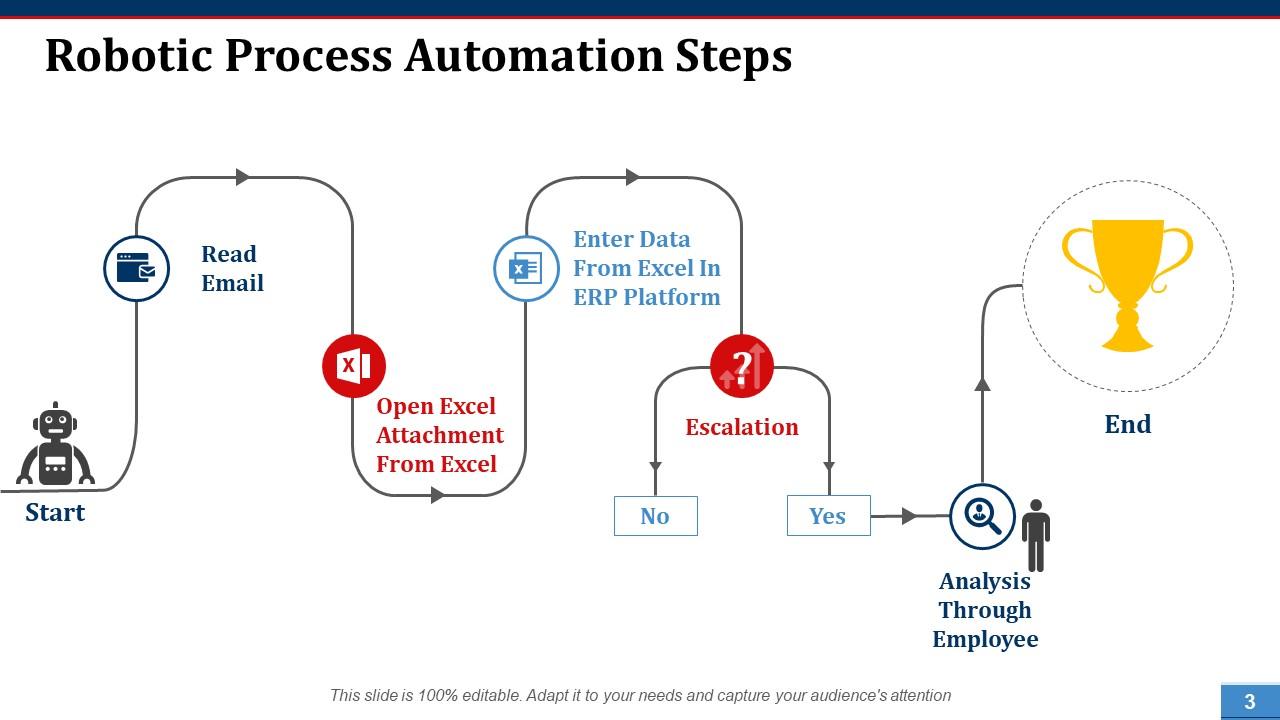
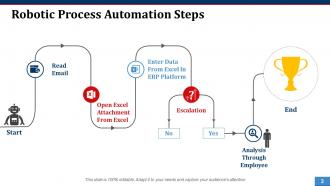
In this section, you can add the required steps of the robotic process automation system, making it look like a chain-like structure. The steps you can include to this list are - Read Email, Open Excel Attachment From Excel, Enter Data From Excel In ERP Platform, Escalation- No- end, or if yes - send to Analysis Through Employee.
Template 2: Benefits of Robotic Process Automation
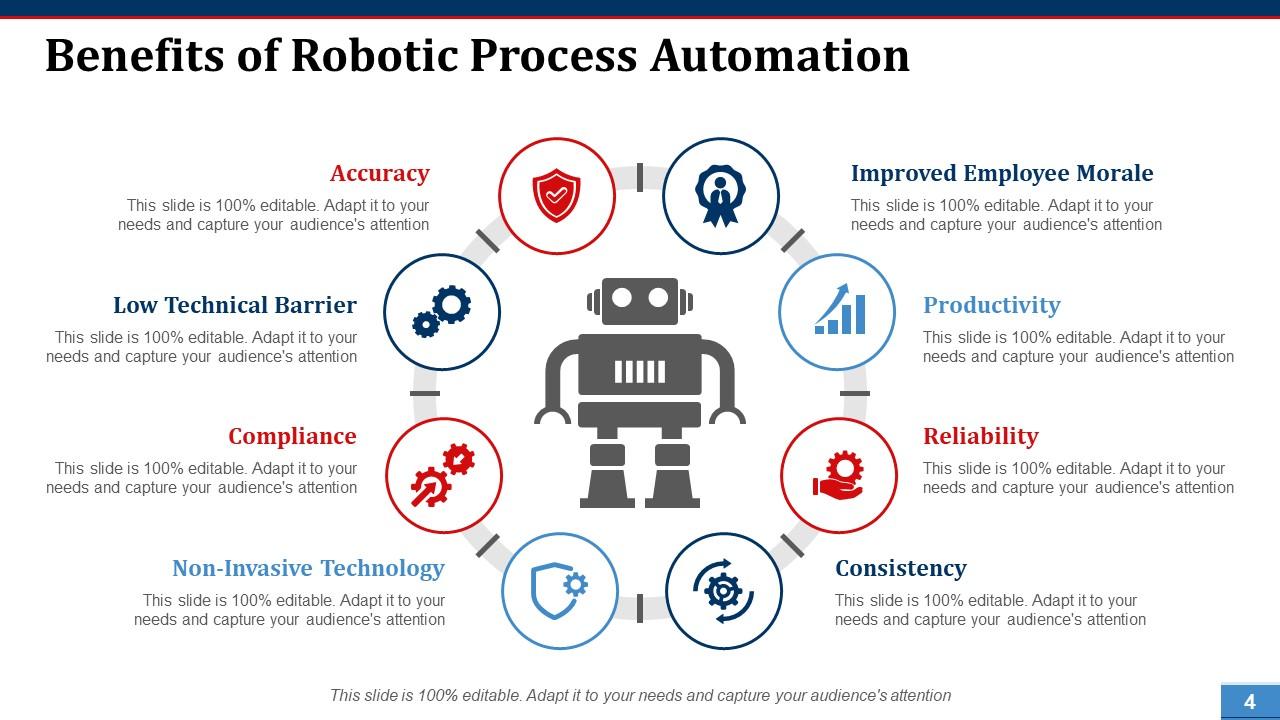
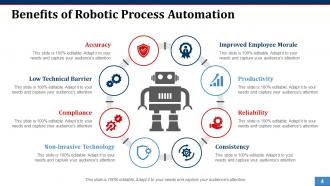
This simple slide talks about the benefits of the process which are important in enhancing the business model of any company. It includes Improved Employee Morale, Productivity, Consistency, Accuracy, and the like.
You can also add symbols or icons to the information sections to make the slide more appealing.
Template 3: Robotic Process Automation Spectrum
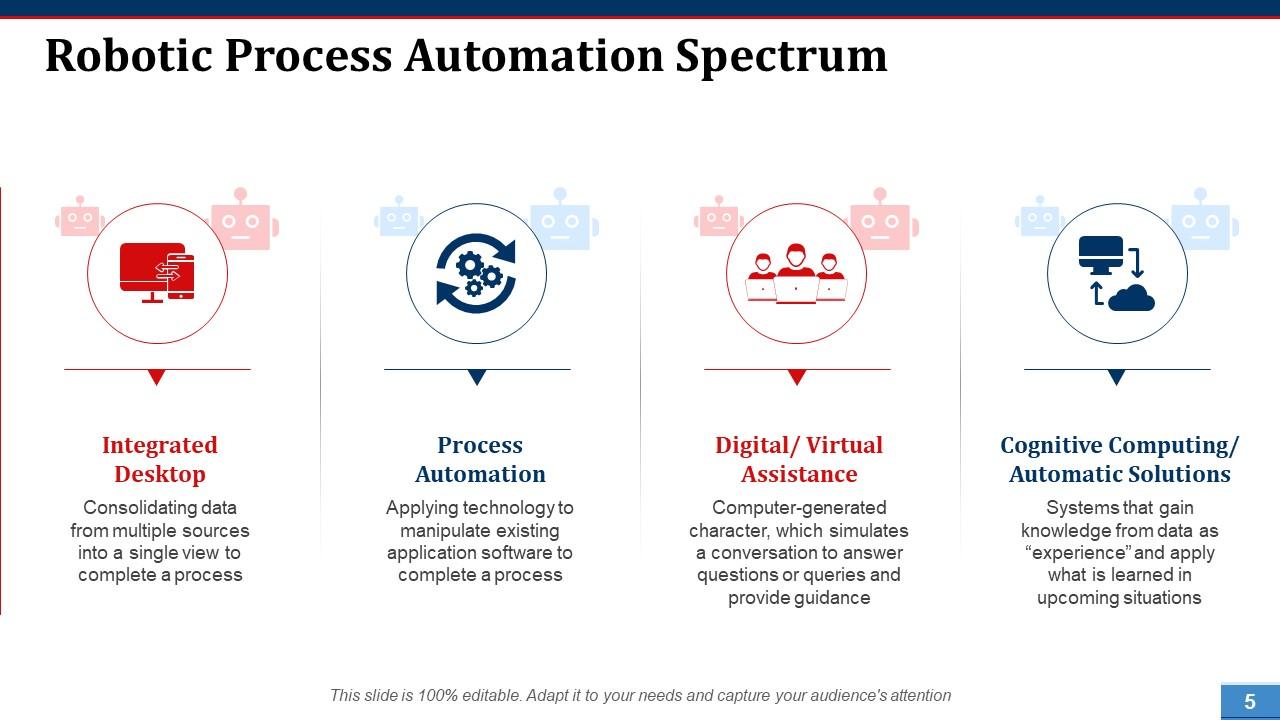
In this slide, aspects of the automation process are covered. It contains a detailed workflow of the system which includes - Integrated Desktop, Process Automation, Digital/ Virtual Assistance, and Cognitive Computing/ Automatic Solutions. Using this PPT slide, you can draw up a business landscape where you outline its dimensions. For example, under the Integrated Desktop option, you can mention the steps where data from multiple sources are consolidated into a single screen.
Template 4: Robotic Process Automation Challenges & Solution
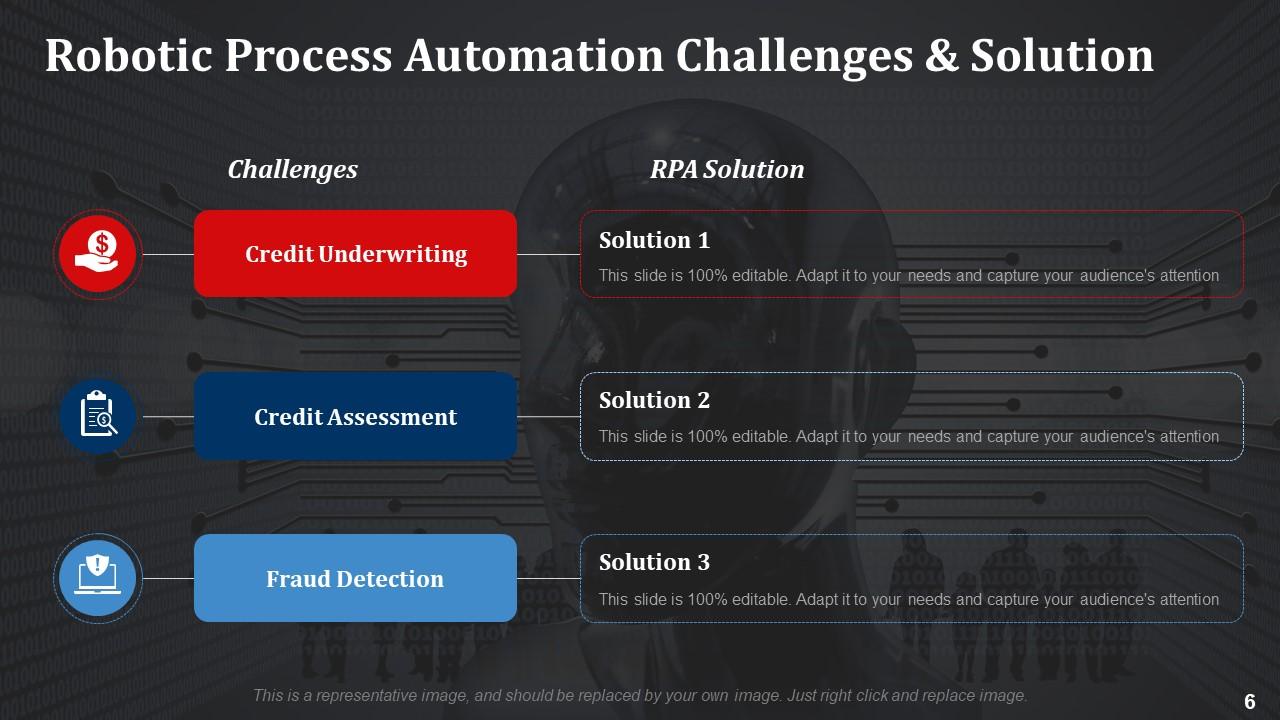
This nicely-presented slide is all about the Automation Challenges & Solutions. Under the challenge bracket, you can add - Credit Underwriting, Credit Assessment, and Fraud Detection. with RPA Solutions. Next to the challenge section, you can list solutions. For example, fraud detection can be addressed by implementing required security measures. These include cybersecurity, regular auditing, and encryptions.
Template 5: Robotic Process Automation Icons
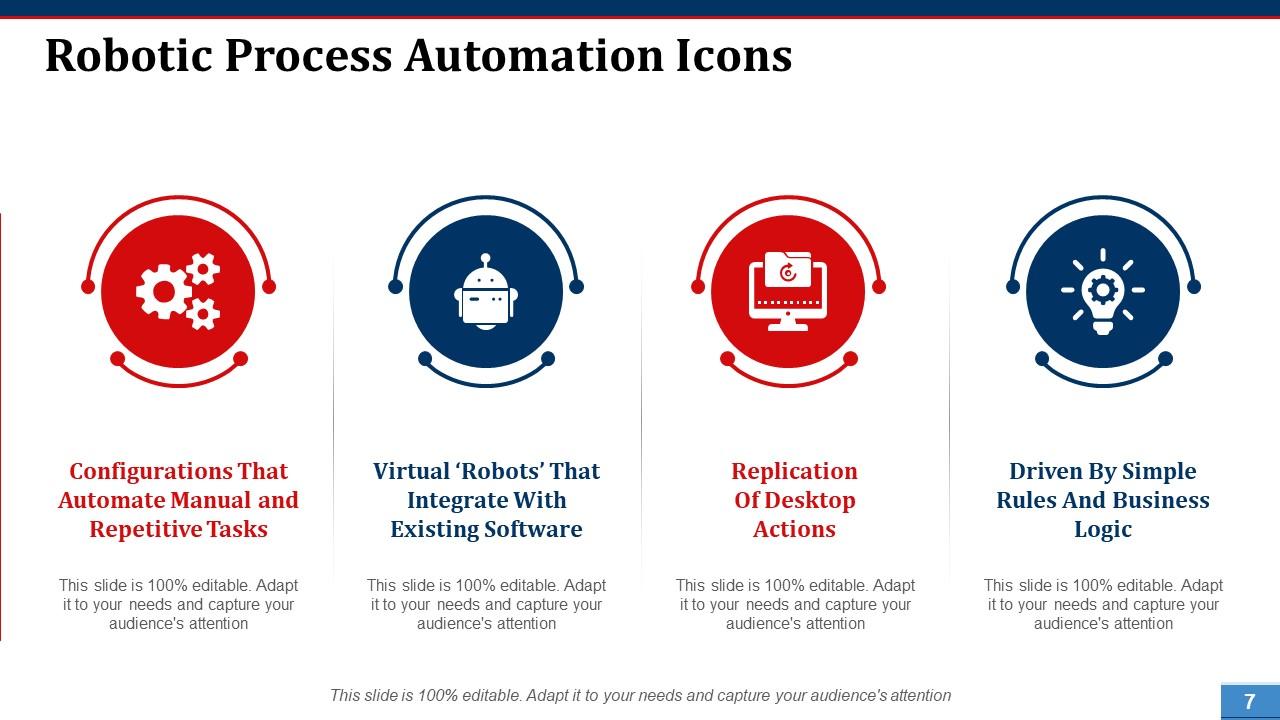
In this well-structured slide, you can use visuals like symbols, graphs and relevant pictures to effectively convey your concepts to your audience. The PPT Template allows you to display the RPA Icons. These include - Configurations That Automate Manual and Repetitive Tasks, Virtual ‘Robots’ That Integrate With Existing Software, Replication Of Desktop Actions, and Driven By Simple Rules And Business Logic.
Remember to stay focused on the main idea of the PPT Template; this is what is useful and interesting.
Template 6: Drivers for Robotic Process Automation

This template highlights the drivers for the automation process. The PPT Template mentions some special features such as - Platform and Design Thinking, Transformational Strategy Development and Step-by-step Digitalization, Business Process Adoption For Transformation, and Establishing Effective and Collaborative Outsourcing. Based on the specific operation or project, you can also modify this list.
Template 7: Robotic Process Automation Journey
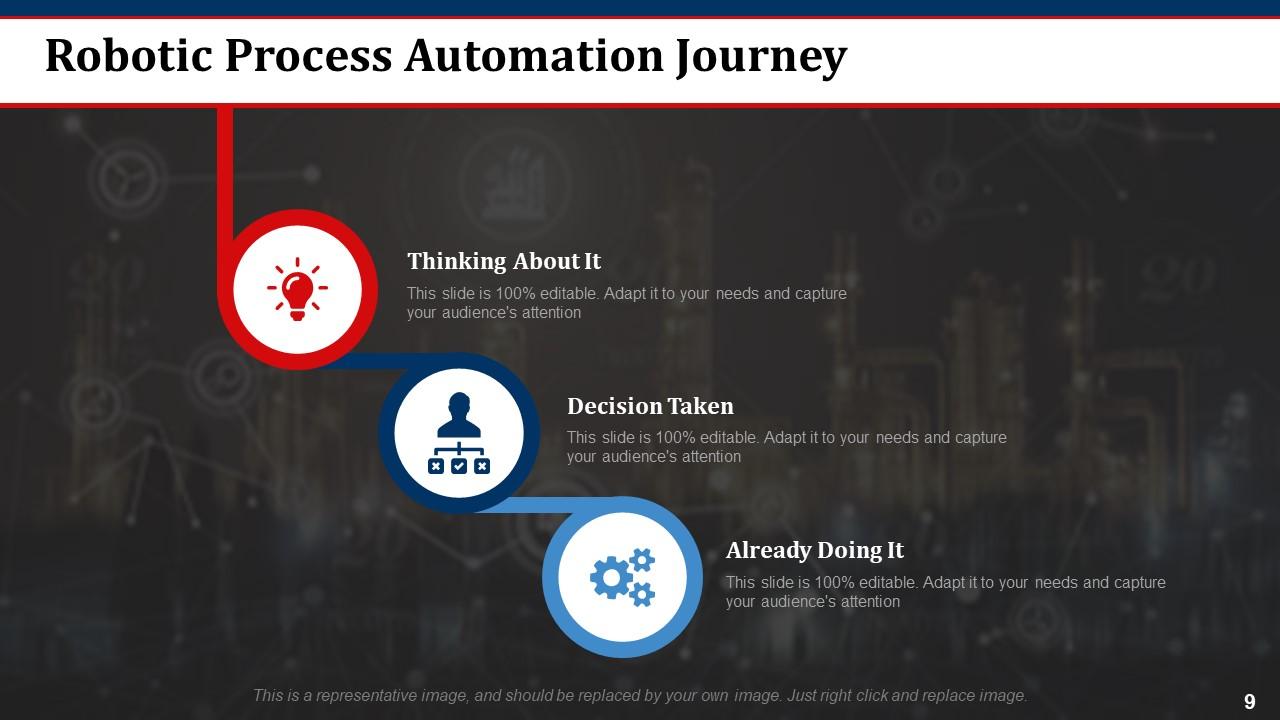
This PPT Slide showcases the roadmap of the automation journey that integrates planning, making strategies and executing. In simple words, this roadmap comprises three major categories - Thinking About It, Decision Taken, and Already Doing It.
You can make changes and replace this image with the one that aligns with your particular project.
Template 8: Robotic Process Automation Cycle

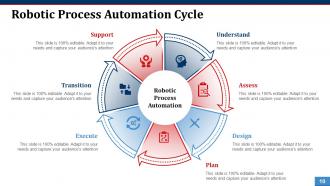
As you can see, this slide displays the Robotic Process Automation Cycle which contains certain steps including Understand, Assess, Design, Plan, Execute, Transition, and Support. The aim is to ensure the audience connects fully with the RPA and understands how it works.
*******
To make it more eye-catching and recallable for your viewers, use SlideTeam’s layouts and visuals on Robotic Process Automation that focus on the spectrum of the process. You can even make necessary modifications to these slides, as per your requirements. So, download now and take advantage of these useful PPT designs to increase the value and productivity of your organization.
Robotic process automation powerpoint presentation slides with all 23 slides:
Investigate core elements with our Robotic Process Automation Powerpoint Presentation Slides. Derive information about the essentials.
-

Robotic Process Automation
-

Our Agenda
-
Robotic Process Automation Steps
-
Benefits of Robotic Process Automation
-

Robotic Process Automation Spectrum
-
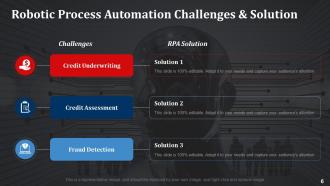
Robotic Process Automation Challenges Solution
-
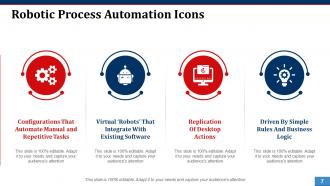
Robotic Process Automation Icons
-
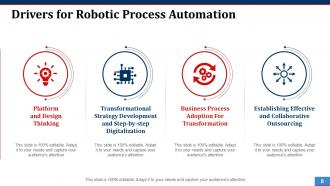
Drivers for Robotic Process Automation
-
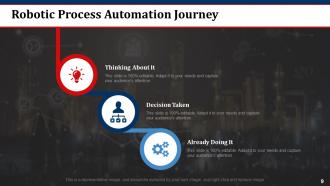
Robotic Process Automation Journey
-
Robotic Process Automation Cycle
-
Robotic Process Automation Icons Slide
-

Additional Slides
-

Our Mission
-
Meet Our Team
-
Timeline
-
Post It
-
Puzzle
-

Bulb or Idea
-
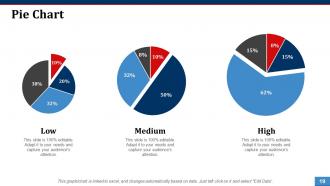
Pie Chart
-

Area Chart
-
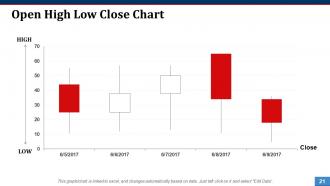
Open High Low Close Chart
-
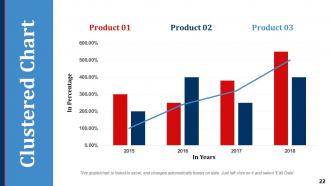
Clustered Chart
-

Robotic Process Automation
FAQs for Robotic process automation
So basically you'll save money and get way better accuracy since bots don't make stupid human errors. Your team gets freed up from all that boring repetitive stuff - honestly, most people are pretty relieved about that part. Processing happens way faster too, like 24/7 without coffee breaks. Everything gets documented automatically which is great for compliance headaches. Oh, and your employees will actually be happier doing strategic work instead of mindless data entry all day. I'd start by looking at whatever processes make people want to bang their head against the wall first.
So basically, RPA bots just mimic what you'd do manually - they click buttons, fill out forms, copy data between apps. The beauty is you don't touch your old systems at all. Honestly, that's why everyone loves it. Your bots can even work with those ancient green-screen terminals (ugh, those things). If you've got APIs available, connect through those for better data flow. Otherwise, database connections work too. Just think about which repetitive tasks you're doing with legacy systems right now - that's where you'll want to start.
Look for stuff that's super repetitive and follows the same steps every time - data entry, invoice processing, moving info between systems. Basically anything digital that doesn't need creativity or judgment calls. I always tell people: if you're doing the exact same boring clicks daily, that's your answer right there. High-volume tasks work best since the setup effort pays off. Physical stuff won't work, and neither will processes where you have to think on your feet. Start by listing out your most mind-numbing, rule-based work first - those are goldmines for automation.
So regular RPA bots are basically just following scripts, right? But when you add AI, suddenly they can actually "think" through problems. Like if an invoice comes in with a weird format, the AI figures it out instead of just breaking. Pretty neat setup - AI does the smart stuff (reading text, making decisions) while RPA handles the actual clicking and moving data around. You can automate way more complex stuff this way, honestly way more than I expected when I first heard about it. Look for processes where you're getting stuck because of data that's all over the place.
So RPA cuts out human error from compliance stuff, which honestly saves so much headache. You automate regulatory reporting and data validation, boom - same results every time. No more "oh crap I missed updating that spreadsheet" panic at 2am. The bots document everything as they go, so your audit trails are solid. When regulations change? Just tweak the automation instead of retraining your whole team. I'd start with whatever manual compliance tasks make you want to pull your hair out - that's where you'll see the biggest difference.
Honestly, the hardest part isn't the tech stuff - it's getting people to not freak out about losing their jobs. Start with boring, repetitive tasks that nobody actually wants to do anyway. Don't jump into crazy complicated processes first (learned that one the hard way). Legacy systems will fight you every step of the way, and your bots will break whenever someone updates literally anything. Scaling up from your first pilot project? That's where most companies hit a wall. Communication is huge upfront. Oh, and you'll need solid governance or things get messy real quick. Pick simple, high-volume stuff first and talk to your team early.
So basically you're looking at time saved vs what you spent on the whole thing. Track how many hours each process saves, then multiply that by hourly wages. Don't forget to add in the cost of fewer errors too - that stuff adds up fast. Hard savings are actual job reductions, soft savings are when people can focus on better work instead. Honestly, some companies overthink this with crazy productivity dashboards, but the math isn't rocket science. Just make sure you're measuring everything before you roll it out so you've got something real to compare against later.
First thing - make sure it can actually grow with you. Nothing worse than outgrowing your platform in 2 years. Check if your team can figure it out without constant training (some tools are just ridiculously overcomplicated). Integration is massive, especially with older systems. Vendor support matters more than people think - I've seen companies ghost you right after signing. Pricing models vary wildly, so dig into that. Security and cloud vs on-premise depends on your IT situation. Honestly? Run pilots with your top picks before you commit to anything major.
Honestly, RPA is a game-changer for getting rid of soul-crushing busywork. Your team won't have to spend hours doing data entry or processing invoices anymore. People can actually work on stuff that matters - strategy, creative projects, building relationships with customers. I mean, who wants to copy-paste between spreadsheets all day? That's torture. When employees aren't buried in tedious tasks, job satisfaction goes way up. They're doing real work instead of robot stuff. Productivity jumps too since humans are freed up to do what we're actually good at. Look at your team's most annoying daily tasks first.
RPA's getting way smarter these days. The new AI-powered bots can actually handle messy data and make real decisions instead of just crashing when something weird happens. Machine learning is basically getting baked right into workflows now - it's pretty cool actually. Cloud platforms are making everything easier to deploy too. Oh, and process mining tools are finally helping companies figure out what they should even be automating in the first place (which honestly should've been step one). I'd look into vendors mixing RPA with AI capabilities soon because those old rule-based bots are gonna look ancient real quick.
Look, RPA mostly changes jobs instead of wiping them out completely. All those boring, repetitive tasks? Gone. Your people get to do the interesting stuff - analysis, solving actual problems, talking to customers. Once teams get over being scared, they usually love it tbh. Sure, some positions disappear, but new ones pop up for managing bots and handling weird exceptions. The trick is training people beforehand. Teach them analytical skills or even RPA development. Find the naturally tech-curious folks on your team and turn them into your biggest advocates. Those champions make all the difference.
Banking's getting hit hardest - loan approvals that took forever now happen super fast. Healthcare and insurance are right there too with all their claims processing stuff. Manufacturing's jumping on it for supply chain things. Really, most industries are dealing with this now in some way. Oh, and retail obviously - they love automating inventory tasks. My advice? Look at whatever boring, repetitive stuff your team does daily. Those processes are usually the easiest wins when you're starting out with RPA. Don't overthink it.
Honestly, don't just wing the governance part - I've seen that backfire badly. Set up a center of excellence right away to handle standards and oversight. Someone needs to decide who builds bots, who signs off on them, and who fixes things when they break. Monthly reviews help catch problems early too. The tricky part is letting people get creative with automation without everything turning into chaos. Oh, and definitely do regular audits - you'd be surprised how many "rogue bots" pop up when nobody's watching. It's all about finding that sweet spot between innovation and control.
First thing - never hardcode passwords, that's just asking for trouble. Use a secure vault for your bot credentials instead. Make sure you're only giving bots the bare minimum permissions they actually need, nothing extra. Encrypt everything, especially if there's sensitive data involved. Set up logging and monitoring too because honestly, bots can break in the weirdest ways sometimes. Oh, and don't forget regular security audits since these things often get privileged access. I'd make a security checklist before deploying anything - saves so much pain down the road.
Get leadership on board first - that's honestly half the battle right there. Then explain the "why" to everyone affected because people freak out when they don't understand what's happening. Don't just throw training at them either, actually involve your team in the process. Be upfront about how roles will change (crossing fingers they won't disappear completely). Make sure there's ways for people to voice concerns quickly. Oh, and definitely celebrate those first wins loud and proud - builds momentum like crazy. This isn't just tech stuff, it's really about managing people through change.
-
Enough space for editing and adding your own content.
-
Topic best represented with attractive design.