


Role Of Technical Skills In Digital Transformation Powerpoint Presentation Slides




Try Before you Buy Download Free Sample Product
 Impress Your
 Audience
 100%
100% Editable
 Save Hours
 of Time


IT can use digital transformation to strengthen internal connections and influence strategy and purchasing decisions. IT is now enabling business transformation, assisting organizations in competing, growing, and innovating. Here is a professionally designed template on the Role of Technical Skills In Digital Transformation that will analyze the professionals challenges, a detailed study of the roles and skills related to IT Professionals before and during COVID-19, and study upskilling requirements for primary IT professionals roles. This presentation provides information on IT professional challenges related to technical skills, the role of IT professionals before and during pandemics, and the impact of the IT skill gap on digital businesses. This presentation also covers details on upskilling roles for professionals related to data and analytics, cybersecurity, application architecture and infrastructure operations, and cloud. Additionally, this PowerPoint presentation provides information related to post upskilling such as essential skills to survive in a post-pandemic economy, opportunities for IT professionals after upskilling, and the benefit of IT professional upskilling to the organization. Get access to this insightful template and download it now.
People who downloaded this PowerPoint presentation also viewed the following :
Content of this Powerpoint Presentation
Slide 1: This slide introduces Role of Technical Skills in Digital Transformation. State Your Company Name and begin.
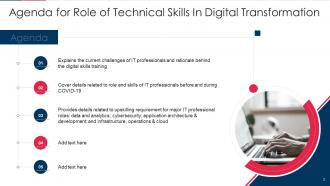
Slide 2: This slide presents the agenda.
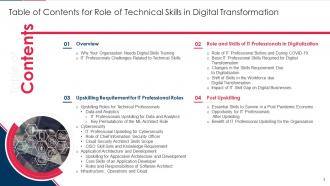
Slide 3: This slide displays the table of Contents.
Slide 4: This slide displays two topics to be covered in the template under 'Overview".
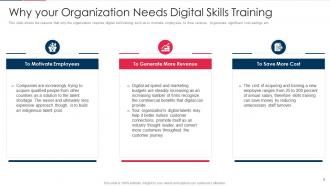
Slide 5: This slide shows the reasons that why the organization requires digital skill training.
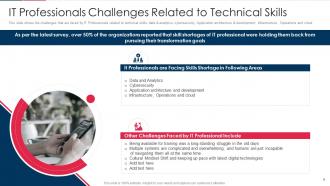
Slide 6: This slide shows the challenges that are faced by IT Professionals related to technical skills.
Slide 7: This slide displays five topics to be covered in the template under 'Role and Skills of IT Processionals in Digitalization'.
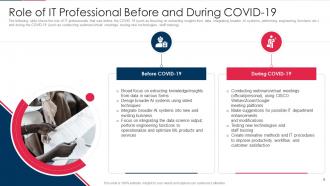
Slide 8: This slide shows the role of IT professionals before and during the COVID 19.
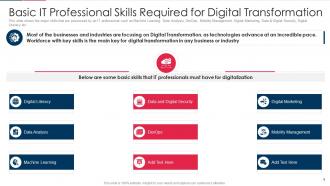
Slide 9: This slide shows the major skills that are possessed by an IT professional.
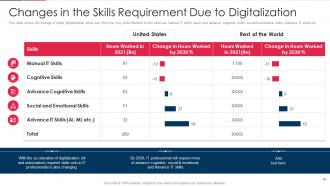
Slide 10: This slide shows the change in major digitalization skills over the time.
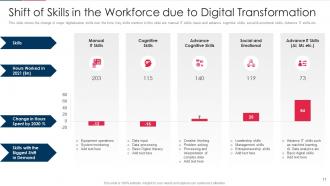
Slide 11: This slide shows the change in major digitalization skills over the time.This graph/chart is linked to excel.
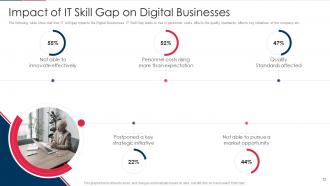
Slide 12: This slide shows how IT skill gap impacts the Digital Businesses.
Slide 13: This slide displays four topics to be covered in the template under 'Upskilling Requirement for IT Professional Roles'.
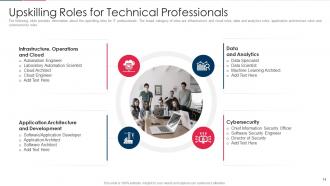
Slide 14: This slide provides information about the upskilling roles for IT professionals.
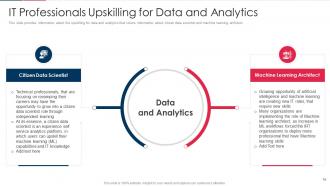
Slide 15: This slide provides information about the upskilling for data and analytics.
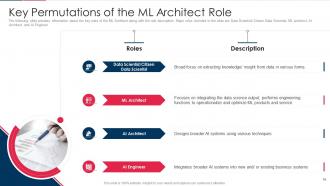
Slide 16: This slide provides information about the key roles of the ML Architect.
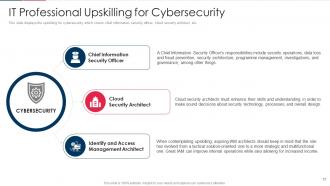
Slide 17: This slide displays the upskilling for cybersecurity.
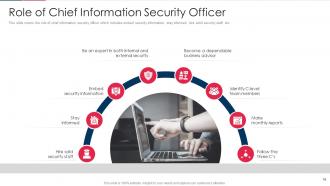
Slide 18: This slide covers the role of chief information security officer.
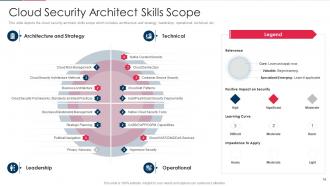
Slide 19: This slide depicts the cloud security architect skills scope.
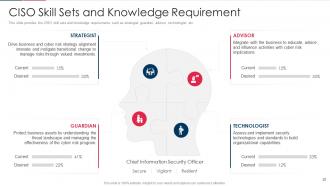
Slide 20: This slide provides the CISO skill sets and knowledge requirements.
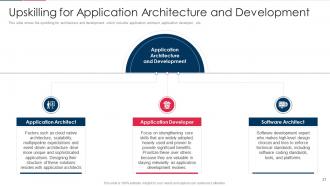
Slide 21: This slide shows the upskilling for architecture and development.
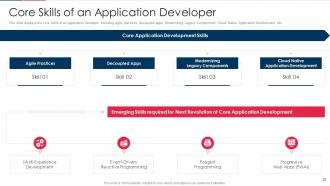
Slide 22: This slide displays the core skills of an application developer.
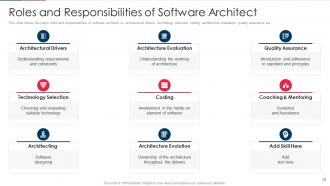
Slide 23: This slide shows the major roles and responsibilities of software architect i.e. architectural drivers etc.
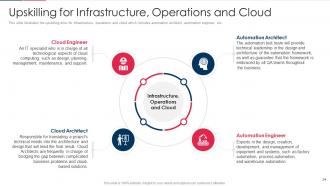
Slide 24: This slide illustrates the upskilling drive for infrastructure, operations and cloud.
Slide 25: This slide displays three topics to be covered in the template under 'Post Upskilling'.
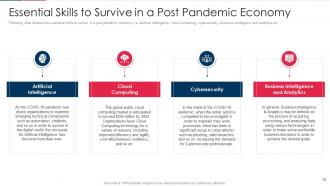
Slide 26: This slide displays the essential skills to survive in a post pandemic economy i.e. artificial intelligence etc.
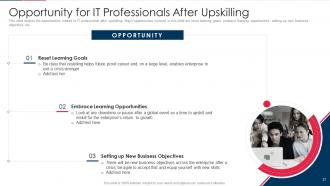
Slide 27: This slide depicts the opportunities related to IT professional after upskilling.
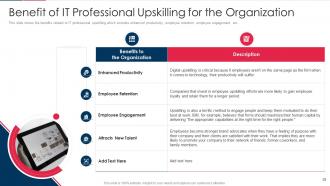
Slide 28: This slide shows the benefits related to IT professional upskilling.
Slide 29: This slide displays Icons for Role of Technical Skills In Digital Transformation.
Slide 30: This slide is titled as Additional Slides for moving forward.
Slide 31: This is About Us slide to show company specifications etc.
Slide 32: This is Our Mission slide with related imagery and text.
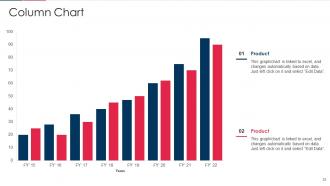
Slide 33: This slide displays Column chart with two products comparison.
Slide 34: This is an Idea Generation slide to state a new idea or highlight information, specifications etc.
Slide 35: This slide contains Puzzle with related icons and text.
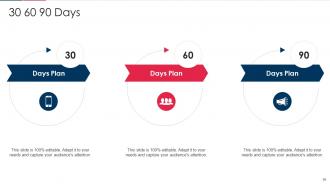
Slide 36: This slide provides 30 60 90 Days Plan with text boxes.
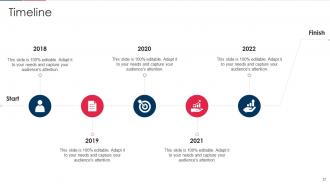
Slide 37: This is a Timeline slide. Show data related to time intervals here.
Slide 38: This is a Thank You slide with address, contact numbers and email address.
Role Of Technical Skills In Digital Transformation Powerpoint Presentation Slides with all 43 slides:
Use our Role Of Technical Skills In Digital Transformation Powerpoint Presentation Slides to effectively help you save your valuable time. They are readymade to fit into any presentation structure.
-
Role Of Technical Skills In Digital Transformation Powerpoint Presentation Slides
-
Role Of Technical Skills In Digital Transformation Powerpoint Presentation Slides
-
Role Of Technical Skills In Digital Transformation Powerpoint Presentation Slides
-
Role Of Technical Skills In Digital Transformation Powerpoint Presentation Slides
-
Role Of Technical Skills In Digital Transformation Powerpoint Presentation Slides
-
Role Of Technical Skills In Digital Transformation Powerpoint Presentation Slides
-
Role Of Technical Skills In Digital Transformation Powerpoint Presentation Slides
-
Role Of Technical Skills In Digital Transformation Powerpoint Presentation Slides
-
Role Of Technical Skills In Digital Transformation Powerpoint Presentation Slides
-
Role Of Technical Skills In Digital Transformation Powerpoint Presentation Slides
-
Role Of Technical Skills In Digital Transformation Powerpoint Presentation Slides
-
Role Of Technical Skills In Digital Transformation Powerpoint Presentation Slides
-
Role Of Technical Skills In Digital Transformation Powerpoint Presentation Slides
-
Role Of Technical Skills In Digital Transformation Powerpoint Presentation Slides
-
Role Of Technical Skills In Digital Transformation Powerpoint Presentation Slides
-
Role Of Technical Skills In Digital Transformation Powerpoint Presentation Slides
-
Role Of Technical Skills In Digital Transformation Powerpoint Presentation Slides
-
Role Of Technical Skills In Digital Transformation Powerpoint Presentation Slides
-
Role Of Technical Skills In Digital Transformation Powerpoint Presentation Slides
-
Role Of Technical Skills In Digital Transformation Powerpoint Presentation Slides
-
Role Of Technical Skills In Digital Transformation Powerpoint Presentation Slides
-
Role Of Technical Skills In Digital Transformation Powerpoint Presentation Slides
-
Role Of Technical Skills In Digital Transformation Powerpoint Presentation Slides
-
Role Of Technical Skills In Digital Transformation Powerpoint Presentation Slides
-
Role Of Technical Skills In Digital Transformation Powerpoint Presentation Slides
-
Role Of Technical Skills In Digital Transformation Powerpoint Presentation Slides
-
Role Of Technical Skills In Digital Transformation Powerpoint Presentation Slides
-
Role Of Technical Skills In Digital Transformation Powerpoint Presentation Slides
-
Role Of Technical Skills In Digital Transformation Powerpoint Presentation Slides
-

Role Of Technical Skills In Digital Transformation Powerpoint Presentation Slides
-
Role Of Technical Skills In Digital Transformation Powerpoint Presentation Slides
-
Role Of Technical Skills In Digital Transformation Powerpoint Presentation Slides
-
Role Of Technical Skills In Digital Transformation Powerpoint Presentation Slides
-
Role Of Technical Skills In Digital Transformation Powerpoint Presentation Slides
-
Role Of Technical Skills In Digital Transformation Powerpoint Presentation Slides
-
Role Of Technical Skills In Digital Transformation Powerpoint Presentation Slides
-
Role Of Technical Skills In Digital Transformation Powerpoint Presentation Slides
-

Role Of Technical Skills In Digital Transformation Powerpoint Presentation Slides
-

Role Of Technical Skills In Digital Transformation Powerpoint Presentation Slides
-

Role Of Technical Skills In Digital Transformation Powerpoint Presentation Slides
-

Role Of Technical Skills In Digital Transformation Powerpoint Presentation Slides
-

Role Of Technical Skills In Digital Transformation Powerpoint Presentation Slides
-

Role Of Technical Skills In Digital Transformation Powerpoint Presentation Slides
FAQs for Role Of Technical Skills In Digital Transformation
Honestly, pick one cloud platform first and get certified - AWS is probably your safest bet right now. You'll want Python or JavaScript under your belt, plus some basic cybersecurity knowledge. The automation stuff seems scary but it's not that bad once you dive in. Don't try to learn everything at once though, you'll burn out. Project management and agile methodologies matter way more than people think since you're basically herding cats across different teams. API integration skills are huge too. Oh, and data analytics tools - can't escape those. Start with one thing, get good at it, then branch out.
Honestly, data analytics is what keeps you from making expensive mistakes during digital transformation. Instead of guessing what works, you'll actually know. Track how users behave, see if that new tech investment paid off, catch problems early. So many teams I've worked with just ignored their data and crashed hard. When something's not working? The numbers don't lie - pivot fast. Focus religiously on 2-3 metrics that actually matter to your goals. Oh, and double down on whatever's genuinely moving things forward. Gut feelings are overrated when you've got solid data backing your decisions.
Honestly, cloud computing is what makes most digital transformation actually work. You get crazy scalability and flexibility without dropping tons of cash upfront on servers that'll be outdated in two years. Perfect for testing out AI stuff or new analytics tools - just spin things up when you need them. The security features alone would cost a fortune to build yourself (and probably wouldn't work as well anyway). Remote collaboration becomes way easier too. I'd look at what systems you're currently struggling with and figure out which ones would give you the biggest bang for your buck if you moved them over.
Make learning part of the actual workday - not something people squeeze in during their mythical "free time." Dedicate a few hours weekly to it. Cross-functional teams work great for skill sharing. When someone experiments with new tech and totally bombs? Celebrate that too. Your managers need to walk the walk by learning stuff themselves, not just talking about it. Connect learning to real projects so people actually see the point. Oh, and those lunch-and-learns are clutch - teams can show off what cool things they've found. Start there.
So digital transformation basically means way more stuff to hack - cloud apps, IoT gadgets, data bouncing everywhere. Your biggest headaches? All these new endpoints you gotta secure, plus managing who has access to what across different systems. Oh, and keeping up with compliance when data's moving around constantly. Teams rush through implementations without proper security reviews because they're under pressure to deliver fast. Here's the thing though - you can't just slap security on afterward. Build it into your transformation plan from the start. Zero-trust architecture is your friend, and definitely train your people before they go crazy with new cloud tools.
Honestly, coding helps but it's not gonna make or break you in digital transformation. I mean, understanding the basics is super useful - you can actually talk to developers without looking lost and figure out what's realistic vs what's pipe dreams. But tons of successful DT people focus more on strategy and managing stakeholders instead. The real trick? Know enough to ask good questions and call BS when tech teams try to overcomplicate things (which happens more than you'd think). I'd pick up some basic concepts in whatever your company uses, then see if you want to dive deeper.
Look, AI basically handles all the boring stuff - data analysis, repetitive tasks, customer service at weird hours. Pretty amazing how it frees you up. Plus it can predict when your equipment's about to break (which honestly saves so much headache) and optimize supply chains in real time. The personalization stuff is crazy good too - way better than what humans could pull off manually. But here's the thing - don't just throw AI at everything because it's trendy. Pick one specific problem it can actually solve for you first. Start there and expand once you see results.
Dude, UX principles can totally make or break your digital transformation. Here's the thing - you can build the most technically perfect system, but if people hate using it, they'll just go back to their old ways. I've watched this happen so many times, it's painful. Good UX means employees actually want to use your new tools instead of complaining about them. It cuts down training time too. Map out how users will move through everything before you start building - trust me, it'll save you from redoing stuff later. People are weird and predictable at the same time.
Data literacy's your foundation - you gotta know how to read analytics and actually make decisions from them. Cloud platforms are massive right now, so pick AWS, Azure, or Google Cloud and really dig into one first. APIs are everywhere since literally every system needs to talk to each other these days. Project management tools like Jira will save your sanity when juggling teams. Oh, and some basic coding knowledge helps tons - not saying become a developer, but understanding how things work makes those tech conversations way less awkward. Honestly, cloud skills probably give you the biggest bang for your buck starting out.
Honestly, start with your data setup first - can you even handle all those sensor streams? I've watched so many companies buy a ton of IoT devices then panic when they can't process anything lol. Pick one clear use case that'll actually make you money. Security's huge too since these things get hacked constantly. Train your team because someone's gotta manage all this connected stuff. Oh and definitely pilot small first - like one department, prove it works, then go bigger. Don't be the company that bought 500 sensors for no reason.
Honestly, it all comes down to clean data first - that whole garbage in, garbage out thing is so real. Don't just collect everything you can get your hands on, focus on stuff that actually matters for what you're trying to do. Cloud platforms are worth the investment since they grow with you. Your team needs to know how to read the data properly too, which sounds obvious but... yeah. The cool part is when you can automate decisions or personalize things for customers based on what you learn. I'd say pick one small thing to test it on first, show it works, then go bigger.
Honestly, Agile is clutch for digital transformation - you can pivot fast when everything changes (and it will). Breaking those huge scary projects into 2-4 week chunks keeps your team sane instead of staring down some impossible two-year death march. The feedback loops catch issues before they blow up your budget. When stakeholders flip-flop on what they want, iterative cycles save your sanity. My advice? Pick one small digital process first. Run it through a few sprints, show some wins, then scale up. Way less overwhelming than trying to transform everything at once.
Honestly, the people stuff is way harder than the tech side. Yeah, you need to understand data analytics and cloud platforms - not expert level, just enough to make decent decisions. But managing all the resistance and anxiety? That's brutal. Communication skills are huge for explaining why things are changing. Project management keeps everything from falling apart. Change management experience helps teams actually adapt instead of just complaining. Oh, and emotional intelligence - you'll be dealing with SO much pushback. I'd start by figuring out what you're weakest at first.
So APIs are basically how you get all your different software to actually talk to each other. Your CRM can automatically share customer info with your email platform, inventory updates your website in real-time - that kind of thing. Way better than manually copying data around (which honestly drives me crazy). They're like translators between systems that would otherwise just sit there isolated. I'd start by figuring out which of your tools really need to share data. That'll show you where you'd get the most bang for your buck with APIs.
Honestly, I'd start with AI/ML basics and pick one cloud platform - AWS is probably your safest bet. API stuff is everywhere now, so that's clutch. Power Automate or Zapier are game-changers for automation projects. Oh, and don't sleep on low-code platforms - they're actually way more legit than I thought they'd be. Cybersecurity fundamentals are non-negotiable since it touches everything. Data analytics tools round it out nicely. Maybe build something small first? Like a basic automation that connects two apps you use. Gets you thinking about how this stuff actually works together.
-
I didn’t expect such a good service for the money I am paying. But, they exceed my expectations. Great work SlideTeam.
-
SlideTeam has helped me take my presentation to the next level. Everyone at the office is impressed! I’ll be using their designs for a long-long time.