

Diapositivas de presentación de powerpoint del libro de estrategias de ventas




Try Before you Buy Download Free Sample Product
 Impress Your
Audience
 100%
Editable
 Save Hours
of Time


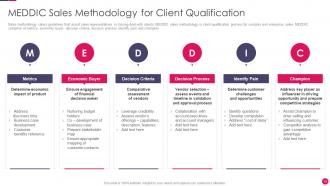
El libro de estrategias de ventas se considera un documento esencial que ayuda al equipo de ventas a implementar las mejores prácticas, tácticas y estrategias a lo largo de las diversas etapas del proceso de venta. Aquí hay una plantilla de libro de estrategias de ventas diseñada de manera competente que brinda detalles sobre las ofertas de las empresas y el rendimiento de ventas. Cubre las pautas para progresar a través del proceso de ventas, incluidas las actividades clave en todo el proceso de ventas, el plan de reuniones de ventas, el posicionamiento y los mensajes del producto, el desarrollo ideal del perfil del cliente, la alineación del viaje de los compradores con el proceso de ventas, el mapeo del viaje de la experiencia del cliente, etc. cubre diferentes metodologías de ventas en MEDDIC, venta SNAP, venta de brechas para el cierre de tratos. Cubre detalles sobre el lanzamiento de ventas a través del contenido con la gestión de contenido de ventas, la hoja de trabajo de planificación de contenido, el programa de contenido de fomento de prospectos, el plan de fomento de clientes potenciales de compradores potenciales. Además, atiende iniciativas para administrar la productividad del equipo de ventas a través de una comunicación efectiva, una lista de verificación de mejora de ventas, un sistema de gestión de mejora de la productividad. La fuerza laboral de ventas se aborda mediante el desarrollo de una estructura de informes del equipo de ventas, identificando a las personas clave involucradas, etc. El desempeño y las actividades de ventas se rastrean a través de métricas y paneles esenciales. Obtenga acceso ahora.
People who downloaded this PowerPoint presentation also viewed the following :
Contenido de esta presentación de Powerpoint
Diapositiva 1 : Esta diapositiva presenta el Manual de estrategias de ventas. Indique el nombre de su empresa y comience.
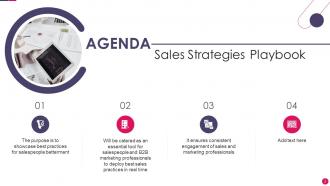
Diapositiva 2 : Esta es una diapositiva de Agenda. Indique sus agendas aquí.
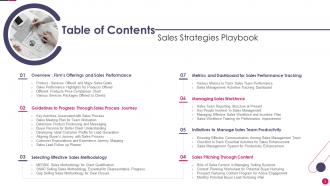
Diapositiva 3 : Esta diapositiva presenta la tabla de contenido de la presentación.
Diapositiva 4 : esta diapositiva resalta el título de los temas que se cubrirán a continuación en la plantilla.
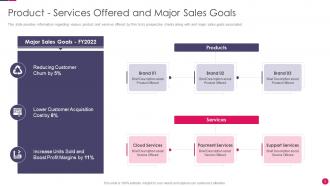
Diapositiva 5 : Esta diapositiva muestra varios productos y servicios que ofrece la empresa a sus posibles clientes.
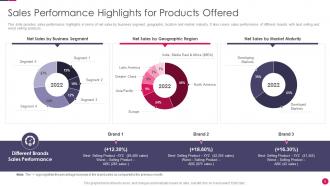
Diapositiva 6 : Esta diapositiva representa los aspectos más destacados del desempeño de ventas en términos de ventas netas por segmento comercial, ubicación geográfica, etc.
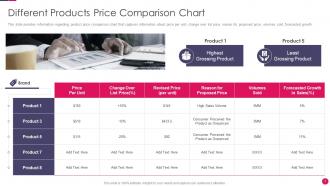
Diapositiva 7 : esta diapositiva muestra un gráfico de comparación de precios de productos que captura información sobre el precio por unidad, cambio sobre el precio de lista, etc.
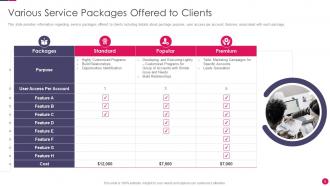
Diapositiva 8 : Esta diapositiva presenta varios paquetes de servicios ofrecidos a los clientes.
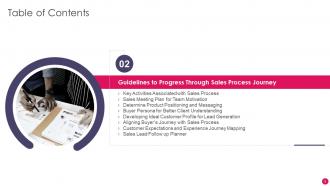
Diapositiva 9 : esta diapositiva muestra la tabla de contenido de la plantilla del libro de estrategias de ventas.
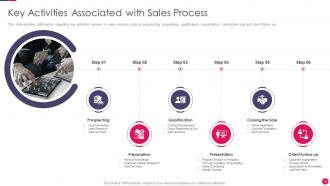
Diapositiva 10 : esta diapositiva muestra las actividades clave involucradas en el proceso de ventas, como la prospección, la preparación, la calificación, etc.
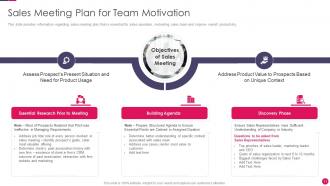
Diapositiva 11 : Esta diapositiva representa el plan de reunión de ventas que es esencial para la operación de ventas, motivar al equipo de ventas y mejorar la productividad general.
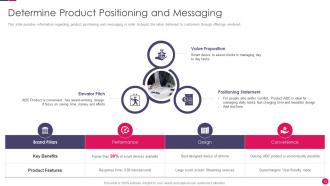
Diapositiva 12 : esta diapositiva muestra el posicionamiento del producto y los mensajes para representar el valor entregado a los clientes.
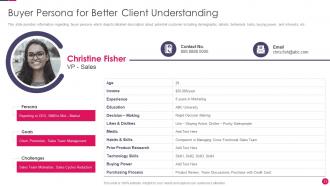
Diapositiva 13 : esta diapositiva presenta el personaje del comprador que muestra una descripción detallada sobre el cliente potencial.
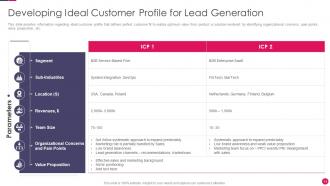
Diapositiva 14 : Esta diapositiva muestra el desarrollo del perfil de cliente ideal para la generación de prospectos.
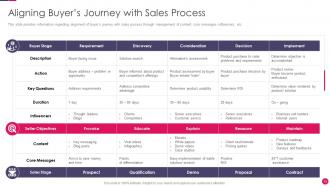
Diapositiva 15 : esta diapositiva muestra la alineación del viaje del comprador con el proceso de ventas a través de la gestión de contenido, mensajes centrales, personas influyentes, etc.
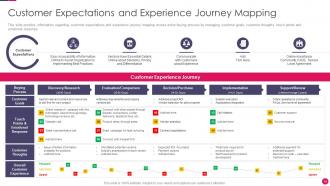
Diapositiva 16 : esta diapositiva representa las expectativas del cliente y el mapeo del recorrido de la experiencia.
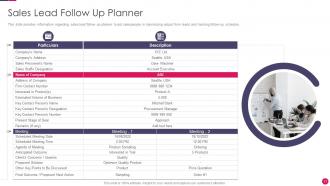
Diapositiva 17 : Esta diapositiva muestra el planificador de seguimiento de oportunidades de venta para ayudar a los vendedores a maximizar el resultado de las oportunidades de venta y realizar un seguimiento del programa de seguimiento.
Diapositiva 18 : esta diapositiva presenta la tabla de contenido de la plantilla del manual de estrategias de ventas.
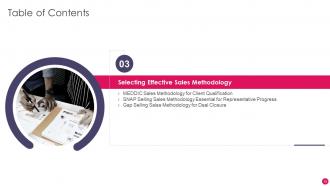
Diapositiva 19 : esta diapositiva muestra pautas que ayudan a los representantes de ventas a cerrar tratos con los clientes.
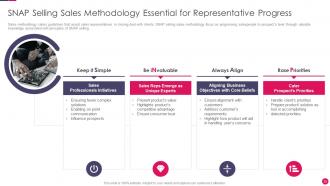
Diapositiva 20 : esta diapositiva muestra la metodología de venta de ventas SNAP esencial para el progreso de los representantes.
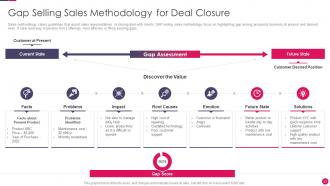
Diapositiva 21 : esta diapositiva representa la metodología de ventas de Gap Selling para el cierre de negocios.
Diapositiva 22 : esta diapositiva muestra la tabla de contenido de la plantilla del manual de estrategias de ventas.
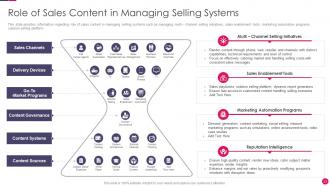
Diapositiva 23 : Esta diapositiva presenta la función del contenido de ventas en la gestión de los sistemas de ventas.
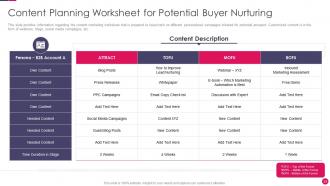
Diapositiva 24 : esta diapositiva muestra una hoja de trabajo de marketing de contenido que está preparada para realizar un seguimiento de diferentes campañas personalizadas.
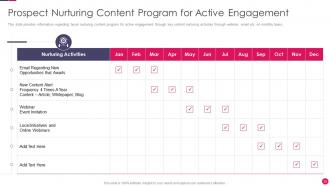
Diapositiva 25 : Esta diapositiva muestra el Programa de contenido de fomento de prospectos para participación activa.
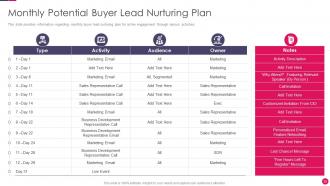
Diapositiva 26 : esta diapositiva representa el plan mensual de desarrollo de oportunidades de compra para la participación activa a través de diversas actividades.
Diapositiva 27 : esta diapositiva muestra la tabla de contenido de la plantilla del libro de estrategias de ventas.
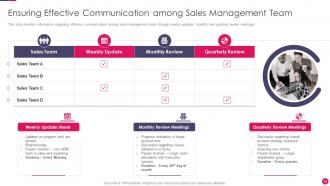
Diapositiva 28 : Esta diapositiva presenta una comunicación efectiva entre el equipo de gestión de ventas a través de actualizaciones semanales, revisiones mensuales y trimestrales.
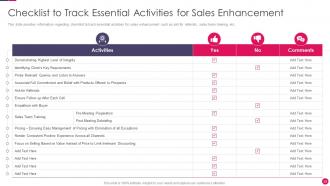
Diapositiva 29 : Esta diapositiva muestra la Lista de verificación para realizar un seguimiento de las actividades esenciales para la mejora de las ventas.
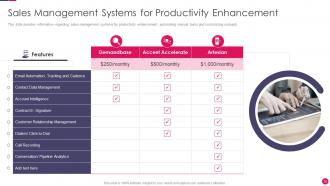
Diapositiva 30 : esta diapositiva muestra los sistemas de gestión de ventas para mejorar la productividad.
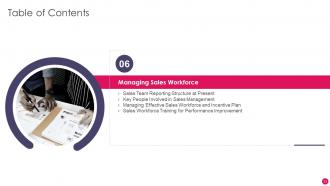
Diapositiva 31 : esta diapositiva representa la tabla de contenido de la plantilla del libro de estrategias de ventas.
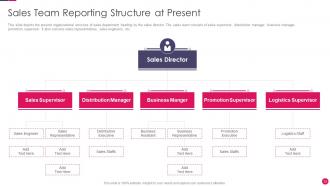
Diapositiva 32 : Esta diapositiva muestra la estructura organizativa actual del departamento de ventas encabezado por el director de ventas.
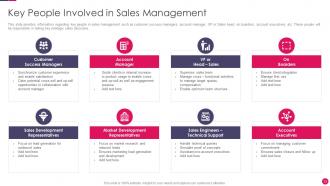
Diapositiva 33 : esta diapositiva presenta personas clave en la gestión de ventas, como gerentes de éxito del cliente, gerente de cuentas, etc.
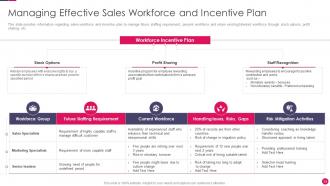
Diapositiva 34 : Esta diapositiva muestra la fuerza laboral de ventas y el plan de incentivos para administrar los requisitos de personal futuros, la fuerza laboral actual, etc.
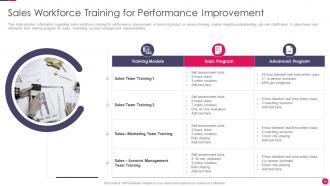
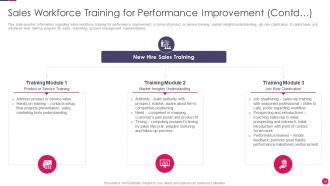
Diapositiva 35 : Esta diapositiva muestra Capacitación de la fuerza laboral de ventas para mejorar el desempeño.
Diapositiva 36 : Esta diapositiva representa la capacitación del personal de ventas para mejorar el desempeño en términos de capacitación sobre productos o servicios.
Diapositiva 37 : esta diapositiva muestra la tabla de contenido de la plantilla del manual de estrategias de ventas.
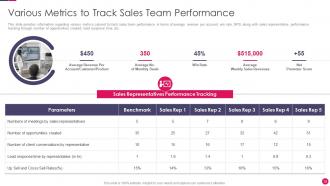
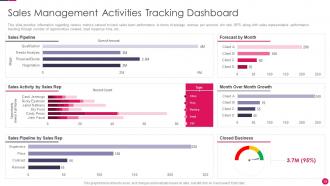
Diapositiva 38 : esta diapositiva presenta varias métricas para realizar un seguimiento del rendimiento del equipo de ventas.
Diapositiva 39 : esta diapositiva muestra varias métricas para realizar un seguimiento del rendimiento del equipo de ventas en términos de ingresos promedio por cuenta.
Diapositiva 40 : Esta diapositiva muestra Iconos para el libro de estrategias de ventas.
Diapositiva 41 : esta diapositiva se titula Diapositivas adicionales para avanzar.
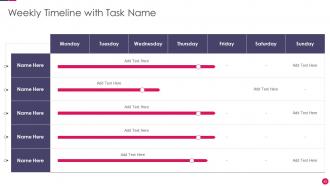
Diapositiva 42 : esta diapositiva representa la línea de tiempo semanal con el nombre de la tarea.
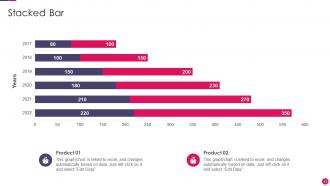
Diapositiva 43 : Esta diapositiva representa un gráfico de barras apiladas con una comparación de dos productos.
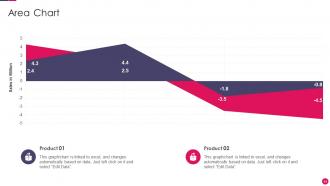
Diapositiva 44 : Esta diapositiva muestra un gráfico de áreas con una comparación de dos productos.
Diapositiva 45 : Esta es la diapositiva Nuestro equipo con nombres y designación.
Diapositiva 46 : Esta es la diapositiva Nuestro objetivo. Indique los objetivos de su empresa aquí.
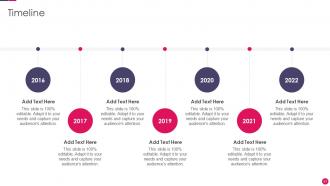
Diapositiva 47 : Esta es una diapositiva de la línea de tiempo. Mostrar datos relacionados con los intervalos de tiempo aquí.
Diapositiva 48 : Esta diapositiva contiene Rompecabezas con íconos y texto relacionados.
Diapositiva 49 : Esta diapositiva muestra el diagrama de Venn con cuadros de texto.
Diapositiva 50 : Esta es una diapositiva de agradecimiento con dirección, números de contacto y dirección de correo electrónico.
Estrategias de ventas diapositivas de presentación de PowerPoint con las 55 diapositivas:
Utilice nuestras diapositivas de presentación de Powerpoint del libro de estrategias de ventas para ayudarlo de manera efectiva a ahorrar su valioso tiempo. Están listos para encajar en cualquier estructura de presentación.








FAQs for Sales strategies playbook
Honestly, millennials can smell BS from a mile away, so authenticity is everything. They want real customer reviews, not polished marketing speak. Social media engagement works way better than traditional ads - show behind-the-scenes stuff and make sure your values actually match theirs. User-generated content is gold. Oh, and everything needs to work perfectly on mobile since they're always on their phones. Don't make them fill out tons of forms or wait around - they'll just leave. I'd start by looking at your current stuff and asking "does this feel genuine or like corporate fluff?"
Dude, stories are game-changers for sales presentations. People's brains literally light up differently when they hear narratives instead of boring feature lists. When you tell a customer success story, prospects can actually picture themselves in that situation - way more powerful than just rattling off specs. Plus it builds trust because you're showing real proof, not just making claims. I learned this the hard way after bombing a few pitches with pure data dumps. Try starting your next presentation with how you solved a similar client's problem. Trust me, you'll see the difference immediately.
Honestly, data analytics is like having a cheat sheet for sales. You'll actually see which leads turn into customers instead of just guessing. Track what your best prospects have in common, then focus there. Way better than shooting in the dark, you know? I mean, I used to think I knew my customers but the data showed me I was totally wrong about half my assumptions. Start small though - pick maybe two things to measure that actually matter to your numbers. Don't go crazy trying to track everything at once.
Honestly, social media works best when you're not being all salesy right away. Start by sharing stuff that actually helps people - case studies, industry tips, whatever solves their problems. LinkedIn's your best bet for B2B (duh). Instead of constantly pitching, just engage with your prospects' posts naturally. Comment on their stuff, be genuinely helpful. Social listening is clutch too - find people complaining about problems you can solve, then jump in with useful advice. I'd say pick 10-15 key prospects and start commenting on their posts this week. Build those relationships first, sales come later.
Honestly, it comes down to who's making the buying decision. B2B deals with multiple people in the mix - you've got managers, IT folks, finance teams all weighing in. Takes forever but the deals are usually worth more. B2C is way more straightforward. Someone sees your product, likes it, buys it. Quick emotional decisions vs those endless corporate approval chains. For B2B you'll need case studies, detailed demos, the whole nine yards. B2C? Just show clear benefits and make it easy to purchase. Figure out which audience you're targeting first, then match your approach to how they actually make decisions.
Track your lagging stuff first - revenue, conversion rates, deal size. That's the obvious part. But honestly? Leading indicators matter way more since they show what's coming. Watch activity levels, pipeline quality, how engaged prospects actually are. Daily and weekly targets too. Customer acquisition cost vs lifetime value is huge - don't want to hemorrhage cash chasing bad leads. Throw it all in a weekly dashboard so you can catch problems before they bite you. I learned this the hard way last year.
Start by actually listening to what they're saying - ask "what specifically worries you about that?" so you really get it. Then hit back with proof: testimonials, case studies, whatever you've got. There's this old sales trick called "feel, felt, found" that honestly works pretty well - like "I get how you feel, other clients felt the same way, but here's what they discovered..." Just don't get all defensive about it. That makes everything awkward. Oh, and definitely practice your responses ahead of time or you'll stumble through them when it actually matters.
Dude, EQ is everything in sales. Like, you can have the best pitch in the world but if you can't read people, you're toast. I've watched so many reps completely miss when someone's checked out or getting annoyed. The good ones? They pick up on tone, notice body language shifts, know when to back off. It's wild how much you can learn just by actually listening instead of waiting for your turn to talk. Honestly feels like a superpower once you get good at it. Try paying attention to voice changes on your next few calls - you'll be surprised what you catch.
Dude, customer feedback is like having cheat codes for sales. Listen to what people actually tell you and you'll start seeing patterns - maybe you're rushing through your pitch or hammering benefits they don't care about. Ask your recent wins AND losses what made them decide. You'll be shocked what comes up. The timing thing is huge too - I learned I was bringing up pricing way too early and scaring people off. Plus people love when you actually ask their opinion, makes them feel heard. Honestly, this one change probably boosted my close rate more than any other "technique."
You gotta actually talk to your customers first - like, real conversations about what was driving them crazy before they found you. Their exact words are gold because that's how other people in their shoes think too. Most companies just guess at this stuff and end up with boring, generic messaging that makes everyone's eyes glaze over. Map out what their typical day looked like when things sucked, then connect your solution to those specific headaches. Focus on the transformation they get, not your fancy features. Test different versions with prospects - you'll know you nailed it when they're like "omg yes, that's exactly what I'm dealing with."
Dude, social selling is where it's at right now. You gotta build real relationships on LinkedIn instead of just throwing pitches at people. Interactive stuff works way better - polls, quizzes, live demos. Static presentations? Nobody's got time for that anymore, honestly. Personalized video prospecting is crushing it too, especially when you call out their specific pain points. Oh and AI tools can help you figure out the best prospects and timing. But here's the thing - be helpful first, salesy second. Share valuable stuff in their feeds before you ever ask for a meeting.
Dude, you gotta personalize those pitches - it's honestly night and day. Nobody wants another boring "we increase efficiency by 30%" presentation (ugh, kill me now). Do like 10 minutes of homework beforehand and swap out at least 3 slides for their specific situation. Drop their company name, mention problems you found during research, show case studies from their industry. When prospects see you actually understand their exact pain points instead of some generic solution? They'll actually listen. It's kinda crazy how much this works, but people just want to feel heard, you know?
Honestly? Get everyone on the same CRM first - sounds basic but you'd be amazed how many teams still work in separate systems. Weekly syncs help too, where people actually share their wins and what's screwing them over that week. I'd also ditch individual-only targets and create some shared goals that force people to work together. Oh, and pipeline transparency is huge - when everyone can see what's happening across territories, it stops being this weird competitive thing. Your top performers probably have gold they're not sharing, so set up regular sessions for them to spill their secrets. Breaking down silos takes time but it's worth it.
Dude, cultural stuff will totally sink your international sales if you're not careful. Germans want straight facts and data - no fluff. But try that in Japan? You'll bomb because they need to build trust first. Decision-making is weird too - Americans love quick individual calls while other places need the whole team to agree. Honestly, even eye contact rules are different everywhere, which sounds minor but isn't. Get local sales people who actually know this stuff. Or at least do your homework on business customs before you jump in. Trust me on this one.
Dude, follow-up is literally what makes or breaks you in sales. Most reps bail after like 2 attempts, but here's the thing - 80% of deals need at least 5 touchpoints. You're basically leaving money on the table if you don't stick with it. Each follow-up needs to actually help them somehow. Share something useful, check where they're at, or tackle whatever new issue popped up. Don't just be like "hey, still interested?" The consistency thing is huge too - it shows you're not just trying to hit your quota and disappear. Set up reminders so you don't forget people. Trust me, being systematic about it pays off.
-
Wonderful templates design to use in business meetings.
-
Innovative and attractive designs.