

Plano de desenvolvimento pessoal - slides de apresentação




Try Before you Buy Download Free Sample Product
 Impress Your
 Audience
 100%
100% Editable
 Save Hours
 of Time


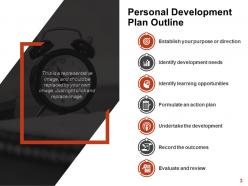
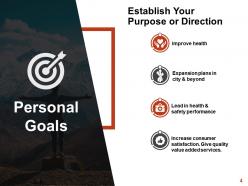
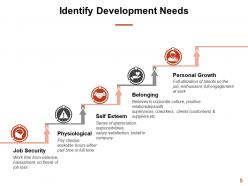
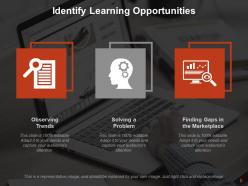
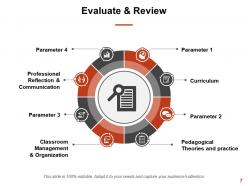
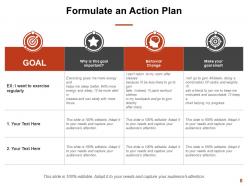
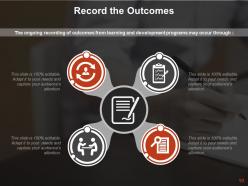
Torne-se uma pessoa melhor com slides de apresentação em PowerPoint prontos para conteúdo, projetados profissionalmente para o Plano de Desenvolvimento Pessoal. Incorpore slides de apresentação em PowerPoint do plano de desenvolvimento pessoal e procure aprender novas habilidades e coisas interessantes. Adicione modelos de apresentação em PowerPoint do plano de desenvolvimento pessoal, defina metas, maximize seu potencial completo e intensifique suas perspectivas de empregabilidade. Este deck inclui vários modelos para você fazer escolhas positivas na vida. Tais modelos estabelecem sua direção, identificam as necessidades de desenvolvimento de identidade, identificam oportunidades de aprendizagem, avaliam e revisam, formulam um plano de ação, realizam o desenvolvimento, registram os resultados, etc. Esses modelos são completamente editáveis. Você pode usar esses slides de apresentação em PowerPoint do plano de desenvolvimento pessoal conforme sua necessidade. Desenvolva uma visão pessoal, gerencie o desenvolvimento pessoal, inicie o processo de melhoria, registre o desenvolvimento pessoal e muito mais usando slides de apresentação em PowerPoint do plano de desenvolvimento pessoal. Alcance metas de carreira, melhore os objetivos de desempenho, desenvolva uma habilidade ou comportamento específico com modelos de apresentação em PowerPoint de plano de desenvolvimento pessoal. Nossos slides de apresentação em PowerPoint do Plano de Desenvolvimento Pessoal são ideais para qualquer estreia. Ele alivia as apreensões de uma primeira tentativa.
People who downloaded this PowerPoint presentation also viewed the following :
Conteúdo desta apresentação em PowerPoint
Você já se perguntou por que hoje em dia todos se concentram no autodesenvolvimento? Como o autodesenvolvimento pode torná-lo uma pessoa melhor? O autodesenvolvimento é apenas sobre alcançar o sucesso ou há algo mais além disso? Todas essas perguntas já lhe ocorreram? Sim, o autodesenvolvimento desempenha um papel crucial na vida de todos. Seja no início de uma jornada de carreira, em um relacionamento ou qualquer outra coisa, o autodesenvolvimento é uma parte essencial da vida de todos.
Você sabe disso, mas sua intuição diz que você está faltando em algum lugar e precisa se aprimorar profissional e pessoalmente. Bem, se você está enfrentando isso, então você não está sozinho. Todo indivíduo lutou com essa fase e a superou com o tempo.
Sim, existem seminários e sessões para obter um senso mais claro de direção, mas o passo mais crucial é estabelecer e seguir uma estratégia sólida para ter sucesso. Deve haver uma abordagem rápida para estratégias e metas de autodesenvolvimento para impulsionar você mesmo. Precisa de ajuda com isso? Então, confira nossos modelos de autodesenvolvimento, que cobrem vários tópicos, destacando os conceitos críticos de autodesenvolvimento. Mencionamos que nossos modelos podem ser personalizados de acordo com as necessidades?
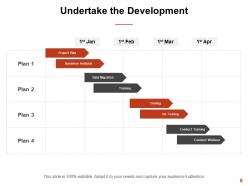
Slide 1: Título - Plano de Desenvolvimento Pessoal Slide 2: Introdução - Definição de Plano de Desenvolvimento Pessoal - Importância do desenvolvimento pessoal Slide 3: Autoconhecimento - Identificar pontos fortes e áreas de melhoria - Definir objetivos de desenvolvimento Slide 4: Estabelecendo Metas - Definir metas SMART (Específicas, Mensuráveis, Alcançáveis, Relevantes e com Prazo) - Alinhar metas com objetivos de desenvolvimento Slide 5: Plano de Ação - Identificar ações necessárias para atingir as metas - Definir prazos e responsabilidades Slide 6: Desenvolvimento de Competências - Identificar competências a serem desenvolvidas - Selecionar atividades de aprendizagem Slide 7: Recursos de Aprendizagem - Cursos, treinamentos, mentoria, leituras, etc. - Acesso a recursos de aprendizagem Slide 8: Monitoramento e Avaliação - Acompanhar o progresso das metas - Ajustar o plano, se necessário Slide 9: Apoio e Feedback - Envolver líderes e colegas no processo - Solicitar feedback regular Slide 10: Benefícios do Plano de Desenvolvimento Pessoal - Melhoria do desempenho profissional - Aumento da motivação e satisfação Slide 11: Exemplos de Planos de Desenvolvimento Pessoal - Caso 1: Desenvolvimento de liderança - Caso 2: Melhoria de habilidades de comunicação Slide 12: Implementação do Plano - Definir prazos e responsabilidades - Acompanhar e ajustar o plano regularmente Slide 13: Desafios e Superação - Identificar possíveis obstáculos - Estratégias para superar desafios Slide 14: Aprendizado Contínuo - Importância do desenvolvimento pessoal ao longo da carreira - Atualização constante de conhecimentos e habilidades Slide 15: Conclusão - Resumo dos principais pontos abordados - Importância do Plano de Desenvolvimento Pessoal Slide 16: Perguntas e Respostas - Espaço para discussão e esclarecimento de dúvidas Slide 17: Referências - Fontes de informação utilizadas Slide 18: Agradecimentos - Reconhecimento a pessoas e organizações envolvidas Slide 19: Contato - Informações de contato do apresentador Slide 20: Obrigado - Agradecimento final aos participantes
Nosso Plano de Desenvolvimento Pessoal Apresentação de slides em PowerPoint é um atrativo irresistível. Convença as pessoas a lhe dar uma audiência.




FAQs for Self development plan
Okay so first thing - pick 2-3 specific things to work on, not like 10. I learned this the hard way lol. Instead of "get better at leadership," go with something like "finish that conflict resolution course by March." Way more concrete. Figure out what skills you actually have vs what you need - be brutally honest here. Then map out a realistic timeline and what resources you'll need (courses, books, maybe finding a mentor). Set up monthly check-ins with yourself to see how you're doing. Even just writing down your thoughts works. The people who succeed at this stuff don't try to fix everything at once - they focus on a few key areas and actually follow through.
Honestly, SMART goals are game-changers because they turn vague ideas into actual plans. You know how people say "I wanna get better at public speaking"? That's basically useless. Instead, try "I'll do one 5-minute presentation at work monthly for three months." Way more concrete. The tracking part keeps you sane when progress feels slow - you can literally see you're moving forward. I'm terrible at sticking to goals without clear deadlines, so the time-bound thing really works. Write down maybe 2-3 SMART goals for whatever you're working on and check them weekly.
Look, you can't fix what you don't know is broken, right? Self-assessment shows you exactly where you're at before you start trying to get somewhere else. I've watched so many people jump straight into goals without understanding their actual strengths and weaknesses first - then they wonder why nothing changes. Get honest feedback from others, really look at your performance, figure out what you're good at and what needs work. It's like using GPS but actually knowing your starting point. Once you have that clarity, you can set goals that'll actually make a difference instead of just spinning your wheels.
Track the obvious stuff first - set real numbers like "read 2 books monthly" or "meet 5 new people this quarter." But honestly? The subtle changes matter way more. Notice when you handle drama differently or speak up in meetings. I keep a messy journal where I just dump thoughts monthly - sounds cheesy but it works. You'll miss your own progress otherwise since this stuff happens so gradually. Short bursts work better than long reflections too. The key is picking whatever method you'll actually stick with consistently.
Honestly, break that big goal into tiny chunks first. I'm weirdly addicted to crossing stuff off lists - so satisfying! Get yourself an accountability buddy too, makes such a difference. When motivation tanks (which happens to everyone), don't rely on willpower alone. Build actual systems instead. Like, make your dev work as routine as morning coffee. Oh and write down WHY you started this whole thing somewhere you'll actually see it daily. That's saved me more times than I can count. Small wins matter way more than people think.
Honestly, they're like having someone call you out when you're being lazy. You know how you'll skip your daily reading or whatever when nobody's watching? Well, now someone IS watching lol. Mentors are clutch because they've been there - they'll catch stuff you miss and suggest things you never would've thought of. I swear just knowing my mentor will ask "so how's that networking going?" makes me actually do it instead of procrastinating. Find someone who's got your back but won't buy your excuses when you slack off.
Honestly, just start with something dead simple like a spreadsheet or Notion - you'll actually stick with it that way. Habitica's pretty cool if you like the whole gaming aspect. I used to overthink this stuff way too much lol. For something more hands-on, try the Full Focus Planner or apps like Way of Life for quick daily stuff. Strides is solid too. Don't get fancy right away though. Pick whatever fits how you already work and commit to using it for 30 days before you even think about switching. Otherwise you'll just keep jumping between tools and never actually track anything.
Honestly, emotional intelligence is way more practical than people make it sound. Set phone reminders to check in with your feelings during the day - sounds silly but it works. The four big areas are self-awareness, managing your reactions, empathy, and social skills. I've gotten better at pausing before I react when I'm stressed, plus reading people's emotions more accurately. Track specific stuff like "I'll actively listen in three conversations this week" instead of some vague goal. It's made a real difference in my relationships and work life, though I still mess up sometimes.
Dude, you can't hit your self-development goals without decent time management. Period. I've watched so many friends set these awesome plans then never follow through because life just steamrolls over everything. The trick is blocking out even 30 minutes daily - treat it like you would any meeting you can't skip. Otherwise your growth plans become this fantasy list that gets buried under work emails and random errands. Honestly, consistency beats intensity every time. You'll be shocked how much progress you make just showing up regularly for that half hour.
Think of your self-development plan like a GPS that recalculates when you take a wrong turn. Life throws curveballs—new job, career switch, whatever—so your goals need to roll with it. I used to stubbornly stick to plans that made zero sense anymore (rookie mistake). Set up quarterly check-ins to see what's still working. Maybe you'll ditch those coding courses for management training, or push back deadlines because you're swamped. Industry shifts happen fast these days. Don't scrap the whole thing when life changes—just tweak it and keep moving forward.
Okay so mindfulness is basically like having a mirror for your brain - you start noticing all the dumb stuff you do automatically. Self-reflection takes it further and helps you figure out WHY you keep doing those things. I totally wrote this off as hippie nonsense for years, but it actually works. Like, you can't fix problems you don't even realize you have, right? Most people just try random self-help tactics without understanding their own patterns first. That's backwards. Start small - maybe spend 10 minutes each week writing down what went well and what sucked. You'll be surprised what patterns show up.
Don't try tackling like 10 goals at once - you'll just crash and burn. Been there, done that lol. Pick maybe 2-3 max and make them super specific, not some vague "get healthier" nonsense. The perfectionist thing will kill you too. Miss one day? So what, just keep going. Oh and actually put "review my goals" in your calendar or they'll just sit there forever. I swear people spend hours making these elaborate plans then never look at them again. Start small, see what sticks, then build from there.
Honestly, treat it like learning guitar or whatever - pick specific things to work on and actually practice them. Maybe you suck at small talk (join the club), or you're terrible at remembering names. Join some professional groups, go to industry meetups, or just try having real conversations with coworkers instead of the usual "how's your day" nonsense. Don't just wing it and hope you'll magically get better. I started tracking how awkward I felt at events, and it actually helped me see progress. The whole point is being deliberate about it rather than crossing your fingers.
You'll get stuck fast if you stop learning new stuff. The world changes so quickly now - I swear my job looks nothing like it did two years ago. Your skills need constant updates or you become irrelevant pretty quick. Learning keeps you flexible and honestly opens opportunities you never saw coming. Even something small like reading for 15 minutes or doing a short online course each week makes a real difference. Oh, and make it routine instead of just cramming when you feel behind. That's when it actually sticks and helps long-term.
Honestly, I used to burn myself out trying to keep work and personal stuff totally separate. Now I focus on skills that help both - like communication or time management. Reading about emotional intelligence? That's gold for your job AND relationships. Pick 2-3 things that would actually make a difference in both areas. Block out time for each, but don't stress when they overlap. Sometimes the best growth happens when you stop trying to compartmentalize everything. Start with what genuinely matters to you first - that's where you'll see real progress anyway.
-
Wonderful templates design to use in business meetings.
-
Informative presentations that are easily editable.