Software As A Service Sales Powerpoint Presentation Slides
Try Before you Buy Download Free Sample Product
Audience
Editable
of Time
The practise of selling web-based software that clients access through an online portal is known as SaaS sales. The purpose of SaaS sales products is to address a business problem. The overall aim, like with any B2B sales, is to make the customer more successful. Customers essentially become repeat customers every month, quarter, or year if the product has a subscription-based pricing plan.SlideTeam is a company that understands the sales process. We have created software PowerPoint templates to help you get in-depth information about Software as a service sales. These templates are easy to use and can be customized for your own needs. If you're looking for an edge up on the competition, download our software ppt templates now.
People who downloaded this PowerPoint presentation also viewed the following :
Content of this Powerpoint Presentation
Slide 1: This slide introduces Software As a Service Sales. State Your Company Name and begin.
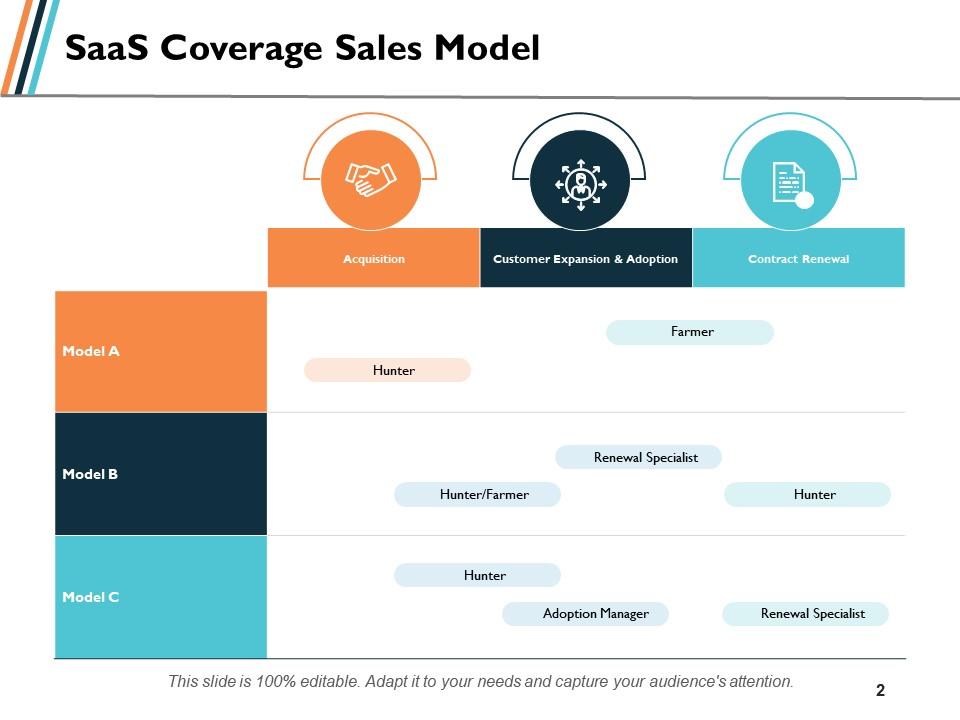
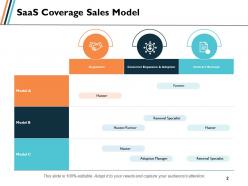
Slide 2: This slide shows SaaS Coverage Sales Model in a tabular form.
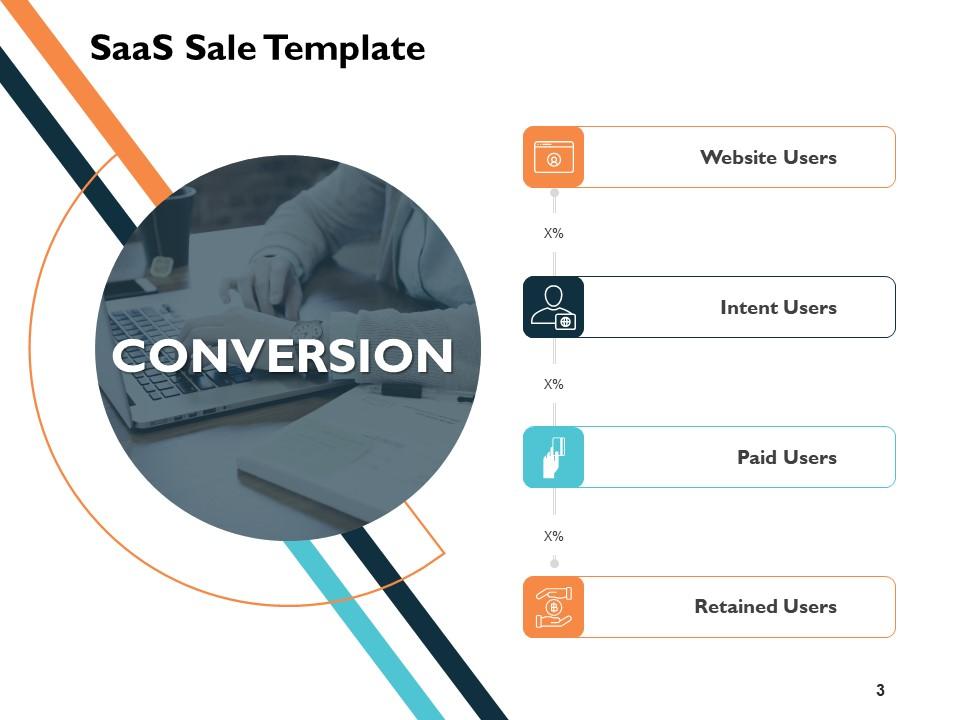
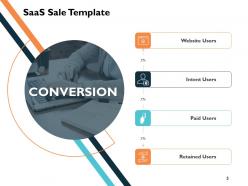
Slide 3: This slide presents SaaS Sale Template describing- Website Users, Intent Users, Paid Users, Retained Users.
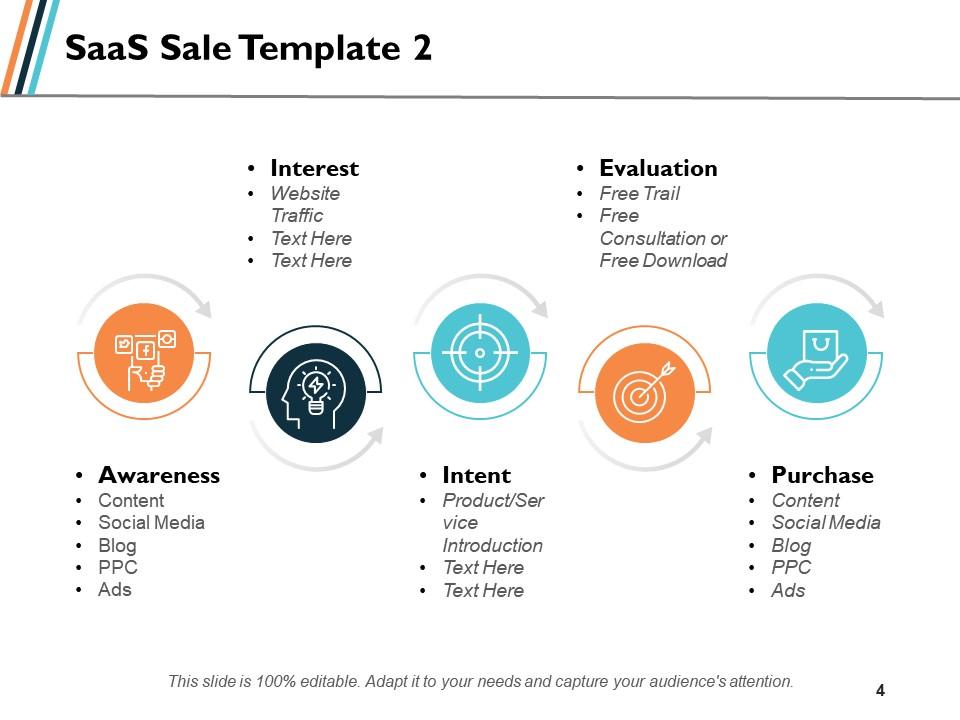
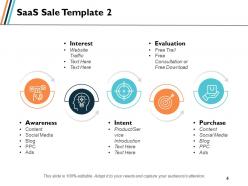
Slide 4: This slide displays SaaS Sale Template 2 describing- Awareness, Interest, Evaluation, Intent, Purchase.
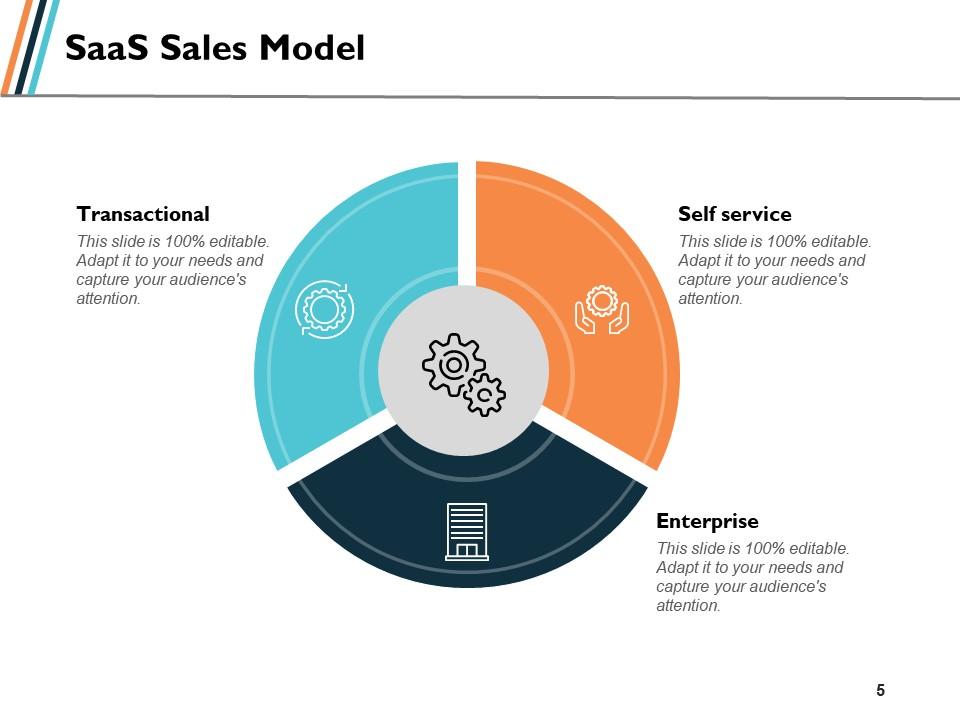
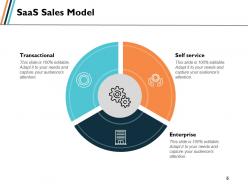
Slide 5: This slide represents SaaS Sales Model describing- Transactional, Enterprise, Self service.
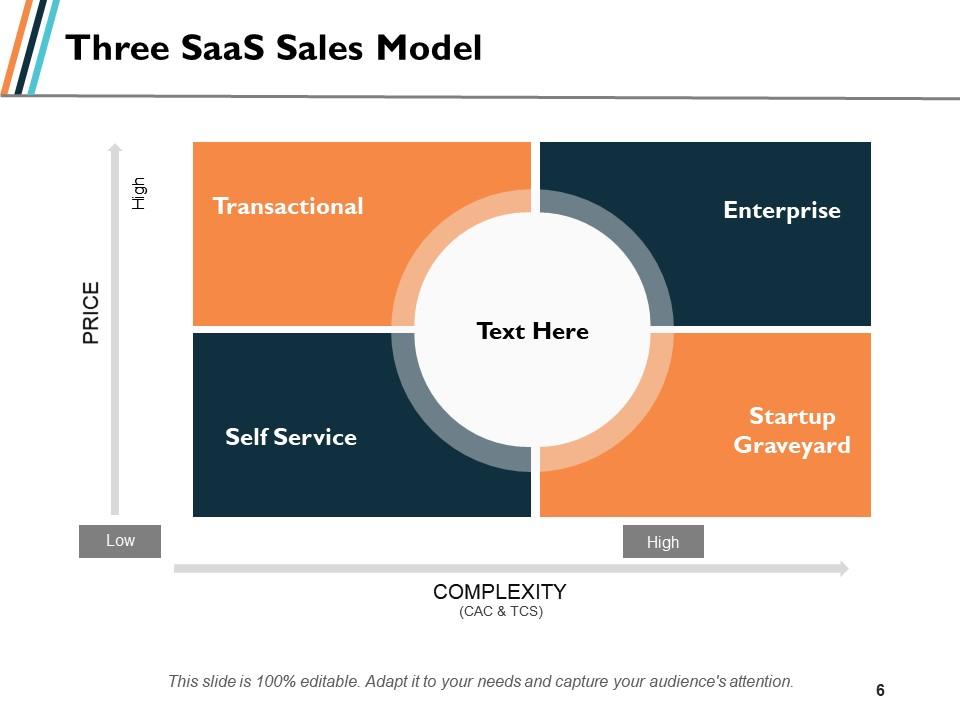
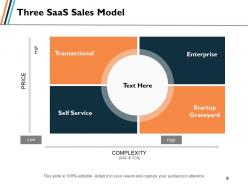
Slide 6: This slide showcases Three SaaS Sales Model.
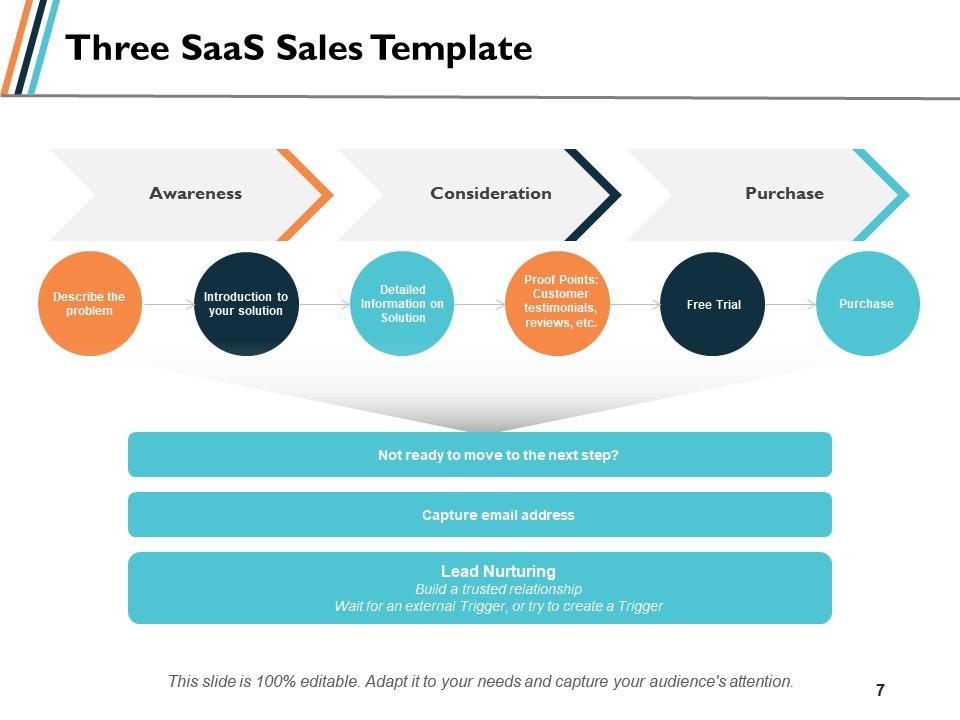
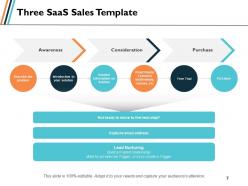
Slide 7: This slide shows Three SaaS Sales Template describing- Awareness, Consideration, Purchase.
Slide 8: This slide is titled as Additional Slides for moving forward.
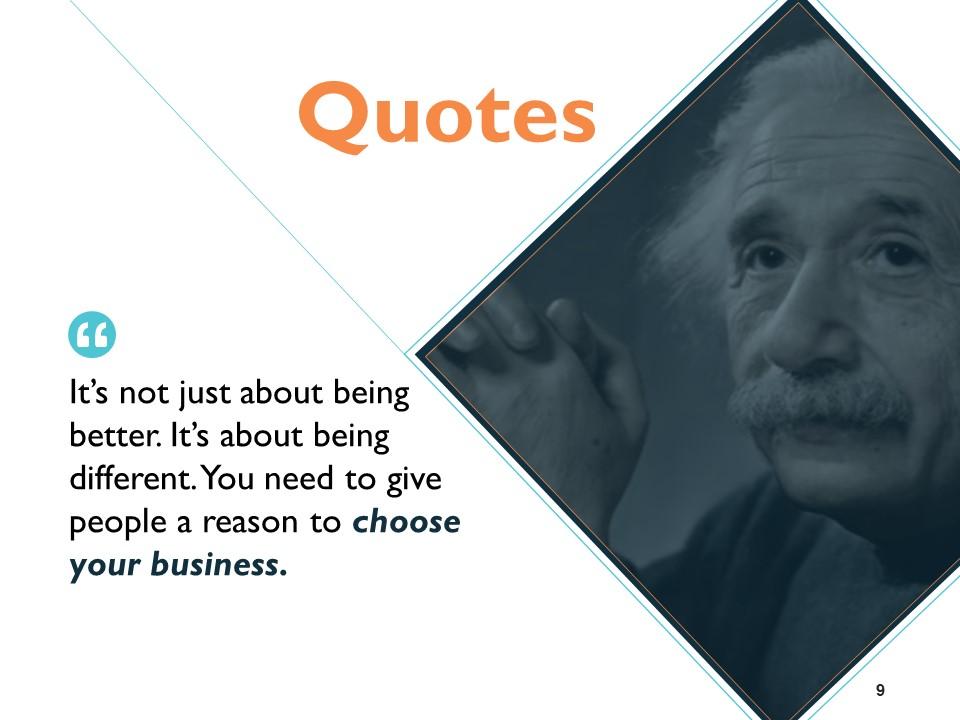
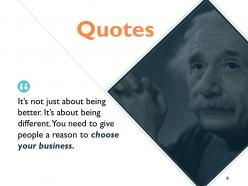
Slide 9: This is a Quotes slide to highlight or state anything specific.
Slide 10: This is a Timeline slide. Show information related with time period here.
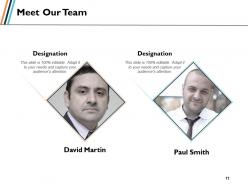
Slide 11: This is Meet Our Team slide with names and designation.
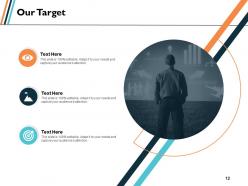
Slide 12: This is Our Target slide. Show your targets here.
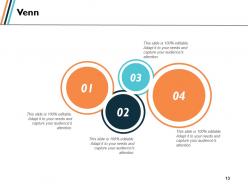
Slide 13: This is a Venn slide with text boxes to show information.
Slide 14: This is About Us slide to show company specifications etc.
Slide 15: This slide is titled as Post it Notes. Post your important notes here.
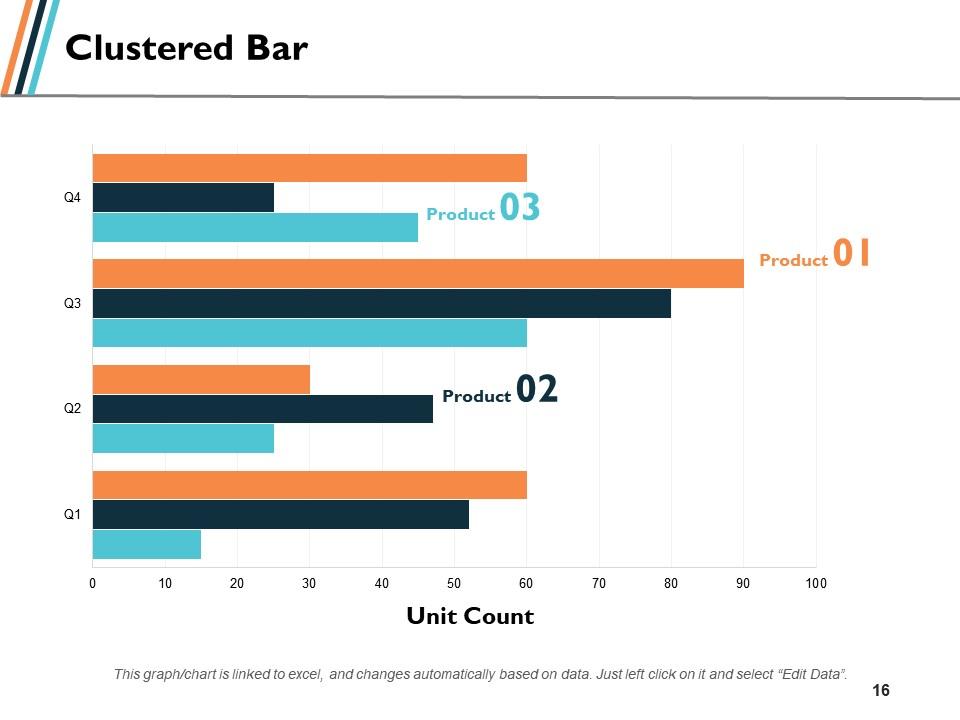
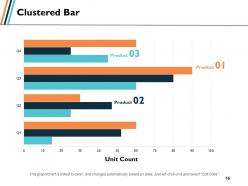
Slide 16: This slide shows Clustered Bar graph with three products comparison.
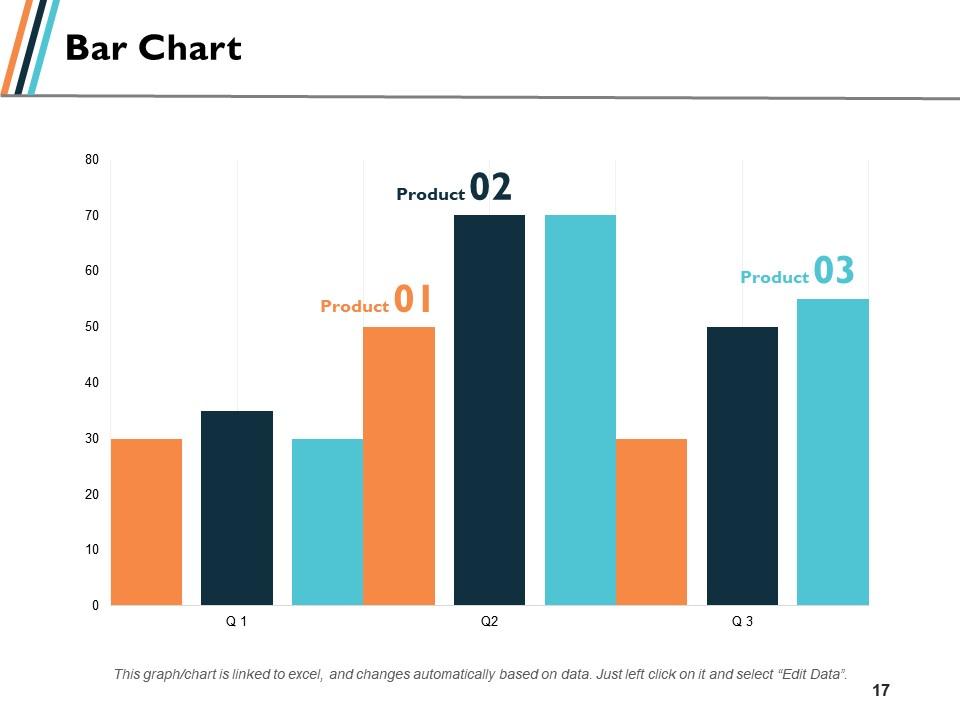
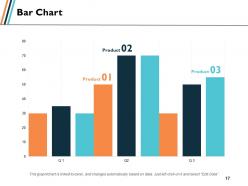
Slide 17: This slide displays Bar Chart with three products comparison.
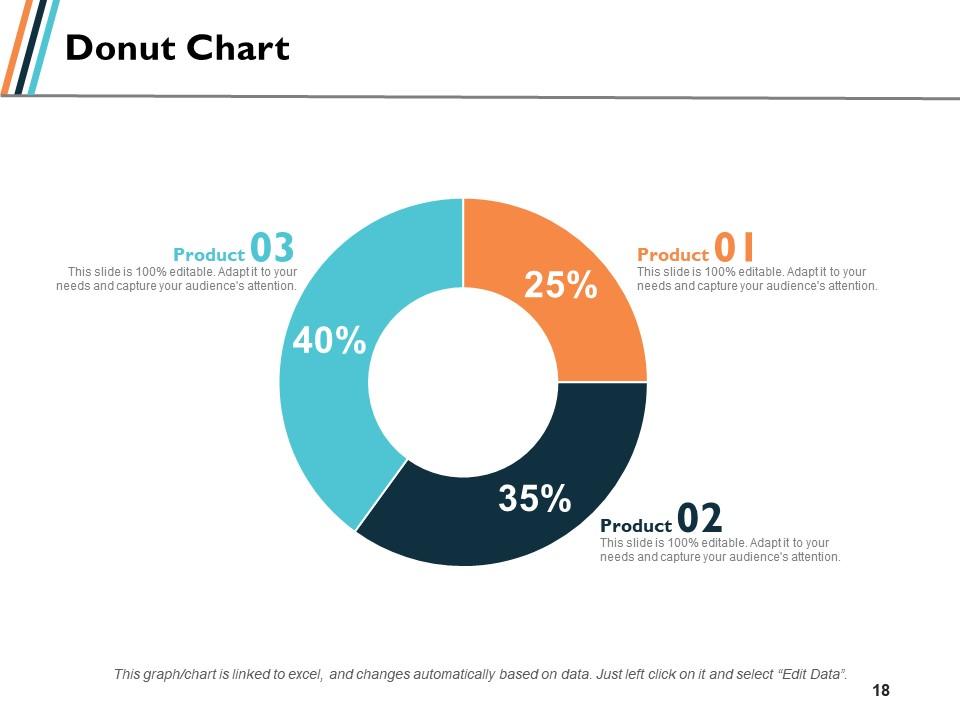
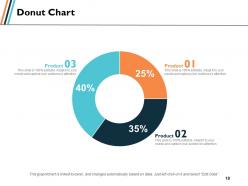
Slide 18: This slide presents Donut Chart with data in percentage.
Slide 19: This is a Thank You slide with address, contact numbers and email address.
Software As A Service Sales Powerpoint Presentation Slides with all 19 slides:
Handle frustrations that arise with our Software As A Service Sales Powerpoint Presentation Slides. Deal with it in a focused fashion.
FAQs for Software As A Service Sales
Ok so here's what works: First, actually figure out what's bugging them instead of guessing. Then only show the stuff that fixes their specific problems - I know it's tempting to demo every cool feature but don't. Ask questions while you're presenting to keep them engaged. Throw in some real customer examples that match their situation (this part's huge). At the end, give them something concrete to do next - trial, pricing call, whatever makes sense. Oh and keep the whole thing about their results, not how awesome your product is. Way more effective that way.
Here's what works for me - find a customer story that's basically a mirror of your prospect's situation and industry. Lead with the problem they were dealing with (gets them hooked right away). Then show exactly how your SaaS fixed it, step by step. Don't forget the actual numbers and results at the end. Honestly, most sales reps I know just rattle off features like they're reading a spec sheet. Big mistake. Your prospect needs to picture themselves winning, not your product being amazing. Keep it short - maybe 3 minutes max? And yeah, practice it until you're not obviously reading from a script.
Oh man, don't make my mistake of jumping straight into features without figuring out what's actually broken for them first. Ask questions! I used to talk way too much and barely listened. Also never BS about technical stuff or promise features that don't exist - learned that one the hard way. Focus on the outcomes they actually want, not how cool your product is. And honestly? Always have concrete next steps ready instead of that awkward "any questions?" thing. Keep it conversational and really pay attention to what they're telling you.
Dude, skip the spreadsheet dumps - nobody wants to stare at rows of numbers. Visual stuff like charts actually tells a story that makes sense. Show them ROI curves or how user adoption climbed over time. Way more engaging than raw data, trust me. When you demo, let them click around interactive dashboards themselves. People love poking at stuff and discovering insights on their own. Just make sure whatever you're showing connects to their actual problems. Like if their competitor cut churn by 40% using your tool - that's the visualization that'll get them interested, not some generic metric that doesn't relate to their world.
Honestly, just stick to the metrics that actually move the needle - ARR growth, customer acquisition cost, lifetime value, and churn rates. Those are what executives really care about. Show them clear ROI by proving you either save money or make money. Monthly recurring revenue is like crack to these people, they can't get enough of it. You'll also want some operational stuff like time-to-value and adoption rates to prove your product isn't just pretty slides. But seriously, don't overwhelm them with data - pick maybe 3-4 metrics that directly hit their biggest headaches and call it a day.
Stop pitching features - nobody cares about your bells and whistles. Lead with their actual pain points instead. Like, "I heard you're stuck doing 15 hours of manual reporting every week." Then walk them through how your thing fixes that exact problem. Don't just throw around vague "saves time" promises (seriously, everyone says that). Show the real workflow changes. Connect every single feature back to something they actually complained about during discovery. You want them picturing their workday getting way less annoying, not just signing another software contract.
Demos are where you actually close deals, not just talk about features. Show them 2-3 workflows that fix their exact problems - don't do the whole feature tour thing, it's painful for everyone. Make it interactive so they can jump in with questions. Honestly, the best demos feel more like conversations than presentations. I always focus on what they mentioned during discovery calls first. Oh and here's the thing - end by asking what they'd want to implement first if they moved forward. That question alone tells you if they're serious or just tire-kicking.
Dude, you gotta totally switch up your pitch depending on who's in the room. Executives? They only care about ROI and big picture stuff. End-users just want to know if it'll make their job suck less. IT people are obsessed with security and how everything connects - honestly they're the hardest to win over sometimes. I literally have like 3-4 different slide decks for the same product because what gets a CFO excited (cost savings, metrics) will bore a marketing manager to tears. Always ask what their role is right off the bat. Then you can talk technical with IT, business impact with C-suite. Match their vibe.
Honestly, the biggest thing is mixing it up every few minutes - polls, breakout rooms, calling people by name to answer stuff. I always keep my camera on even when screen sharing because it feels way more personal. Oh and those annotation tools are clutch - let them actually draw on your demo screen. Send materials ahead of time so nobody gets lost trying to follow along. The silence thing will kill you though, so pause constantly and ask if anyone has questions. Breakout discussions work great too. Just keep it conversational - nobody wants another boring webinar.
Dude, follow-up materials can totally save your deal. Your prospects are juggling like 5 different vendors, so that package you send becomes your voice when you're not there. I always include personalized ROI stuff, case studies that actually match their situation, and implementation timelines. Oh, and definitely address whatever questions popped up during the demo. Here's the thing though - generic brochures are useless. Make it about their specific pain points you talked through. Get it to them within 24 hours while they still remember your conversation. Trust me on this one.
Don't jump straight into defending your price when they say it's too expensive. Ask what ROI they're actually looking for first. Most objections are really just questions in disguise anyway. When they claim they're happy with their current setup, dig deeper. What gaps might they not even realize exist? I swear the "feel, felt, found" thing works wonders: "I get how you feel, others felt the same way, but here's what they discovered..." Always ask what they think about your response instead of just bulldozing ahead. Acknowledging their concern upfront makes everything smoother.
So you want to sprinkle social proof all through your pitch? Start by throwing up logos of big names who use your product - honestly, that does half the work before you say anything. Then hit them with case studies that actually match their situation, like "Company X cut their churn by 40% in 6 months." Numbers work too - "10,000+ users" or whatever your stats are. The trick is making it relevant to their specific problems, not just random success stories that don't connect. Oh and always circle back to how it applies to their use case specifically.
Honestly, just start with what you already know - PowerPoint's fine if you've got decent templates. Pitch is really nice though, especially when multiple people need to edit stuff together. Canva works too but sometimes feels a bit... basic? For the actual product demos, Walnut and Demostack are game-changers since you won't need to bug your dev team every time you want to tweak something. Oh, and Loom's perfect for those quick personalized video intros. Don't get too caught up in the tools though. Better to nail your messaging first, then worry about making it prettier later.

Skip the feature tour completely - nobody cares about your shiny dashboard. What they want? Those 20 hours back each week or that 30% cost cut. Start with real numbers from actual customers who had the same problems. I swear, the worst demos are just clickthrough tours of every single button. Tell stories instead. Ask them upfront what winning looks like for their team specifically, then show exactly how you'll get them there. Use concrete timelines and dollar amounts whenever you can. That's what actually moves deals forward.
Look, testimonials are like your safety net when selling SaaS - they prove your stuff actually works. Match them to whoever you're talking to though. Pitching HR? Don't quote your engineering customers, that's just weird. I always try to drop a testimonial right after making any big claim. Say your software saves time? Boom, here's Sarah from ABC Corp talking about how she cut her workload in half. People are way too skeptical now to just take your word for it. Oh and if you've got testimonials from big names in their industry, definitely lead with those.
No Reviews