


Comenzando un nuevo emprendimiento Diapositivas de presentación de PowerPoint





Try Before you Buy Download Free Sample Product
 Impress Your
 Audience
 100%
100% Editable
 Save Hours
 of Time


Nuestras diapositivas de presentación de PowerPoint para iniciar un nuevo emprendimiento están diseñadas temáticamente para proporcionar un fondo atractivo a cualquier tema. Úsalas para parecer un profesional de las presentaciones.
People who downloaded this PowerPoint presentation also viewed the following :
Contenido de esta presentación de Powerpoint
Diapositiva 1: Iniciar una nueva empresa. Indique el nombre de su empresa y comience.
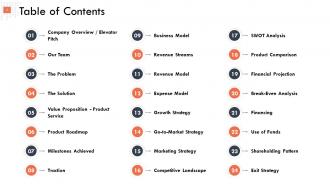
Diapositiva 2: Esta diapositiva muestra la tabla de contenidos de la presentación.
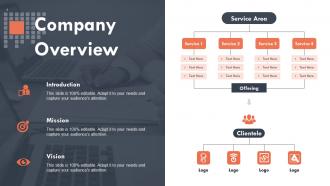
Diapositiva 3: Esta diapositiva presenta la descripción general de la empresa, el área de servicio, las ofertas, etc.
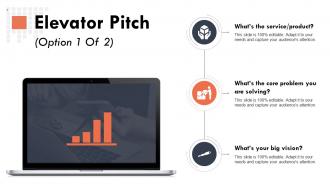
Diapositiva 4: Esta diapositiva muestra el elevador pitch describiendo: ¿Cuál es el servicio/producto? ¿Cuál es su gran visión? ¿Cuál es el problema principal que está resolviendo?
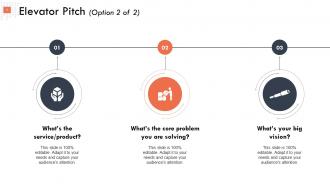
Diapositiva 5: Esta es una diapositiva opcional para el elevador pitch.
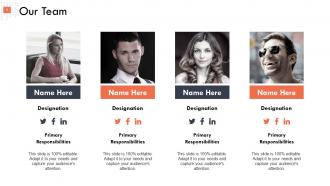
Diapositiva 6: Esta es la diapositiva de Nuestro equipo con nombres, cargos y otra información.
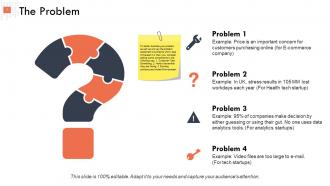
Diapositiva 7: Esta diapositiva se titula El problema para ilustrar su problema, así como transmitir el enunciado del problema a alguien que está menos inmerso en él que usted.
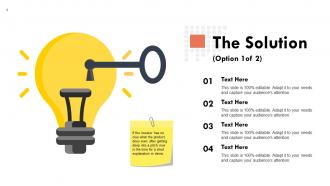
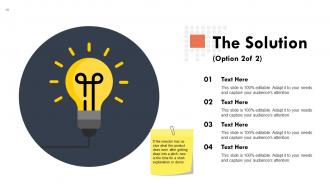
Diapositiva 8: Esta diapositiva se titula La solución para una breve explicación y demostración de su producto explicando cómo va a resolver el problema.
Diapositiva 9: Esta es una diapositiva opcional para La solución.
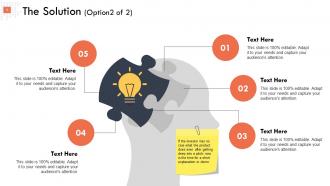
Diapositiva 10: Esta es otra diapositiva opcional para La solución.
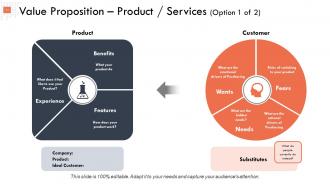
Diapositiva 11: Esta diapositiva muestra la Propuesta de valor - Producto/Servicios con las necesidades, deseos y temores de los clientes junto con los beneficios, características y experiencia del producto.
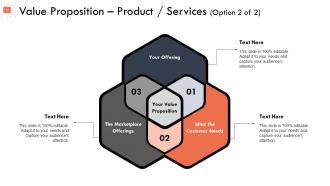
Diapositiva 12: Esta es otra diapositiva sobre la Propuesta de valor - Producto/Servicios que describe: Su oferta, Lo que necesita el cliente y Las ofertas del mercado.
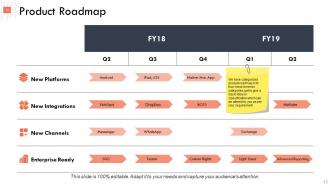
Diapositiva 13: Esta diapositiva presenta la Hoja de ruta del producto con cuatro categorías: nuevas plataformas, nuevas integraciones, nuevos canales y listo para empresas.
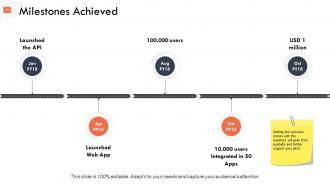
Diapositiva 14: Esta diapositiva muestra los Hitos alcanzados para mostrar sus historias de éxito.
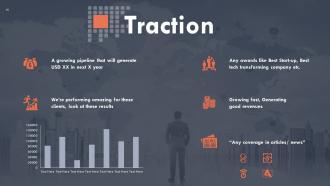
Diapositiva 15: Esta diapositiva representa la Tracción con imágenes y texto relacionados.
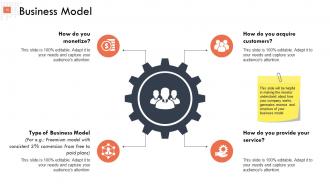
Diapositiva 16: Esta diapositiva muestra el Modelo de negocio que describe: ¿Cómo adquiere clientes? ¿Cómo proporciona su servicio? Tipo de modelo de negocio y ¿Cómo monetiza?
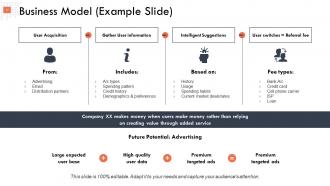
Diapositiva 17: Esta es una diapositiva de ejemplo del Modelo de negocio que describe: Adquisición de usuarios, Recopilar información de usuarios, Sugerencia inteligente, El usuario cambia la tarifa de referencia.
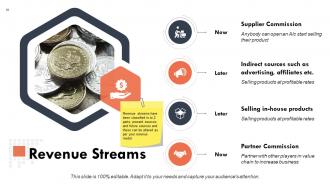
Diapositiva 18: Esta diapositiva muestra las Fuentes de ingresos como: Comisión de socios, Comisión de proveedores, Venta de productos propios, Fuentes indirectas como publicidad, afiliados, etc.
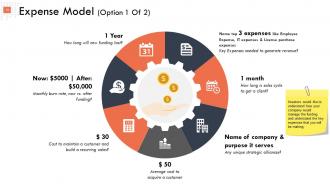
Diapositiva 19: Esta diapositiva presenta el Modelo de gastos para ayudar a sus inversores a comprender cómo su empresa gestionaría la financiación y comprender los gastos clave que realizará.
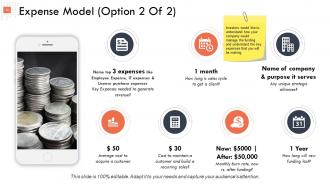
Diapositiva 20: Esta es una diapositiva opcional para el Modelo de gastos.
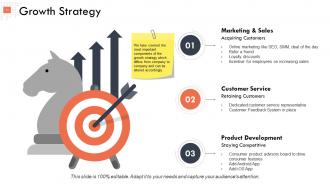
Diapositiva 21: Esta diapositiva representa la Estrategia de crecimiento que describe: Marketing y ventas, Servicio al cliente, Desarrollo de productos.
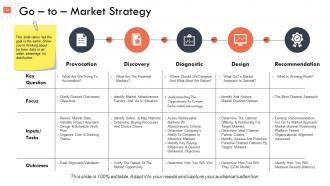
Diapositiva 22: Esta diapositiva muestra la Estrategia de entrada al mercado con categorías como provocación, descubrimiento, diagnóstico, diseño y recomendación.
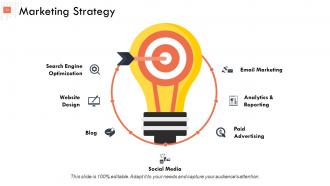
Diapositiva 23: Esta diapositiva muestra la Estrategia de marketing con: Publicidad pagada, Blog, Diseño web, Optimización de motores de búsqueda, Redes sociales, Email marketing y Analítica e informes.
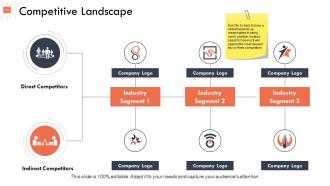
Diapositiva 24: Esta diapositiva presenta el Panorama competitivo comparando competidores directos e indirectos.
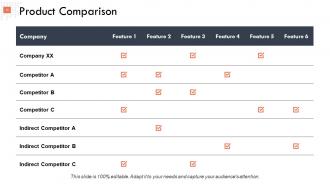
Diapositiva 25: Esta diapositiva muestra la Comparación de productos en forma de tabla con cuadros de texto relacionados.
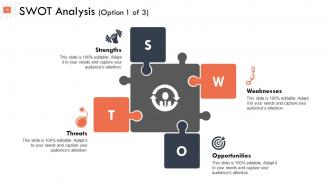
Diapositiva 26: Esta diapositiva representa el Análisis FODA que describe: Fortalezas, Debilidades, Oportunidades, Amenazas.
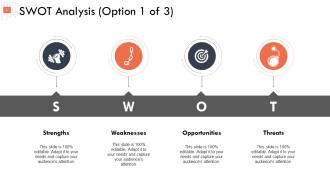
Diapositiva 27: Esta es una diapositiva opcional para el Análisis FODA.
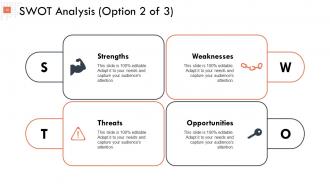
Diapositiva 28: Esta es otra diapositiva opcional para el Análisis FODA.
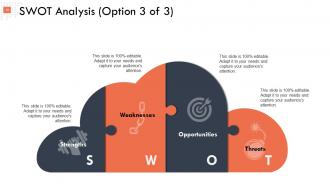
Diapositiva 29: Esta es otra diapositiva opcional para el Análisis FODA.
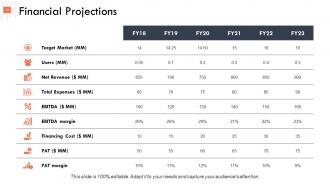
Diapositiva 30: Esta diapositiva presenta las Proyecciones financieras. Muestre sus proyectos aquí. Puede agregar o editar datos según sea necesario.
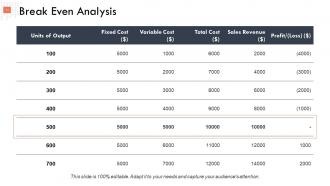
Diapositiva 31: Esta diapositiva muestra el Análisis del punto de equilibrio en forma de tabla con categorías como unidades de producción, costos fijos, costos variables, ingresos por ventas, etc.
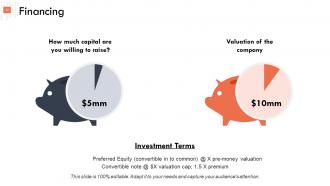
Diapositiva 32: Esta diapositiva se titula Financiación. Muestre aquí su información relacionada con las finanzas.
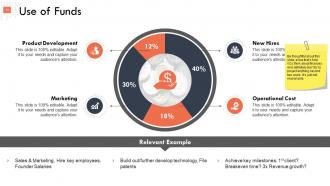
Diapositiva 33: Esta diapositiva muestra el Uso de fondos en: Desarrollo de productos, Marketing, Nuevas contrataciones, etc.
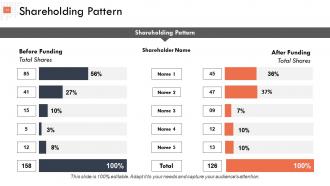
Diapositiva 34: Esta diapositiva muestra el Patrón de participación accionaria que describe las acciones totales antes y después de la financiación.
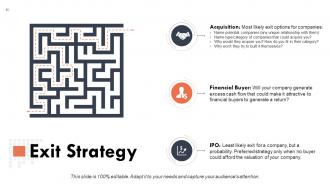
Diapositiva 35: Esta diapositiva presenta la Estrategia de salida que describe: Adquisición, Comprador financiero e OPV (Oferta Pública de Venta de Acciones).
Diapositiva 36: Esta diapositiva muestra los Testimonios de clientes con nombre, cargo y otra información.
Diapositiva 37: Esta diapositiva representa los Datos de contacto con dirección, números de contacto, dirección de correo electrónico, etc.
Diapositiva 38: Esta diapositiva muestra los Iconos de iniciar una nueva empresa.
Diapositiva 39: Esta es otra diapositiva que presenta los Iconos de iniciar una nueva empresa.
Diapositiva 40: Esta diapositiva se titula Diapositivas adicionales para avanzar.
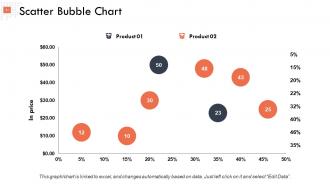
Diapositiva 41: Esta diapositiva presenta un Gráfico de burbujas de dispersión con comparación de dos productos.
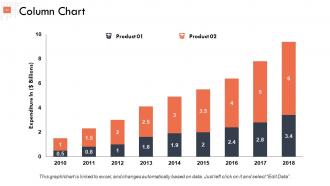
Diapositiva 42: Esta diapositiva muestra un Gráfico de columnas con comparación de dos productos.
Diapositiva 43: Esta es la diapositiva de Nuestra misión con imágenes y cuadros de texto.
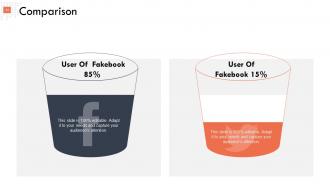
Diapositiva 44: Esta es una diapositiva de Comparación para establecer comparaciones entre productos, entidades, etc.
Diapositiva 45: Esta es la diapositiva de Nuestro gran equipo con nombres y cargos.
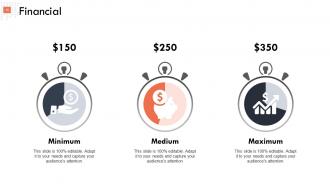
Diapositiva 46: Esta es una diapositiva Financiera. Muestre aquí información relacionada con las finanzas.
Diapositiva 47: Esta es la diapositiva de Nuestra meta. Muestre aquí sus metas importantes.
Diapositiva 48: Esta es una diapositiva de Citas para resaltar o declarar algo específico.
Diapositiva 49: Esta es una diapositiva de Bombilla o Idea para exponer una nueva idea o resaltar especificaciones, información, etc.
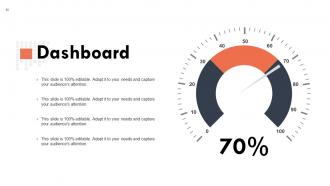
Diapositiva 50: Esta diapositiva muestra un Tablero con cuadros de texto para mostrar información.
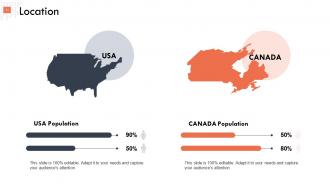
Diapositiva 51: Esta es una diapositiva de Ubicación con mapas para mostrar datos relacionados con diferentes ubicaciones.
Diapositiva 52: Esta es una diapositiva de Gracias con dirección, números de contacto y dirección de correo electrónico.
Comenzar un nuevo emprendimiento Diapositivas de presentación de PowerPoint con las 52 diapositivas
Utiliza nuestras Diapositivas de Presentación de PowerPoint para Iniciar un Nuevo Emprendimiento para ahorrar tu valioso tiempo. Están listas para adaptarse a cualquier estructura de presentación.







FAQs for Starting A New Venture
Honestly, I'd focus on three things first. Figure out if enough people actually have this problem AND can pay for your fix. Then get specific about what's driving them crazy - what problem makes them want to throw their laptop out the window? Where do they hang out online? LinkedIn, TikTok, those boring industry newsletters? You need to know so you can actually find them later. Quick reality check though - are competitors already crushing it in this space? If so, maybe dodge that for now. Start with a smaller group that's being ignored. Way easier than trying to win over everyone at once.
Honestly, you'll thank yourself later for doing one. Writing it out forces you to work through all the boring stuff - financials, target market, potential roadblocks. Plus investors expect it anyway. I've watched so many friends skip this step and then panic when reality hits (which it always does). Your brain will trick you into thinking you've got everything figured out, but putting pen to paper reveals the gaps fast. Start simple though - doesn't need to be some 50-page masterpiece. Even a basic version gives you something to reference when everything inevitably goes sideways.
Honestly, just start by actually talking to your potential customers - surveys through Google Forms or whatever work great. Check out what your competitors are doing wrong by reading their reviews (you'll find gold there). Industry reports give you the bigger picture stuff, but focus groups can drain your wallet pretty fast. Social media stalking your competition is free and surprisingly useful. Mix the customer feedback with seeing what others are screwing up. Otherwise you might end up building something cool that literally no one wants to buy. Government data's boring but helpful for trends too.
Honestly, forget your "brilliant" ideas for a sec. Talk to actual people first - find out what's driving them crazy. I spent way too long building stuff nobody wanted because it seemed cool to me. Once you've got real problems validated through customer interviews, THEN get creative with solutions. Build something simple, throw it at users, see what breaks. The magic happens when you're being inventive about solving problems that genuinely exist, not making up problems to fit your solution. Short sentences work. Customer feedback beats your gut every time, trust me.
So you've got a few options here. Bootstrapping with your own cash is slow but you won't answer to anyone. Angel investors are rich folks who write $25K-$500K checks early on - they usually give decent advice too. VCs throw around bigger money ($1M+) but they'll want a chunk of your company and expect crazy growth. Crowdfunding's actually pretty wild if you're doing consumer stuff - random people just backing your dream, you know? Banks are traditional but good luck without collateral. Oh, and government grants exist but that's a whole paperwork nightmare. Really depends what you're willing to give up for the money.
Start with content marketing and social - they're cheap and actually work. Blog posts, videos, whatever format you're comfortable with, just solve real problems people have. Social media lets you talk directly to customers which is pretty cool. Oh and don't sleep on email marketing! It's boring but keeps people engaged long-term. Honestly, consistency beats trying to do everything at once. Pick maybe 2-3 things, get good at those first. I see too many startups spread themselves thin and then wonder why nothing's working.
Honestly, you really need to nail your branding early because that's literally the first thing people see before they even know what you're selling. First impressions are brutal to change later - trust me on this one. When you have zero customers or reviews, your brand is what builds trust and sets you apart from everyone else doing similar stuff. Don't overthink it though. Figure out your main message, pick some colors and fonts that match your vibe, then just stay consistent everywhere. Your website, Instagram, business cards - make it all feel like it came from the same place. Consistency = credibility way faster than you'd expect.
Dude, networking is seriously everything when you're starting out. Don't just build stuff in a vacuum hoping people magically discover you. Real mentor relationships? They come from actual connections, not those weird LinkedIn cold messages nobody likes. Your best shots come from people who've seen how you work. Show up to industry stuff, join communities online, help people out before asking for anything back. I know it sounds basic but it works. Random conversations turn into huge breaks all the time - happened to my cousin last year actually. Just make it a regular thing, not something you scramble to do when you're desperate.
Oh man, the cash burn thing gets everyone. Don't hire a bunch of people right away or get some fancy office - that's startup suicide. The other huge mistake? Spending forever building stuff customers don't actually want. I know it feels weird showing people your janky prototype, but you gotta do it anyway. Talk to potential customers this week, not when you think it's "ready." Most founders I know (myself included tbh) waste way too much time trying to perfect everything solo. Get scrappy, validate early, and obsess over finding product-market fit before anything else.
Start tracking your revenue and customer numbers right away - those are your bread and butter. But honestly? The soft stuff matters just as much. Check if people are actually using your product regularly, not just signing up and disappearing. Social media buzz and what customers say can tell you more than spreadsheets sometimes. My advice is pick 3-5 metrics that actually matter for your business model and review them weekly. Daily checking will just drive you nuts and won't change anything anyway.
Dude, customer service is everything from day one. Seriously obsess over feedback and actually fix what people complain about. Build a community vibe - social media, exclusive stuff, early access programs. Handwritten notes sound cheesy but they work. I learned this the hard way lol. Make customers feel special instead of treating them like walking wallets. Personal touches matter way more than you'd think. Those loyal fans? They'll become your best salespeople through word-of-mouth. Start building real relationships now because authentic connections beat any marketing campaign you'll ever run.
Looking at your competitors is basically free market research - you get to see what's working and what's bombing before you even start. Check out their pricing, read through customer reviews (seriously, people love complaining about stuff that gives you ideas), and notice what gaps they're missing. Don't just copy the successful ones though, that's boring. Use what you learn to build something different or better. You'll also get a reality check on what it actually takes to compete. Their mistakes become your shortcuts, which is pretty sweet if you ask me.
Okay so first thing - pick your business structure and register it with the state. LLC or corp, whatever makes sense for you. Then grab an EIN from the IRS. Licenses and permits are honestly a pain because they're different everywhere, but you gotta research what your specific business needs. I'd also look into trademarking your name or logo if it's unique. Insurance is huge too, don't skip that. Oh and definitely tackle the business structure stuff first, then just work through everything else one by one. It's tedious but you'll get through it.
Honestly, start with cloud tools like Slack or Asana for project tracking - way better than drowning in emails. Automate the boring stuff first: invoicing through FreshBooks, social media posts, customer onboarding flows. Zapier is actually incredible for connecting different apps together (I probably overuse it tbh). Don't build everything from scratch when SaaS options exist for accounting, CRM, inventory management. Pick one or two areas that suck up most of your time and tackle those first. You can always expand later once you see what works.
Honestly, hire people who actually get your vibe, not just the ones with perfect resumes. Tell them straight up what they're walking into - the messy parts too. Weekly lunches are clutch for bonding (or those weird virtual pizza things if you're all remote). Here's what really matters though: let everyone weigh in on big decisions early. Nothing kills morale faster than feeling like just another cog. Oh, and write down your values now before things get chaotic. Trust me on that one - it's way harder to course-correct later when you've got 20 people doing things completely differently.
-
Excellent design and quick turnaround.
-
Attractive design and informative presentation.