


Strategic Hrm Planning Powerpoint Presentation Slides
Slide Team presents you Strategic Hrm Planning PowerPoint Presentation Slides having 28 ready-to-use PPT slides. Use this to develop your HR strategies to support organizational plans. With this strategic planning and human resource PPT templates, you can learn how HR planning can prepare your company for success. Human resource performance management PowerPoint complete deck underline the important concepts such as strategic human resource plan framework, assessing the current HR capacity, forecasting HR requirements, skill gap analysis plan, organizational skills program matrix, company’s recruitment strategies, evaluating recruitment strategies, recruitment budget to name a few. Using this visually stunning strategic human resource management process, HR managers can easily present the content to target management. Furthermore, this will guide you on how a business should move from its current to the desired manpower position. Make an accountable human resource strategy PowerPoint presentation in just a few minutes. Just click and download strategic human resource plan Presentation design.
Slide Team presents you Strategic Hrm Planning PowerPoint Presentation Slides having 28 ready-to-use PPT slides. Use this ..




-

- Google Slides is a new FREE Presentation software from Google.
- All our content is 100% compatible with Google Slides.
- Just download our designs, and upload them to Google Slides and they will work automatically.
- Amaze your audience with SlideTeam and Google Slides.
-

Want Changes to This PPT Slide? Check out our Presentation Design Services
-

- WideScreen Aspect ratio is becoming a very popular format. When you download this product, the downloaded ZIP will contain this product in both standard and widescreen format.
-

- Some older products that we have may only be in standard format, but they can easily be converted to widescreen.
- To do this, please open the SlideTeam product in Powerpoint, and go to
- Design ( On the top bar) -> Page Setup -> and select "On-screen Show (16:9)” in the drop down for "Slides Sized for".
- The slide or theme will change to widescreen, and all graphics will adjust automatically. You can similarly convert our content to any other desired screen aspect ratio.
Compatible With Google Slides

Get This In WideScreen
You must be logged in to download this presentation.


Do you want to remove this product from your favourites?
PowerPoint presentation slides
Presenting this set of slides with name - Strategic Hrm Planning Powerpoint Presentation Slides. Our professionally designed PowerPoint presentation is sure to impress executives, inspire team members and other audience. With a complete set of twentyeight slides, this PPT is the most comprehensive summary of Strategic Hrm Planning Powerpoint Presentation Slides you could have asked for. The content is extensively researched and designs are professional. Our PPT designers have worked tirelessly to craft this deck using beautiful PowerPoint templates, graphics, diagrams and icons. On top of that, the deck is 100 percent editable in PowerPoint so that you can enter your text in the placeholders, change colors if you wish to, and present in the shortest time possible.

People who downloaded this PowerPoint presentation also viewed the following :
Content of this Powerpoint Presentation
Slide 1: This slide introduces Strategic HRM Planning. State Your Company Name and begin.
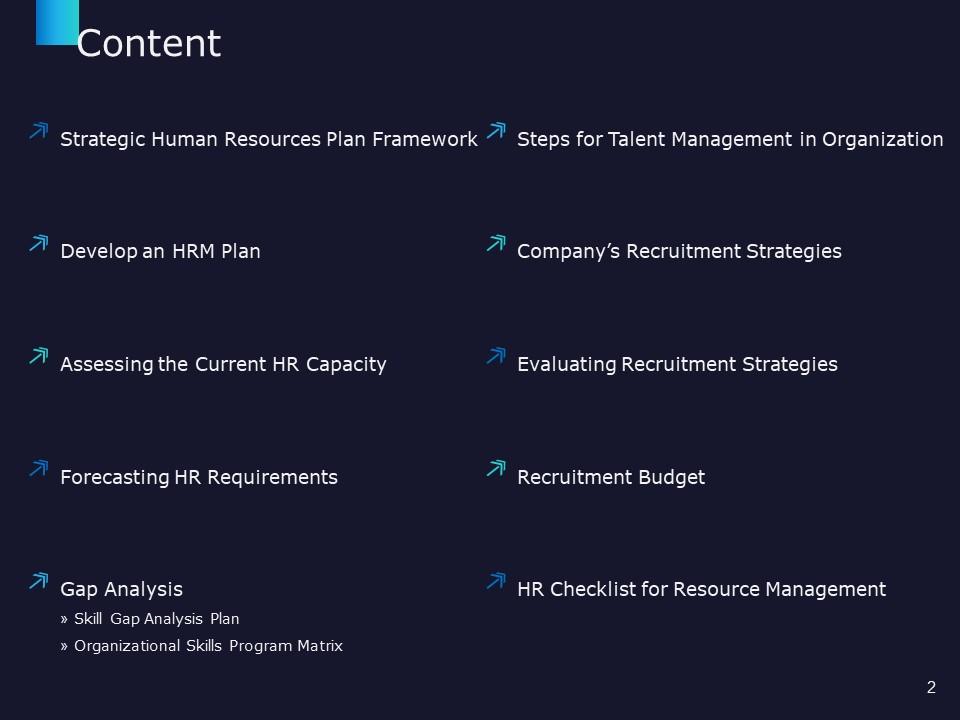
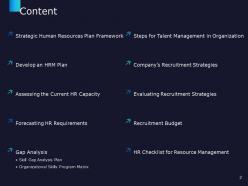
Slide 2: This slide shows Content of the presentation.
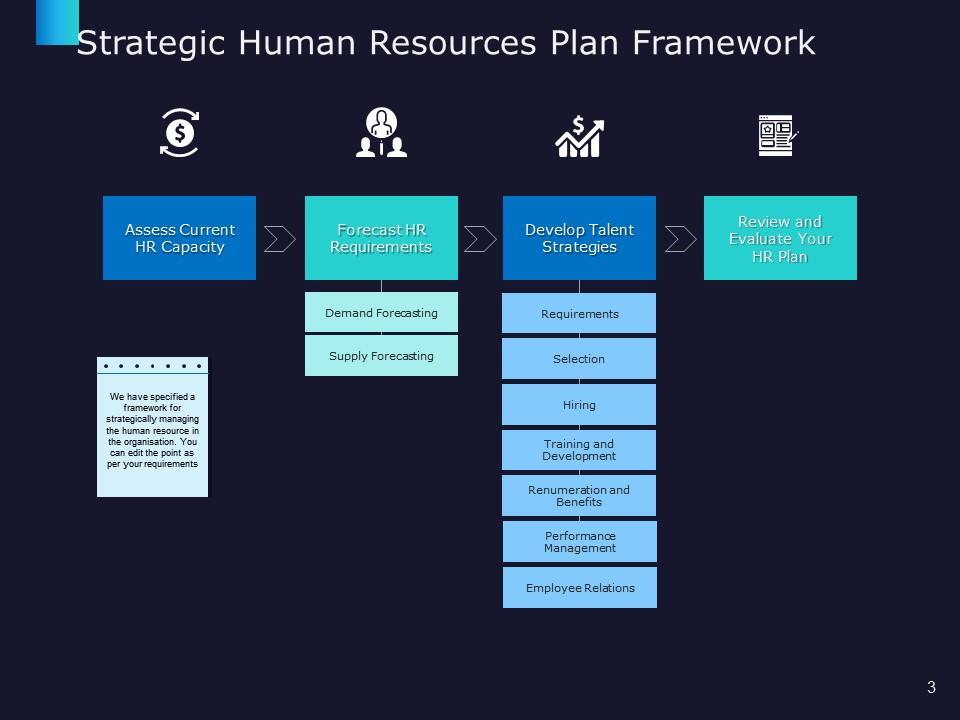
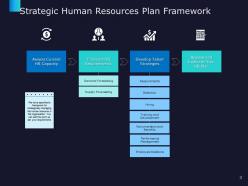
Slide 3: This slide presents Strategic Human Resources Plan Framework with categories as- Develop Talent Strategies, Assess Current HR Capacity, Forecast HR Requirements, Review and Evaluate Your HR Plan.
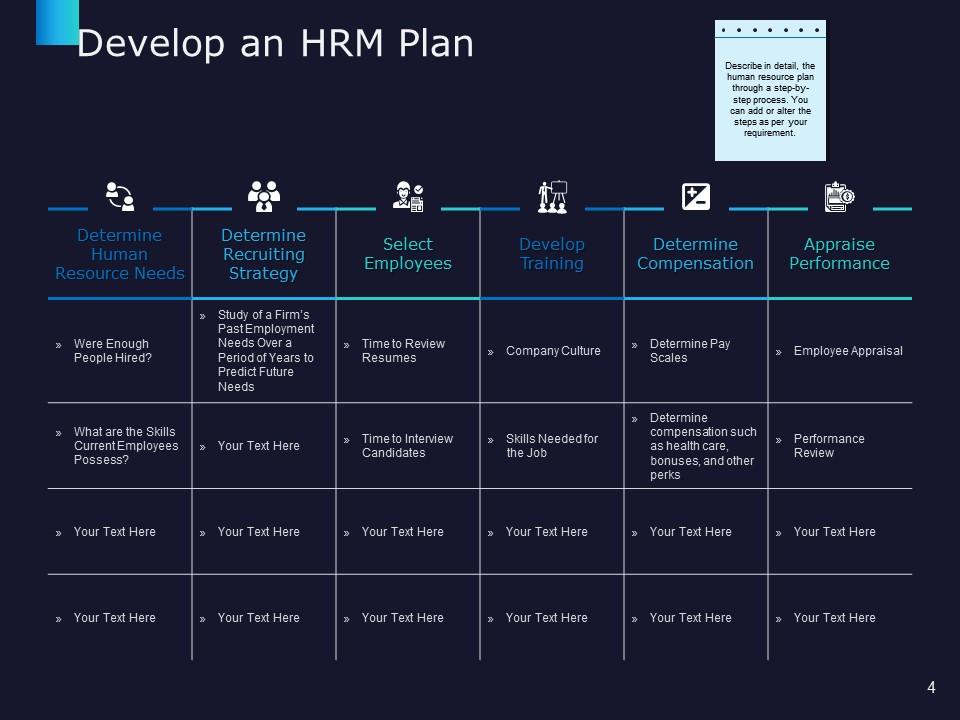
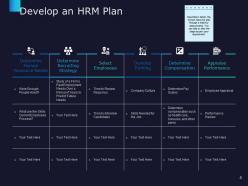
Slide 4: This slide displays Develop an HRM Plan describing in detail, the human resource plan through a step-by-step process.
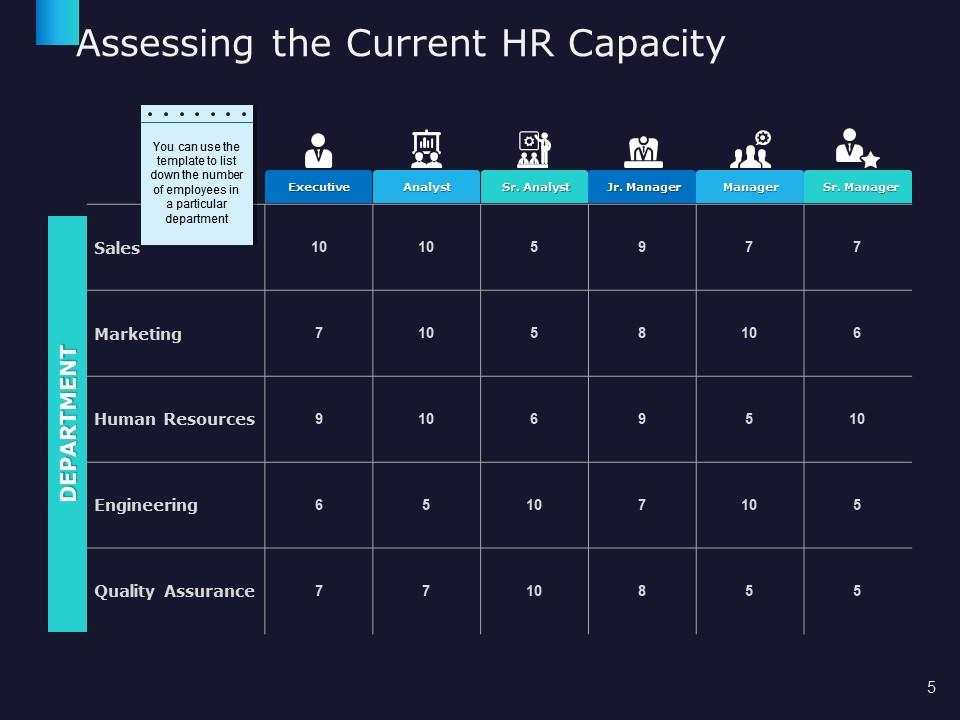
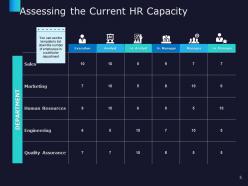
Slide 5: This slide represents Assessing the Current HR Capacity among different departments.
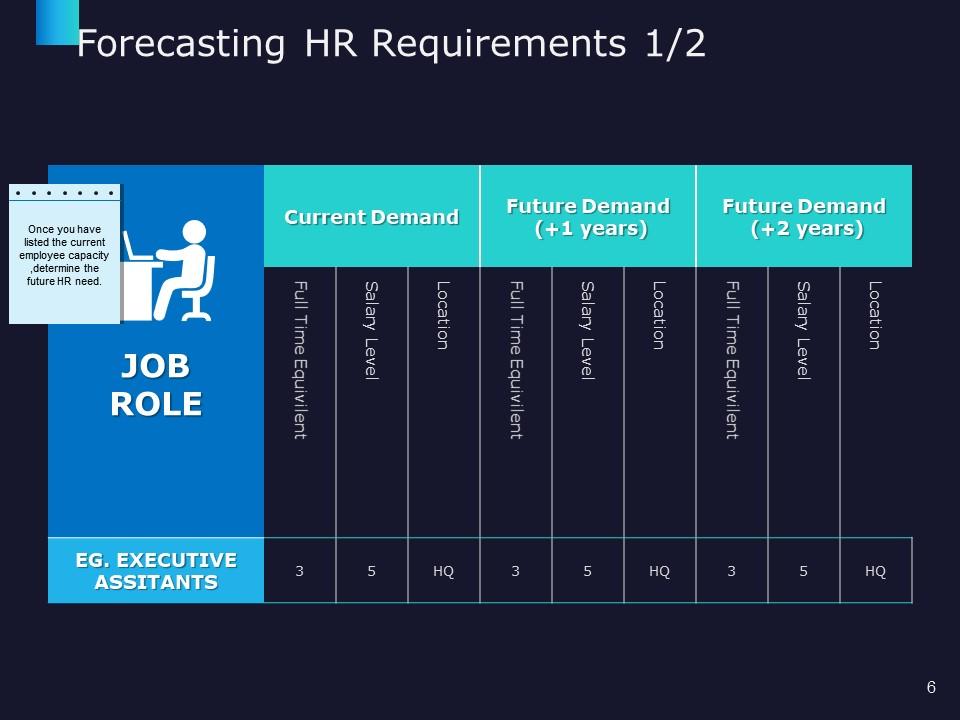
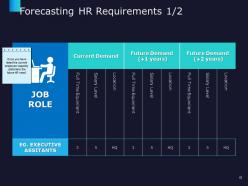
Slide 6: This slide showcases Forecasting HR Requirements with current and future demands.
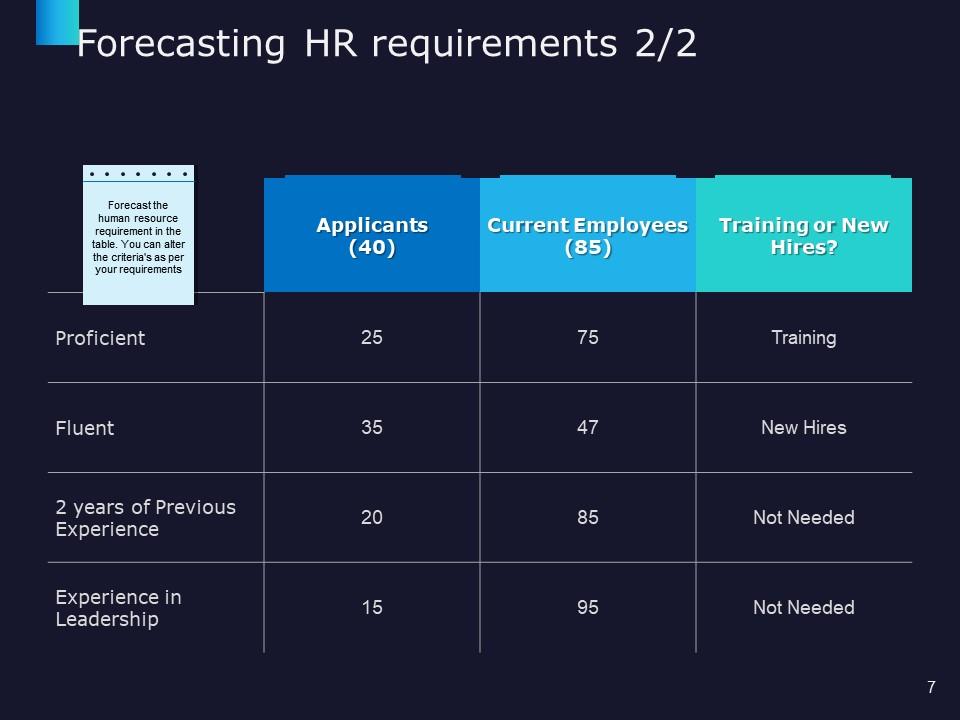
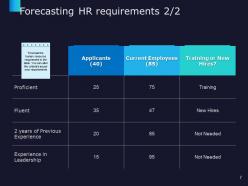
Slide 7: This is another slide for Forecasting HR Requirements.
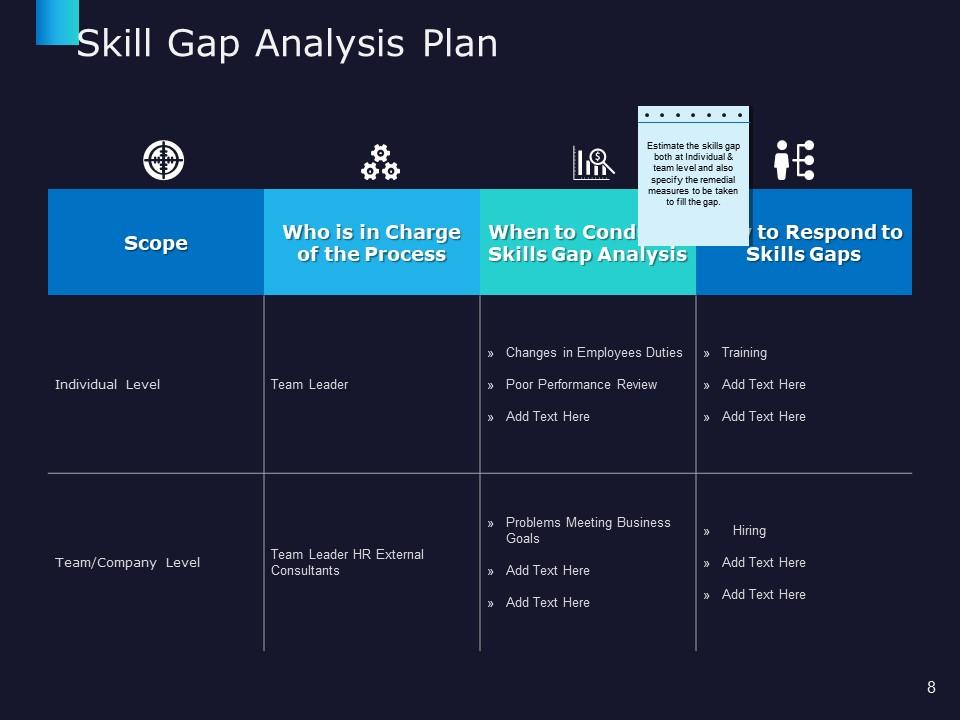
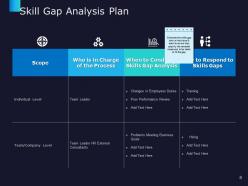
Slide 8: This slide shows Skill Gap Analysis Plan estimating the skills gap both at Individual & team level and also specify the remedial measures to be taken to fill the gap.
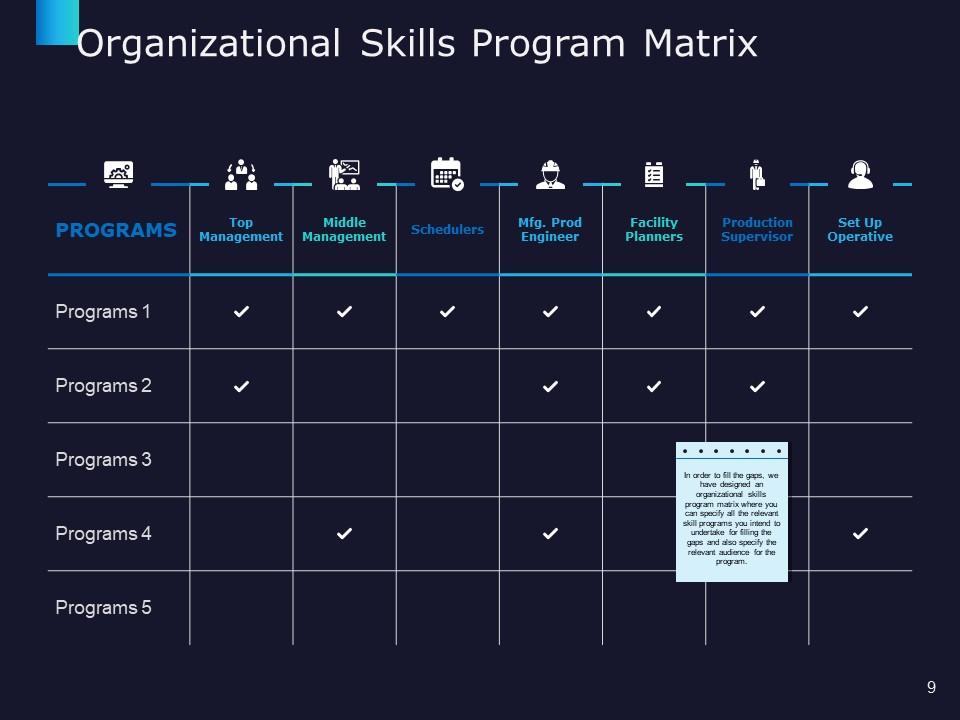
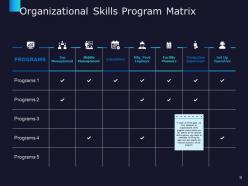
Slide 9: This slide presents Organization Skills Program Matrix where you can specify all the relevant skill programs you intend to undertake for filling the gaps and also specify the relevant audience for the program.
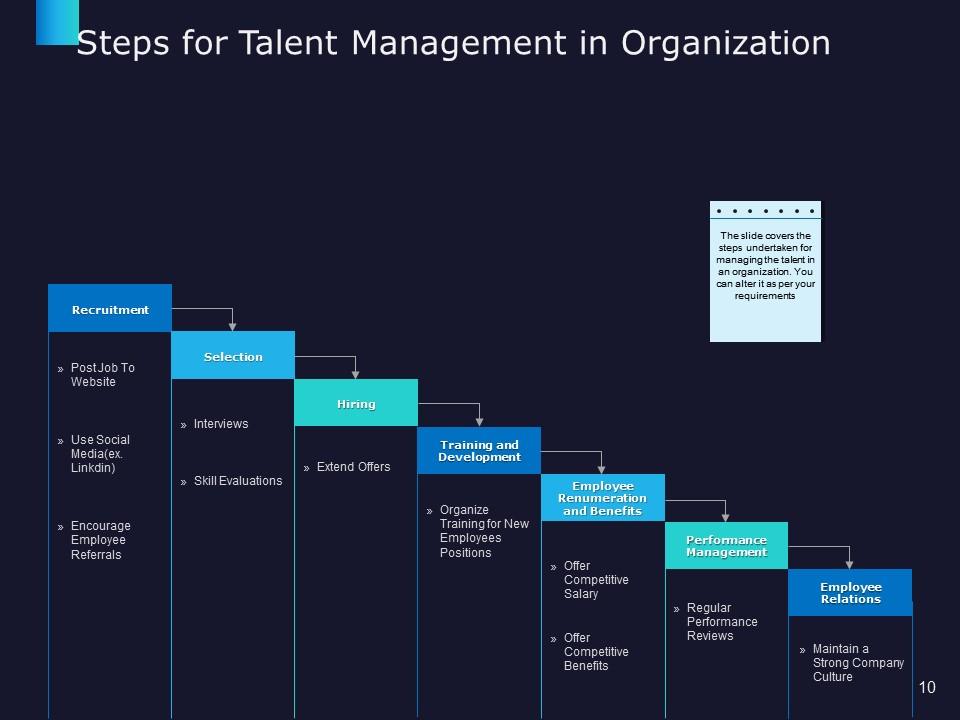
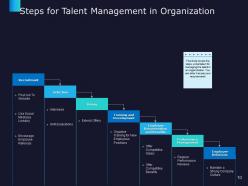
Slide 10: This slide displays Steps for Talent Management in Organization as- Recruitment, Selection, Hiring, Training and Development, Employee Renumeration and Benefits, Performance Management, Employee Relations.
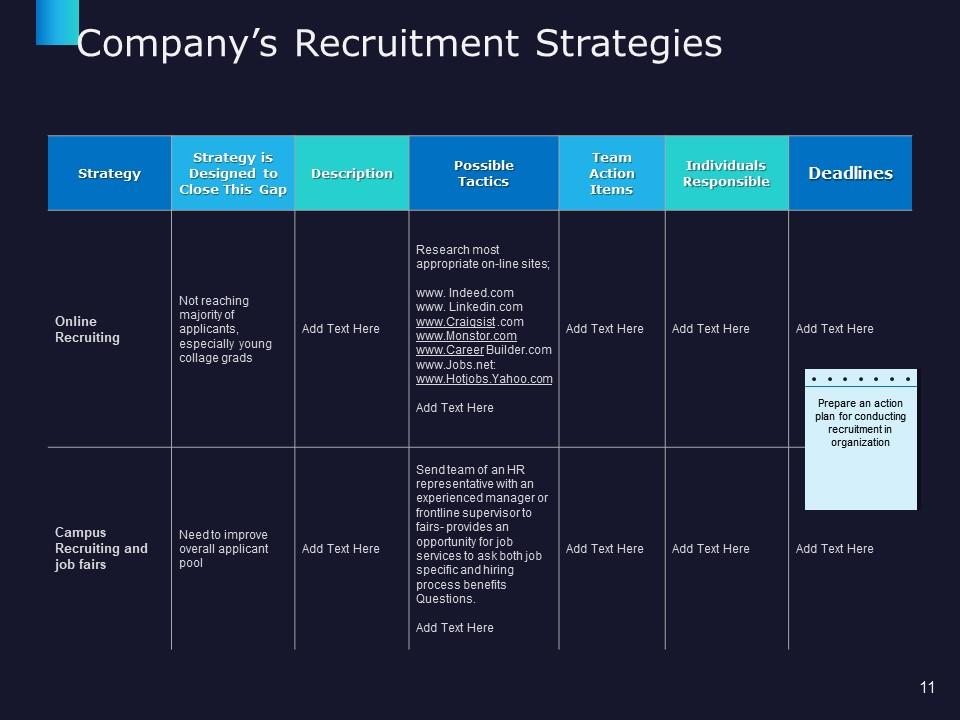
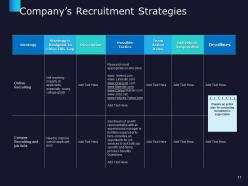
Slide 11: This slide represents Company’s Recruitment Strategies to prepare an action plan for conducting recruitment in organization.
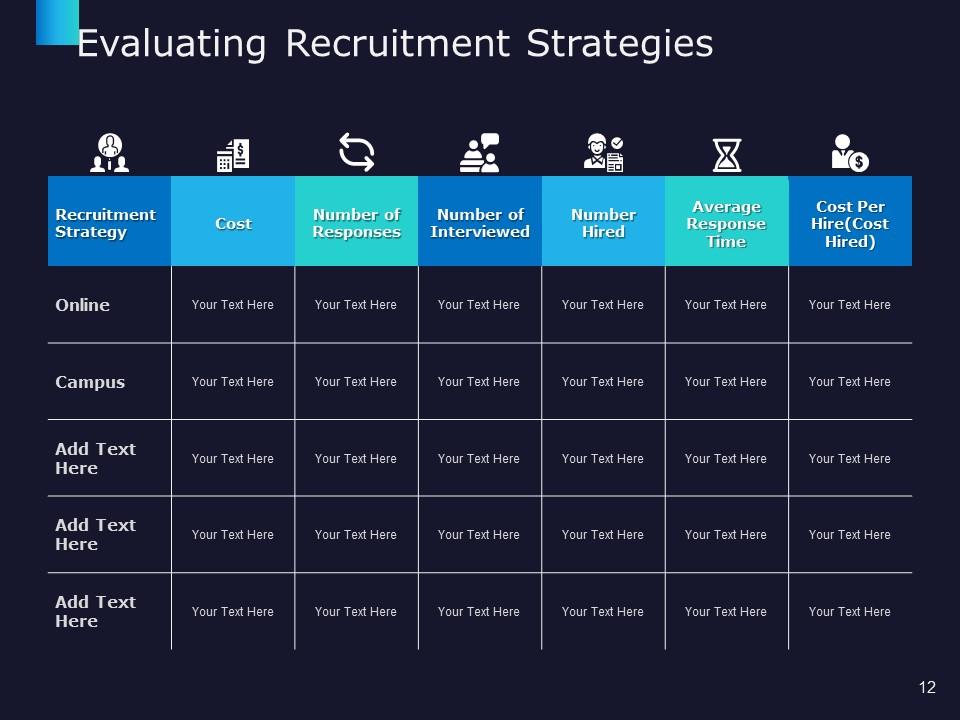
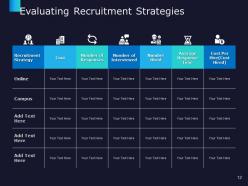
Slide 12: This slide showcases Evaluating Recruitment Strategies with categories as recruitment strategies, cost, number of interviewed, number hired, average response time and cost per hire.
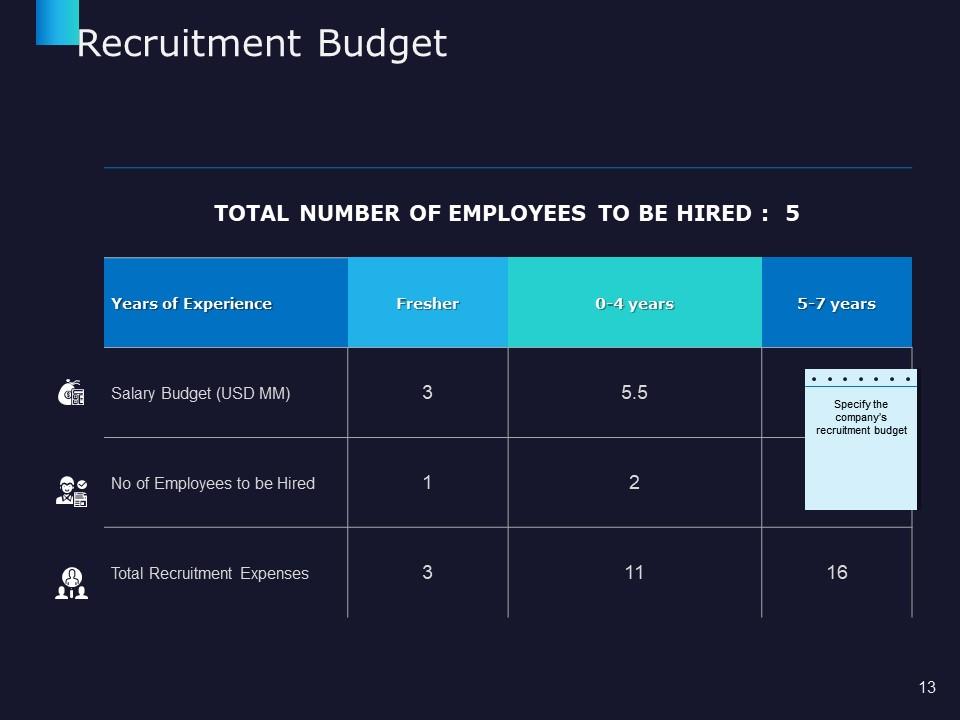
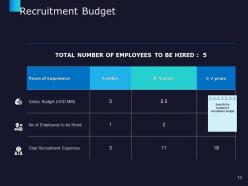
Slide 13: This slide specifies the company's Recruitment Budget.
Slide 14: This slide displays Strategic HRM Planning Icons.
Slide 15: This slide is titled as Additional Slides for moving forward.
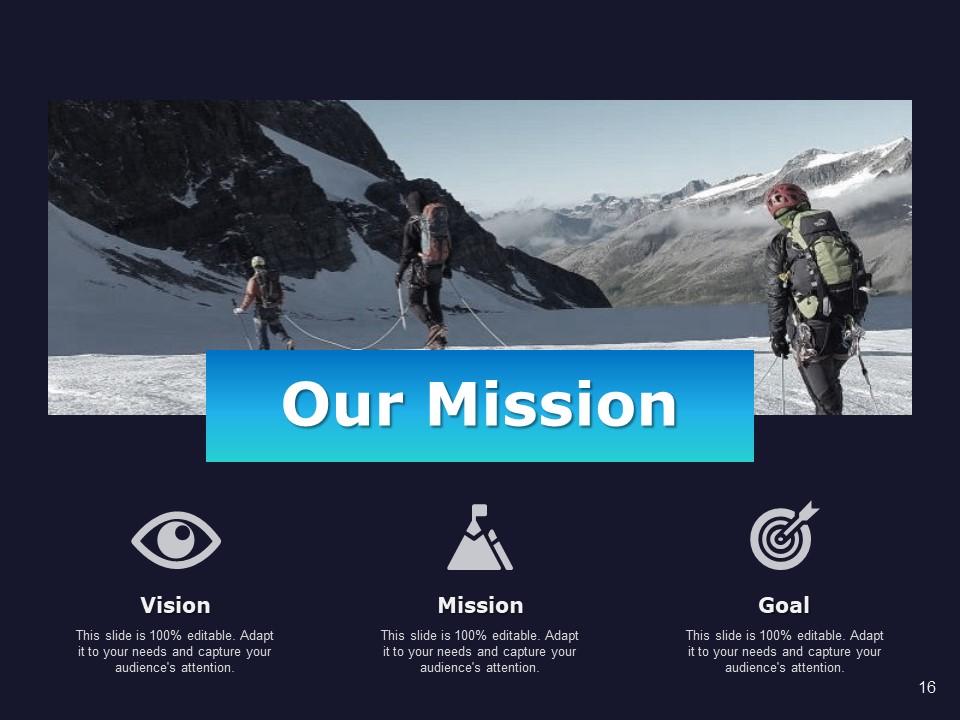
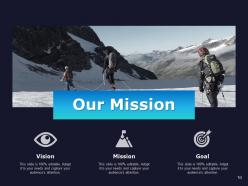
Slide 16: This is Our Mission slide with related imagery and additional text boxes to show information.
Slide 17: This is another slide for Our Mission.
Slide 18: This is Our Team slide with names and designation.
Slide 19: This is Our Great Team slide with names and designation.
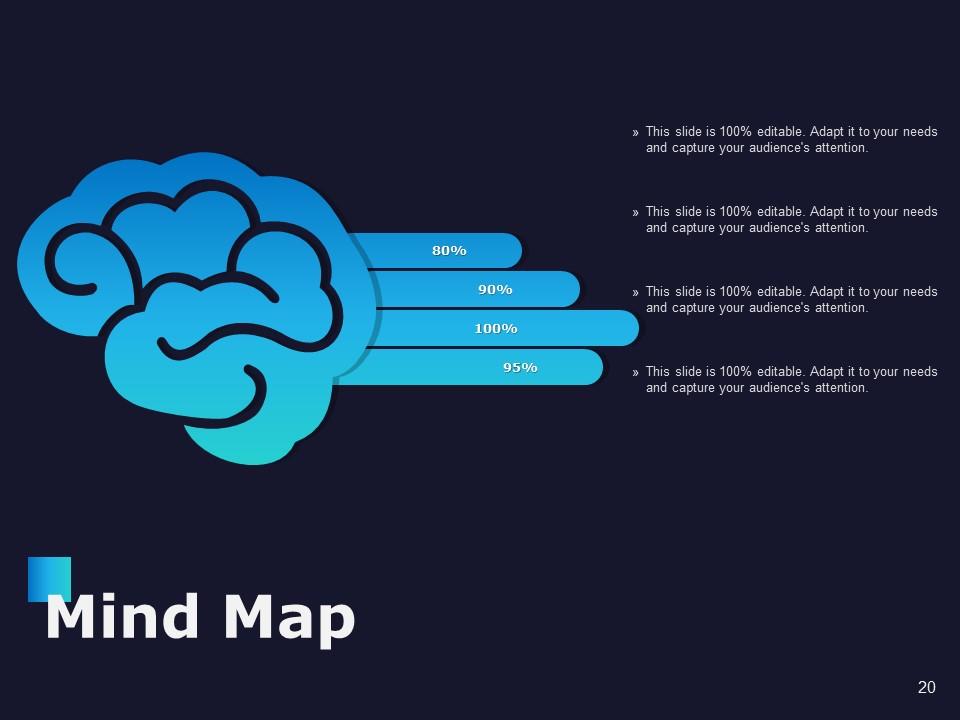
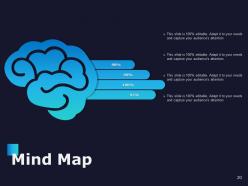
Slide 20: This slide shows Mind Map for representing entities.
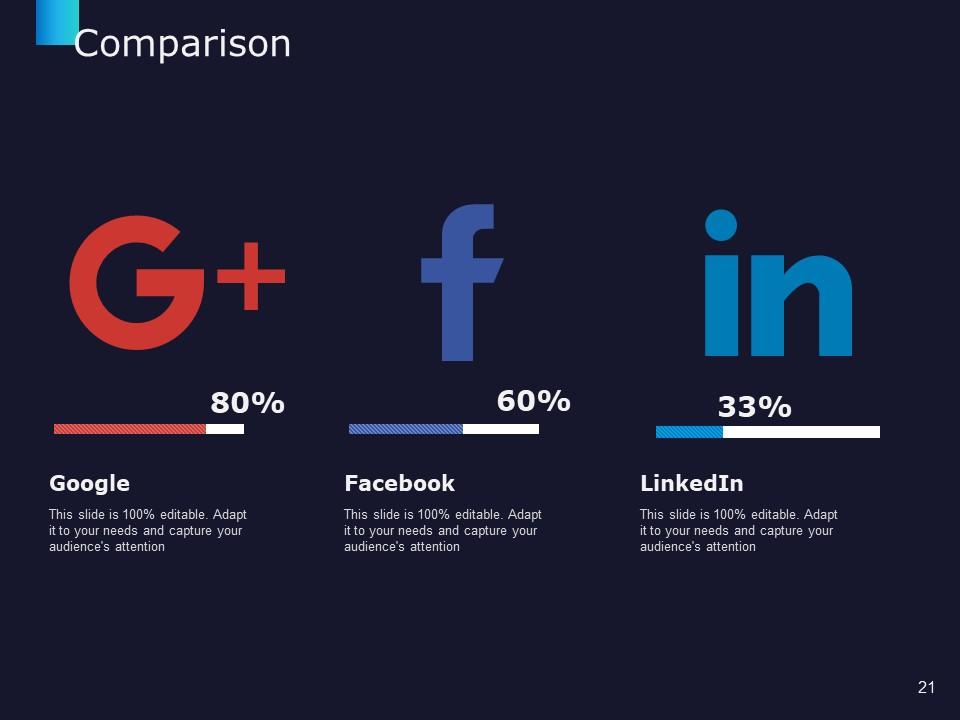
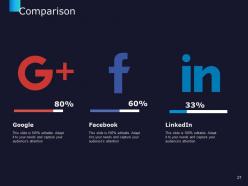
Slide 21: This is a Comparison slide to state comparison between commodities, entities etc.
Slide 22: This is a Quotes slide to convey message, beliefs etc.
Slide 23: This is a Puzzle slide with text boxes.
Slide 24: This is a Financial slide. Show your finance related stuff here.
Slide 25: This is a Venn slide with text boxes.
Slide 26: This is a Bulb or Idea slide to state a new idea or highlight information, specifications etc.
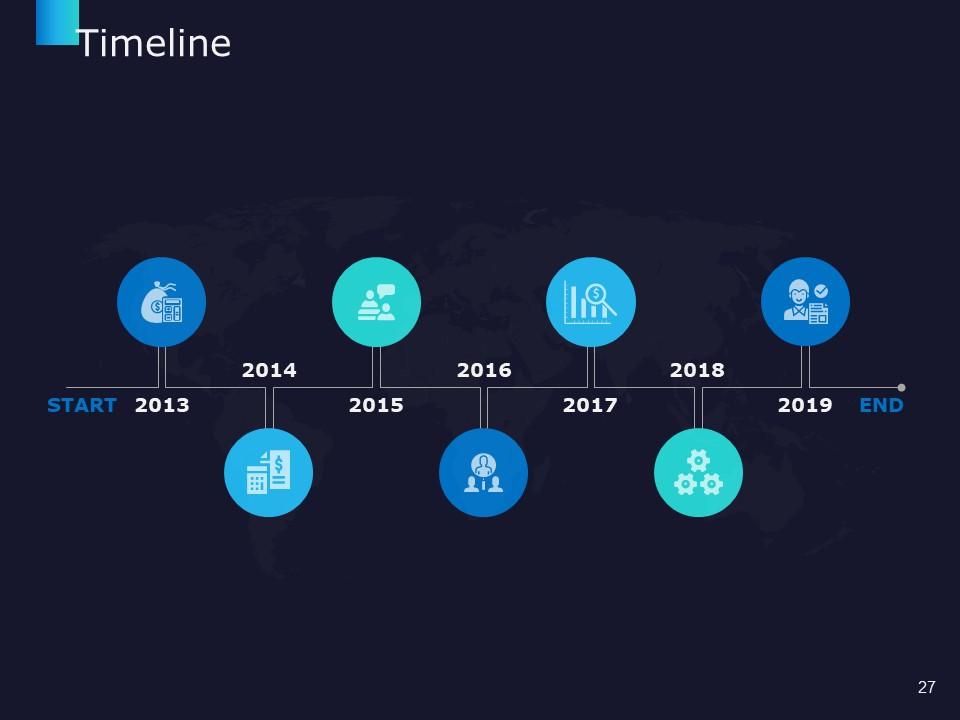
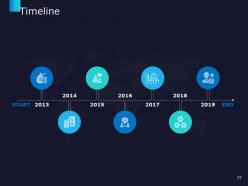
Slide 27: This is a Timeline slide to show information related with time period.
Slide 28: This is a Thank You slide with address, contact numbers and email address.
Strategic Hrm Planning Powerpoint Presentation Slides with all 28 slides:
Use our Strategic Hrm Planning Powerpoint Presentation Slides to effectively help you save your valuable time. They are readymade to fit into any presentation structure.
-
The content is very helpful from business point of view.
-
Designs have enough space to add content.
-
Helpful product design for delivering presentation.
-
Appreciate the research and its presentable format.
-
Informative design.
