


Slides de apresentação em PowerPoint sobre Sustentabilidade e Gestão Ambiental





Try Before you Buy Download Free Sample Product
 Impress Your
 Audience
 100%
100% Editable
 Save Hours
 of Time


Incentive a economia de recursos naturais usando o conteúdo pronto de Sustentabilidade e Slides de Apresentação de Gerenciamento Ambiental. Aproveite a assistência desses modelos de apresentação de desenvolvimento sustentável para criar comunicação eficaz e planos de ação para a conservação de energia. Aproveite os slides de apresentação de desenvolvimento ambiental para revelar os projetos de conservação de energia realizados por sua organização. Além disso, você também pode retratar o plano de ação para a conservação de energia que constitui a determinação de recursos, a implementação do plano de ação, etc. Utilize os visuais de desenvolvimento de sustentabilidade do PowerPoint projetados profissionalmente para estimar o potencial de melhoria. Revelar as fases de avaliações técnicas, como a fase pré-auditoria, a fase de auditoria e a fase pós-auditoria. Conscientizar sobre o desenvolvimento sustentável entre as massas por meio de vários métodos, como seminários, workshops, etc. Baixe nosso deck de apresentação de desenvolvimento sustentável visualmente atraente para tornar sua organização ambientalmente responsável.
People who downloaded this PowerPoint presentation also viewed the following :
Conteúdo desta apresentação em PowerPoint
Slide 1: Este slide apresenta Sustentabilidade e Gestão Ambiental. Declare o nome da sua empresa e comece.
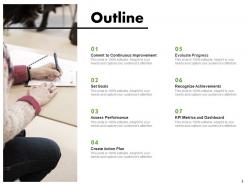
Slide 2: Este slide exibe o Resumo da apresentação.
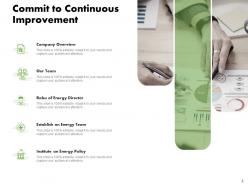
Slide 3: Este slide exibe Comprometimento com a melhoria contínua.
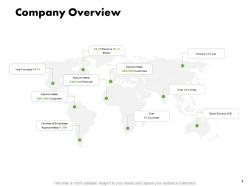
Slide 4: Este slide exibe Visão Geral da Empresa.
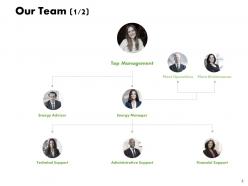
Slide 5: Este é o slide Nossa Equipe com nomes e designações.
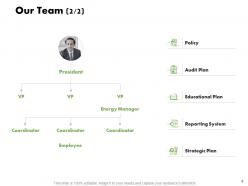
Slide 6: Este também é o slide Nossa Equipe.
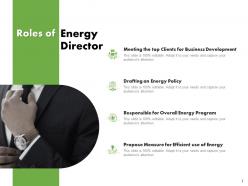
Slide 7: Este slide mostra as Funções do Diretor de Energia.
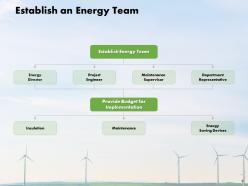
Slide 8: Este slide exibe Estabelecendo uma Equipe de Energia.
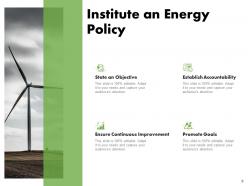
Slide 9: Este é o slide Instituir uma Política de Energia, como - Declarar um Objetivo, Estabelecer Responsabilidade, Garantir Melhoria Contínua, Promover Metas.
Slide 10: Este slide é sobre Definir Metas.
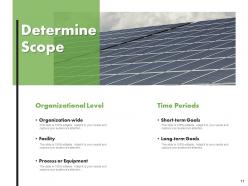
Slide 11: Este é o slide Determinar Escopo exibindo - Em toda a organização, Instalação, Processo ou Equipamento, Nível Organizacional, Metas de Curto Prazo, Metas de Longo Prazo, Períodos de Tempo.
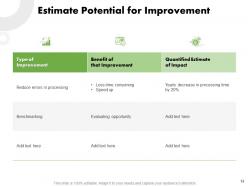
Slide 12: Este slide mostra Estimar Potencial de Melhoria.
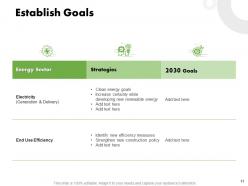
Slide 13: Este é o slide Estabelecer Metas.
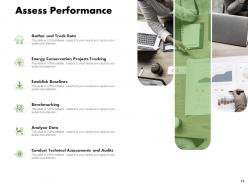
Slide 14: Este slide exibe avaliar desempenho.
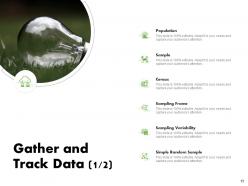
Slide 15: Este slide mostra Coletar e Rastrear Dados com - Amostra, População, Censo, Quadro Amostral, Amostra Aleatória Simples, Variabilidade Amostral.
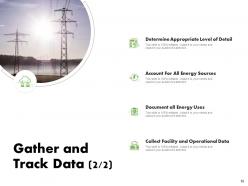
Slide 16: Este slide mostra Coletar e Rastrear Dados com - Determinar Nível Apropriado de Detalhe, Contabilizar todas as Fontes de Energia, Documentar todos os Usos de Energia, Coletar Dados de Instalação e Operacionais.
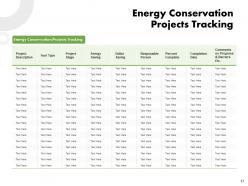
Slide 17: Este slide exibe Rastreamento de Projetos de Conservação de Energia.
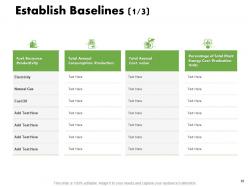
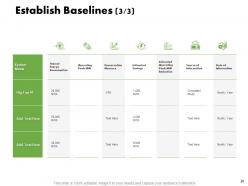
Slide 18: Este é o slide Estabelecer Linhas de Base.
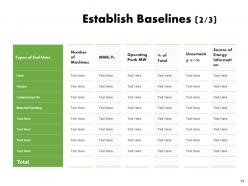
Slide 19: Este é o slide Estabelecer Linhas de Base.
Slide 20: Este também é o slide Estabelecer Linhas de Base.
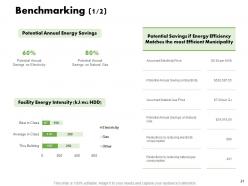
Slide 21: Este slide mostra Benchmarking com - Potencial de Economia Anual em Eletricidade, Potencial de Economia Anual em Gás Natural, Potencial de Economia Anual de Energia, Intensidade Energética da Instalação.
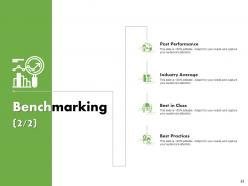
Slide 22: Este slide exibe Benchmarking mostrando - Desempenho Passado, Média da Indústria, Melhor da Classe, Melhores Práticas.
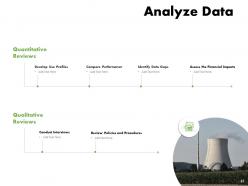
Slide 23: Este slide mostra analisar dados.
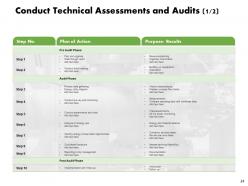
Slide 24: Este é o slide Realizar Avaliações Técnicas e Auditorias.
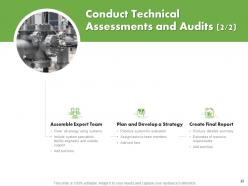
Slide 25: Este também é o slide Realizar Avaliações Técnicas e Auditorias.
Slide 26: Este slide exibe Rastrear e Monitorar
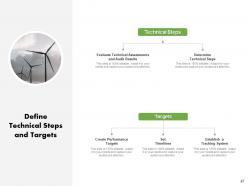
Slide 27: Este slide é sobre Definir Etapas Técnicas e Metas com - Etapas Técnicas, Avaliar Resultados de Avaliações Técnicas e Auditorias, Determinar Etapas Técnicas, Criar Metas de Desempenho.
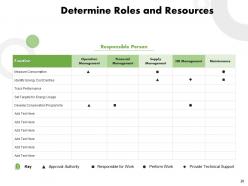
Slide 28: Este slide mostra Funções e Recursos descrevendo - Pessoa Responsável, Responsável pelo Trabalho, Autoridade de Aprovação, Realizar Trabalho, Fornecer Suporte Técnico.
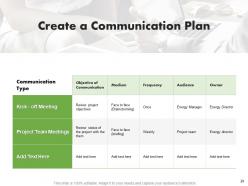
Slide 29: Este é o slide Criar um Plano de Comunicação.
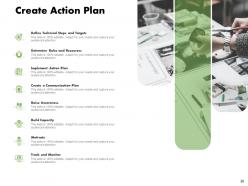
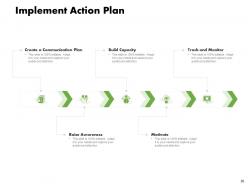
Slide 30: Este slide exibe implementar plano de ação com - Criar um Plano de Comunicação, Aumentar a Conscientização, Desenvolver Capacidades, Motivar.
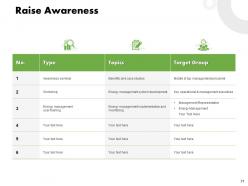
Slide 31: Este é o slide Aumentar a Conscientização.
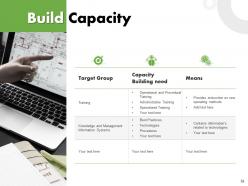
Slide 32: Este slide mostra Desenvolver Capacidades.
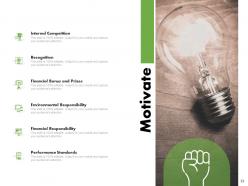
Slide 33: Este é o slide motivar descrevendo competição interna, reconhecimento, bônus financeiro e prêmios, etc.
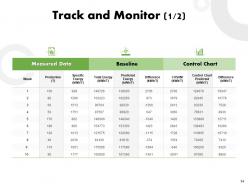
Slide 34: Este slide exibe Rastrear e Monitorar.
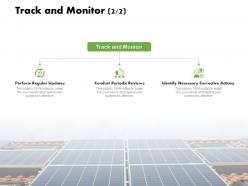
Slide 35: Este slide exibe Rastrear e Monitorar com - Realizar Atualizações Regulares, Conduzir Revisões Periódicas, Identificar Ações Corretivas Necessárias.
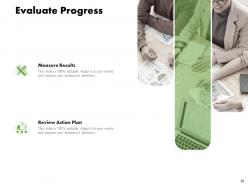
Slide 36: Este slide mostra Revisar Plano de Ação com avaliar progresso, medir resultados.
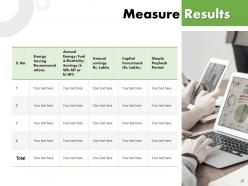
Slide 37: Este slide mostra medir resultados.
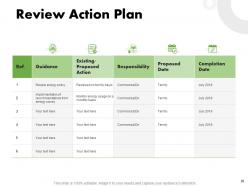
Slide 38: Este é o slide Revisar Plano de Ação.
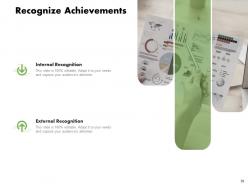
Slide 39: Este slide mostra Reconhecer Conquistas exibindo - Reconhecimento Interno, Reconhecimento Externo.
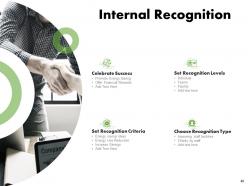
Slide 40: Este slide mostra Reconhecimento Interno com - Celebrar o sucesso, Promover a economia de energia, Oferecer recompensas financeiras, Definir Critérios de Reconhecimento, Ideias de economia de energia, Redução do Uso de Energia, Aumentar as Economias, Definir Níveis de Reconhecimento.
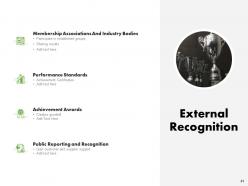
Slide 41: Este slide mostra Reconhecimento Externo com - Associações de Membros e Órgãos da Indústria, Participar de grupos estabelecidos, Compartilhar resultados, Padrões de Desempenho, Certificados de Conquista, Prêmios de Conquista, Cria boa vontade, Obter apoio de clientes e fornecedores.
Slide 42: Este é o slide Métricas e Painel de KPI.
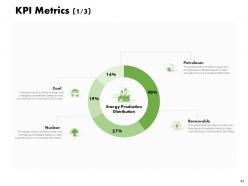
Slide 43: Este slide mostra Produção e Distribuição de Energia.
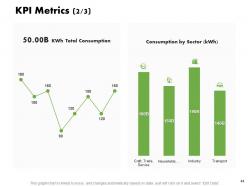
Slide 44: Este é o slide Métricas de KPI mostrando consumo total, Consumo por Setor (kWh).
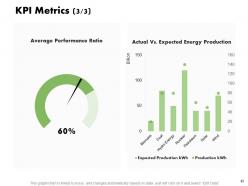
Slide 45: Este slide também mostra Métricas de KPI com Produção de Energia Real Vs. Esperada, Média da Razão de Desempenho.
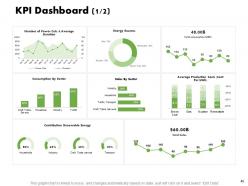
Slide 46: Este é o slide Painel de KPI mostrando as porcentagens de contribuição da energia renovável para residências, indústria, artesanato, comércio, serviços.
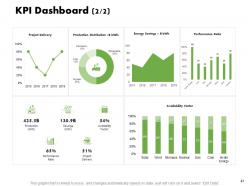
Slide 47: Este é o slide Painel de KPI com - Entrega de Projetos, Distribuição de Produção (B kWh), Renovável, Nuclear, Carvão, Gás, Economia de Energia - B kWh, Razão de Desempenho Fator de Disponibilidade, Produção (kWh), Razão de Desempenho.
Slide 48: Este é o slide de ícones de sustentabilidade e meio ambiente.
Slide 49: Este slide é intitulado Slides Adicionais para Seguir em Frente.
Slide 50: Este slide exibe hora do intervalo para café.
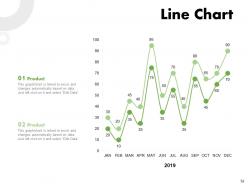
Slide 51: Este slide exibe Gráfico de Linhas.
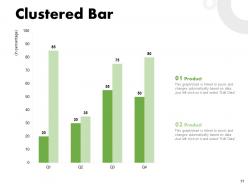
Slide 52: Este slide exibe Gráfico de Barras com comparação de produtos.
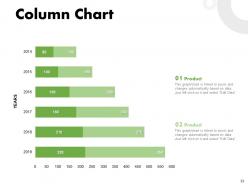
Slide 53: Este slide exibe Gráfico de Colunas com comparação de produtos.
Slide 54: Este é o slide Sobre Nós para mostrar as especificações da empresa.
Slide 55: Este é o slide Nossa Missão para mostrar a missão da empresa.
Slide 56: Este é o slide Nossa Meta para mostrar as metas da empresa.
Slide 57: Este é o slide financeiro.
Slide 58: Este é o slide Nossa Equipe com nomes e designações.
Slide 59: Este é o slide de localização com porcentagem de homens e mulheres em um determinado país.
Slide 60: Este é o slide de citação.
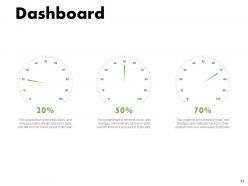
Slide 61: Este é o slide de painel com porcentagem.
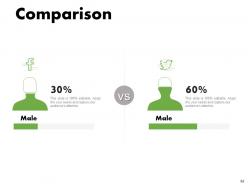
Slide 62: Este slide mostra a comparação entre usuários masculinos e femininos do Facebook e Twitter.
Slide 63: Este é o slide de Venn.
Slide 64: Este é o slide Fale Conosco com endereço, endereço de e-mail e número de contato.
Sustentabilidade e Slides de Apresentação de Gerenciamento Ambiental com todas as 64 slides:
Nossos slides de apresentação de Gestão Ambiental e de Sustentabilidade podem ajudá-lo a economizar tempo valioso. Eles estão prontos para se encaixar em qualquer estrutura de apresentação.






FAQs for Sustainability And Environmental Management
So basically it's the "triple bottom line" thing - people, planet, profit. Balance environmental stuff with social responsibility and actually making money. Circular economy is huge right now: cut waste, renewable resources, fair worker treatment, community engagement. Most companies treat this as core strategy now instead of just CSR fluff, which honestly makes way more sense. Don't bolt it on as an afterthought. I'd start with a sustainability audit of what you're doing already - that'll show the low-hanging fruit and bigger opportunities. It's not optional anymore, it's just good business.
So there's this thing called the GHG Protocol that's pretty solid for getting started. It splits emissions into three buckets - your direct stuff (like company cars), energy you buy, and then all the messy supply chain bits. Start with the first two since they're way easier to track. Your office electricity bill? Simple. Scope 3 though... ugh, that's where it gets weird. Business travel, supplier emissions, all that jazz. But honestly? That's usually where the biggest numbers are hiding. Just pick the obvious stuff first and build from there. Don't overthink it initially.
Honestly, renewable energy is your best shot at hitting those sustainability goals. Solar, wind, hydro - they're game-changers because you can power stuff without burning fossil fuels. The carbon reduction is huge. Plus you get energy independence and cleaner air, which is nice. Long-term, renewables keep getting cheaper while fossil fuel prices are all over the place (remember 2008?). If you're actually serious about this, start with an energy audit. Figure out what you're using now, then see where you can make the switch first.
Honestly, your supply chain can totally make or break your sustainability goals. Like, you could be doing everything else right, but if you're working with sketchy suppliers halfway around the world, you're screwing yourself over. Local sourcing helps a ton - cuts transportation emissions and you can actually see what's happening. Green certifications matter too, though some are better than others (don't get me started on greenwashing). The ripple effects are wild when you really think about it. I'd start by just asking your current suppliers about their practices. You'll probably learn some uncomfortable stuff about your real footprint.
Honestly, the worst myth is thinking you need to drop serious cash on solar panels or whatever to be "sustainable." Small stuff actually adds up more than people realize. Like, eco products work fine - I don't know why everyone assumes they're garbage. Yeah, it seems time-consuming at first, but habits stick pretty quick once you get going. The whole "why bother when corporations pollute more" thing is such a cop-out though. Just pick one thing that doesn't break your budget or stress you out. Build from there instead of trying to save the world overnight.
Honestly, start with making your stuff last longer and easier to fix - that's huge. Set up programs where people can return old products so you can refurbish them or break them down for parts. Find suppliers who can use your waste as their raw materials, or vice versa. Creates this cool closed loop thing instead of just throwing everything away. Oh, and consider leasing instead of selling outright - keeps you in control of the whole product journey. I'd map out where all your current waste ends up first though. You'll probably find tons of opportunities to turn that "trash" into someone else's treasure.
Dude, farming is getting absolutely wrecked by climate change right now. Rain patterns are all over the place, so planting seasons don't make sense anymore. Then you've got crazy storms wiping out entire harvests. Some crops literally can't grow where they used to because temperatures have shifted so much. Farmers are scrambling - switching to drought-resistant seeds, upgrading irrigation, even relocating operations. My cousin's farm had to completely change what they grow. If your company deals with ag suppliers, you'll want to plan for these disruptions getting worse.
Honestly, what you buy matters way more than people think. Companies pivot crazy fast when they see shifts in spending patterns - like when everyone started wanting plant-based everything a few years back. Your wallet is basically your vote for the kind of world you want. Skip the overconsumption trap, grab secondhand when you can, or just waste less food (I'm terrible at this but trying). Even small swaps add up and mess with supply chains in good ways. Maybe track your spending for a week? You'll probably spot some easy wins for going greener without breaking the bank.
Honestly, tech can totally transform how sustainable your business gets. Start by figuring out where you're wasting the most resources - that's your goldmine. AI optimizes energy use in manufacturing, IoT sensors cut agricultural waste, and predictive analytics make supply chains way more efficient. Smart buildings are pretty neat too, automatically controlling lights and heating. Blockchain tracks sustainable sourcing (though I'll admit that one's a bit overhyped). The trick? Don't go crazy trying to fix everything at once. Pick one wasteful process and tackle it with the right tech solution. Then scale up from there.
Okay so three big things to tackle: green infrastructure, waste stuff, and getting people actually involved. Public transit and bike lanes are obvious wins. Green building codes too if you can swing it politically. For waste - recycling programs are good but honestly composting is where you see crazy results, like way more than people expect. Oh and definitely get residents on board early because they'll make or break everything. I'd probably start small with one pilot project. Show some real results first, then expand from there once you've got momentum.
Basically, sustainable design is about making stuff that doesn't trash the planet. You pick materials that won't harm the environment and design things to actually last - like, if something lasts 20 years instead of 5, you're cutting manufacturing waste by 75%. Pretty crazy when you think about it! Also means choosing renewable materials and making sure products can be recycled later. I always think the best designs consider the whole lifecycle, not just how it looks initially. Oh, and use less energy during production too - that's huge. Next time you're designing anything, just ask yourself how you can make it last longer while using fewer resources.
Honestly, you'll start seeing savings right away - energy bills drop, less waste fees, water costs go down. All that stuff adds up quick. Tax breaks and rebates for solar or efficient equipment are nice too. But the real payoff comes later when you attract customers who actually give a damn about the environment (especially younger people), plus your brand looks way better. Oh and employees tend to stick around more when they feel good about where they work. Get a free energy audit first though - seriously, it'll show you exactly where you're wasting money and that's the best place to start.
Honestly, don't create separate "green" classes - that's kinda limiting. Instead, weave sustainability into what already exists. Biology students could study local ecosystems. Business majors might analyze sustainable supply chains, which is way more practical anyway. Make it relevant to each major instead of forcing the same approach everywhere. Hands-on stuff works best - campus energy audits, community gardens, real projects students can actually touch. Find faculty who are already excited about this and start there. Maybe pilot with one department this semester? You'll get better buy-in that way than trying to change everything at once.
Oh man, there's some really cool stuff out there! Patagonia did that "Don't Buy This Jacket" campaign and it actually boosted their sales - kinda genius if you ask me. Interface Inc. went from regular carpet company to being carbon negative, which is insane. IKEA produces more renewable energy than they even use now. Unilever managed to cut costs while going greener across all their brands. Honestly though, I'd pick whichever one's closest to your industry and really dig into what they did specifically. You'll get way better ideas that you can actually use that way.
So basically, government policies are like the rulebook for corporate sustainability stuff. Carbon taxes and emissions rules force companies to change their game, while tax breaks make green investments way more attractive. Look at the EU's carbon border tax - that thing is totally reshaping how companies think about their supply chains. Most companies actually go beyond just meeting requirements once there's a baseline set. Honestly, if you're doing any corporate planning, you should be watching policy changes like a hawk. They're usually what drives the biggest sustainability spending and can give you a serious edge over competitors who aren't paying attention.
-
The Designed Graphic are very professional and classic.
-
Wonderful templates design to use in business meetings.
-
Perfect template with attractive color combination.
-
Helpful product design for delivering presentation.