

Sustainable supply chain management powerpoint presentation slides




Try Before you Buy Download Free Sample Product
 Impress Your
 Audience
 100%
100% Editable
 Save Hours
 of Time


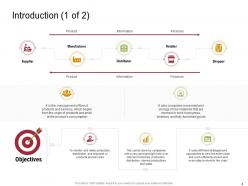
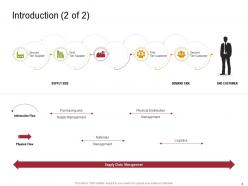
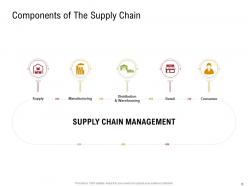
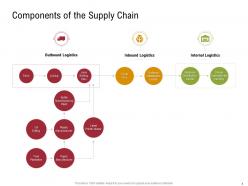
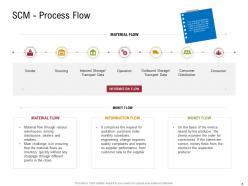
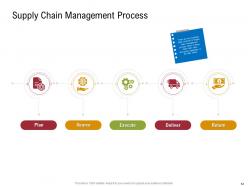
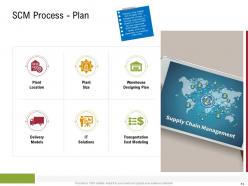
Select our Sustainable Supply Chain Management PowerPoint Presentation Slides, designed explicitly for your unique business needs and requirements. Highlight the regulatory operations that embody the entire product life-cycle by taking the aid of our supply chain management ppt templates. Utilize our networking management PPT presentation to create an action plan for incorporating sustainability in supply chain operations like purchasing, manufacturing, distributing, storing, warehousing, usage, recycling, and disposal. Showcase the project objectives of your company with the assistance of this management flow PPT slideshow. You can employ these logistics management PPT layouts for exhibiting the statistics and logistics of your business operations in a well-organized and systematic manner. Pick our supply planning PPT themes for your performance measurement needs! Additional slides provided at the end will help you add each essential element important for your business development and give an attractive yet informative orientation to the presentation. Download this completely customizable service flow PPT deck to present the economic perspectives of environmentally-friendly supply chain management.
People who downloaded this PowerPoint presentation also viewed the following :
Sustainable supply chain management powerpoint presentation slides with all 78 slides:
Use our Sustainable Supply Chain Management Powerpoint Presentation Slides to effectively help you save your valuable time. They are readymade to fit into any presentation structure.




FAQs for Sustainable supply chain management
Look, it's all about that "triple bottom line" thing - people, planet, profit. Basically you want fair labor, minimal environmental damage, and yeah, still make money. Start by actually mapping out your supply chain (most companies have no clue where their stuff really comes from). Then tackle the worst problem areas first. You'll want suppliers who genuinely care about this stuff, not just ones with fancy sustainability reports. Be transparent about everything, cut waste where you can, and build real partnerships. Honestly, the whole thing's way more connected than it seems at first glance.
Honestly, just start by figuring out where all your emissions come from - raw materials, shipping, manufacturing, the whole chain. The spend-based method is your friend here: take what you're paying suppliers and multiply by emission factors from EPA or DEFRA databases. Super boring but it works. Later you can get fancy with actual consumption data or lifecycle tools. Watershed and Persefoni are decent software options that'll handle the math for you. Focus on your biggest suppliers first though - they're probably 80% of your problem anyway. Oh, and fair warning: it's gonna feel overwhelming at first, but once you get the system down it's not too bad.
Oh man, tech is a game-changer for sustainable supply chains. IoT sensors let you monitor resource use in real-time, which is pretty cool. AI optimizes shipping routes to cut emissions. Blockchain's great for verifying suppliers actually follow sustainability rules - honestly, you can't just take their word for it anymore. Digital twins are useful too since you can test scenarios before making changes. My advice? Pick one tech that tackles your worst sustainability headache first. Then expand from there. Don't try to do everything at once or you'll go crazy.
Start with solid supplier audits and set your ethical standards from day one. Map everything - not just your direct suppliers but dig into where materials actually come from. Fair Trade or B-Corp certifications help, though some companies just use them as window dressing tbh. Do regular site visits. Anonymous reporting systems let workers speak up without fear. Here's the thing - make ethical sourcing a hard contract requirement, not some feel-good afterthought. Oh, and don't skip the deeper supply chain levels because that's usually where the sketchy stuff happens.
Honestly, the best approach is building circularity right into your processes from day one. Map out your supply chain first - you'll spot the worst waste areas pretty quickly. Then hit the basics: just-in-time delivery, better demand forecasting, anything that stops you from making too much stuff. Find suppliers who actually care about sustainability too (trust me, it saves so many headaches later). Package smarter, set up material recovery programs, go digital with documentation. Oh, and don't try to do everything at once - pick one pilot program, see what works, then expand from there.
Honestly, it all comes down to what your customers want. They're demanding eco-friendly stuff and want to know where everything comes from - and if you don't deliver, they'll just go elsewhere. So retailers start pressuring suppliers, suppliers change how they do things, and suddenly everyone's redesigning their whole operation. Companies are switching to renewable energy, ditching plastic packaging, the works. I'd say figure out which sustainability issues your customers actually care about (not just what sounds good) and tackle those first. Makes way more sense than trying to fix everything at once.
Honestly, the cost thing is gonna hit you first - your procurement team will lose their minds over expensive sustainable materials. Getting suppliers on board? Good luck with that, especially the smaller ones who barely have budget for basic stuff. I've seen companies struggle for months just trying to map their supply chains properly, let alone track real sustainability data. Then there's all the regulatory headaches since rules keep changing every few months. My take? Don't go crazy trying to fix everything. Pick a couple key suppliers and prove it works there first.
Honestly, working with suppliers is a game-changer for sustainability stuff. You can split costs on things like renewable energy projects or certifications that'd be crazy expensive solo. They know about greener materials you've probably never heard of since they're right there at the source. Transportation routes get way more efficient when you plan together, plus you can tackle packaging waste and set up shared recycling programs. I'd start with monthly check-ins with your main suppliers - sounds boring but you'll find quick wins fast. Oh, and they're usually more open to these convos than you'd think.
Honestly, regulations are forcing companies to get their act together with supply chains now. Can't just ignore sustainability anymore - it's legally required in most places. The EU's Corporate Sustainability Reporting Directive makes companies track their entire supply chain impact, which sounds like a nightmare tbh. But at least everyone's playing by the same rules now, so that's fair I guess. My take? Don't wait around. Figure out what's coming in your area and start prepping now instead of panicking later when deadlines hit.
So basically you'll want to track environmental impacts at each supply chain step - raw materials, manufacturing, shipping, disposal, the whole thing. Most companies find the biggest problems are in production and transport (shocking, right?). Once you spot those hotspots, you can actually make smarter choices about suppliers, shipping methods, and materials. Here's what really works though - build these LCA metrics right into your supplier scorecards next to cost and quality stuff. That way environmental impact isn't some separate thing you forget about. It becomes part of every buying decision from day one.
Yeah, definitely track both environmental and social stuff - you need the whole picture. Carbon emissions, water use, waste, energy consumption for the environmental side. Then labor practices, safety incidents, supplier diversity, community impact for social. The data collection is honestly brutal at first. I'd start with your tier-1 suppliers since they actually respond to your emails, then expand from there. Don't try measuring everything right away or you'll go insane. Pick like 5-7 metrics that match your sustainability goals and stick with those consistently. Way better than drowning in data you can't use.
So you're basically flipping from that whole "take-make-waste" thing to a closed loop setup. Map out where waste leaves your supply chain first - that's where the money is. Design stuff so it can actually be taken apart later, or partner with suppliers who'll take materials back. Honestly, most companies are just tossing value in the trash at the end. You could even do service models where you keep ownership of products. My buddy's company started with just one product line and it cut their material costs by like 30%. The whole point is catching that value before it hits the landfill.
Honestly, training is where most companies mess up their sustainability efforts. Your policies might look great on paper, but if your team doesn't get how to actually use them day-to-day, you're basically spinning your wheels. People need to spot those sustainability opportunities and understand the new processes - otherwise nothing changes. Here's the thing though: once employees see how this connects to what they're already doing, they usually get pretty into it. Skip the boring one-off presentations. Make it ongoing and hands-on instead. Figure out what gaps your team has first, then build from there.
Honestly, it's all about mixing rewards with consequences. Give your best suppliers longer contracts and preferred status when they hit sustainability targets - they eat that stuff up. Financial bonuses work great too, or share the savings from efficiency wins. But you've gotta have teeth - make sustainability part of your scorecard and actually use it in purchasing decisions. Some companies help train suppliers, which is smart since not everyone knows where to start. The trick is being super clear about what you want upfront. Otherwise you're just shouting into the void and nothing changes.
So the big stuff I'm seeing right now - AI forecasting is huge, plus everyone's obsessed with circular economy models. Blockchain for supply chain transparency too, which is pretty cool actually. Companies are going nuts trying to track scope 3 emissions across their whole supplier network. Super complicated but makes sense. Regional sourcing is making a comeback after all those supply chain disasters we had. Oh, and there's way more collaboration happening now between suppliers and buyers on sustainability stuff instead of just the old compliance hammer approach. If you want my advice? Start mapping those tier 2 and 3 suppliers yesterday.
-
Use of icon with content is very relateable, informative and appealing.
-
Great designs, really helpful.
-
Excellent work done on template design and graphics.
-
Great product with effective design. Helped a lot in our corporate presentations. Easy to edit and stunning visuals.