


Talent Management In Organization Powerpoint Presentation Slides
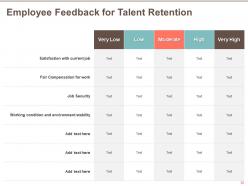
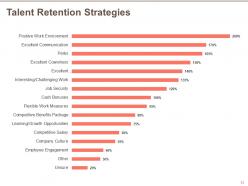
HR personnel can take advantage of the comprehensive and well-structured Talent Management In Organization Powerpoint Presentation Slides. Use this employee PPT template deck to represent the HR managerial processes. Our workforce management PowerPoint presentation includes all the key aspects, such as training and development, performance management, and employee motivation. Consolidate various talent management methodologies with the help of impactful diagrams featured in this staff management PPT theme. Showcase a crisp overview of your talent management plan, and elucidate the recruitment process and sources via personnel planning PowerPoint slideshow. Elucidate the employee feedback form employing a concise tabular format given included in this human resource management PPT layout. Employee feedback questionnaire assists in ascertaining appropriate talent retention strategies. Our presentation facilitates the virtual representation of such strategies. Utilize the HR planning PowerPoint deck to compile guidelines for performance planning, and action plan for employee motivation. So, hit the download icon and begin instant personalization. Our Talent Management In Organization Powerpoint Presentation Slides are topically designed to provide an attractive backdrop to any subject. Use them to look like a presentation pro.
HR personnel can take advantage of the comprehensive and well-structured Talent Management In Organization Powerpoint Prese..








-

- Google Slides is a new FREE Presentation software from Google.
- All our content is 100% compatible with Google Slides.
- Just download our designs, and upload them to Google Slides and they will work automatically.
- Amaze your audience with SlideTeam and Google Slides.
-

Want Changes to This PPT Slide? Check out our Presentation Design Services
-

- WideScreen Aspect ratio is becoming a very popular format. When you download this product, the downloaded ZIP will contain this product in both standard and widescreen format.
-

- Some older products that we have may only be in standard format, but they can easily be converted to widescreen.
- To do this, please open the SlideTeam product in Powerpoint, and go to
- Design ( On the top bar) -> Page Setup -> and select "On-screen Show (16:9)” in the drop down for "Slides Sized for".
- The slide or theme will change to widescreen, and all graphics will adjust automatically. You can similarly convert our content to any other desired screen aspect ratio.
Compatible With Google Slides

Get This In WideScreen
You must be logged in to download this presentation.


Do you want to remove this product from your favourites?
PowerPoint presentation slides
SlideTeam presents Talent Management In Organization Powerpoint Presentation Slides. Design a personalized presentation using 69 visually-appealing PPT templates. This 100% custom complete deck helps you in building a presentation within moments. Make final edits to background, colors, text, font, patterns, orientation, and shapes if necessary. Change the PPT format into PDF, PNG, or JPG according to convenience. Use standard or widescreen resolutions to access. It is compatible with Google Slides.

People who downloaded this PowerPoint presentation also viewed the following :
Content of this Powerpoint Presentation
Slide 1: This slide introduces Talent Management in Organization. State your Company name and begin.
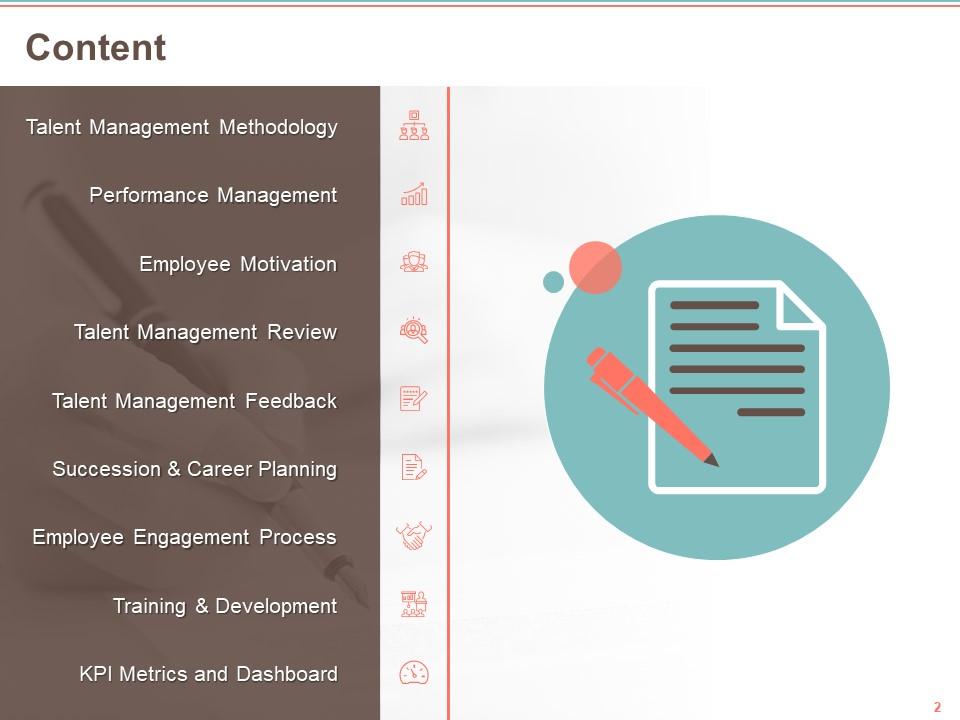
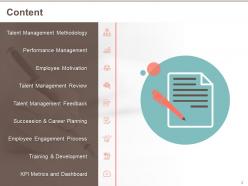
Slide 2: This slide displays Content of the presentation.
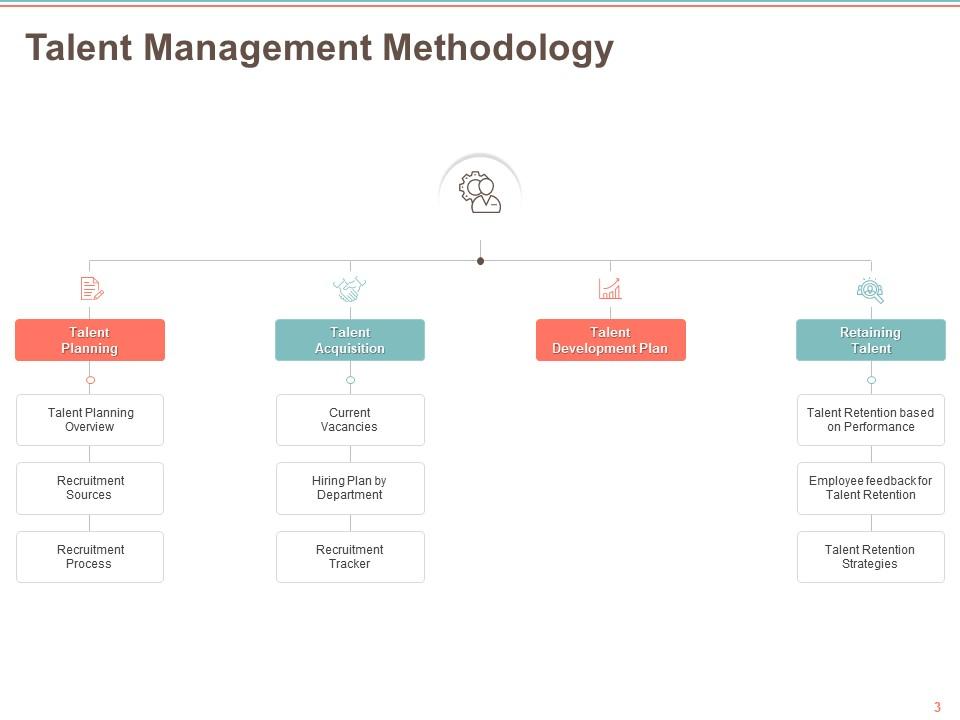
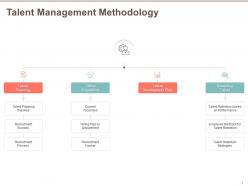
Slide 3: This slide shows Talent Management Methodology
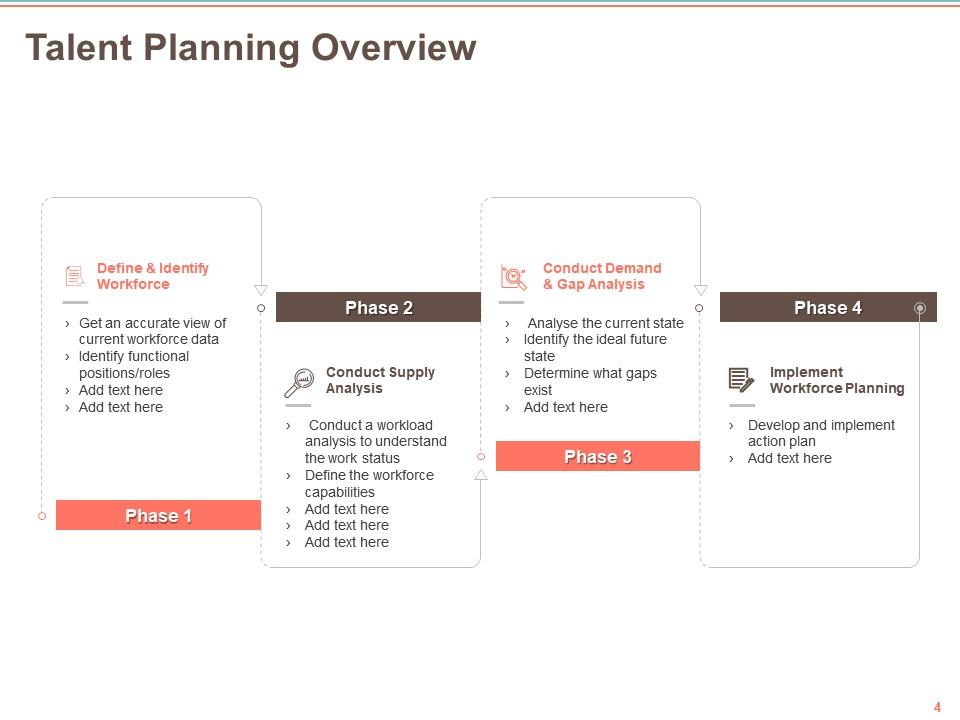
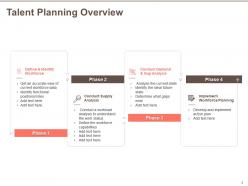
Slide 4: This slide showcases Talent Planning Overview.
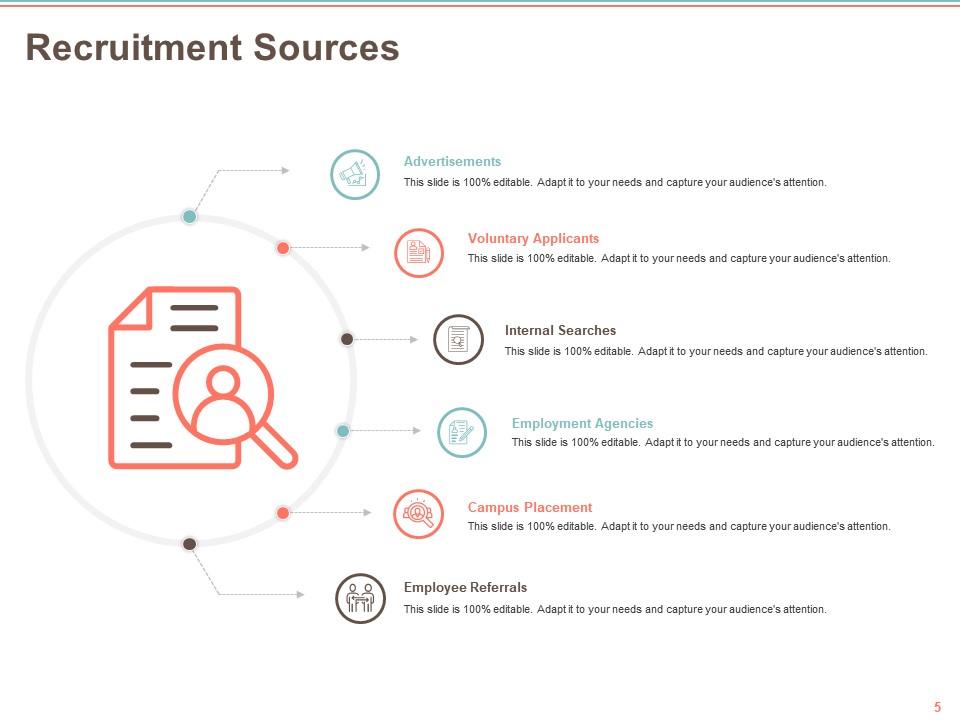
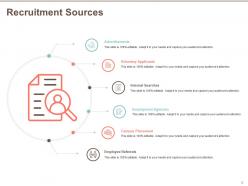
Slide 5: This slide displays Recruitment Sources
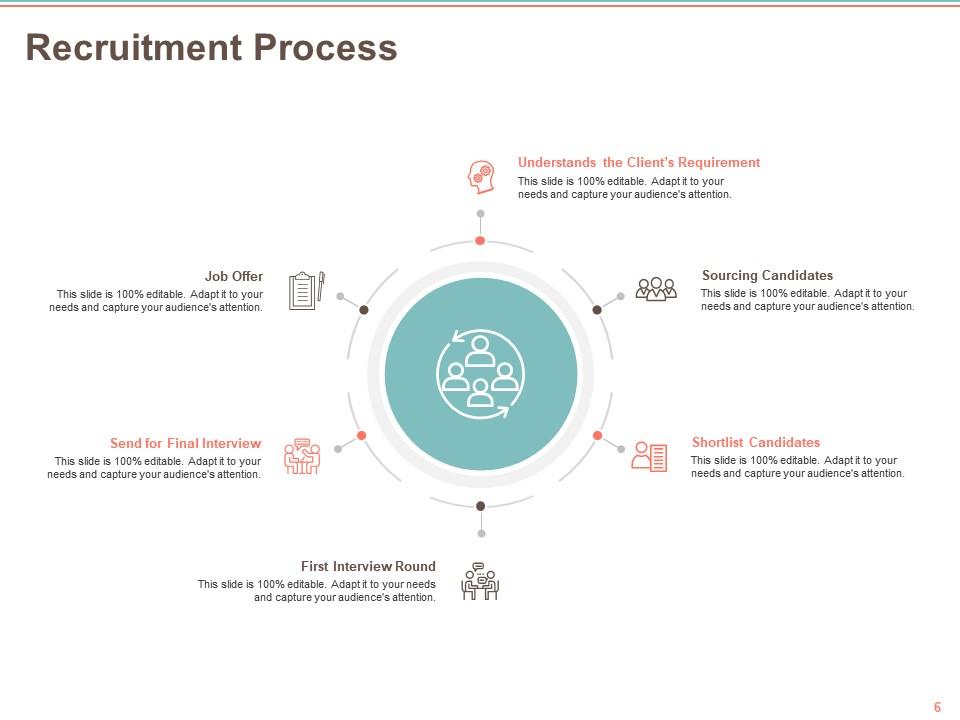
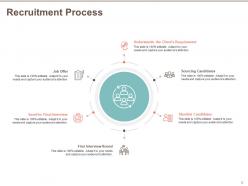
Slide 6: This slide depicts Recruitment Process.
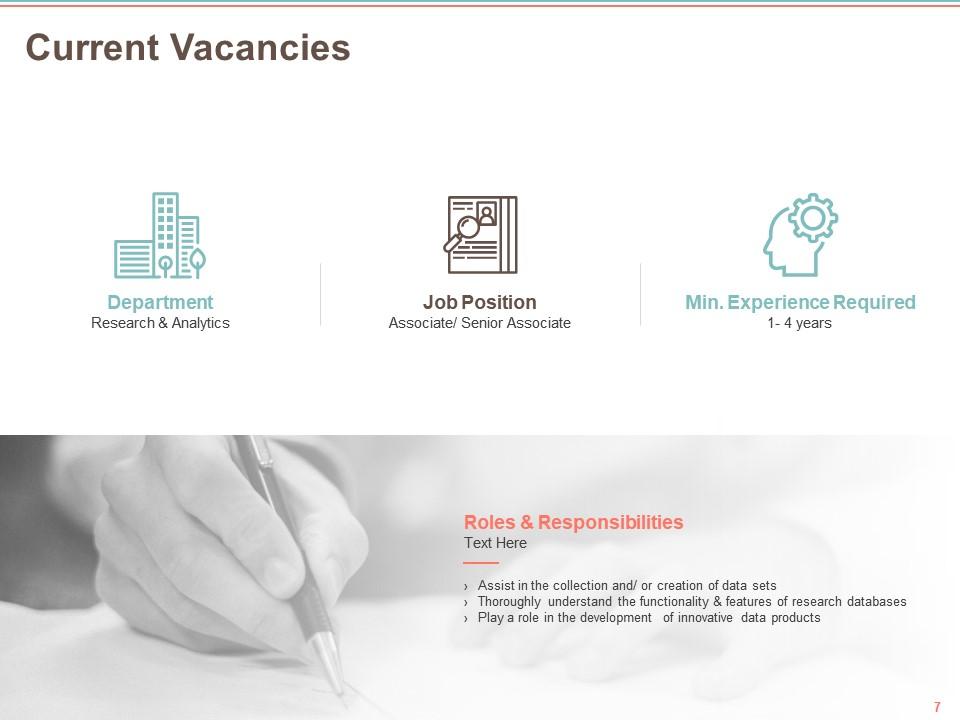
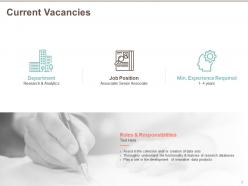
Slide 7: This slide displays Current Vacancies in the organization.
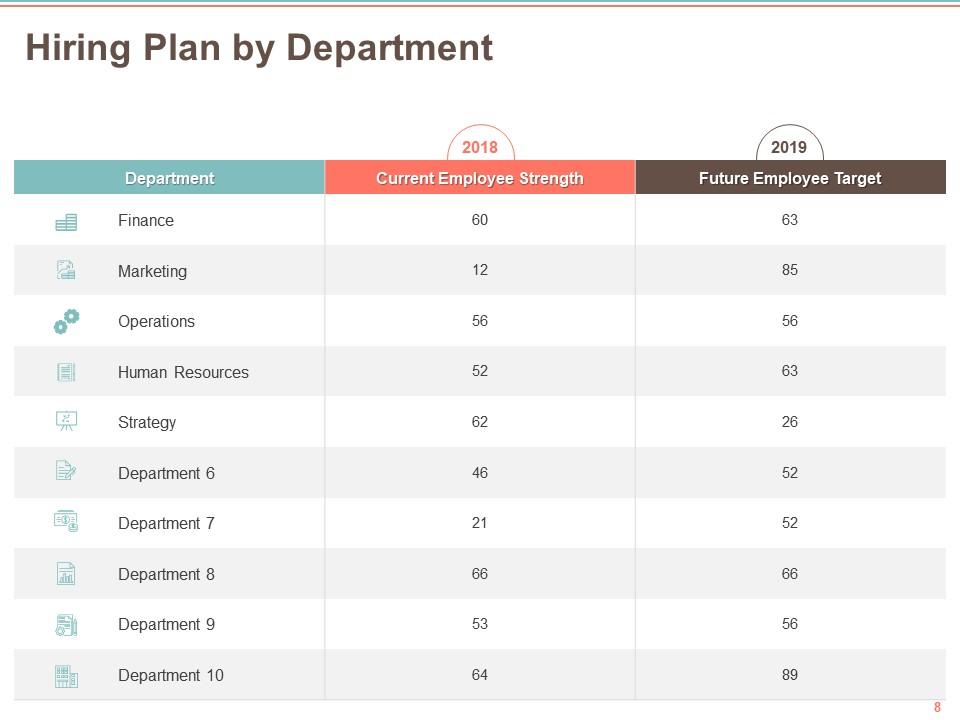
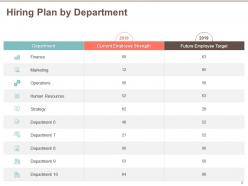
Slide 8: This slide showcases Hiring Plan by Department.
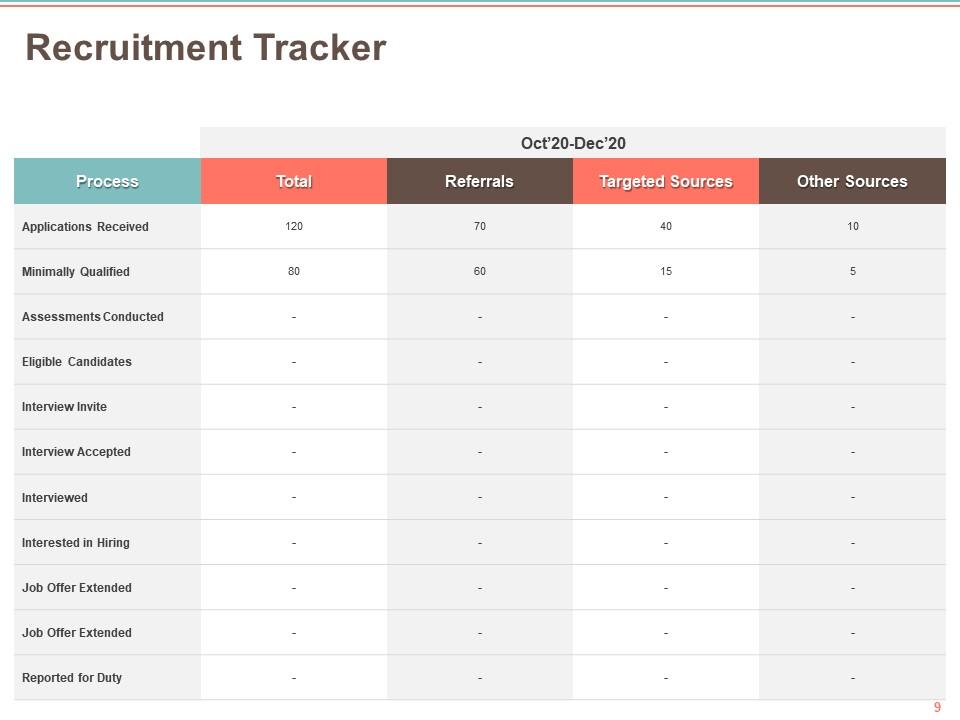
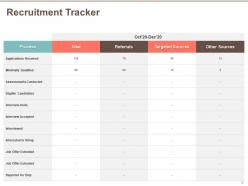
Slide 9: This slide showcases Recruitment Tracker.
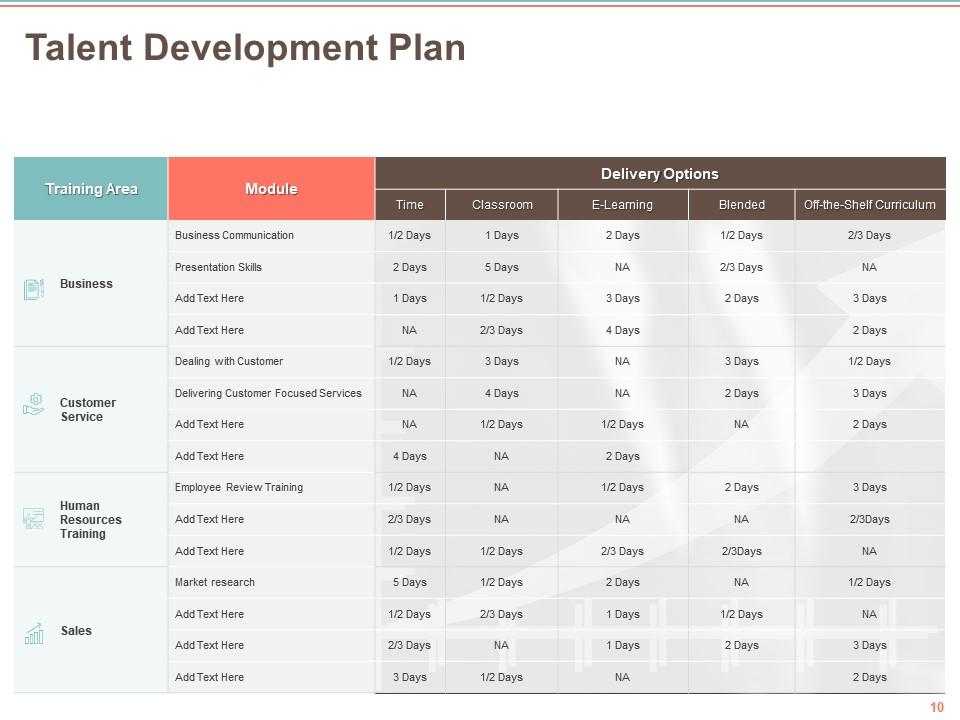
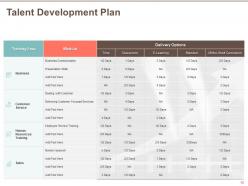
Slide 10: This slide shows Talent Development Plan.
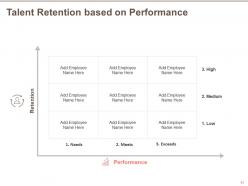
Slide 11: This slide displays Talent Retention based on Performance.
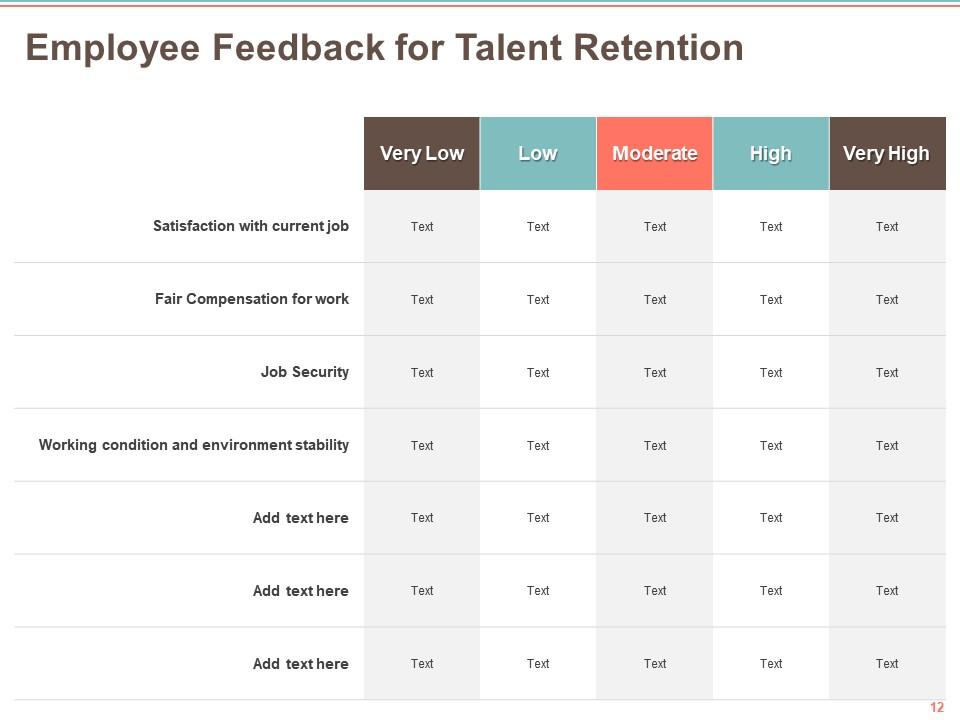
Slide 12: This slide shows Employee Feedback for Talent Retention.
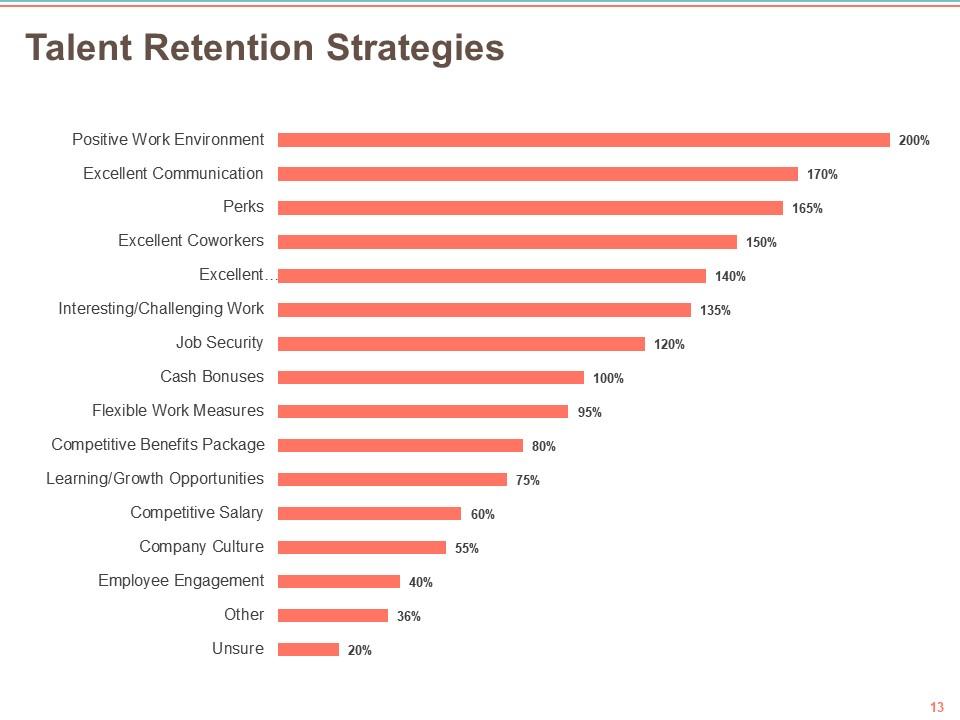
Slide 13: This slide showcases Talent Retention Strategies.
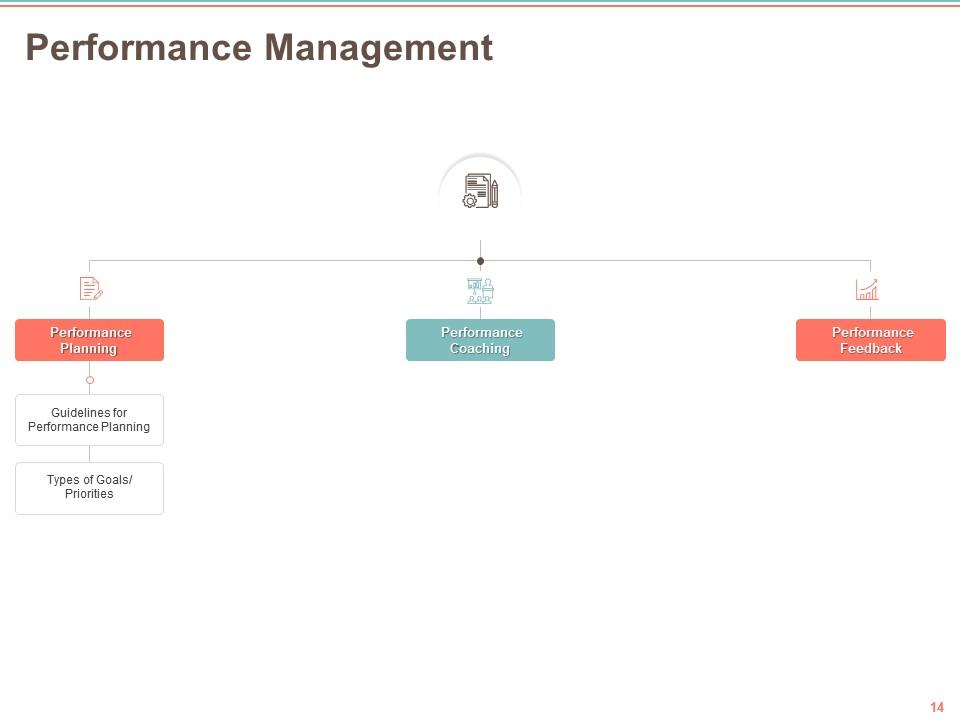
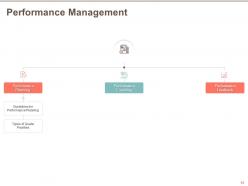
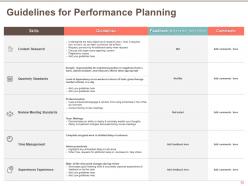
Slide 14: This slide shows Guidelines for Performance Planning
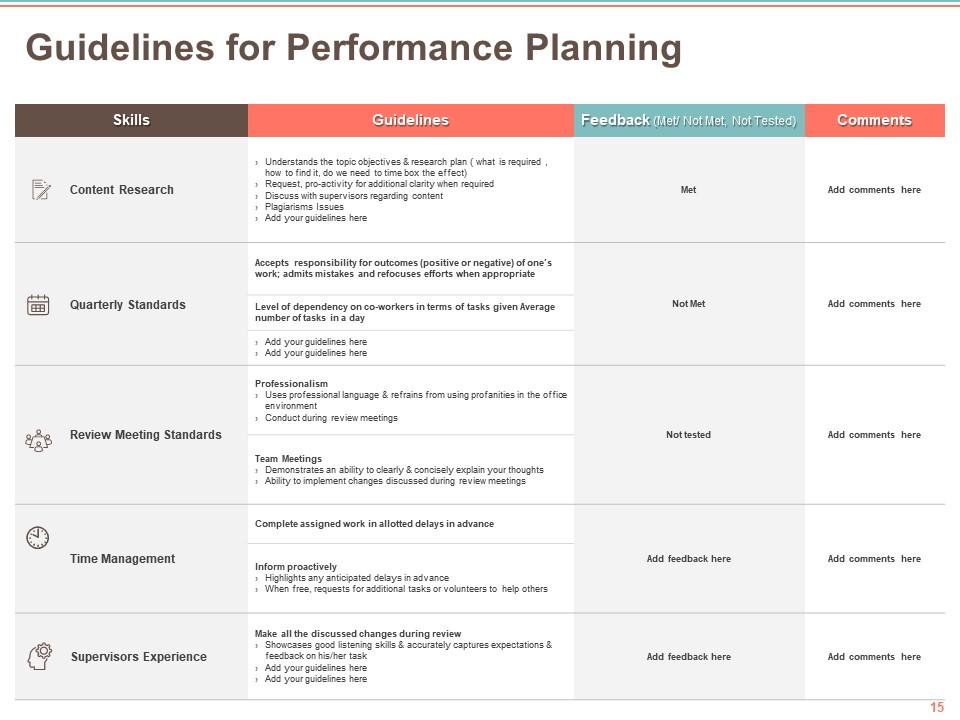
Slide 15: This slide presents Guidelines for Performance Planning.
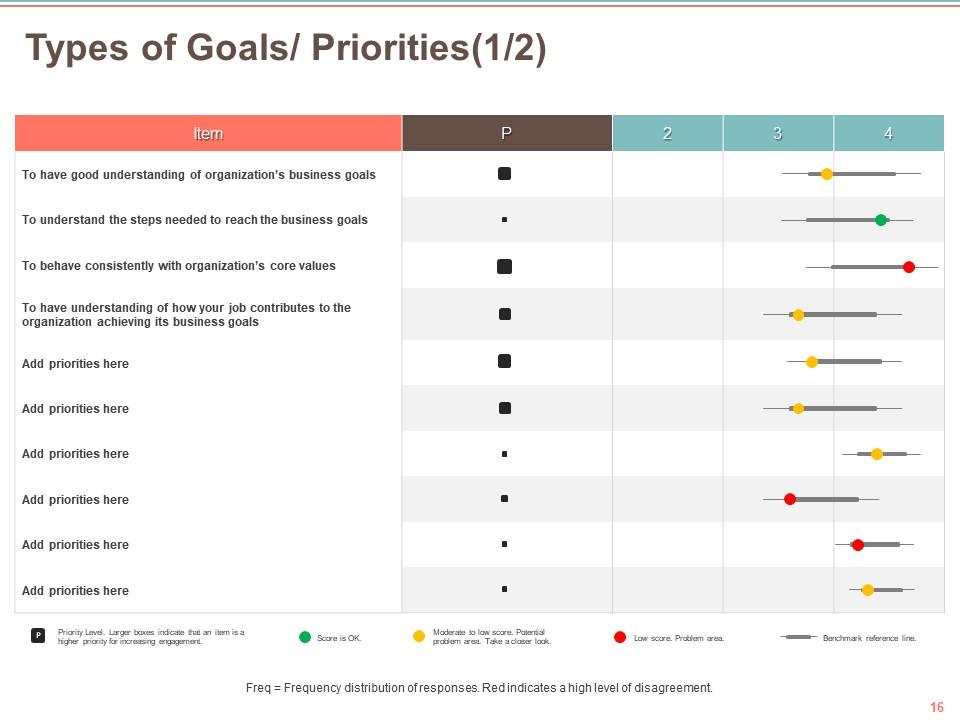
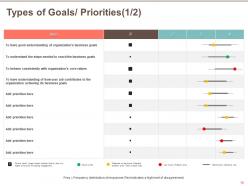
Slide 16: This slide depicts Types of Goals/ Priorities.
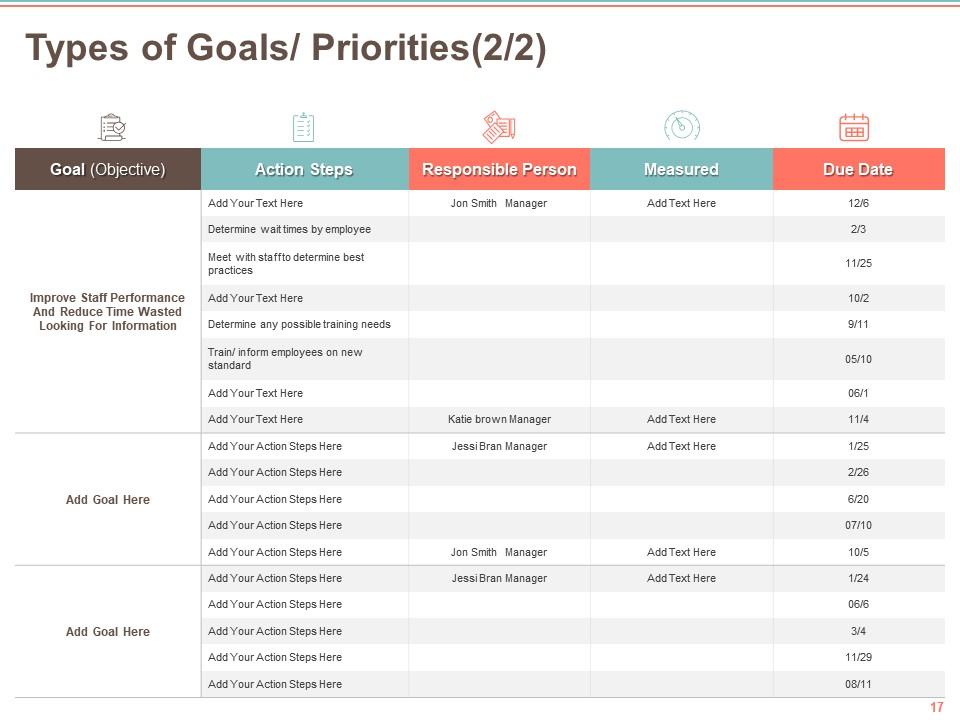
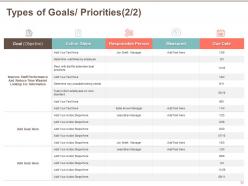
Slide 17: This slide showcases Types of Goals/ Priorities.
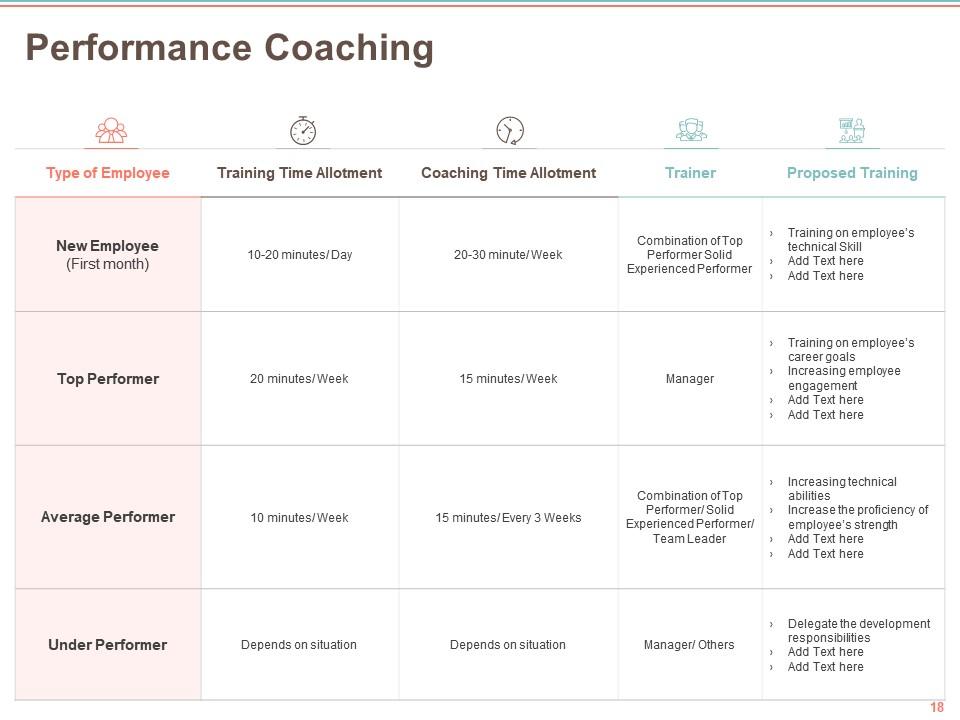
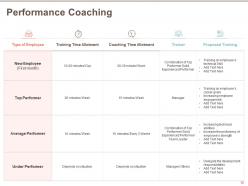
Slide 18: This slide provides information regarding Performance Coaching.
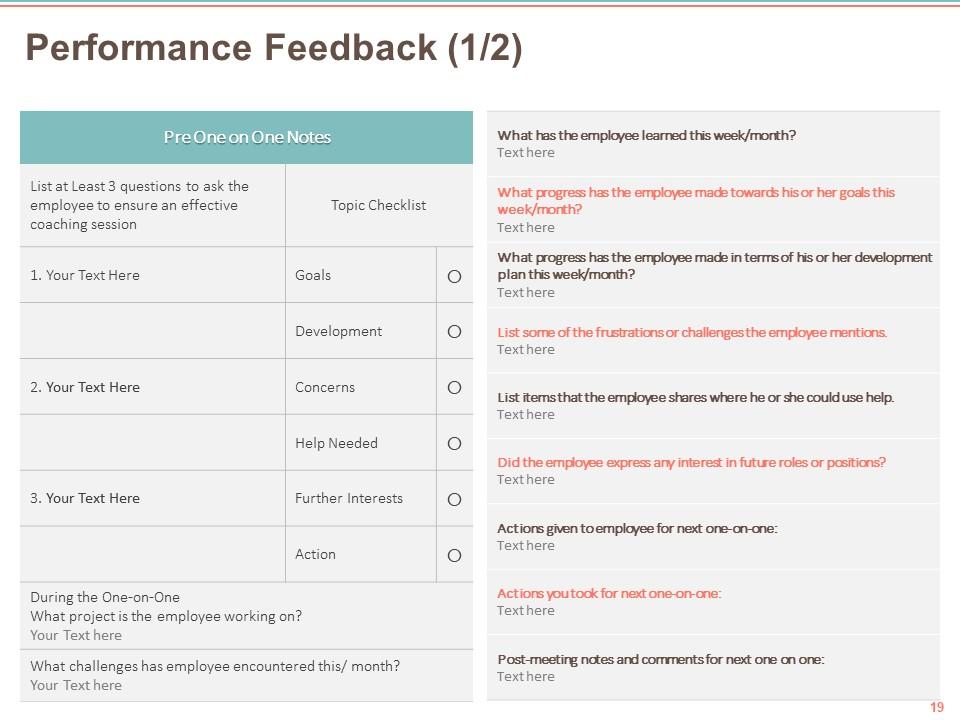
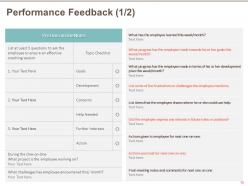
Slide 19: This slide provides information regarding Performance Feedback.
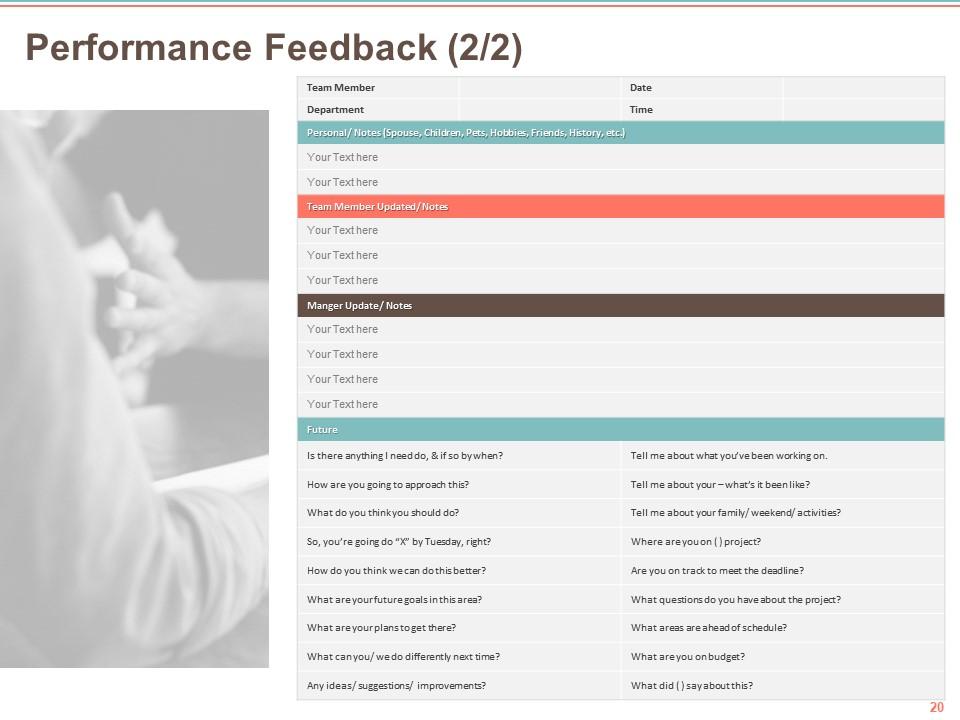
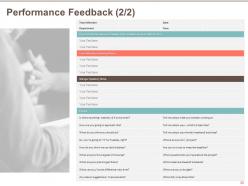
Slide 20: This slide provides information regarding Performance Feedback.
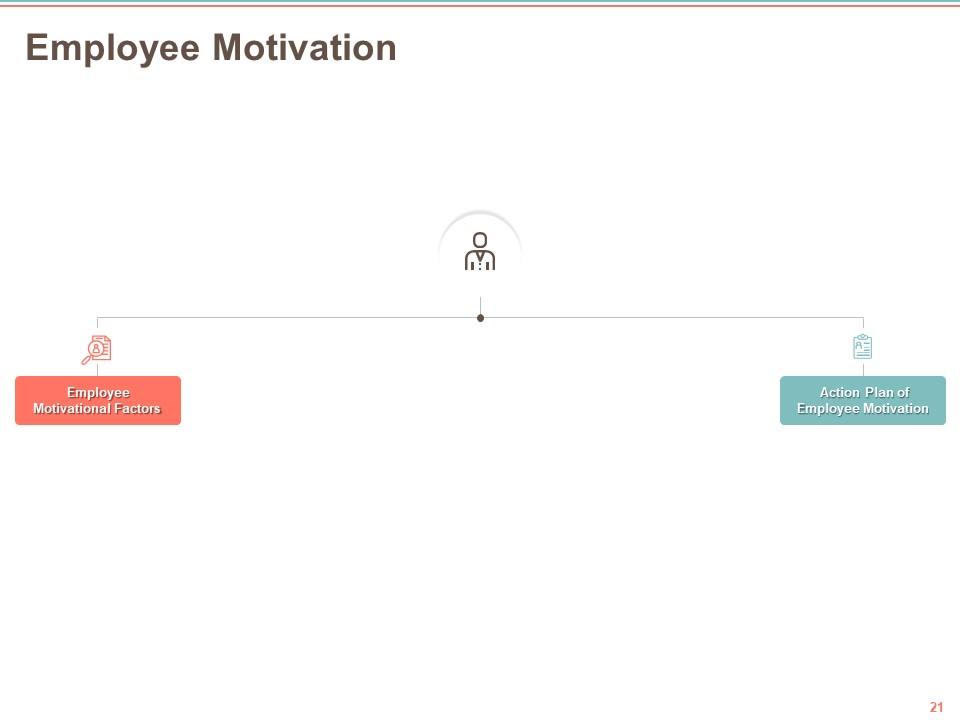
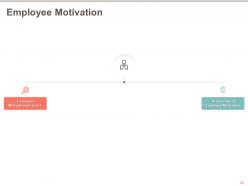
Slide 21: This slide shows Action Plan of Employee Motivation
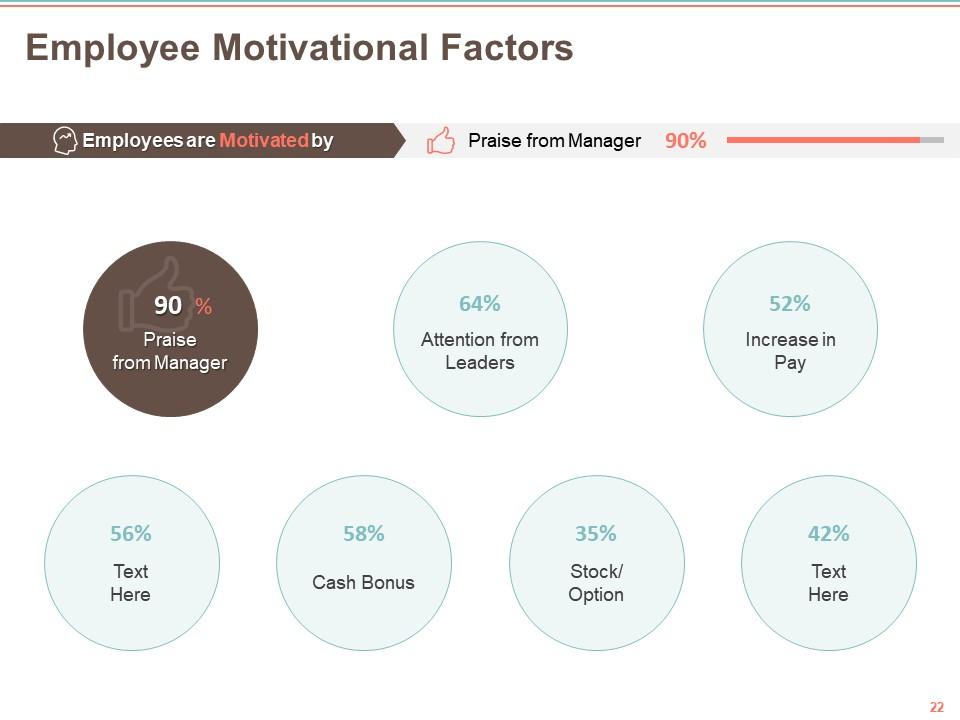
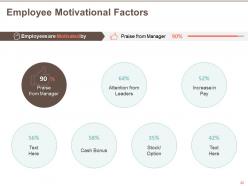
Slide 22: This slide displays Employee Motivational Factors.
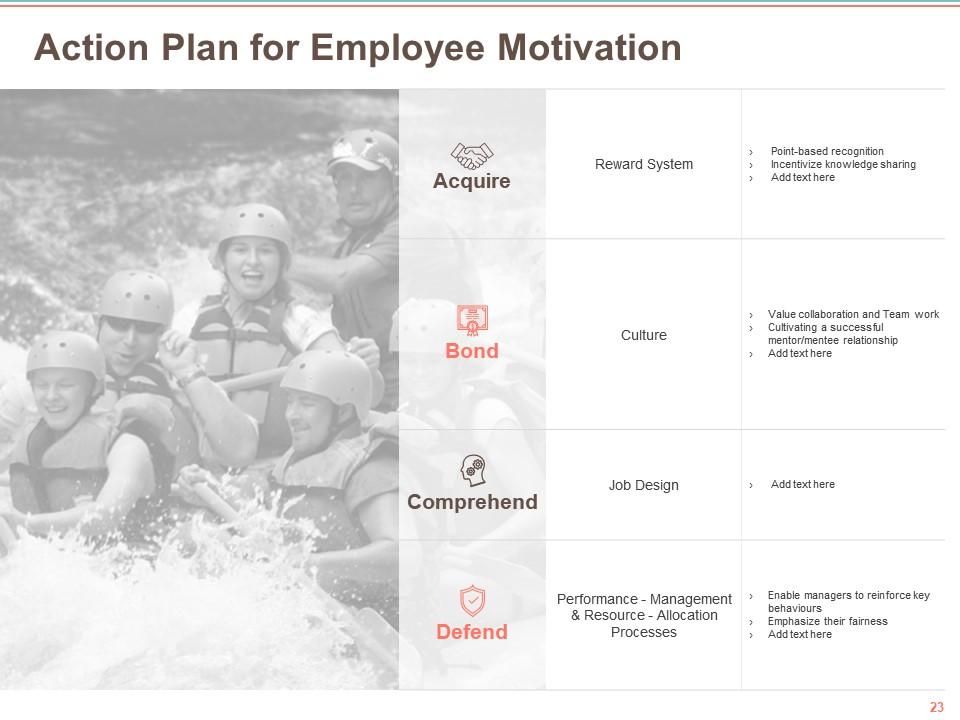
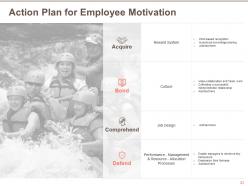
Slide 23: This slide represents Action Plan for Employee Motivation.
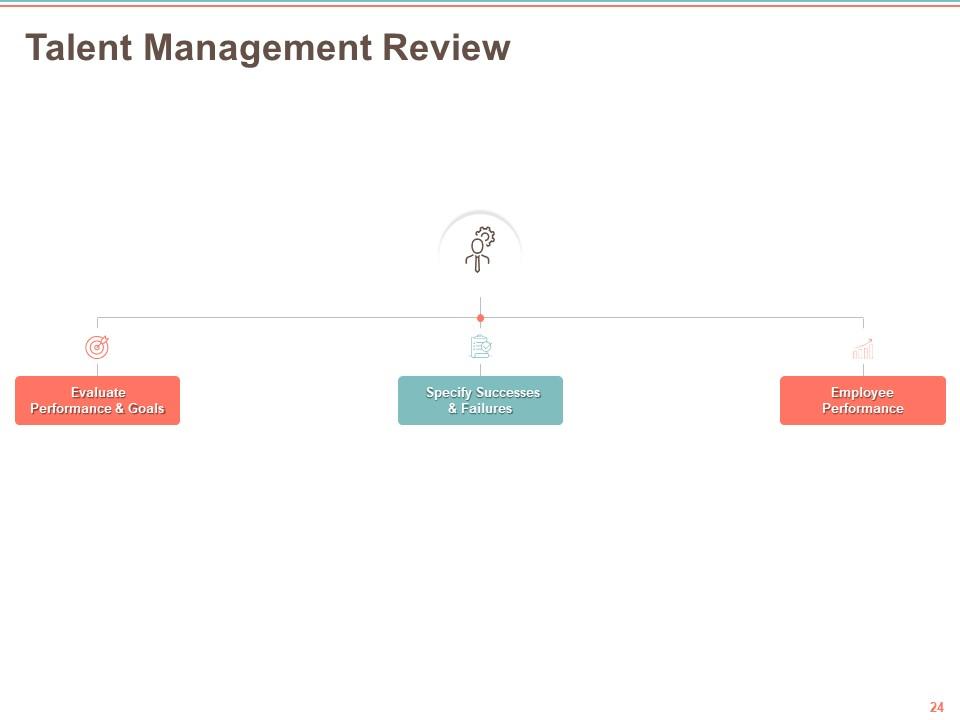
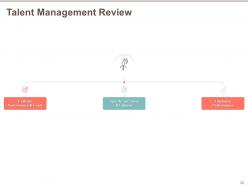
Slide 24: This slide depicts Talent Management Review.
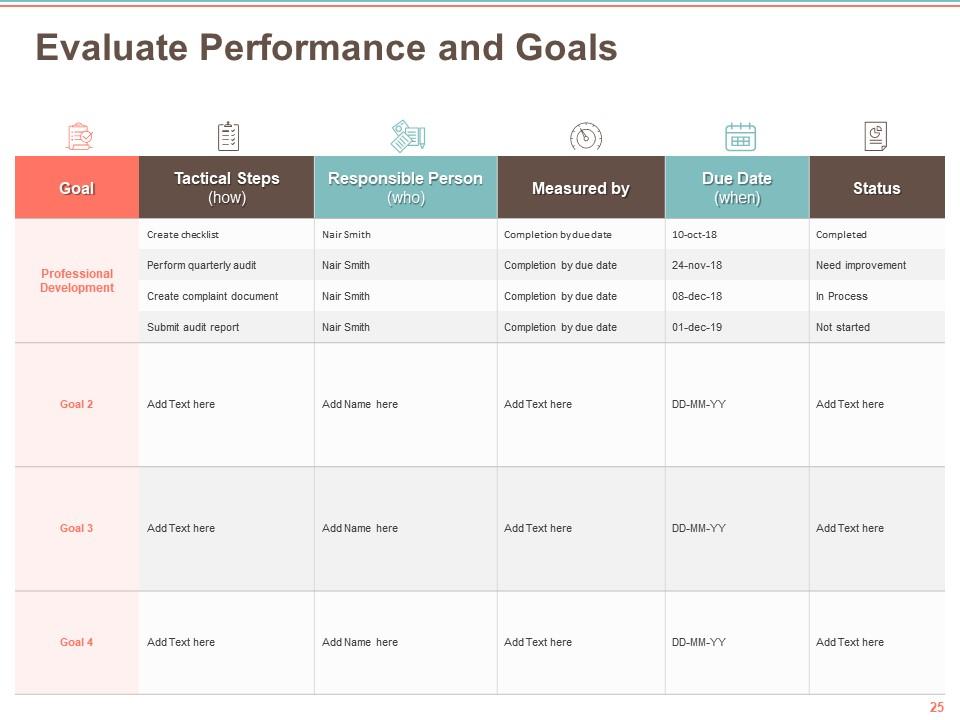
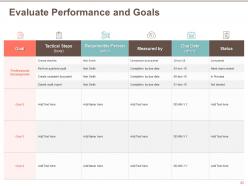
Slide 25: This slide showcases information on Evaluating Performance and Goals.
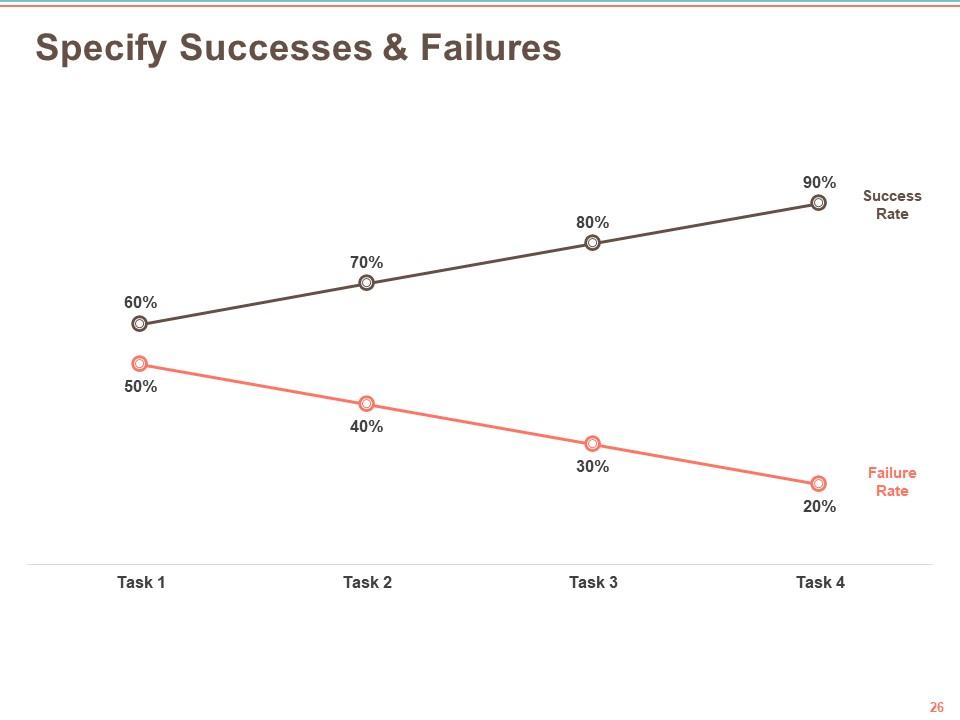
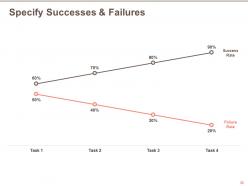
Slide 26: This slide Specifies Successes & Failures
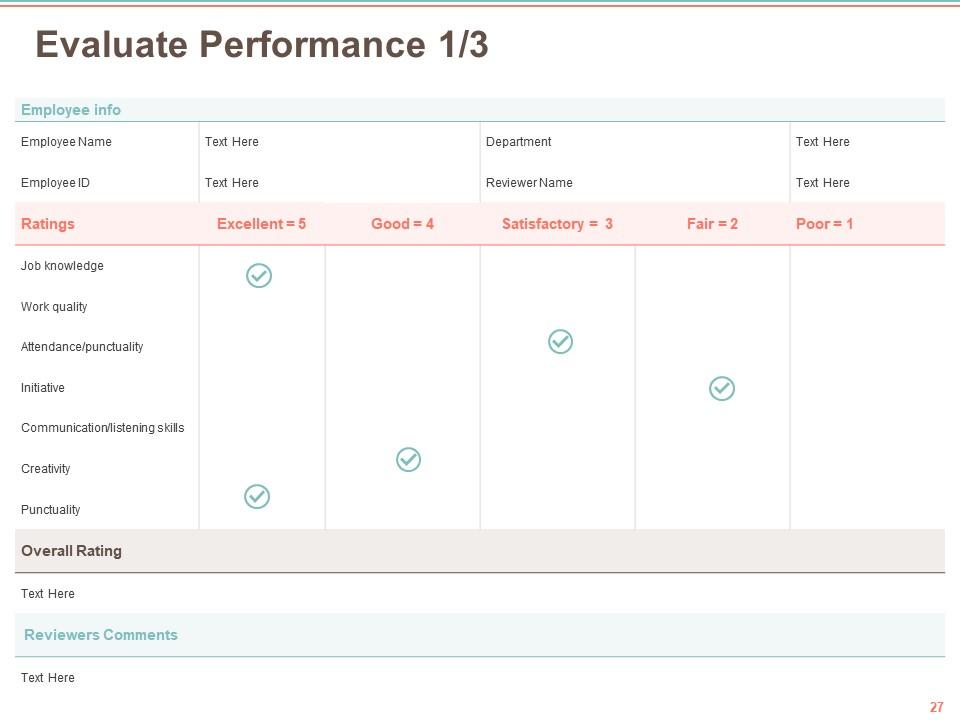
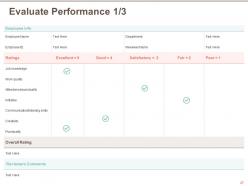
Slide 27: This slide shows Performance evaluation.
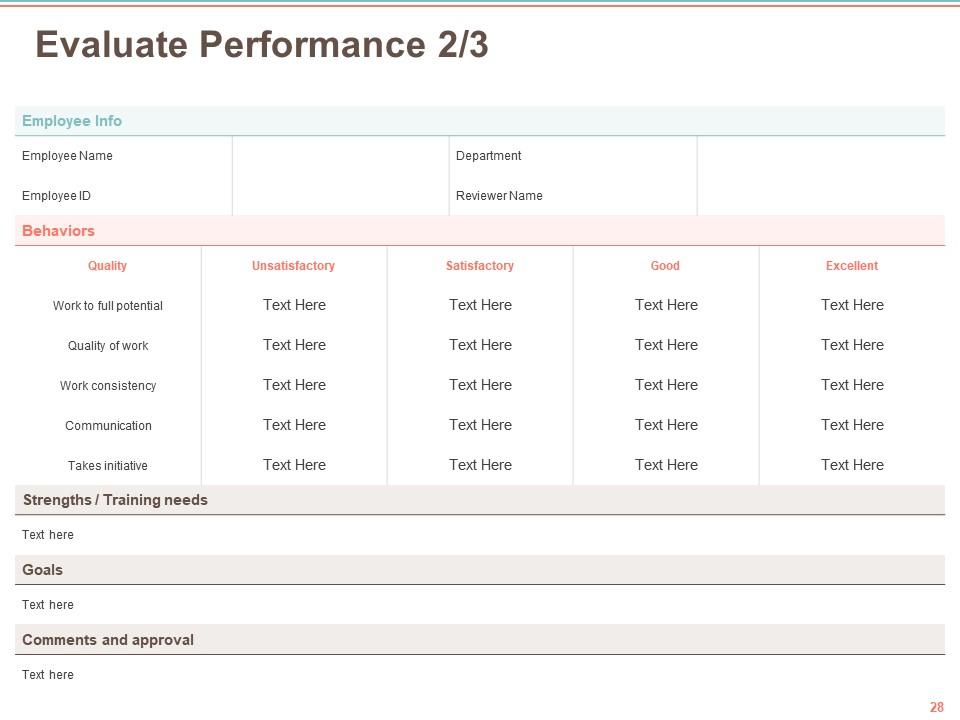
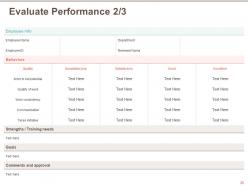
Slide 28: This slide shows Performance evaluation.
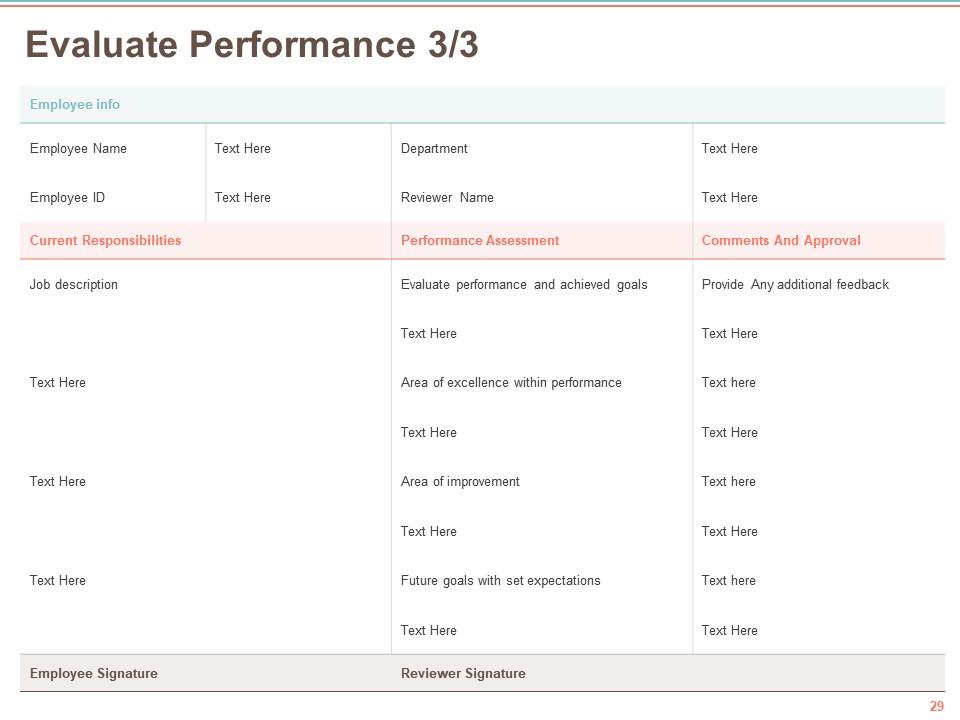
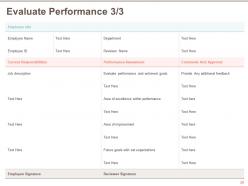
Slide 29: This slide showcases Performance evaluation.
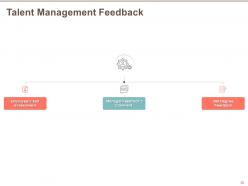
Slide 30: This slide displays Talent Management Feedback.
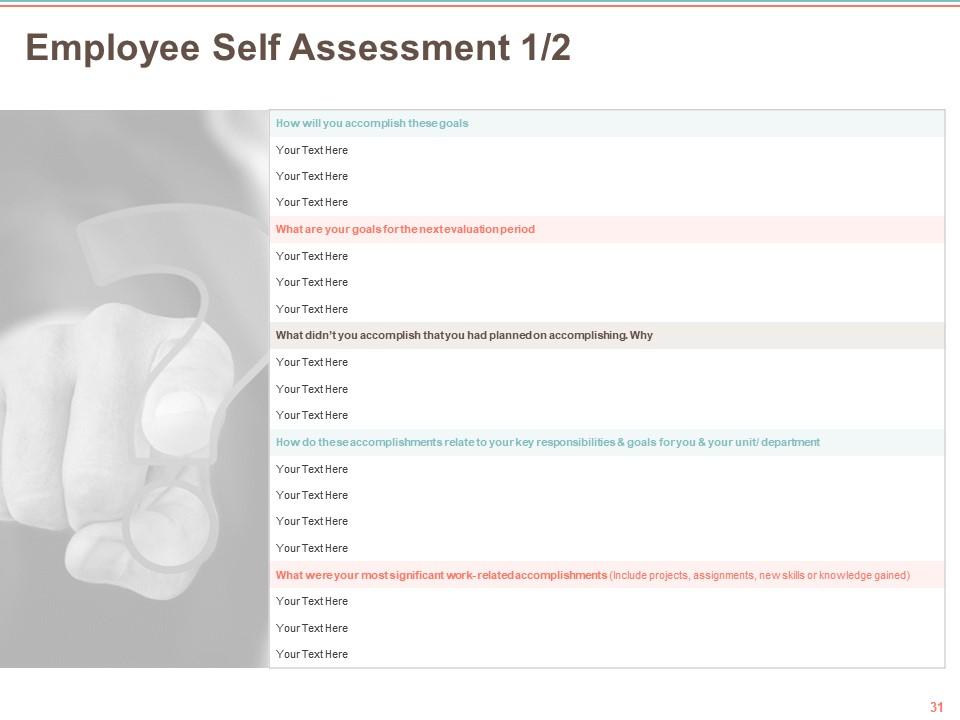
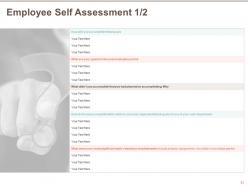
Slide 31: This slide represents Employee Self Assessment
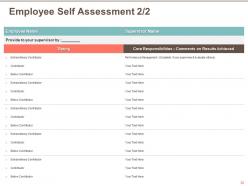
Slide 32: This slide also displays Employee Self Assessment.
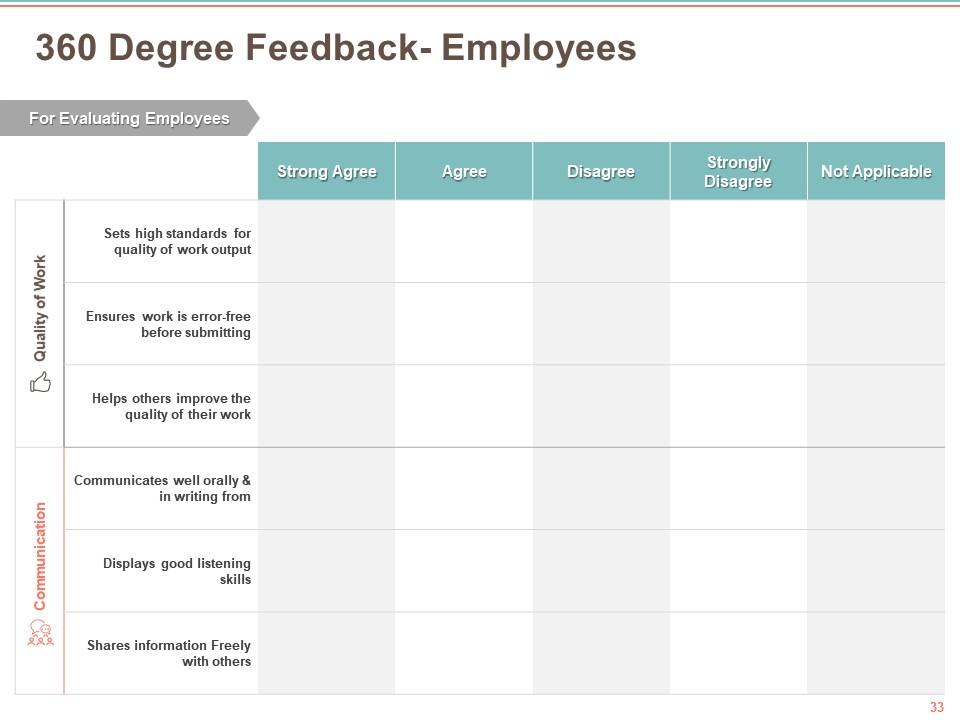
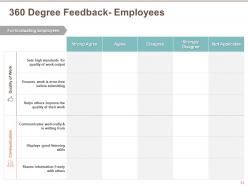
Slide 33: This slide shows 360 Degree Feedback- Employees For Evaluating Employees
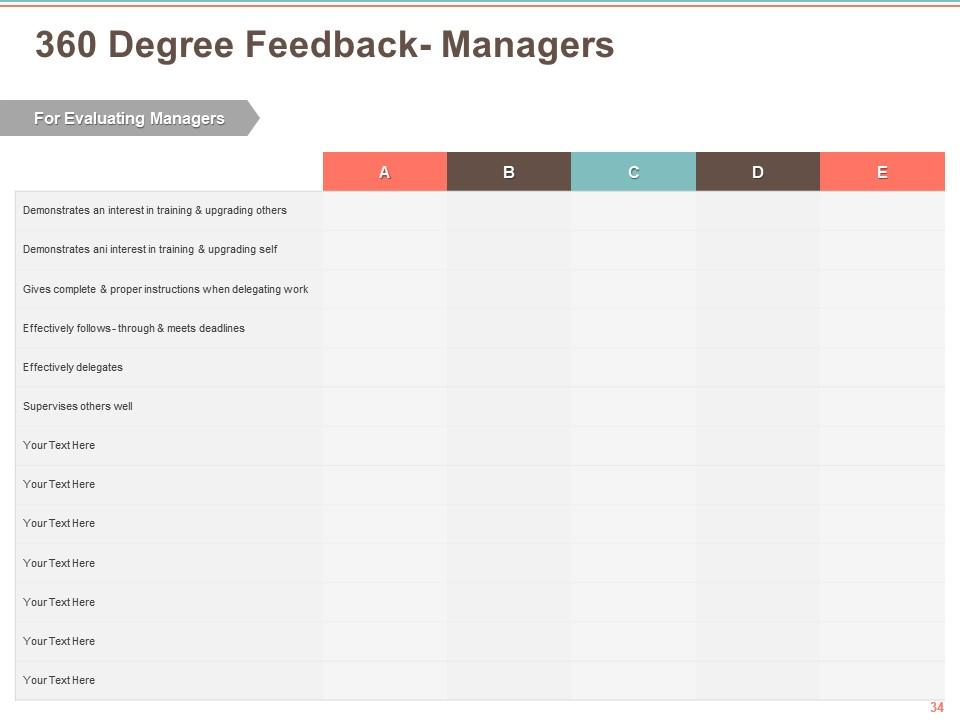
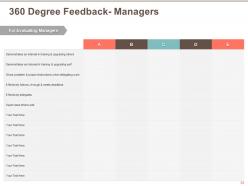
Slide 34: This slide shows 360 Degree Feedback- Managers For Evaluating Managers
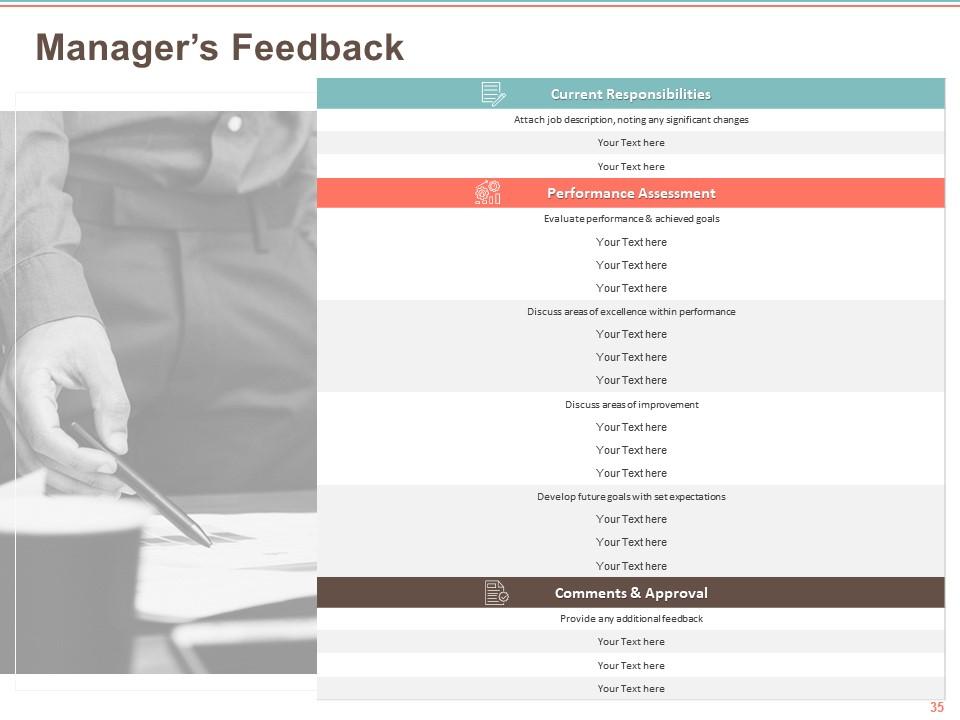
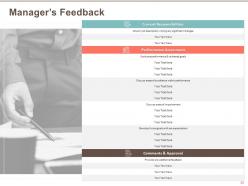
Slide 35: This slide displays Manager’s Feedback.
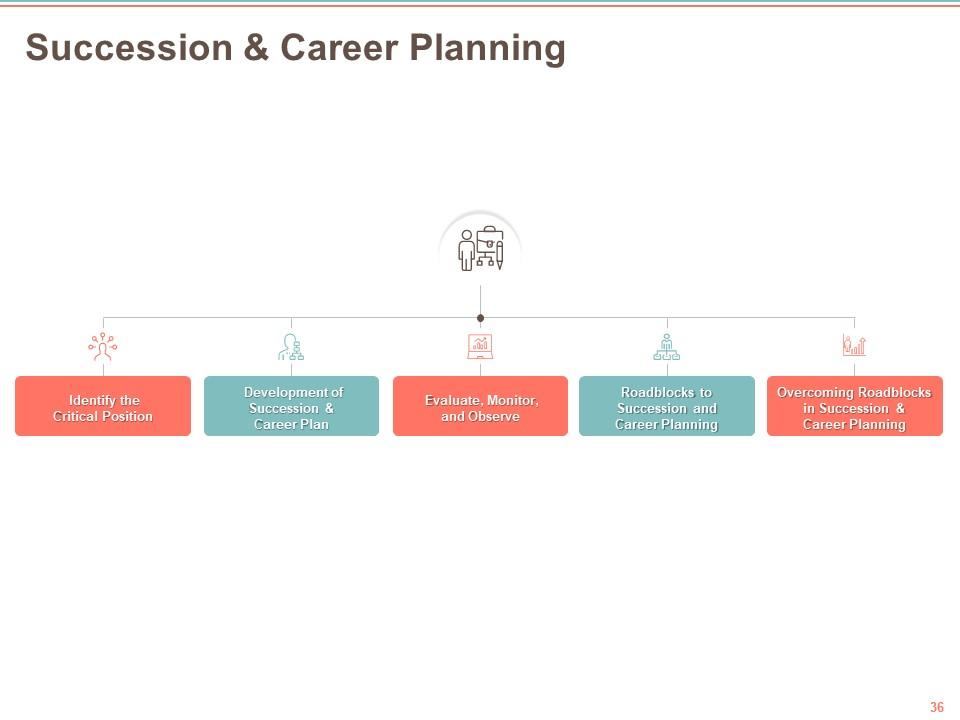
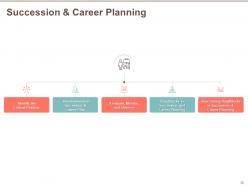
Slide 36: This slide shows Succession & Career Planning
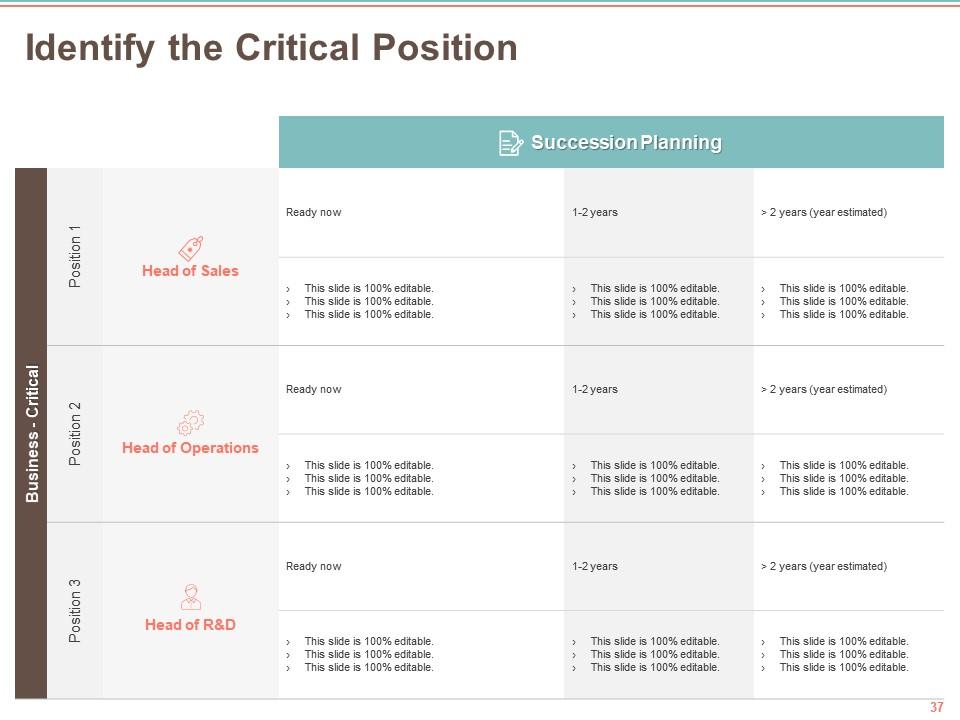
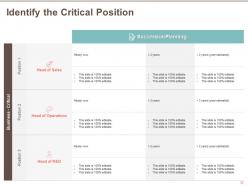
Slide 37: This slide talks about Identifying the Critical Position
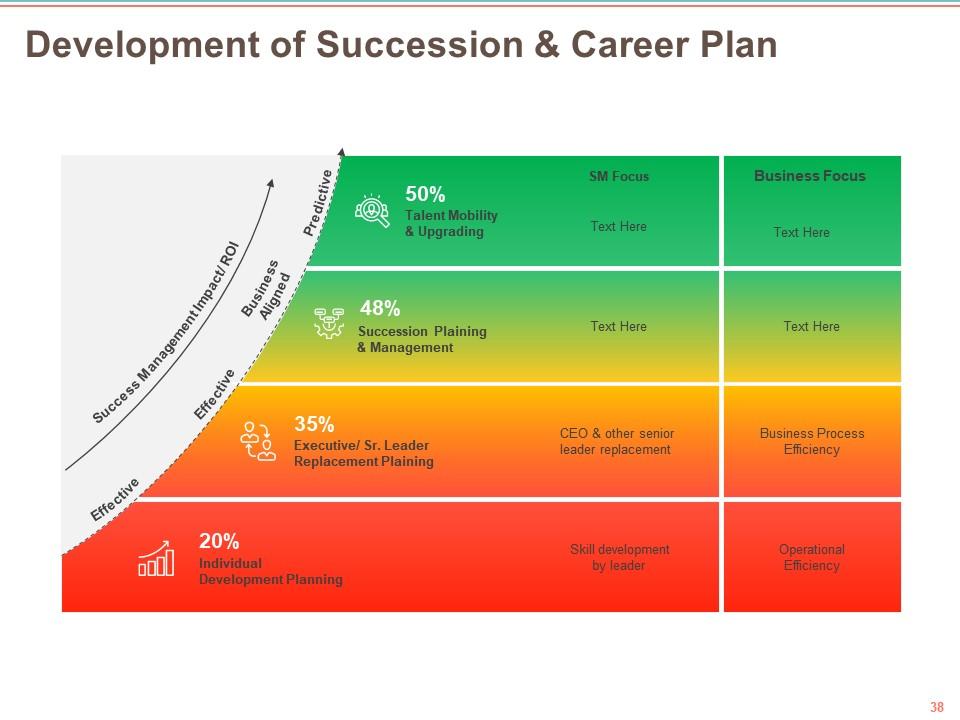
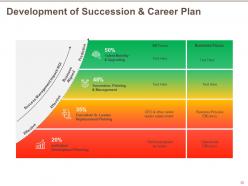
Slide 38: This slide discusses about Development of Succession & Career Plan
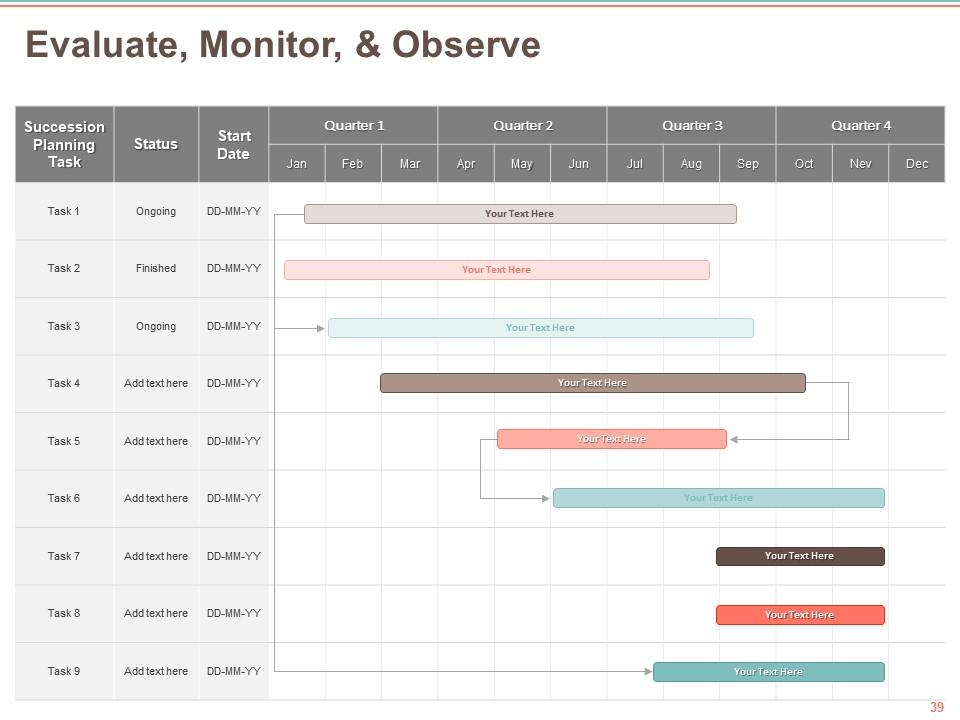
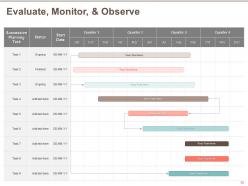
Slide 39: This slide provides information on Evaluate, Monitor, & Observe
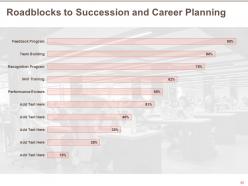
Slide 40: This slide depicts Roadblocks to Succession and Career Planning
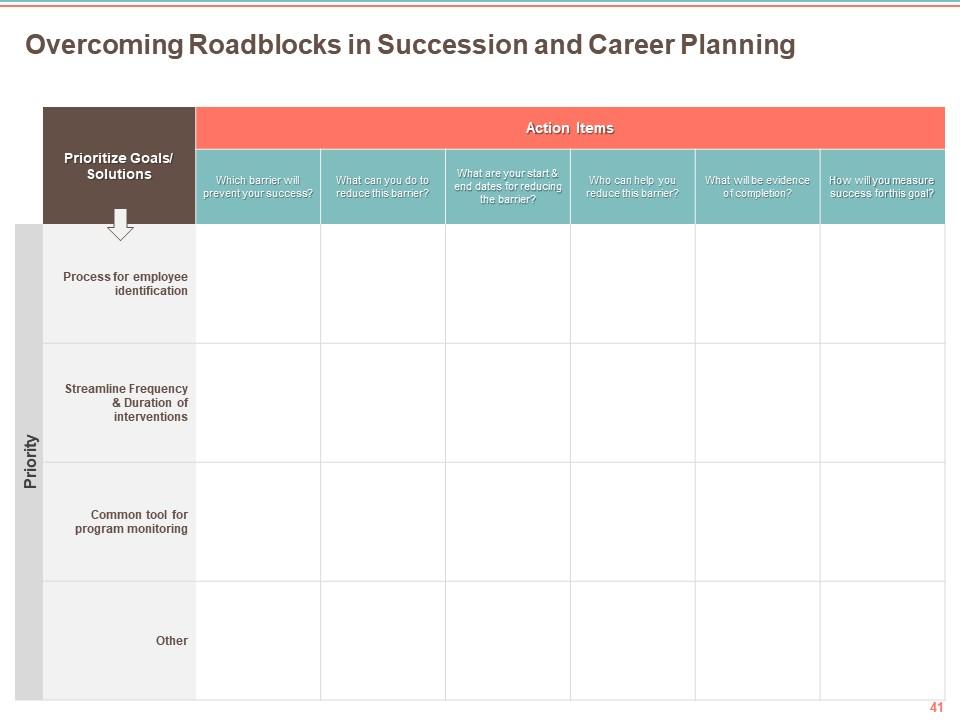
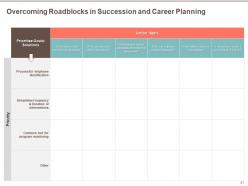
Slide 41: This slide talks about Overcoming Roadblocks in Succession and Career Planning.
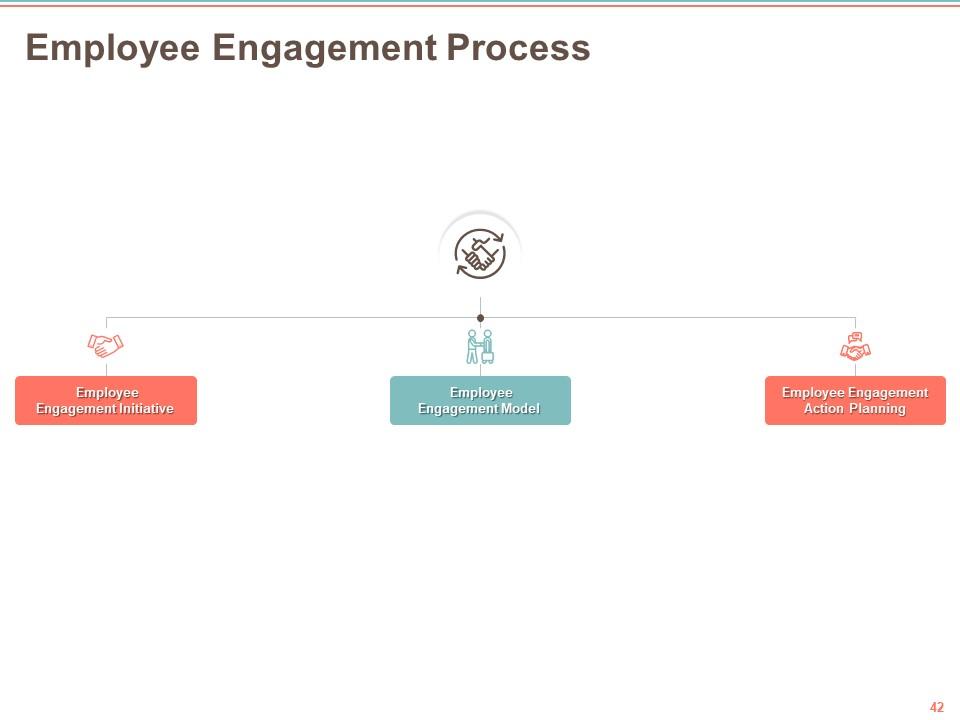
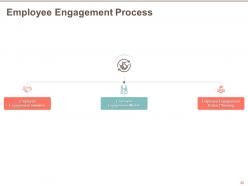
Slide 42: This slide depicts Employee Engagement Process
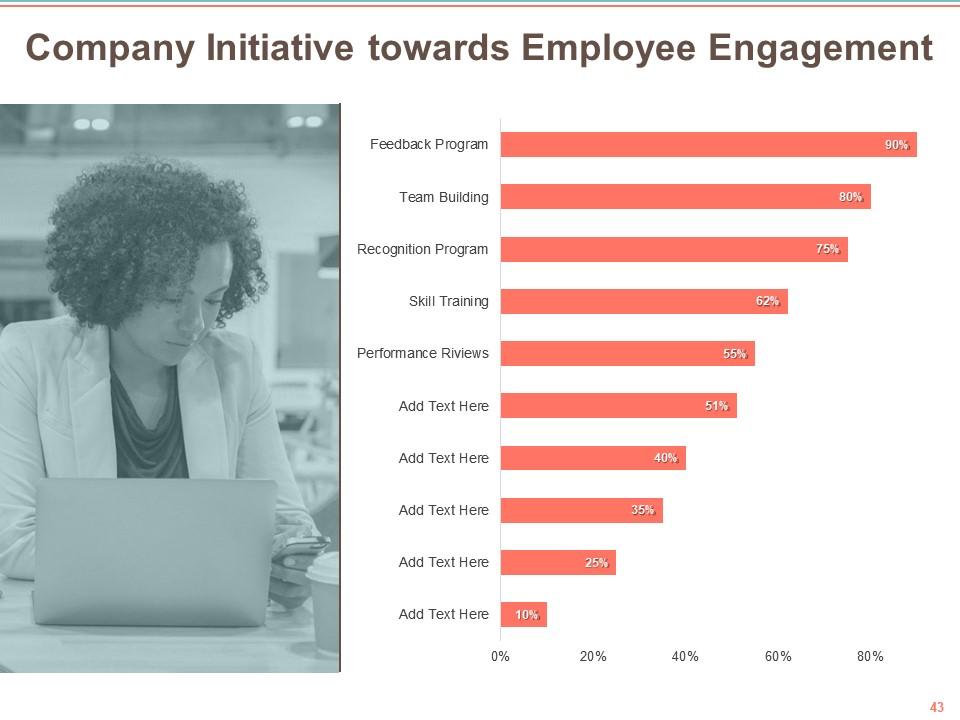
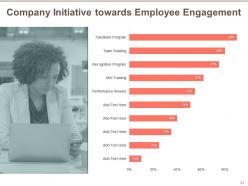
Slide 43: This slide showcases Company Initiative towards Employee Engagement
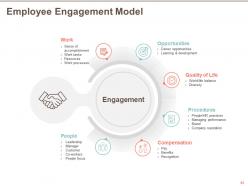
Slide 44: This slide represents Employee Engagement Model
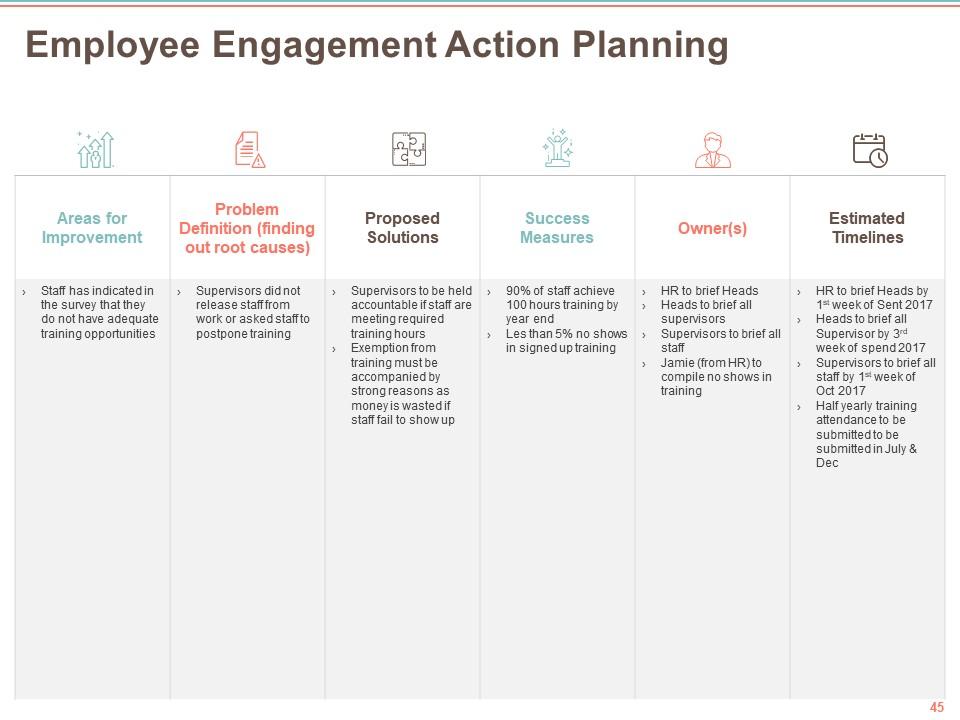
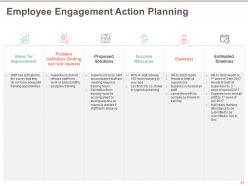
Slide 45: This slide shows Employee Engagement Action Planning
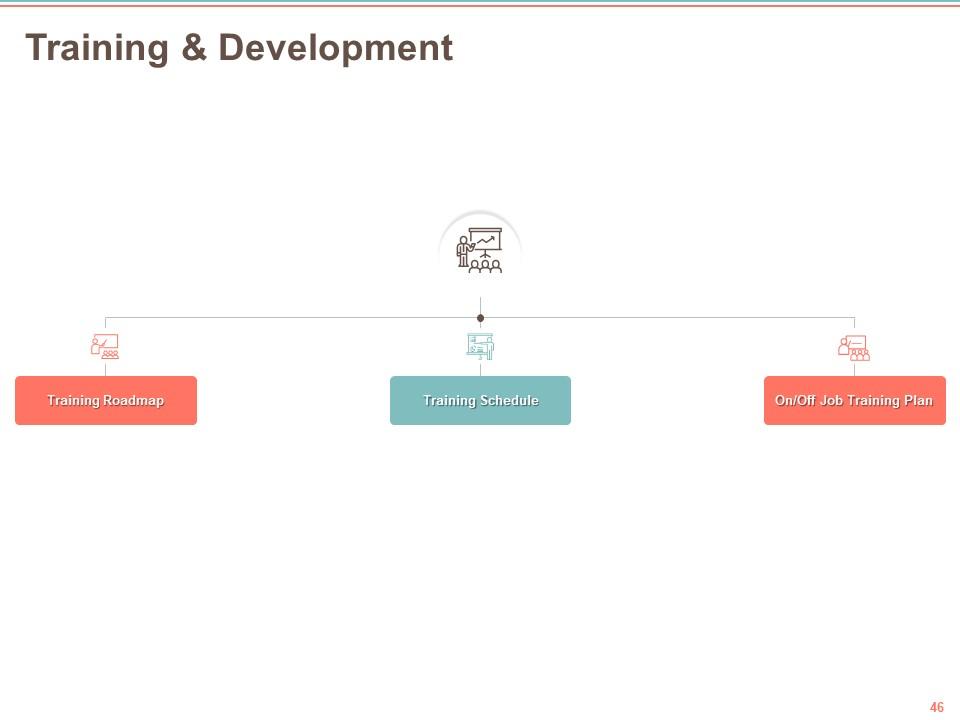
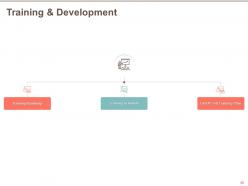
Slide 46: This slide depicts Training & Development
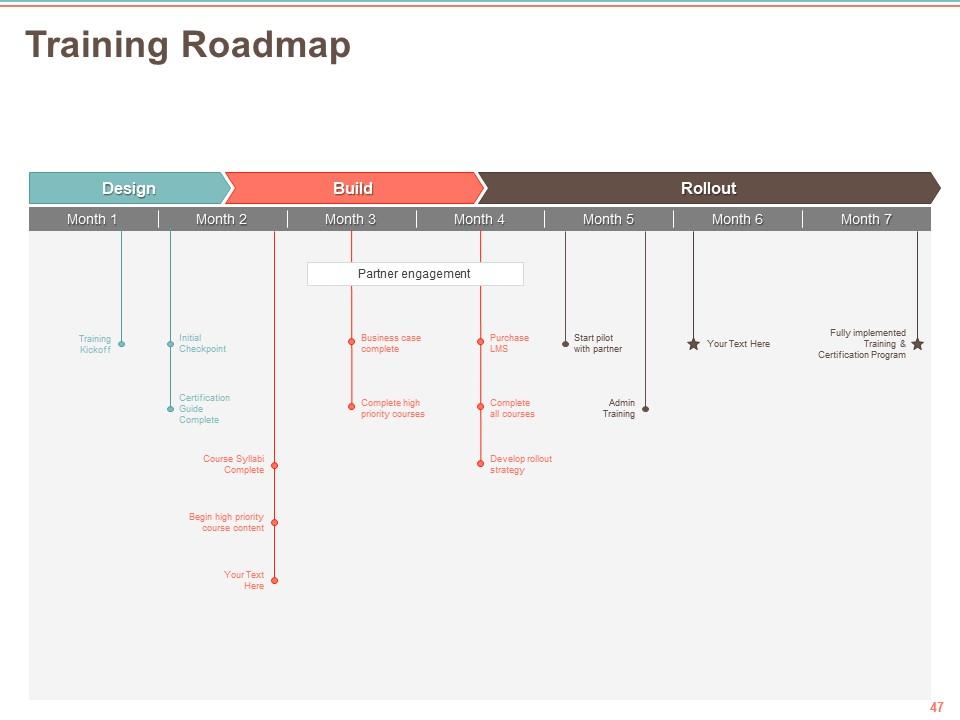
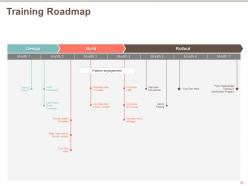
Slide 47: This slide presents Training Roadmap
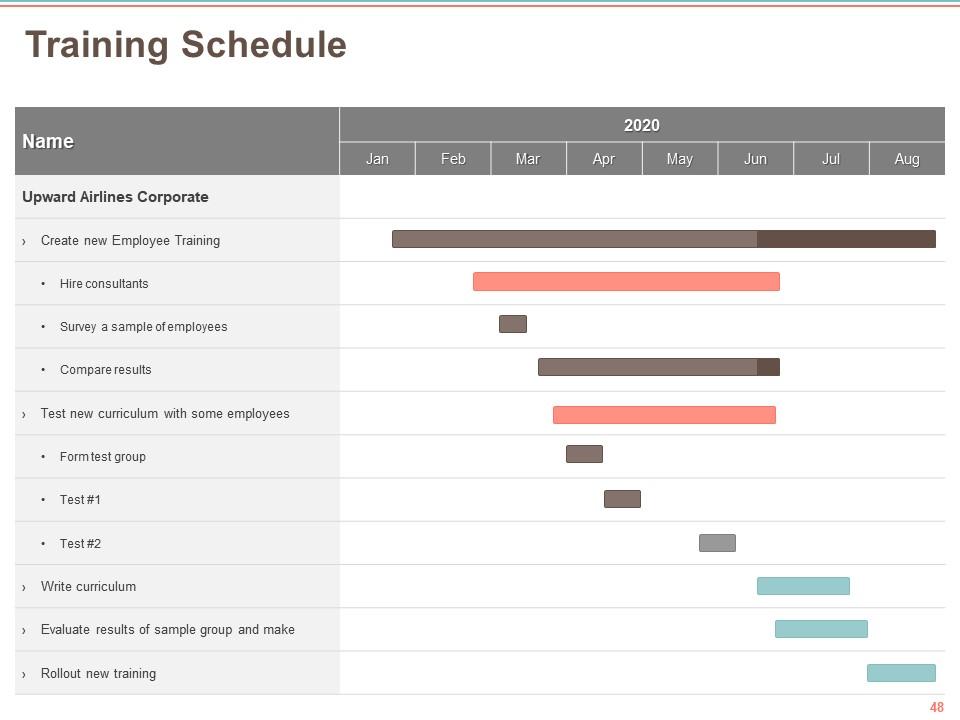
Slide 48: This slide showcases Training Schedule.
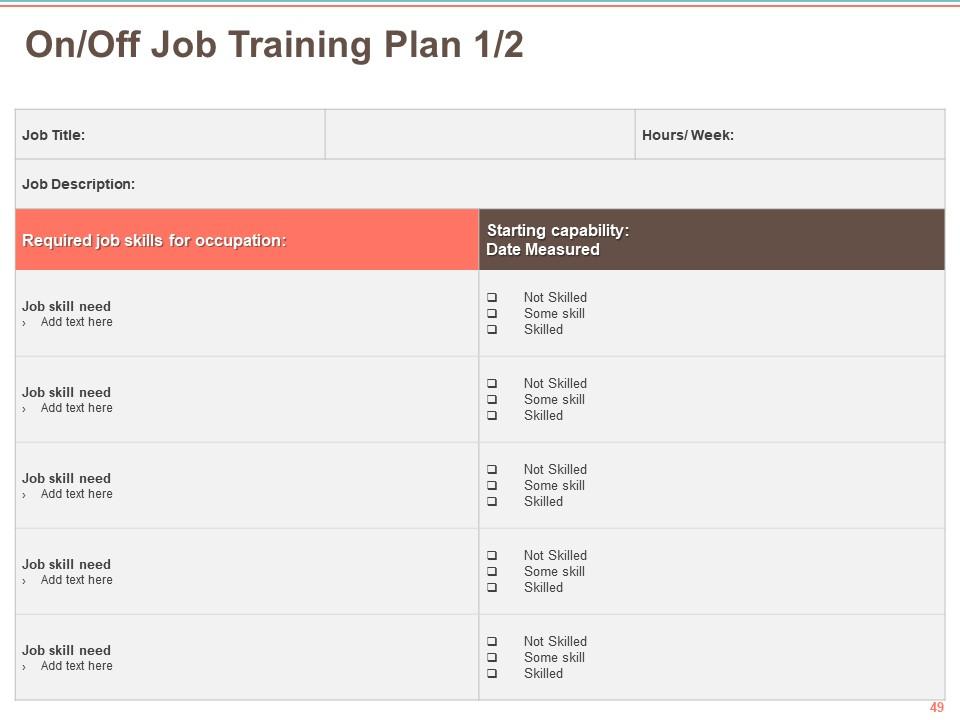
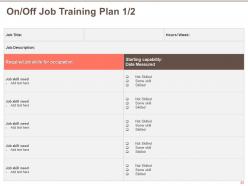
Slide 49: This template describes On/Off Job Training Plan.
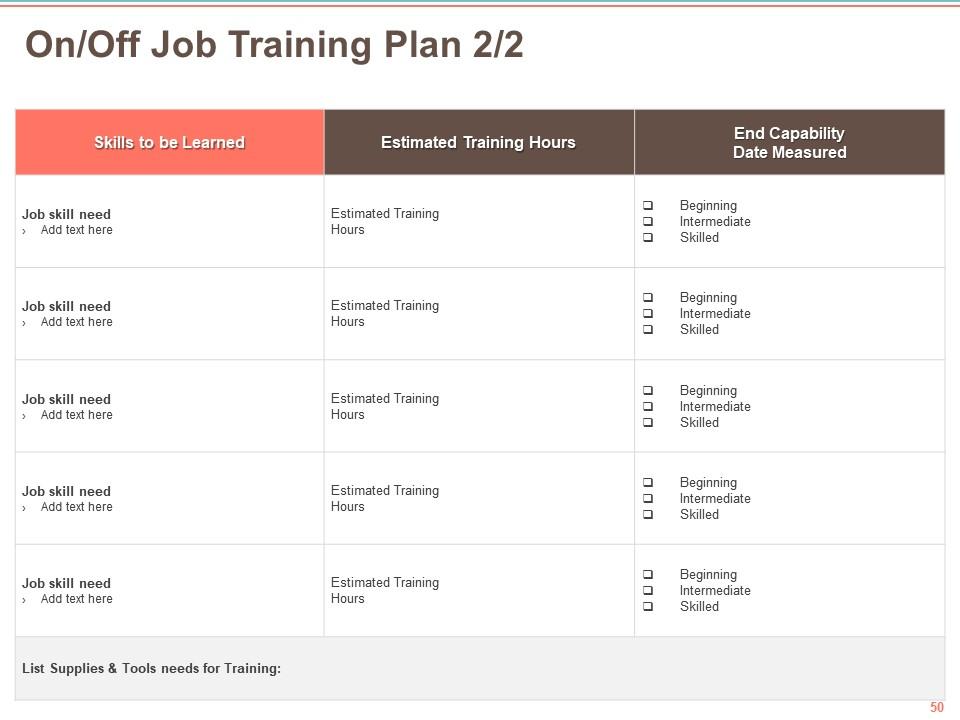
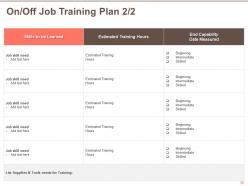
Slide 50: This template also describes On/Off Job Training Plan.
Slide 51: This slide shows KPI Metrics and Dashboard
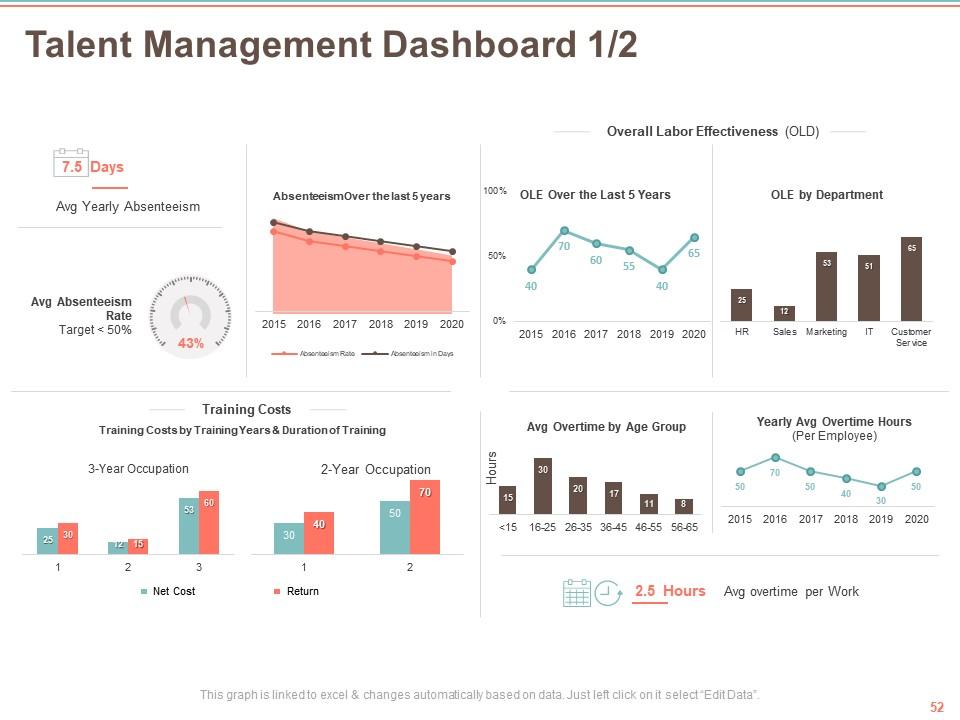
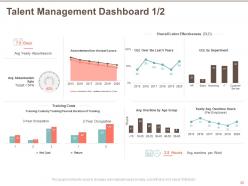
Slide 52: This slide depicts Talent Management Dashboard.
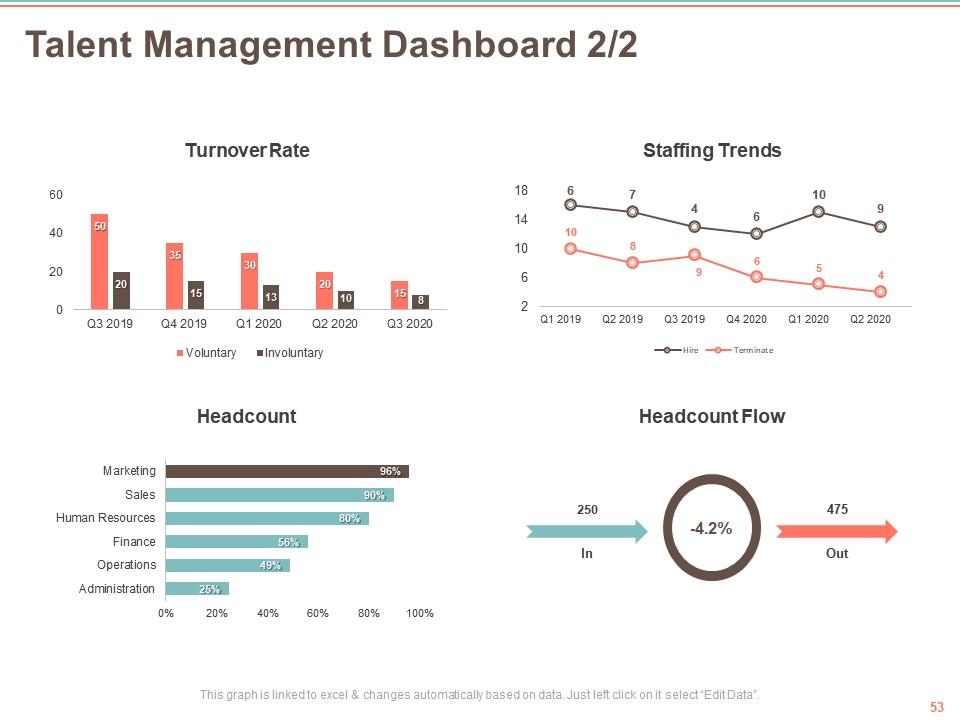
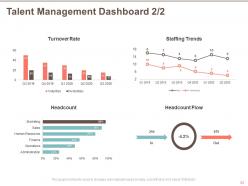
Slide 53: This slide shows Talent Management Dashboard.
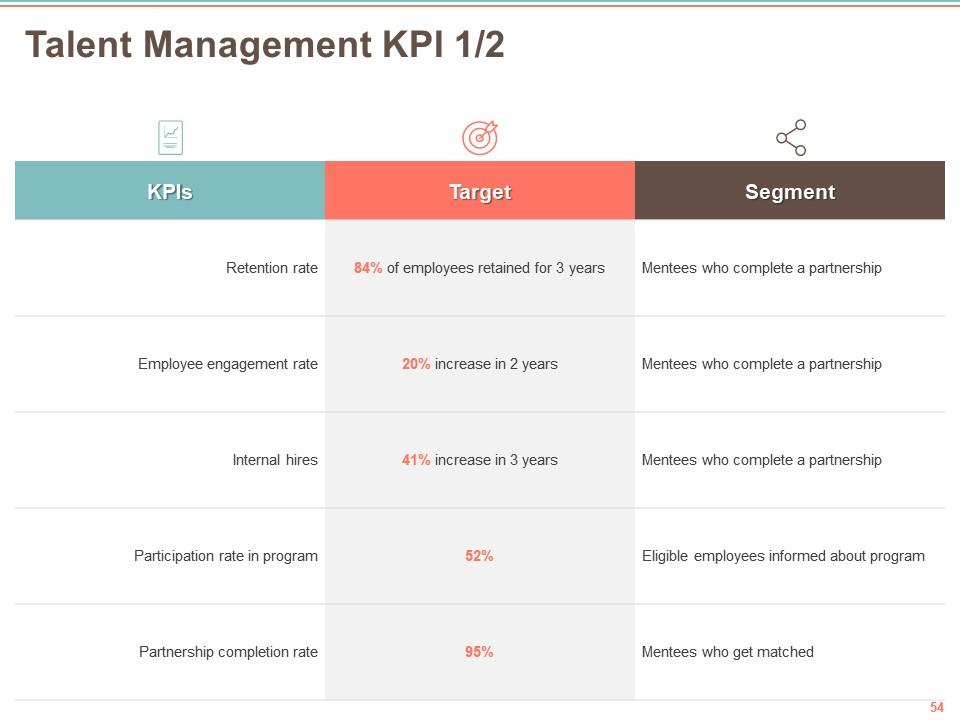
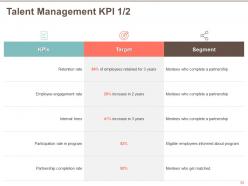
Slide 54: This slide shows Talent Management KPI
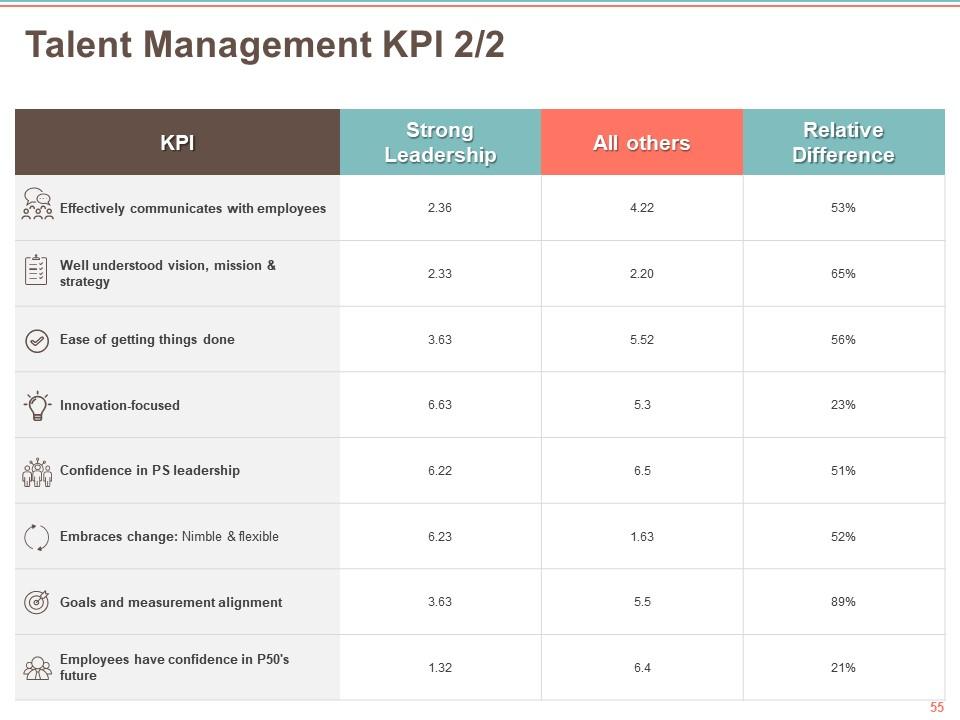
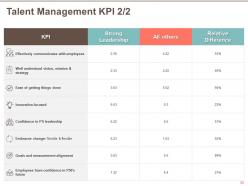
Slide 55: This slide shows Talent Management KPI.
Slide 56: This is Talent Management in Organization Icons Slide.
Slide 57: This slide is titled as Additional Slides for moving forward.
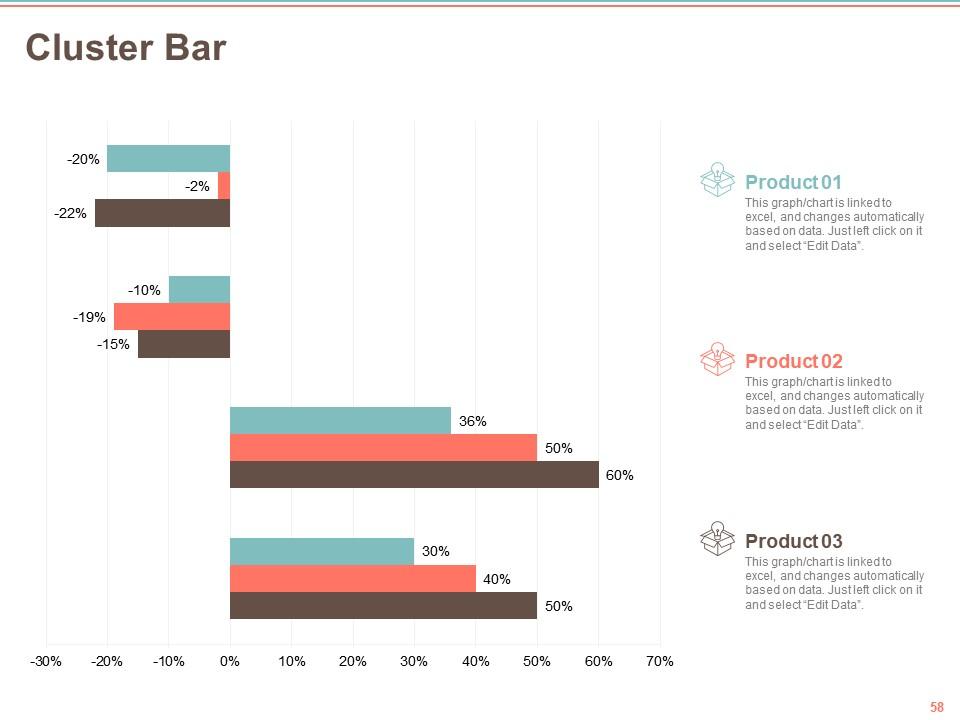
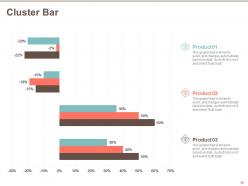
Slide 58: This slide displays Cluster Bar chart for products Comparison.
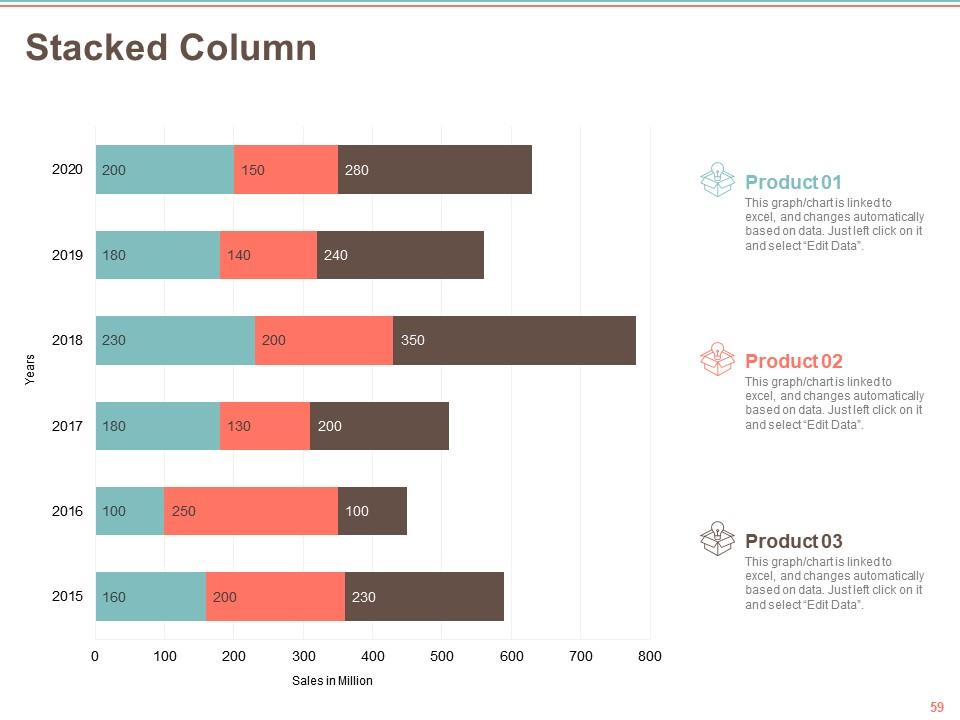
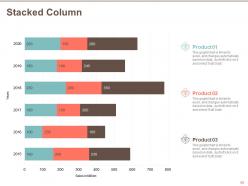
Slide 59: This slide shows Stacked Column chart.
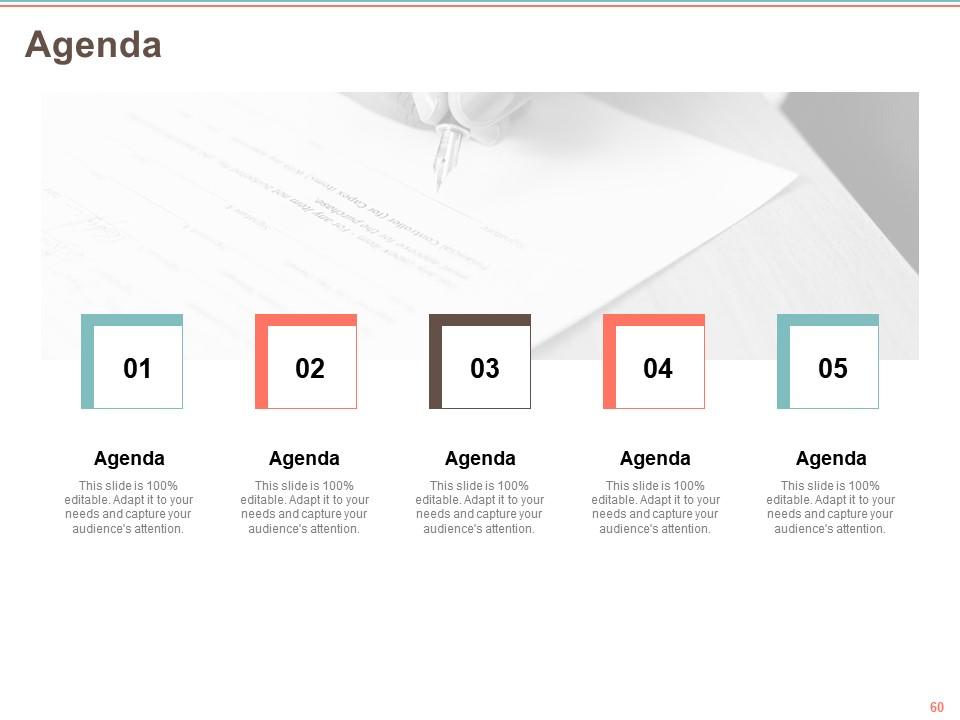
Slide 60: This slide represents Agenda.
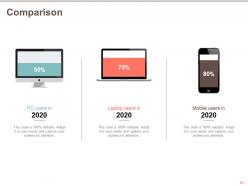
Slide 61: This slide shows Comparison in percentage.
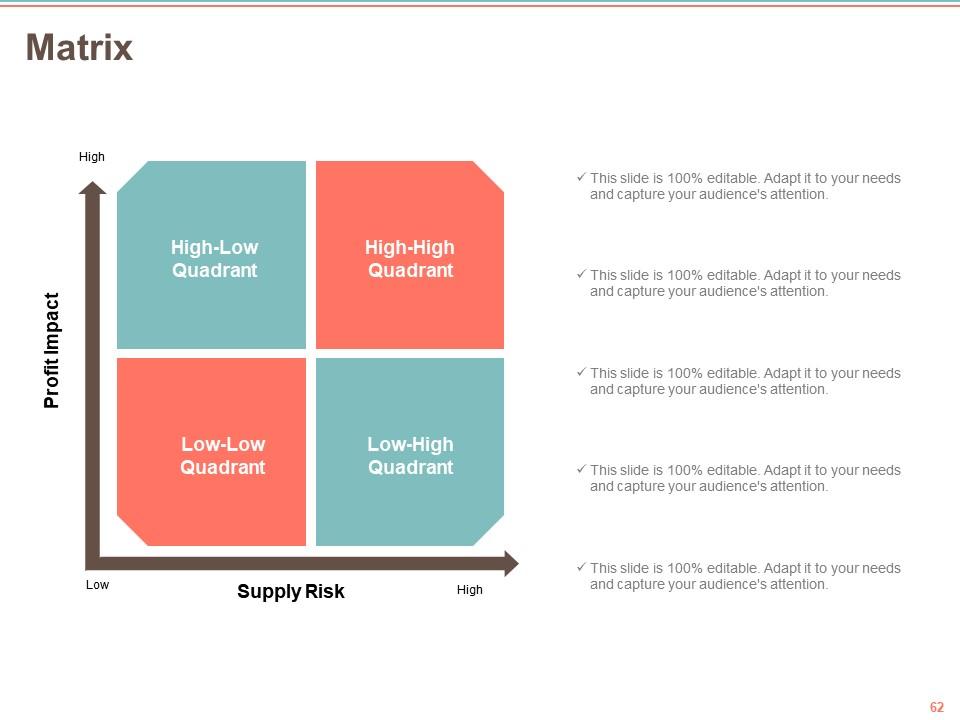
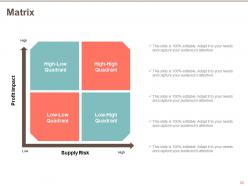
Slide 62: This slide depicts Matrix
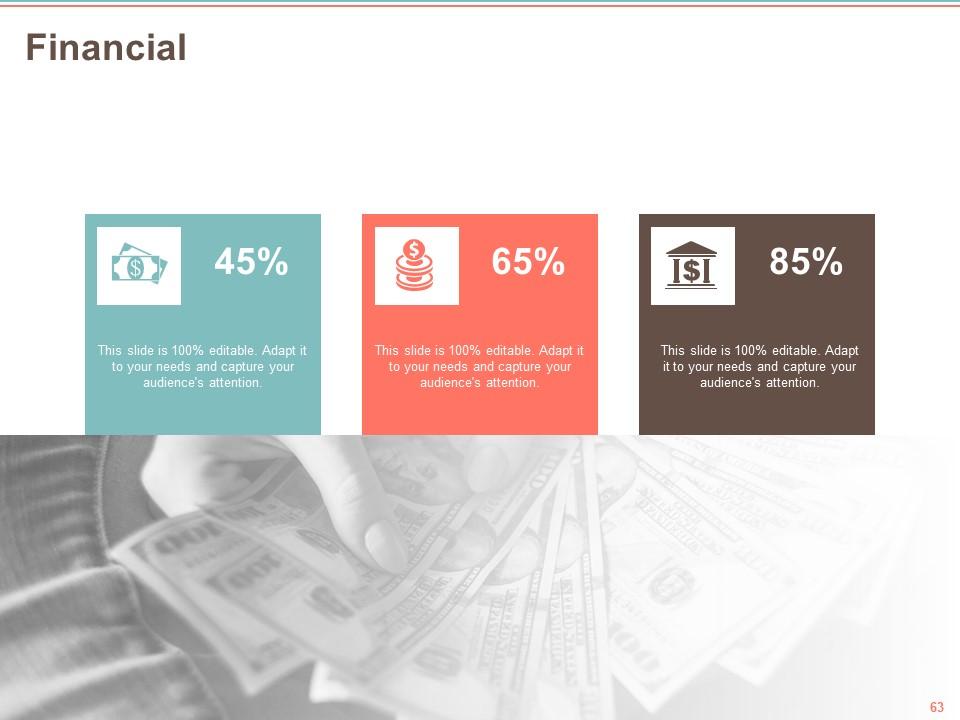
Slide 63: This slide displays Fianance related stuff.
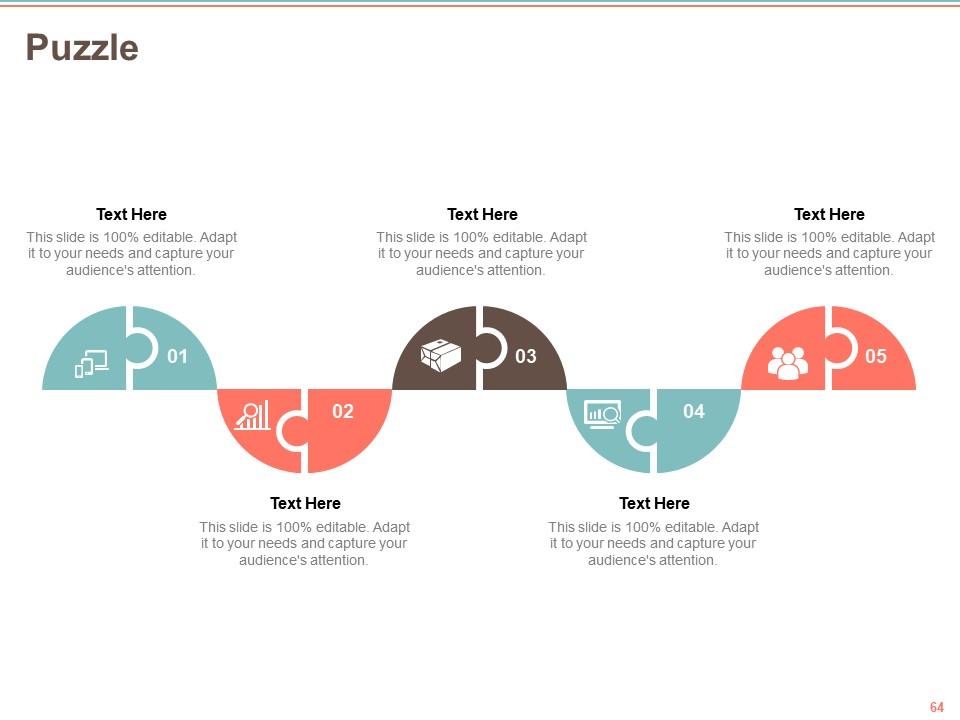
Slide 64: This is Puzzle slide.
Slide 65: This is Idea Generation slide.
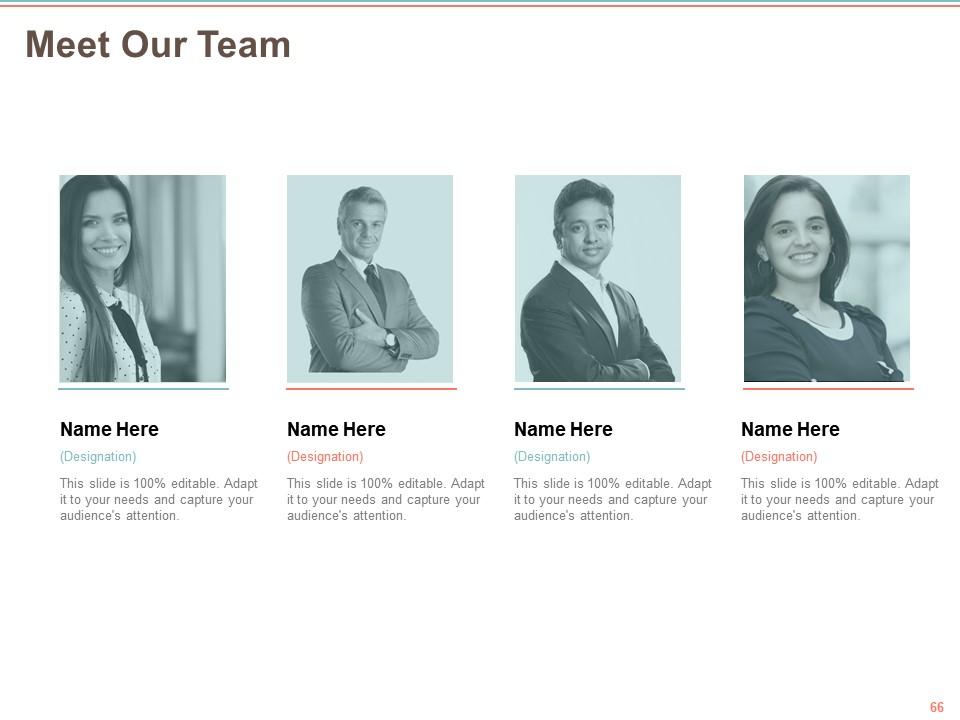
Slide 66: This is Our team slide with Names and Designations.
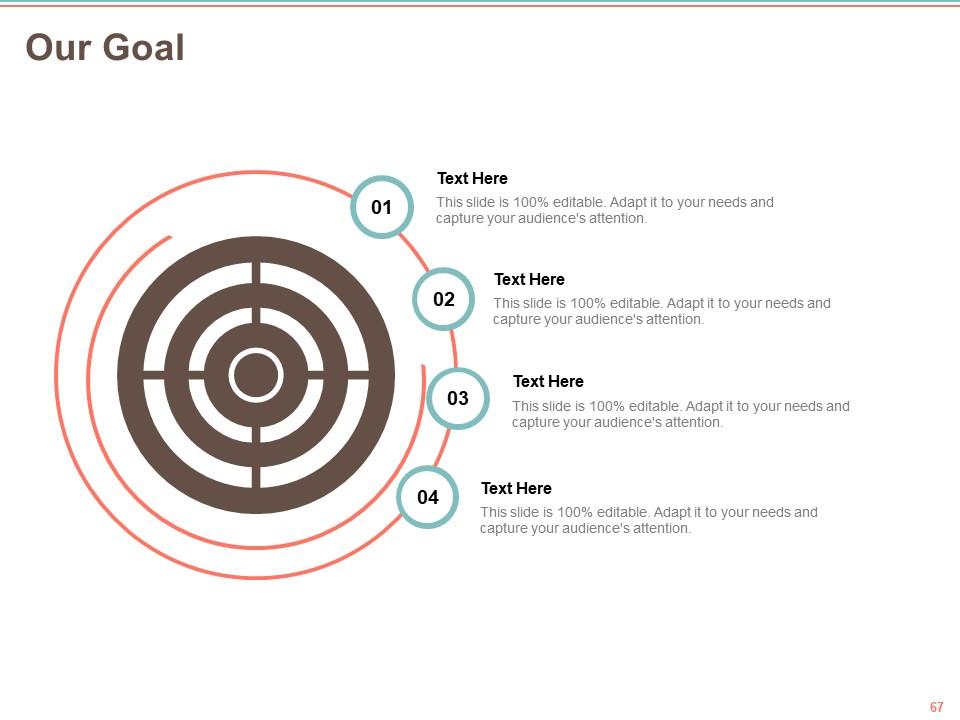
Slide 67: This slide shows Our Goal
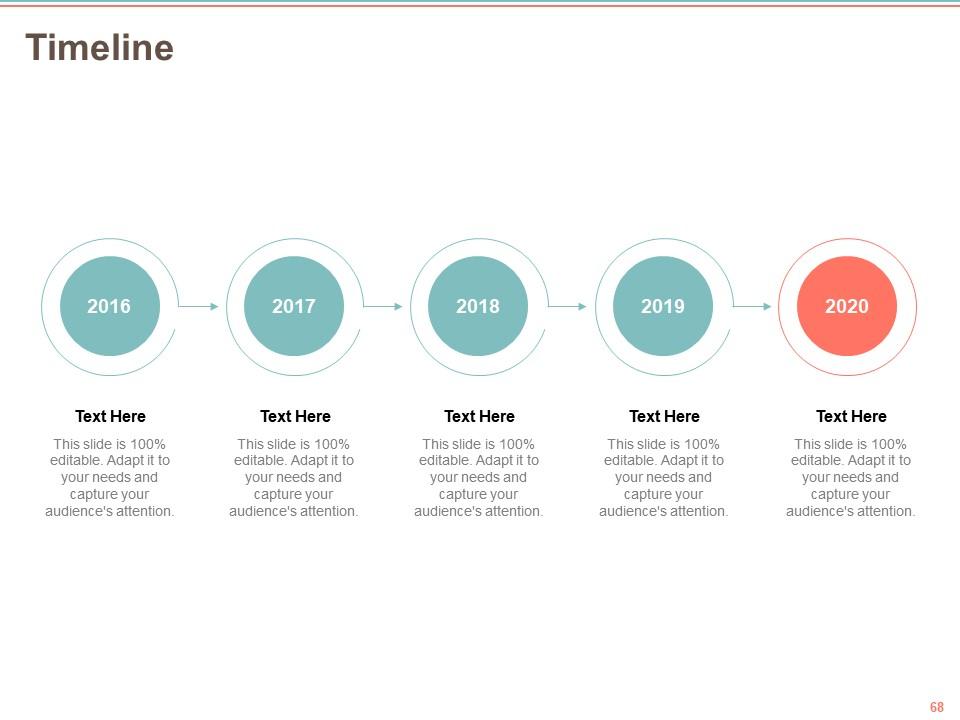
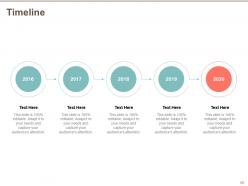
Slide 68: This slide shows Timeline process.
Slide 69: This is Thank You slide with Contact details.
Talent Management In Organization Powerpoint Presentation Slides with all 69 slides:
Use our Talent Management In Organization Powerpoint Presentation Slides to effectively help you save your valuable time. They are readymade to fit into any presentation structure.
-
Visually stunning presentation, love the content.
-
Easy to edit slides with easy to understand instructions.
-
Really like the color and design of the presentation.
-
Use of different colors is good. It's simple and attractive.
