Technical Maintenance Service Proposal powerpoint presentation slides

Rating:
90%
Technical Maintenance Service Proposal powerpoint presentation slides
Slide 1 of 31

or

Favourites Favourites

Try Before you Buy Download Free Sample Product

Audience Impress Your
Audience
Editable 100%
Editable
Time Save Hours
of Time
The Biggest Sale is ending soon in
0
0
:
0
0
:
0
0
Rating:
90%
If your company needs to submit a Technical Maintenance Service Proposal powerpoint presentation slides look no further. Our researchers have analyzed thousands of proposals on this topic for effectiveness and conversion. Just download our template add your company data and submit to your client for a positive response.

Content of this Powerpoint Presentation

Slide 1: This slide introduces Technical Maintenance. Commence by stating Your Company Name.
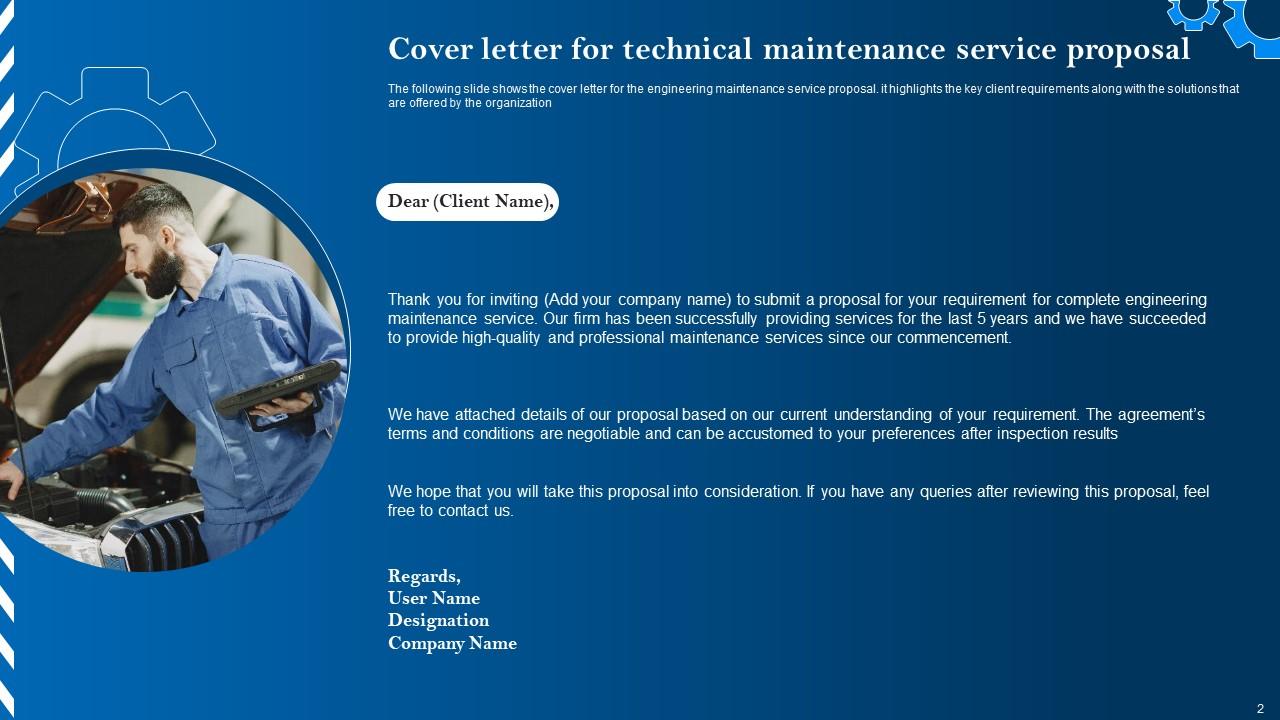
Slide 2: This slide depicts the Cover letter.
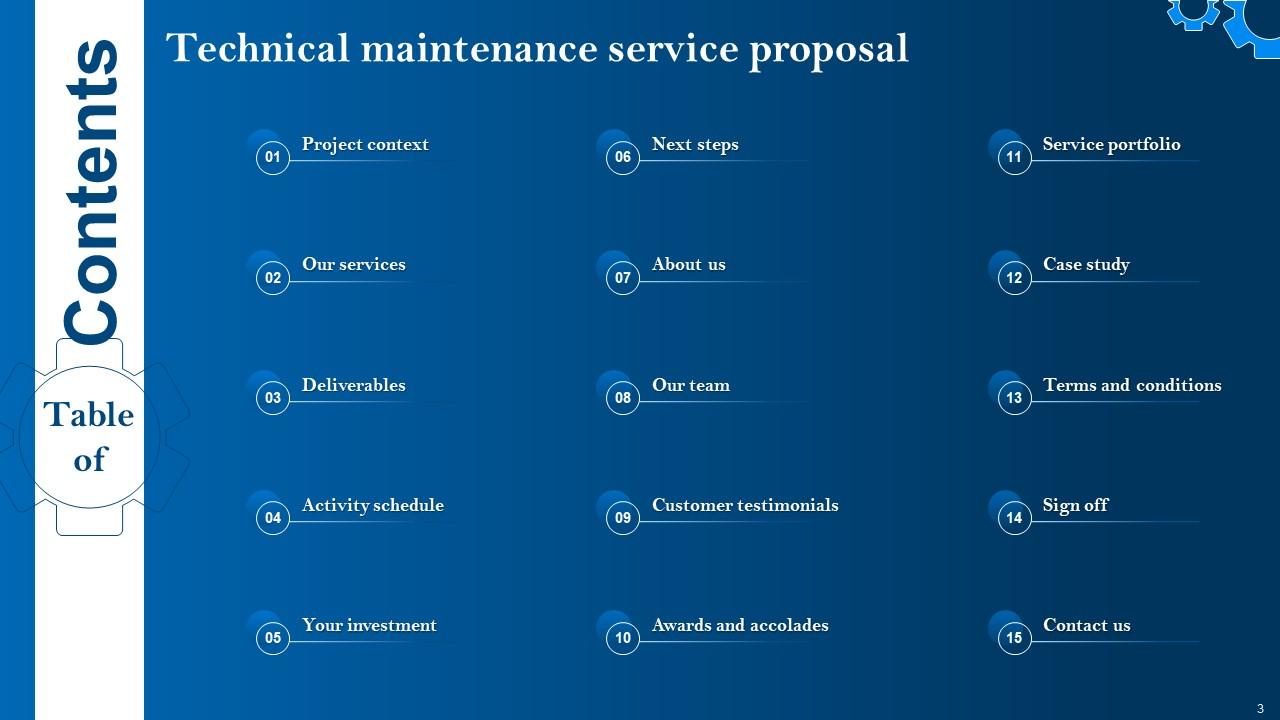
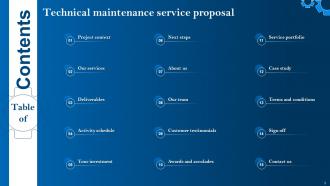
Slide 3: This slide includes the Table of Contents.
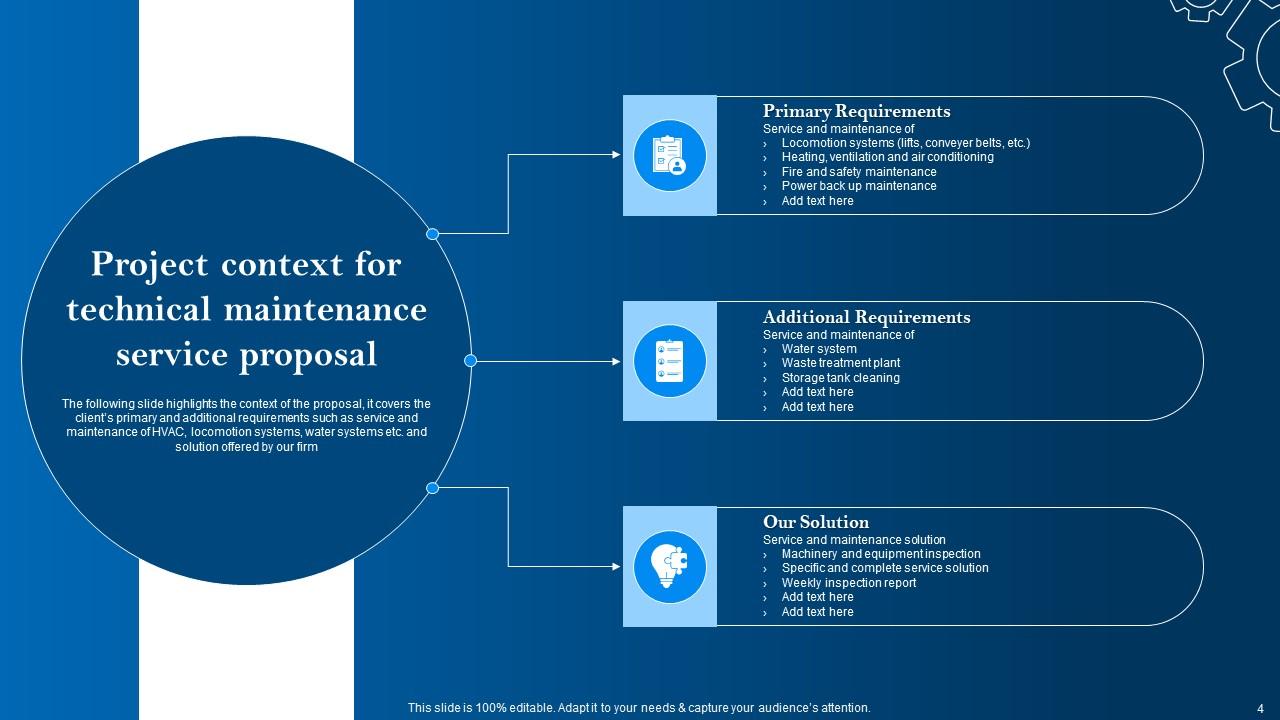
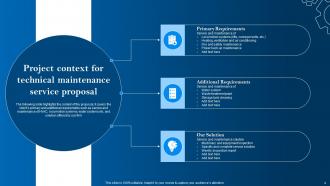
Slide 4: This slide highlights the context of the proposal.
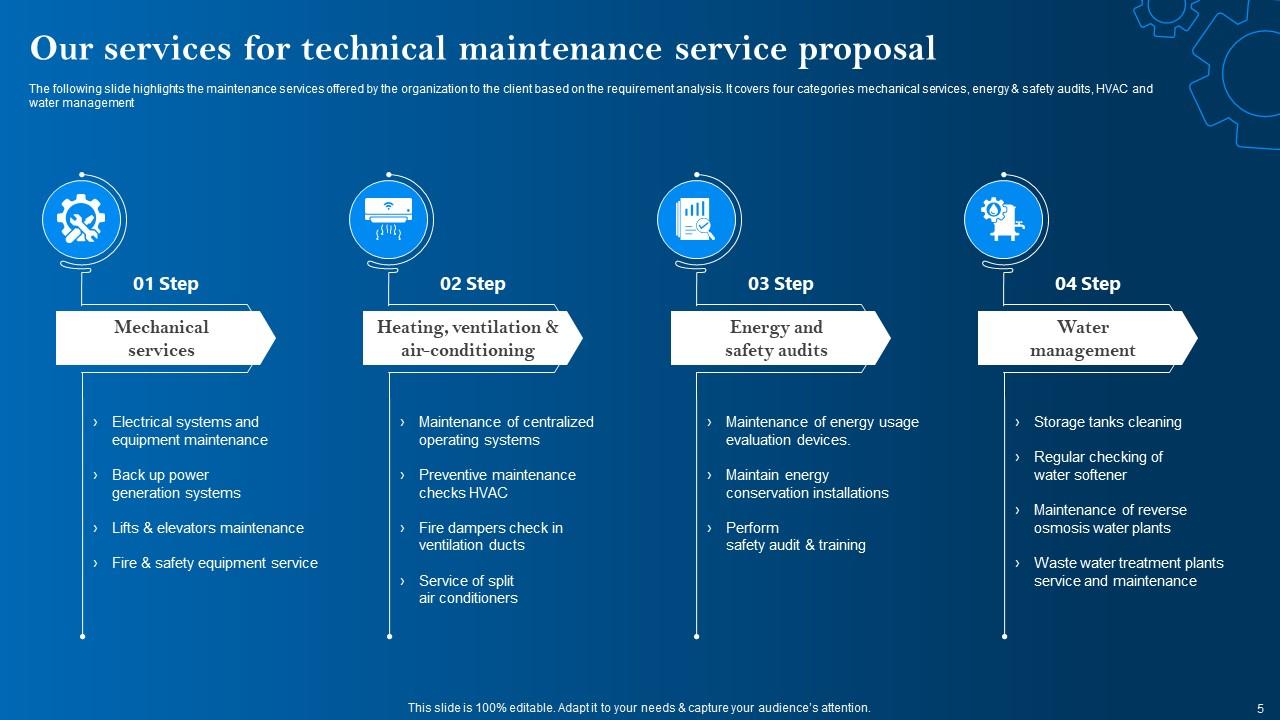
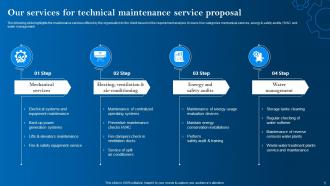
Slide 5: This slide exhibits the company's services for technical maintenance service proposal.
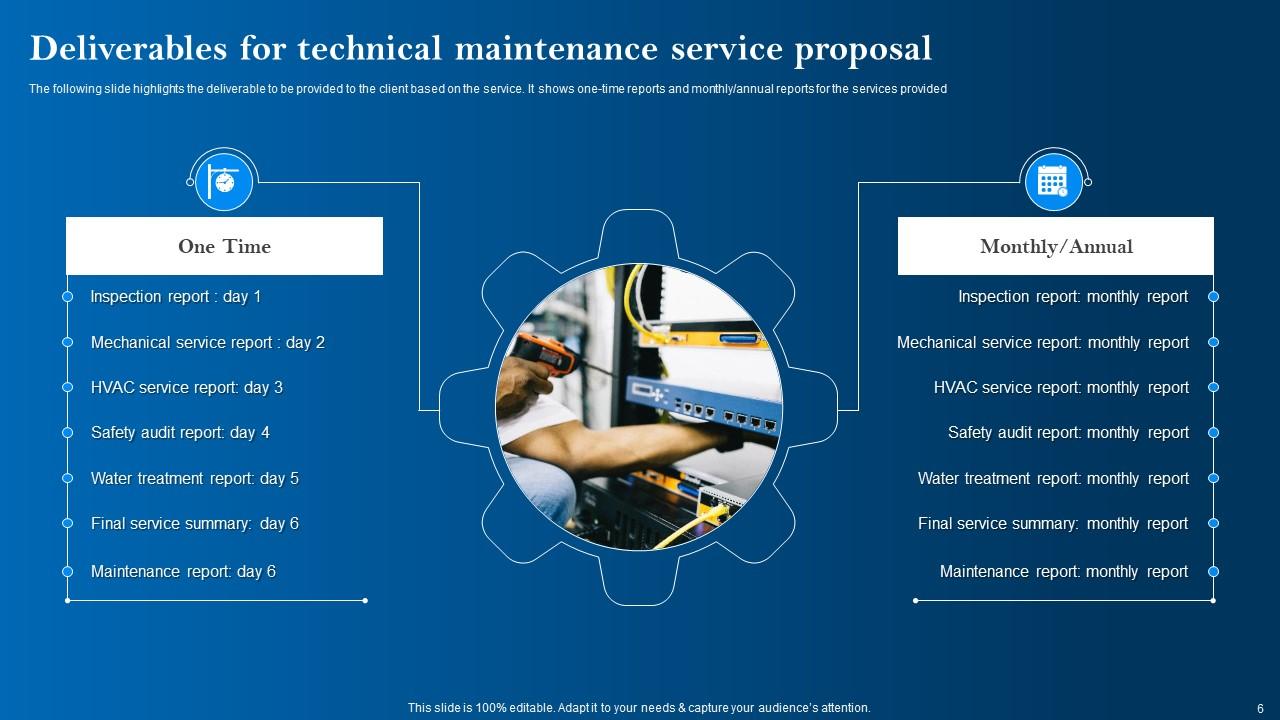
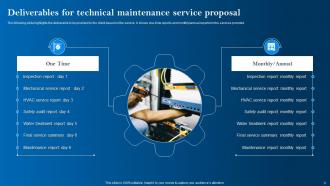
Slide 6: The following slide highlights the deliverable to be provided to the client based on the service.
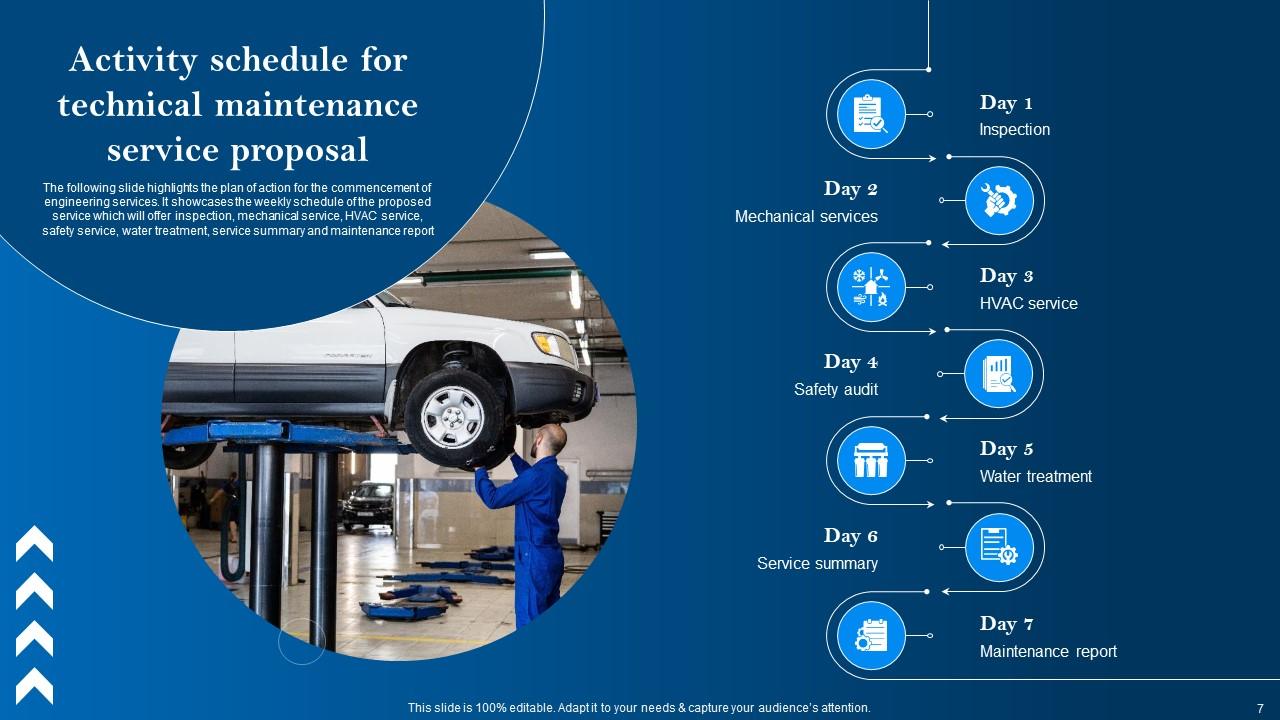
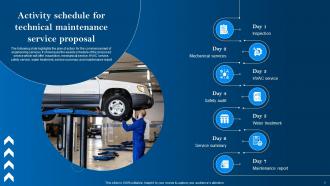
Slide 7: This slide reveals the Activity schedule for technical maintenance service proposal.
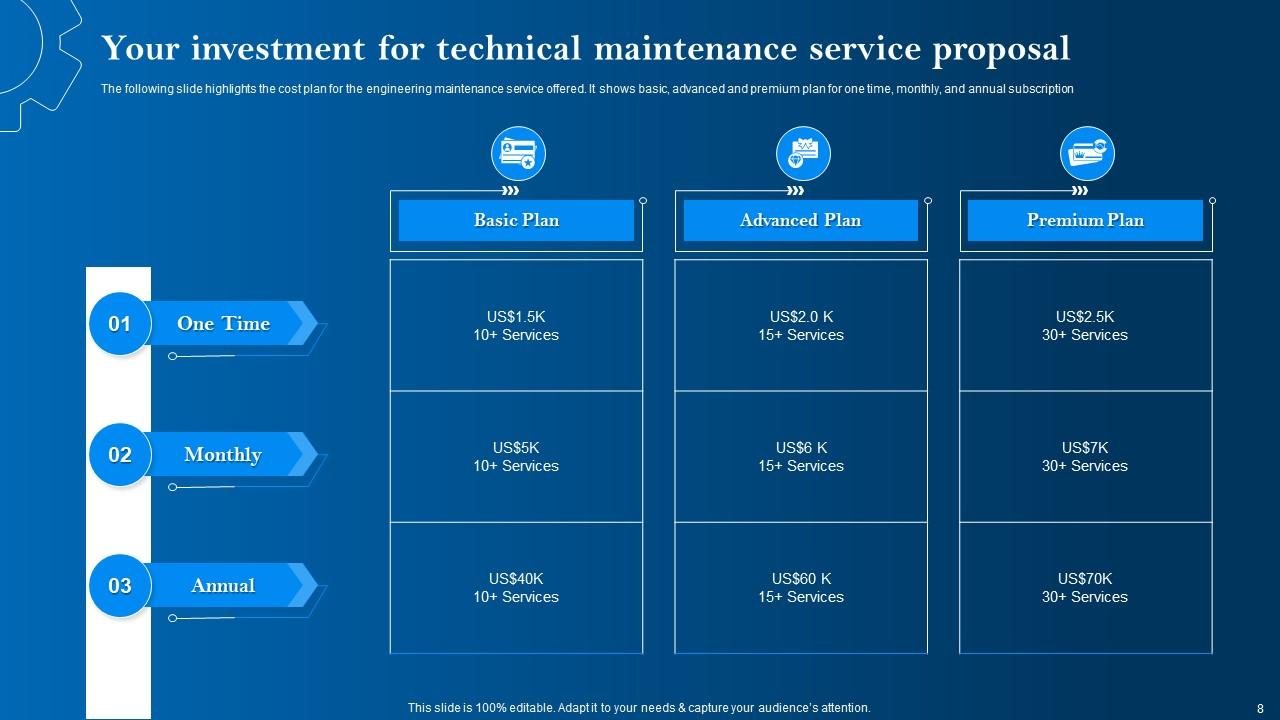
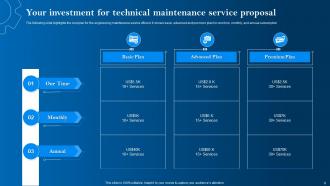
Slide 8: The following slide showcases the cost plan for the engineering maintenance service offered.
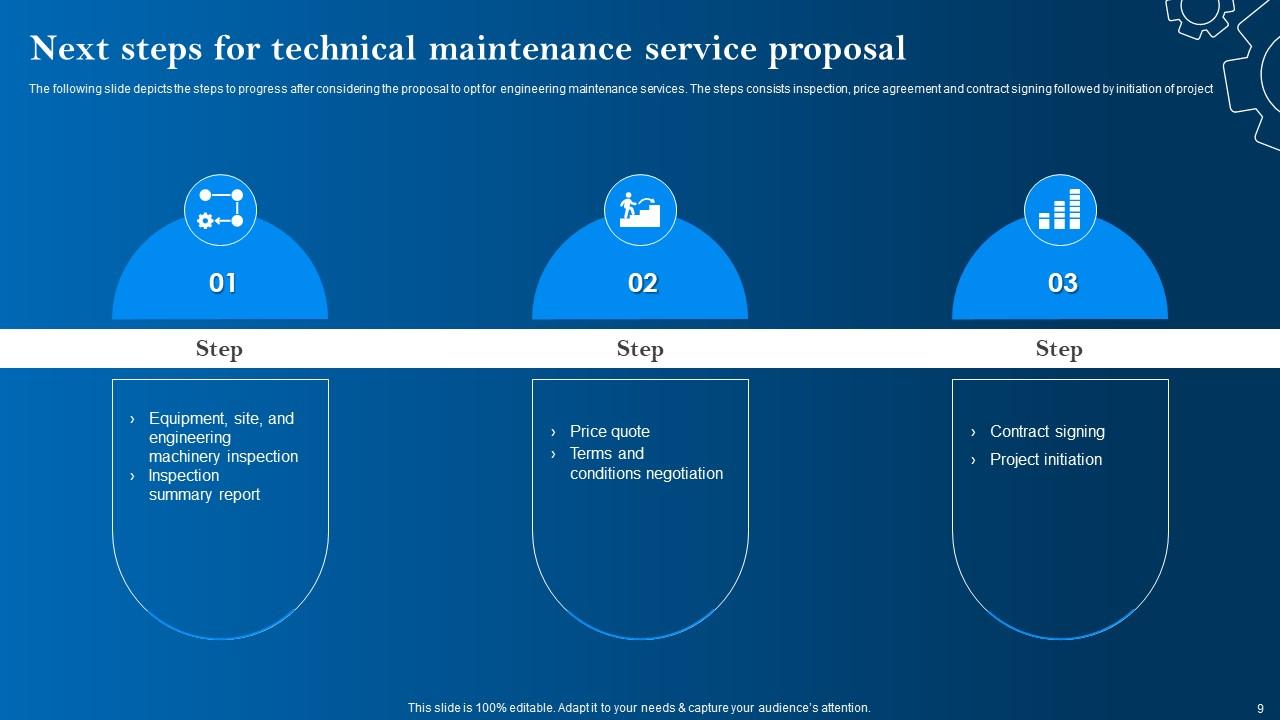
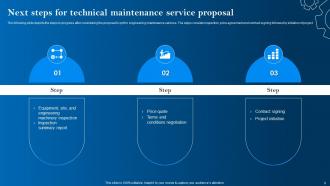
Slide 9: This slide states the Next steps for technical maintenance service proposal.
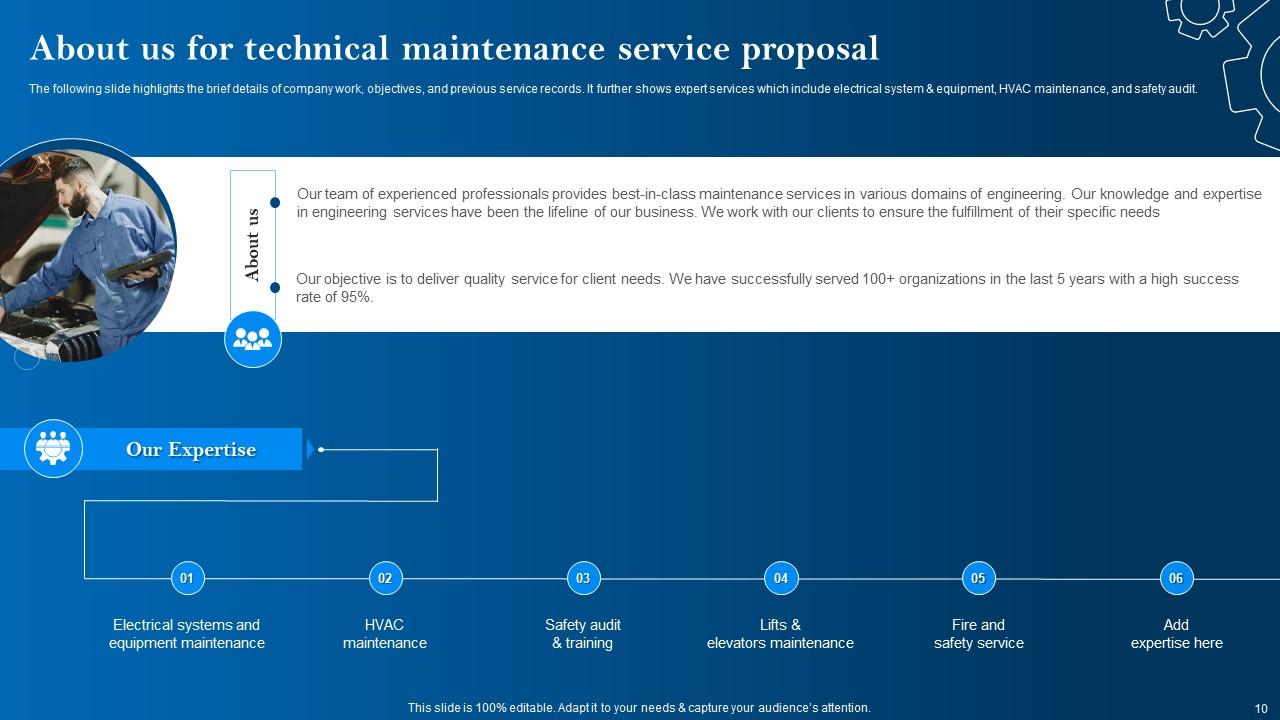
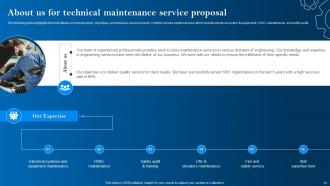
Slide 10: This is the About us slide for representing the company-related information.
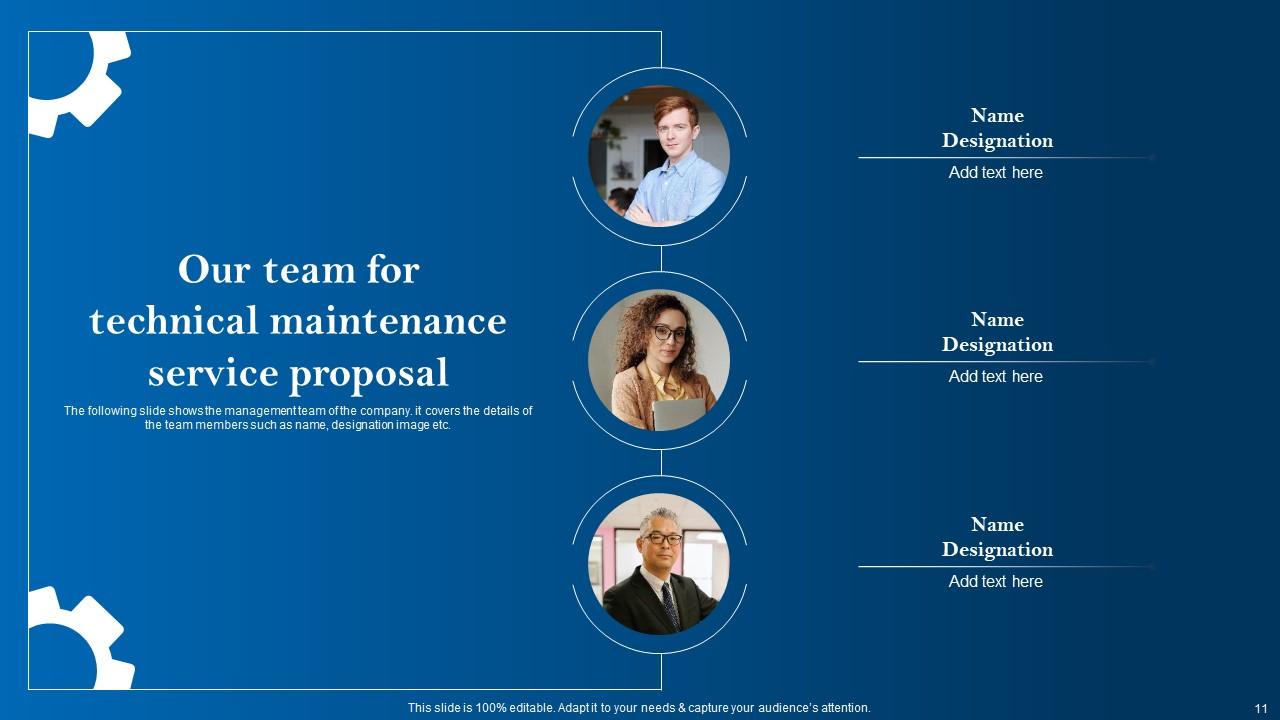
Slide 11: This is Our team slide. State your team-related information here.
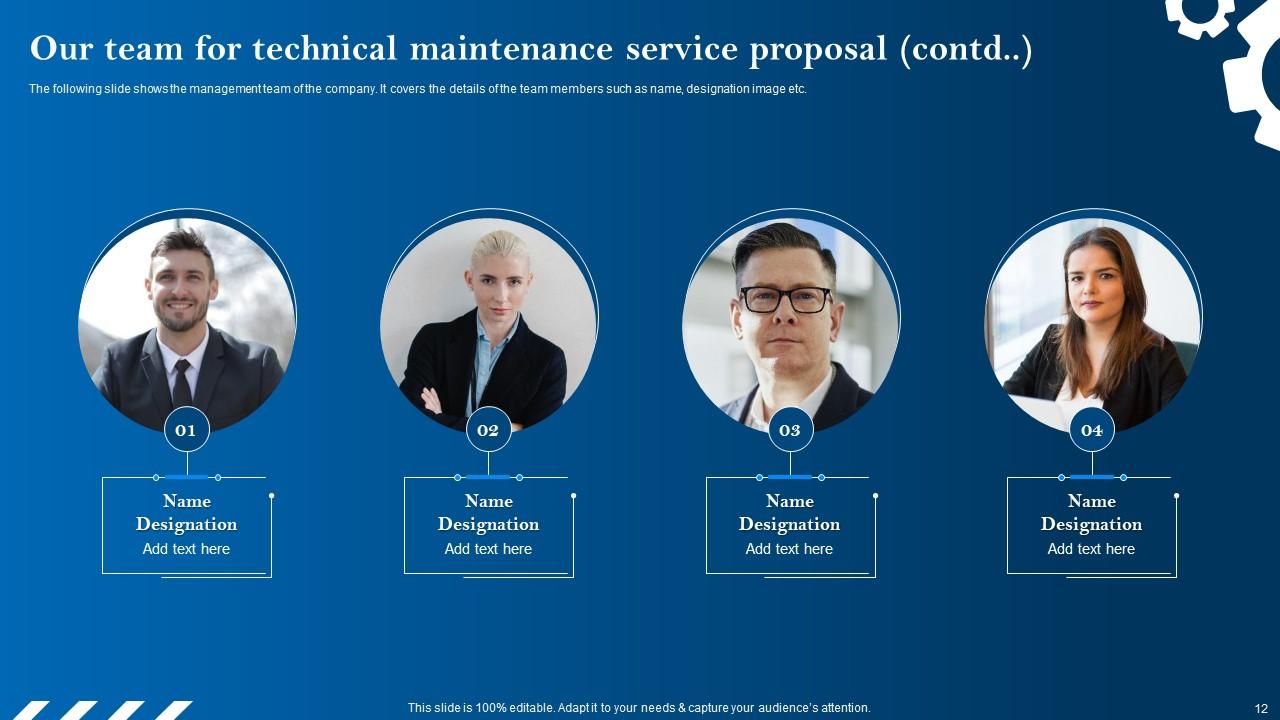
Slide 12: This slide continues the information on team-members.
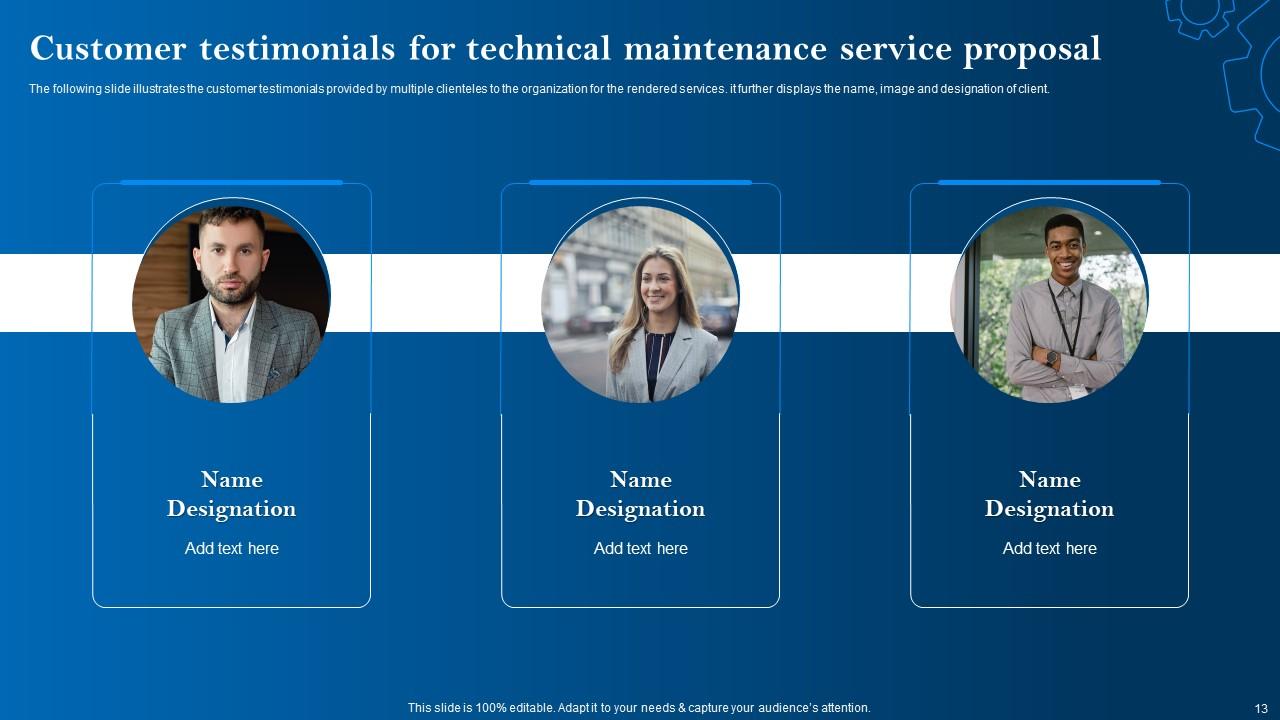
Slide 13: The following slide illustrates the customer testimonials provided by multiple clienteles to the organization for the rendered services.
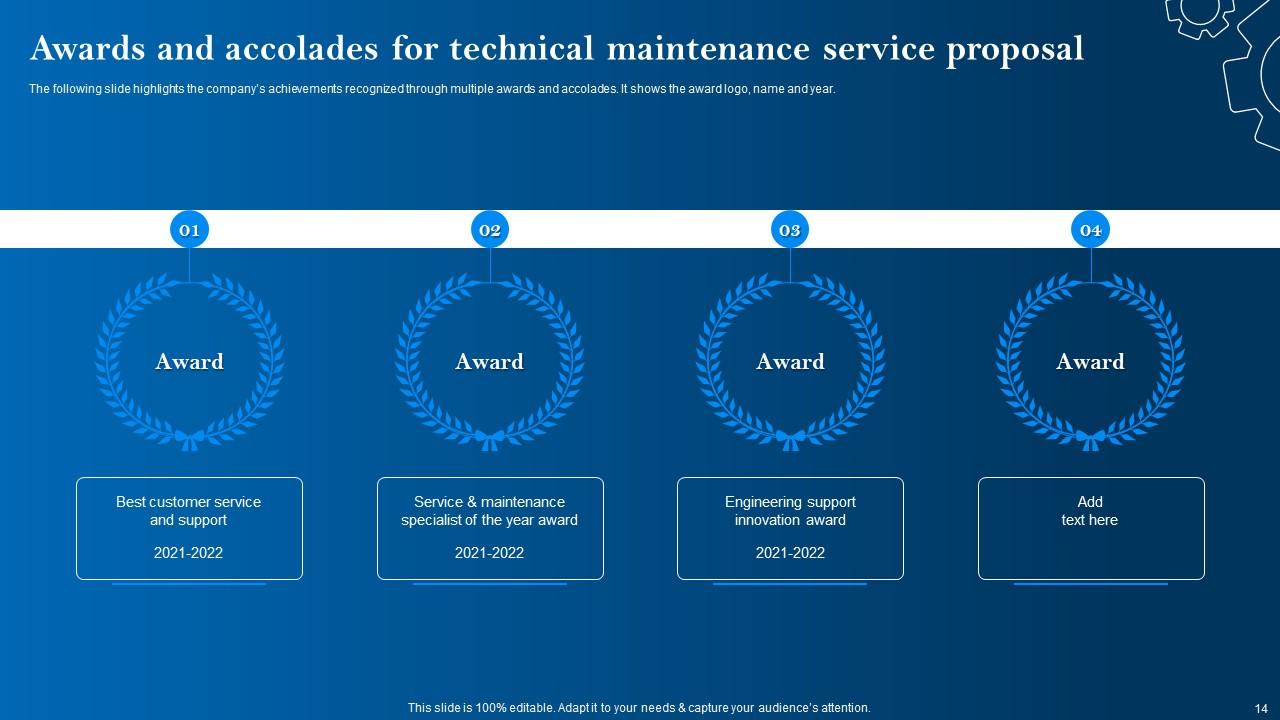
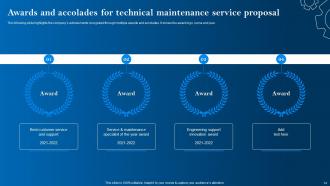
Slide 14: This slide mentions the Awards and accolades for technical maintenance service proposal.
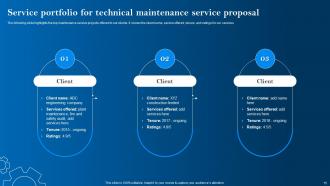
Slide 15: This slide reveals the Service portfolio for technical maintenance service proposal.
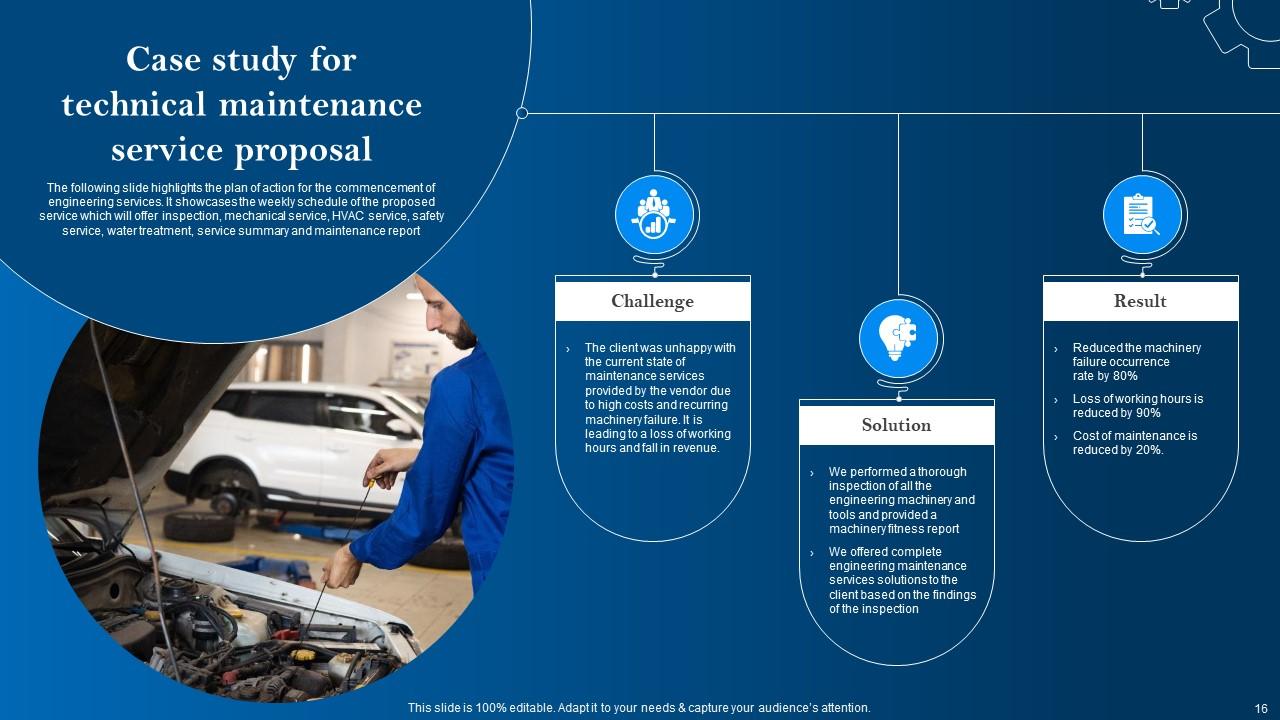
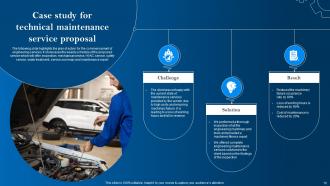
Slide 16: The following slide highlights the plan of action for the commencement of engineering services.
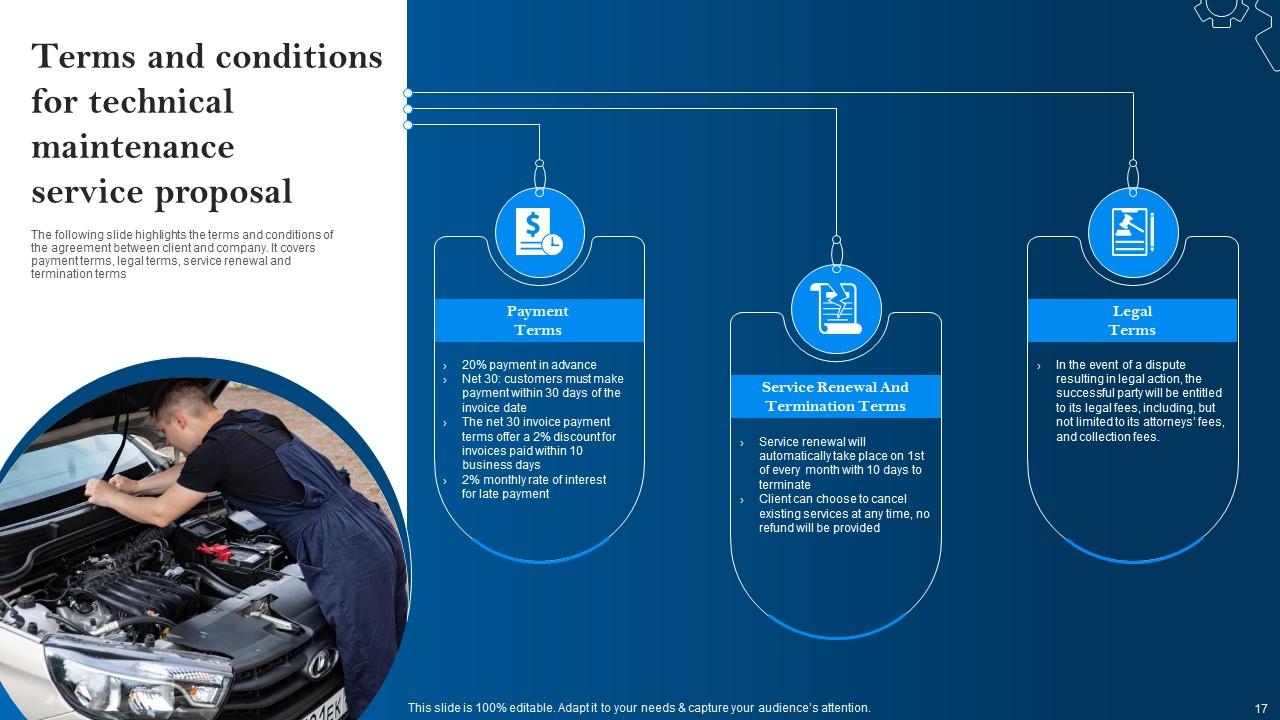
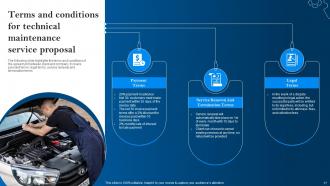
Slide 17: This slide exhibits the Terms and conditions for technical maintenance service proposal.
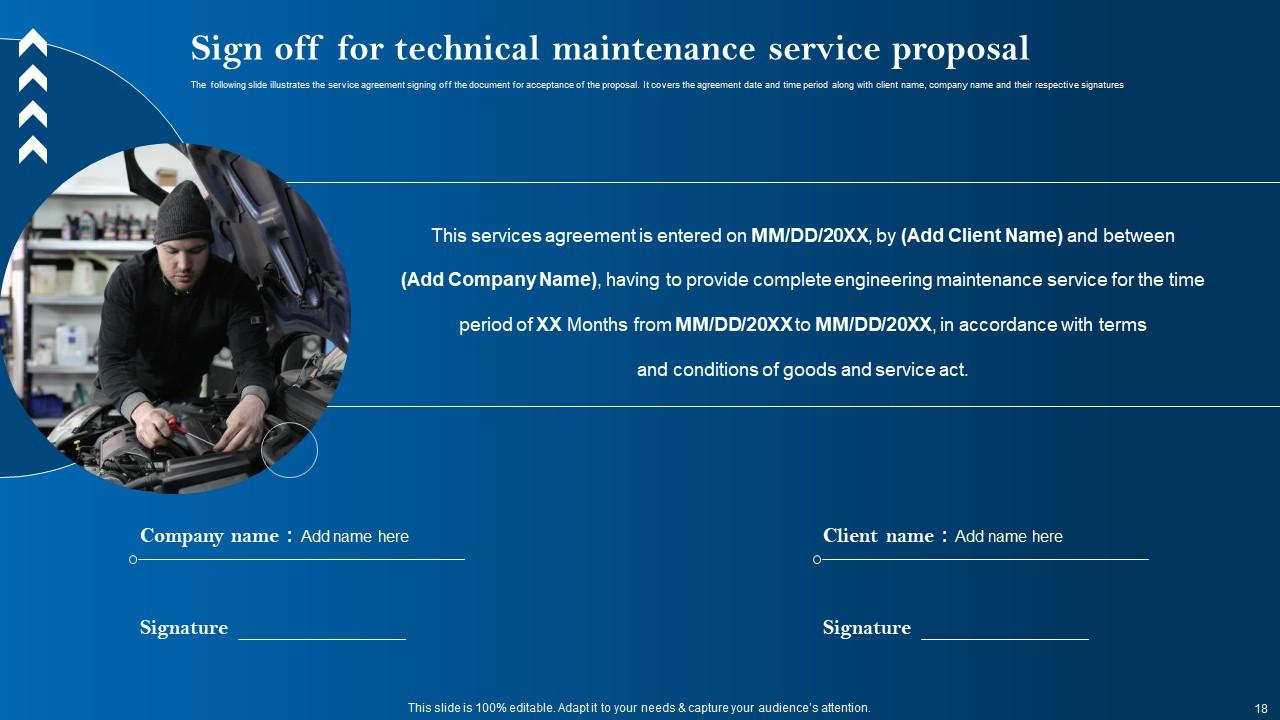
Slide 18: The following slide illustrates the service agreement signing off the document for acceptance of the proposal.
Slide 19: This slide displays the organization-related information.
Slide 20: This is the Icons slide containing all the Icons used in the plan.
Slide 21: This slide is used for depicting some Additional information.
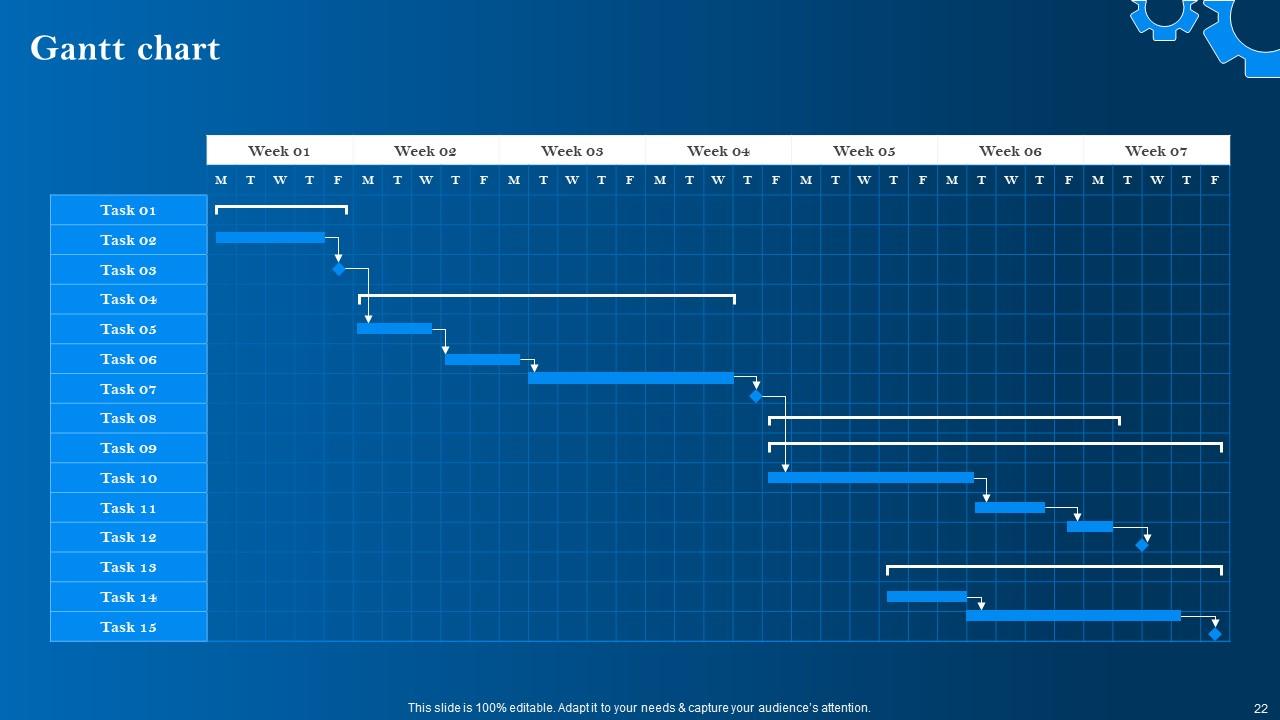
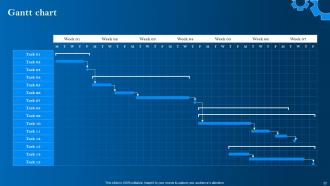
Slide 22: This slide represents the Gantt chart.
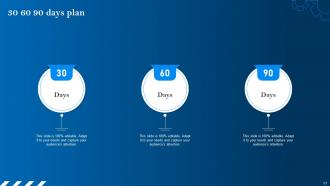
Slide 23: This is the 30 60 90 days plan slide for effective planning.
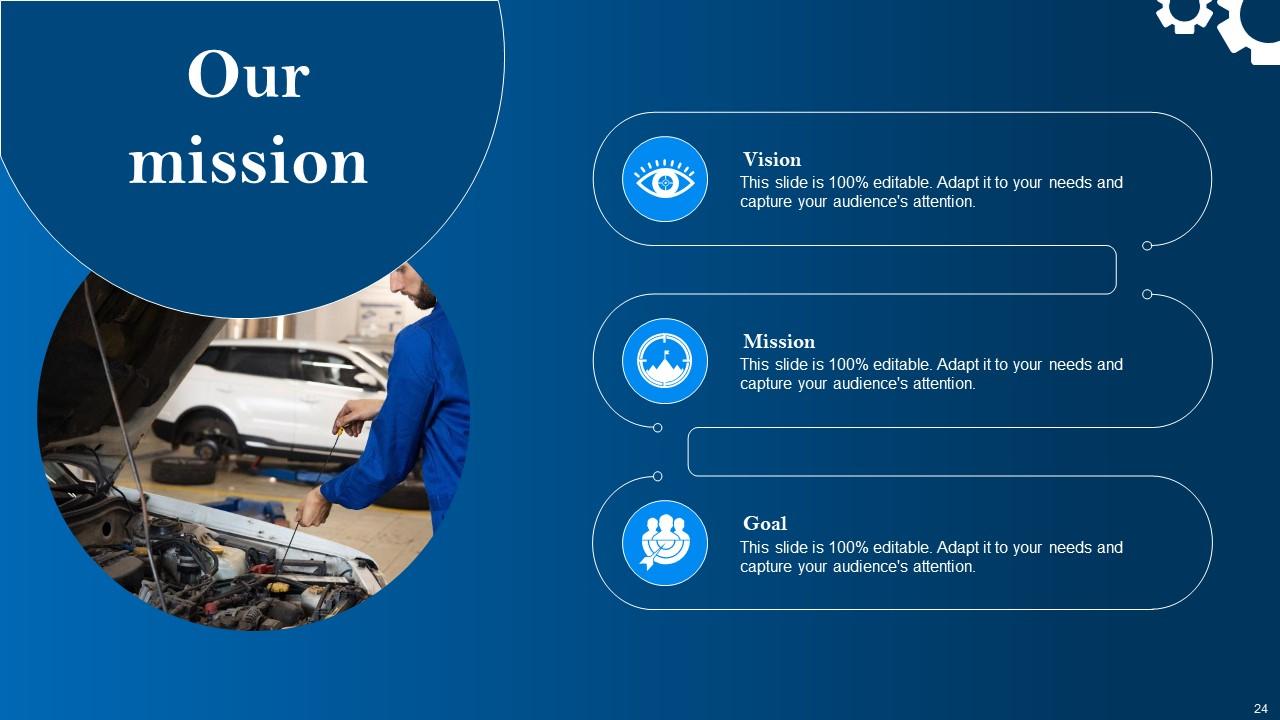
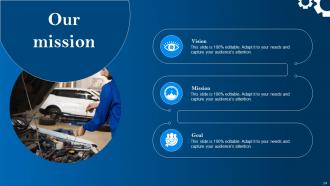
Slide 24: This slide incorporates the firm's mission, vision, and goals.
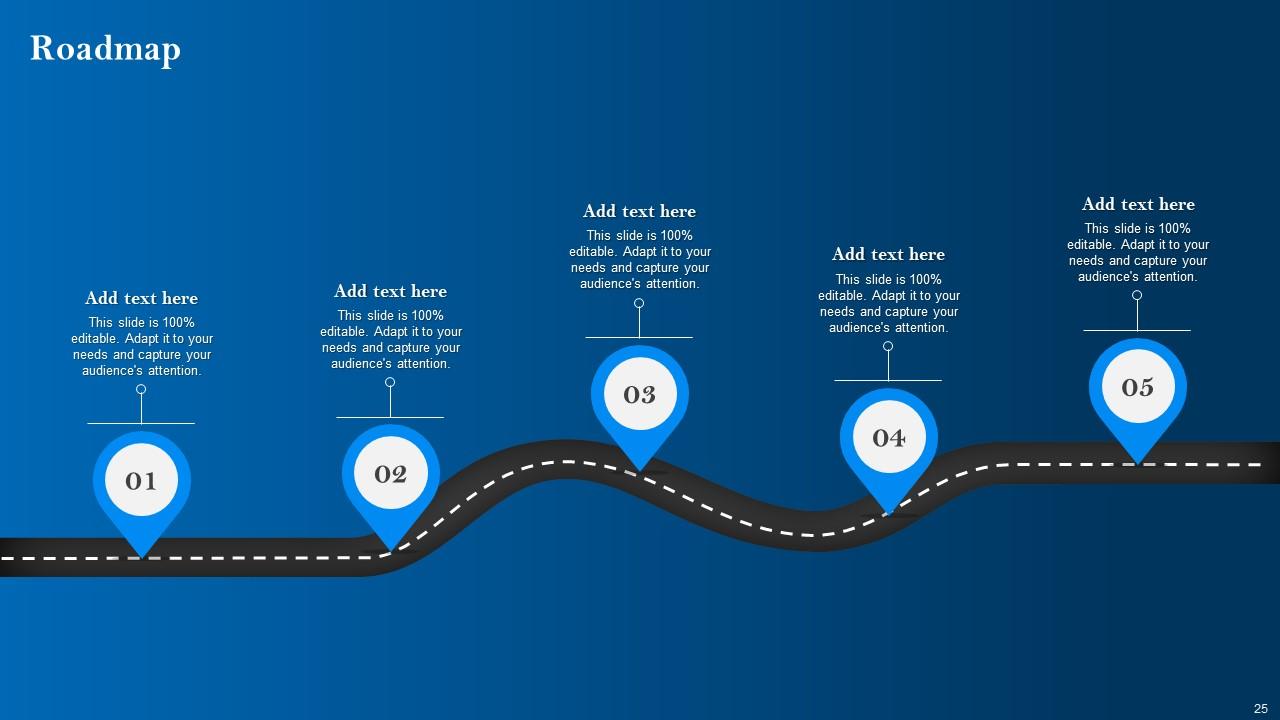
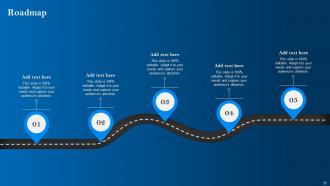
Slide 25: This slide displays the Roadmap of the company.
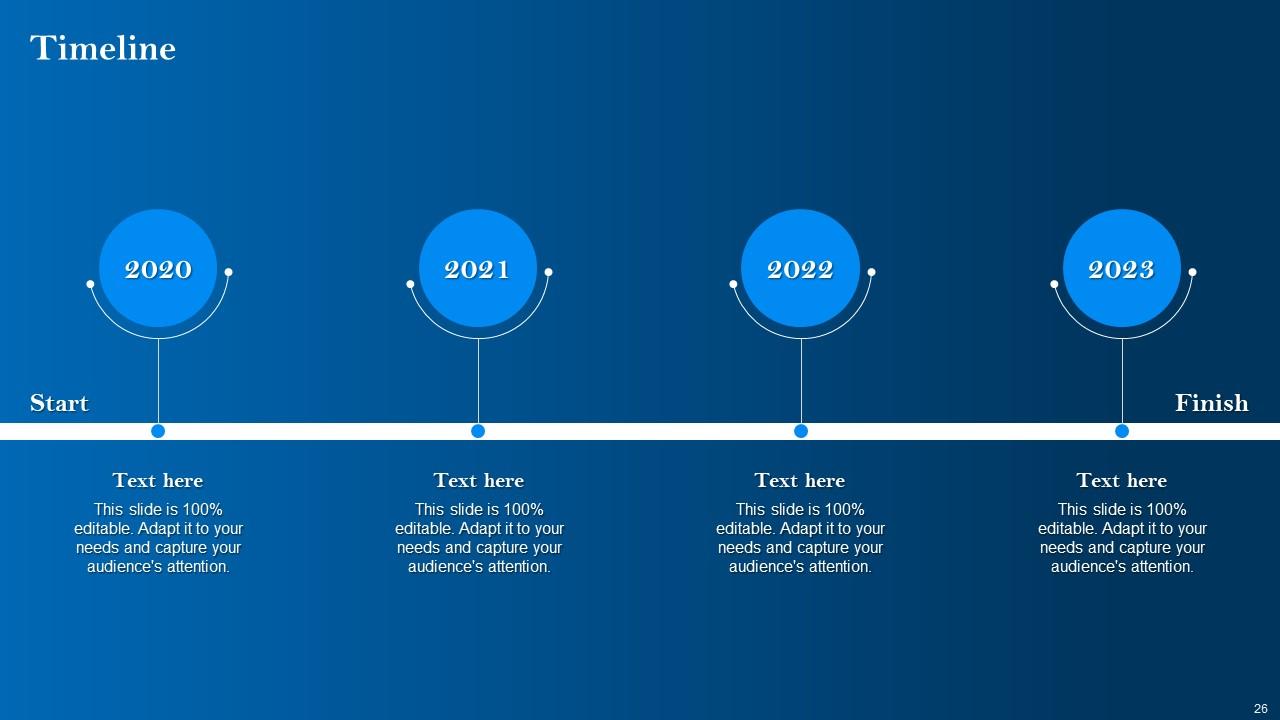
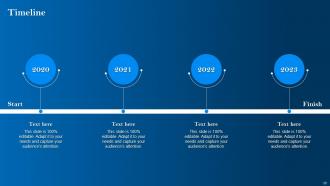
Slide 26: This slide exhibits the firm's Timeline.

FAQs for Technical Maintenance Service Proposal

Cover the basics first - scope, pricing, what's included vs what's not. Response times matter too. Clients always want those SLA details and escalation procedures, plus reporting schedules (even though half of them never actually read the reports lol). Make sure you mention your team's background, support hours, and any special software you use. Contract stuff is boring but necessary - terms, renewals, how you handle changes. Oh, and definitely add emergency protocols. Trust me, that'll be their first question once they sign on the dotted line.

Start with the scary numbers - like how one equipment failure costs 10x more than regular maintenance. I'd definitely include real examples from other clients where you caught problems early and saved them thousands. Horror stories work too (seriously, nothing grabs attention like "$50k emergency repair" in the subject line). Focus on total ownership costs over time, not just what they pay upfront. Don't sell maintenance - you're selling them predictable budgets and no 3am panic calls. Oh, and make sure you emphasize how this gives them peace of mind. That emotional angle actually matters more than people think.

Yeah, so basically you'll want to get super specific about timing and link it straight to how risky each system is. Monthly or quarterly checkups for your most critical equipment makes sense. Less important stuff can probably wait for annual visits - honestly depends on what breaks down most often in your experience. I'd definitely build in some flexibility language because equipment doesn't exactly follow schedules, you know? Be crystal clear about what counts as routine maintenance versus emergency calls that cost extra. The trick is explaining WHY you're suggesting certain intervals. Connect it to equipment life, compliance stuff, or how much downtime costs them. Makes the whole thing way easier to justify.

Dude, just get ahead of their worries before they even bring them up. Downtime fears, budget concerns, slow response times - all that stuff they're definitely thinking about. I usually throw in a whole section about it because honestly, clients love when you're upfront. Get specific too - "we'll do maintenance during your slow hours" or list exactly which systems your techs are certified on. Don't just tell them you're reliable, actually prove it with real examples and solid guarantees. Way better than hoping they'll just trust you blindly.

Look, the big three killers are gonna be equipment going down unexpectedly, costs spiraling out of control, and not having the right techs available. Your proposal needs to tackle these upfront. Show them solid preventive maintenance schedules so stuff doesn't just randomly break. Be super transparent about pricing - include those contingency buffers because surprises suck. Highlight your team's certs and experience, but also have a backup staffing plan ready. Trust me, "our guy's sick" doesn't fly when their whole production line is toast. Include response times and what happens if things escalate. Oh, and spell out exactly what's included versus extras - scope creep will destroy these deals fast.

Focus on numbers that actually matter - downtime reduction, repair cost savings, equipment lasting longer. Something like "prevents 85% of critical failures" hits way harder than vague promises. Use their current mess as your starting point. If they're hemorrhaging money on emergency repairs, show them a 60-70% cut with preventive maintenance. Hard savings are obvious stuff like reduced costs, but don't forget the softer wins - better productivity, safety improvements. Those matter too. Just make sure you've got real data backing up whatever numbers you throw around, not just stuff you pulled out of thin air.

Dude, client collaboration is everything. Seriously - it's what makes the difference between winning and watching your proposal die in someone's inbox. Get them involved in figuring out their real problems, not just what they think they want. Regular check-ins are key too, even though they're kind of a pain to schedule. When clients help shape the scope early on, you dodge all that awkward "wait, that wasn't included" drama later. Oh, and here's the thing - collaborative clients will actually fight for you internally when they're pitching your proposal to their boss. Listen to their feedback or you'll be doing rewrites forever.

Definitely research their industry pain points first - that's huge. Healthcare clients obsess over compliance and can't afford downtime that messes with patient care. Manufacturing? They're all about preventing production disasters and planning maintenance windows. Retail needs POS systems and HVAC working 24/7 (seriously, customers lose their minds in a hot store). Financial services want rock-solid security and disaster recovery - no surprises there. Don't forget to throw in case studies from similar companies. Shows you actually get their world. Each industry speaks its own language, so adapt your proposal accordingly.

Start with uptime and response times - those are your bread and butter. MTBF and MTTR come up in literally every client meeting, so you'll need those tracked. First-call resolution rates are huge too. Don't forget SLA compliance because contract penalties are no joke. Preventive maintenance completion and customer satisfaction scores round out the basics pretty well. Cost per incident is solid for showing you're actually saving them money over time (clients love seeing those numbers trend down). I'd honestly just pick like 5 of these to start - you can always add more weird metrics later if they ask for something specific.

Honestly, case studies are like your proof you're not just talking BS. Instead of "trust me, I'm awesome," you're showing actual results - like how you cut downtime 40% or caught that equipment failure before it cost them big money. It's way better than just listing your skills, you know? Clients can actually picture you fixing their stuff. I'd compare it to showing before/after pics instead of just describing what you can do. The real numbers make everything click for them. Just pick the wins that match whatever headaches they're dealing with.

First thing - figure out your liability limits and who's on the hook if equipment breaks during maintenance. Insurance is huge here, tons of contractors mess this up. Define what counts as "maintenance" vs extra repairs, otherwise you'll be doing free work all day. Response times matter too, and both sides need clear exit strategies. Oh and if you're touching their systems, nail down the IP stuff early. Honestly for anything big money, just pay a lawyer to look it over. Way cheaper than getting sued later.

Dude, IoT completely changes the game here. Instead of waiting around for stuff to break, you'll have sensors monitoring everything 24/7 and giving you heads up before problems happen. Way smarter approach. The data you get is honestly pretty amazing - you can create maintenance schedules based on how equipment actually gets used, not just some random timeline from a manual. Your clients will love the detailed reports too. I'd definitely make this a key part of your different service packages since it separates you from every other maintenance company out there. Plus you can charge more for it.

Preventive maintenance is basically planning ahead - oil changes, inspections, swapping parts before they die on you. Corrective is fixing stuff after it breaks (which sucks but happens). For proposals, lead with preventive since it shows you're thinking long-term about their costs. Clients love hearing they'll avoid expensive downtime. But definitely include your corrective response times too because things will break no matter what you do. I learned this the hard way at my last job - our "foolproof" system wasn't so foolproof after all. Most solid proposals mix both approaches, just make preventive sound like your main game plan.

Honestly, I'd go monthly or quarterly for maintenance stuff - matches when you're actually doing the work. Annual upfront is sweet for cash flow but good luck getting clients to agree to that. Net 30 is pretty standard, though I push for Net 15 when I can get away with it. Definitely add late fees around 1.5% monthly or people will just... not pay on time. Oh, and tie payments to actual milestones, not some wishy-washy "deliverables" nonsense. Auto-renewal clauses are clutch too - saves you from having the same payment conversation every single year.
Don't go dark on them - I made that mistake once and lost a decent contract because I disappeared for three weeks like an idiot. Send your thank-you note right away, then hit them up weekly with useful stuff. Maybe share a relevant case study or let them know your team's availability. Two weeks in, schedule a quick call to see if they have questions and get a feel for their timeline. Keep it short though - focus on what they need, not how badly you want this deal. Oh, and be ready to adjust things fast. These maintenance contracts usually need some back-and-forth tweaking anyway.

Ratings and Reviews

90% of 100
Review Form
Write a review
Most Relevant Reviews
  1. 100%

    by Christian Brooks

    A fantastic collection of templates. I'll likely use this as my go-to resource for future templates and support.
  2. 80%

    by Darell Vargas

    Appreciate the research and its presentable format.

2 Item(s)

per page: