


Three year roadmap project management development plan manage resources




Try Before you Buy Download Free Sample Product
 Impress Your
 Audience
 100%
100% Editable
 Save Hours
 of Time


Our Three Year Roadmap Project Management Development Plan Manage Resources are topically designed to provide an attractive backdrop to any subject. Use them to look like a presentation pro.
People who downloaded this PowerPoint presentation also viewed the following :
Three year roadmap project management development plan manage resources with all 12 slides:
Use our Three Year Roadmap Project Management Development Plan Manage Resources to effectively help you save your valuable time. They are readymade to fit into any presentation structure.
-
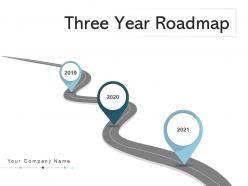
Three Year Roadmap
-
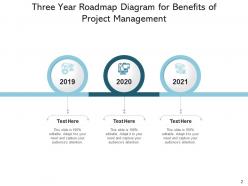
Three Year Roadmap Diagram for Benefits of Project Management
-
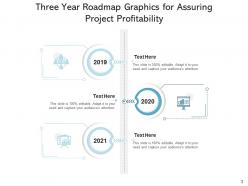
Three Year Roadmap Graphics for Assuring Project Profitability
-

Three Year Roadmap Graphics to Manage Resources More Strategically
-
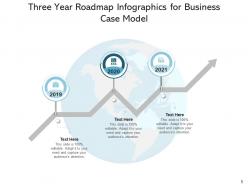
Three Year Roadmap Infographics for Business Case Model
-
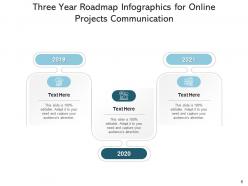
Three Year Roadmap Infographics for Online Projects Communication
-
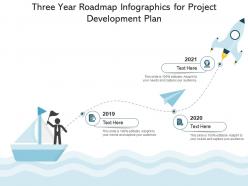
Three Year Roadmap Infographics for Project Development Plan
-
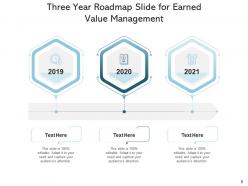
Three Year Roadmap Slide for Earned Value Management
-
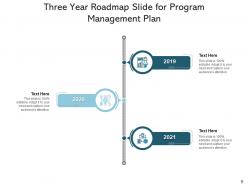
Three Year Roadmap Slide for Program Management Plan
-
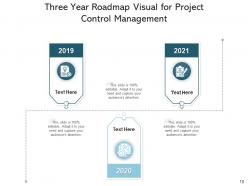
Three Year Roadmap Visual for Project Control Management
-
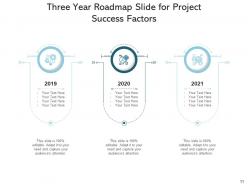
Three Year Roadmap Slide for Project Success Factors
-
Thank You
FAQs for Three year roadmap project management development
So there's five main phases you gotta hit: initiation, planning, execution, monitoring/controlling, and closure. First you define what you're actually trying to do and why. Then comes planning - seriously, don't skip this part even if you're itching to start. Map out your timeline, figure out resources, all that stuff. Execution is the fun part where work actually happens (though it'll probably eat your soul). You're constantly checking progress and fixing things that break. Oh, and coffee helps during this phase. Closure wraps everything up - document what you learned and maybe grab a beer to celebrate.
Honestly, good communication is what makes or breaks projects. You catch problems early instead of dealing with disasters later. Everyone actually knows what's going on - which sounds obvious but you'd be surprised how often that doesn't happen. Set up regular check-ins from day one and stick to them. Clear documentation saves you from those annoying "wait, I thought we agreed on..." conversations. Scope creep becomes way less of a headache too. The key is being consistent with updates - people trust you more when they know what to expect.
Honestly, risk management is what saves projects from becoming complete train wrecks. I'd start with a quick brainstorm session with your team - just throw potential problems on a whiteboard. Pick your top 3-5 biggest threats to timeline or budget. Then figure out how bad each one could get and what you'd actually do if it happened. The teams that just cross their fingers and hope nothing breaks? They're the ones calling emergency meetings at 9pm on Fridays. Build it into your regular check-ins and update your plans when new stuff pops up.
Honestly, short sprints are a game changer. Break your project into 2-week chunks and check in with stakeholders constantly. Daily standups help you catch problems before they blow up. Don't try to plan everything upfront - that's just setting yourself up for disappointment when things inevitably change. The whole point is staying flexible so when requirements shift (and they will), you're not stuck with some massive plan that's already outdated. Retrospectives after each sprint help you figure out what's actually working. Oh, and embracing change instead of fighting it makes everything way less stressful.
Track the usual stuff - budget, timeline, scope changes. But also check if people actually like what you're building. I've watched teams nail every deadline and still bomb because nobody wanted to use their thing. Customer feedback matters way more than most PMs realize. Team morale's worth watching too since burnt-out devs don't ship quality work. Business impact should be your north star though - are you solving the actual problem? Don't go crazy with metrics. Pick maybe 4-5 and stick with them consistently.
Honestly, team dynamics can completely tank or save your project. When people actually trust each other, decisions get made quickly and work just flows. But if the vibe is toxic? You're screwed - endless pointless meetings, people hiding info, constant redoing stuff because no one's on the same page. Good teams naturally share knowledge and have each other's backs instead of working alone. The chemistry thing is real. My take: spend time early on team building and nail down how you'll communicate. Sounds cheesy but it's worth it. Way better than dealing with drama later when deadlines are looming.
Monday.com, Asana, and ClickUp are pretty solid for project management automation. They handle task dependencies and workflows without getting too crazy complicated. Jira's a nightmare unless you're doing actual software development - I've watched teams just give up on it. Microsoft Project works but honestly? Total overkill for most people. The real trick is finding something your team won't abandon after a week. Start with free trials on 2-3 options and test them with an actual project. That's the only way you'll figure out what fits your workflow instead of just looking pretty in demos.
Start by mapping out who your stakeholders are and what they actually want. Some need weekly updates, others just want a quick heads-up when stuff changes. I had this "minor" stakeholder once who turned out to be golf buddies with the CEO - whoops! Keep being proactive instead of scrambling to catch up later. Honestly, regular check-ins save you so much drama. Set up ways for people to give you feedback early on, then actually use what they tell you. Your stakeholder list will change too, so don't just make it once and forget about it.
Honestly, bottom-up estimating is your best bet - break everything into smaller chunks and cost each piece out. Way better than just throwing numbers around. Three-point estimation works great too, where you average out best case, worst case, and realistic scenarios. Track it with earned value management so you can see planned vs actual spending compared to what's actually done. Here's the thing though - most people totally skip their regular check-ins and that's exactly when budgets go to hell. Weekly reviews and variance reports will catch problems before they explode. Even a basic spreadsheet works if you don't have fancy software yet.
Dude, get your scope locked down ASAP and make everyone actually sign off on it - like, physically sign a document. Most PMs think a quick meeting agreement is enough but that's how you get screwed later. Write out exactly what's in and what's out, then force stakeholders to approve it formally. After that, any changes go through your change control process - no exceptions. I learned this the hard way on my last project. Don't feel bad about saying "nope, that's not in scope" when random requests pop up. You'll be so glad you did this.
So traditional project management is super rigid - you plan everything upfront with waterfall methodology, detailed docs, strict deadlines. Modern stuff like Agile and Scrum? Totally different vibe. You're adapting constantly, getting stakeholder feedback throughout, prioritizing collaboration over following some manual. Honestly, I think the old way sets you up for failure because you can't predict everything. Now it's about building in small chunks and pivoting based on what you learn. Kanban's pretty solid too. Figure out what fits your project's complexity first though.
Dude, cultural intelligence is a game-changer for international projects. You know how some cultures say "yes" when they really mean "maybe"? Yeah, that's where things get messy if you don't pick up on it. Different teams have totally different vibes too - some want you to be super direct, others prefer the diplomatic route. I learned this the hard way on a project with our Tokyo office. Before your next kickoff, spend some time figuring out how each team handles hierarchy and deadlines. Trust me, it'll save you from so many awkward moments.
Honestly, start with making sure people won't get roasted for throwing out weird ideas. I'd block off real brainstorming time - like actually put it on the calendar - where nothing gets shut down right away. Pull in folks from other teams too, they'll think totally different than your usual crew. Budget some time for trying stuff that might flop (I know, easier said than done with deadlines breathing down your neck). When experiments don't work out, celebrate what you learned instead of just being bummed. Give your team room to figure things out their way instead of hovering. Try starting your next sprint with 15 minutes of "what if we tried something completely nuts?"
Honestly, do this right after hitting major milestones when everyone still remembers what actually happened. Make a quick template - what worked, what sucked, what to do differently. Keep it short though, nobody's reading a 5-page essay. Put everything somewhere your future teams can actually access it. I like organizing by project type or client since you'll search for similar situations later. Before starting new stuff, just spend like 15 minutes looking at what went wrong on similar projects. You'd be shocked how we keep making the same mistakes over and over. It's kind of embarrassing but super preventable.
Honestly, I'd start with adaptability and digital skills - everything's remote now and projects shift constantly. Communication is massive too, especially when you're stuck translating between developers and executives who might as well be speaking different languages. Data analysis is pretty much required these days since you can't just wing decisions anymore. Oh, and emotional intelligence matters way more than people think. Like, seriously - most of your job ends up being therapy for stressed teams dealing with changing requirements. Change management skills go hand in hand with that. Pick one thing to focus on first though, maybe find a course or someone who's already killing it to mentor you.
-
Nice and innovative design.