

Urban water management powerpoint presentation slides





Try Before you Buy Download Free Sample Product
 Impress Your
Audience
 100%
Editable
 Save Hours
of Time


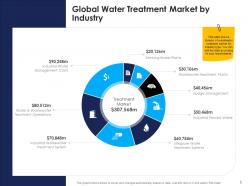
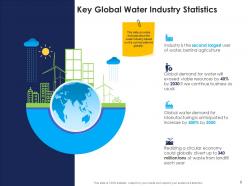
Introducing our Urban Water Management PowerPoint Presentation Slides. Employ these sustainable sanitation PPT templates to present water market overview in an attractive yet informative manner. Showcase the global market water treatment by industry by taking the aid of these water management PPT slides. With these integrated urban PPT designs, you can mention the key trends influencing the water industry in an organized and well-structured way. Highlight the sources of water pollution from both natural causes and anthropogenic causes by utilizing these sustainable water PPT visuals. Through this water supply PPT slideshow, you can design a monitoring program based on various preliminary surveys. Provide an effective description of the monitoring area by taking advantage of these urban area PPT visuals. Share the location map of the sampling sites creatively curated with the assistance of these water cycle PPT graphics. You can also display the frequency and timing of sampling using these urban water management PPT themes. Download this adaptable urban water cycle PPT presentation to create a simplified water treatment process.
People who downloaded this PowerPoint presentation also viewed the following :
Urban water management powerpoint presentation slides with all 78 slides:
Use our Urban Water Management Powerpoint Presentation Slides to effectively help you save your valuable time. They are readymade to fit into any presentation structure.







FAQs for Urban water management
Honestly, it's a mess right now. Aging pipes are literally crumbling, and cities can't handle the flooding when storms hit hard. Population growth means we need way more water than before. Then you've got contamination issues - treatment plants are expensive to run and upgrade. Climate change isn't helping either, throwing droughts and crazy weather at infrastructure that wasn't built for this stuff. The funding situation is brutal since we're talking billions to fix everything. Oh, and if your city's dealing with this, definitely map out the worst areas first. Focus on whatever's gonna affect public health the most.
So green infrastructure is basically copying what nature already does - catching rainwater where it lands instead of dumping everything into storm drains. Rain gardens, those spongy pavements, green roofs, that kind of stuff. Way prettier than concrete everywhere too. It soaks up flooding, filters out gross pollutants naturally, and refills groundwater. You'll also get cooler temps and cleaner air as a bonus. Honestly, cities should've been doing this ages ago. If you're working on urban planning, just map out your worst flooding spots first and see which green options could fix multiple issues at once.
Dude, cities are scrambling to deal with water because climate change is messing everything up. One year they're hit with droughts, next year it's flooding - sometimes both in the same season which is honestly wild. Old water systems just can't handle this chaos anymore. So they're throwing money at green infrastructure, recycling systems, smart tech, all that stuff. Oh and if you're doing any urban planning work? You'll want to bake those climate projections in right from the start. Trust me on that one.
Dude, you should check out real-time sensors for water monitoring - they're game changers. These IoT networks track pH, turbidity, all that stuff instantly instead of waiting days for lab results. Smart sensors pinpoint exactly where problems start, which honestly blows my mind how accurate they've gotten. AI can even predict issues before they happen by reading data patterns. Mobile dashboards let you monitor everything remotely too. Oh, and definitely start with a pilot program in just one district first - test the accuracy before going all in. Way better than the old school approach.
Okay so green infrastructure is your best bet here. Rain gardens work crazy well - they basically soak up water right where it hits instead of sending everything to storm drains. Permeable pavement is another game changer, plus bioswales and green roofs if you're feeling ambitious. Underground cisterns store the overflow during those insane downpours we've been getting lately. Don't try to fix everything at once though. Find your worst flooding spots first, then start small with something like a permeable parking lot before going bigger.
Hey! So cities are basically disasters for water systems. All that concrete means rain just runs off instead of soaking into the ground - hello flooding and goodbye groundwater. The runoff picks up nasty stuff from roads and buildings too, which streams and wetlands definitely don't appreciate. Then you've got tons of people using water for everything. Wildlife gets screwed over when their habitats disappear or get chopped up into pieces. Oh, and if you're ever involved in planning stuff, push for things like permeable pavement - it actually lets water behave more naturally instead of turning everything into a concrete nightmare.
Okay so first thing - map out what policies your city already has vs what's missing. That'll show you where to focus. Progressive water pricing is solid (rich areas help subsidize basic access for poorer neighborhoods). Push for mandatory service extensions to underserved communities too. Water shutoff bans are honestly game-changing when people can't pay their bills. Quality standards need to be consistent across all districts, not just the nice ones. Community participation in planning is key since locals actually know what's broken in their area. Oh and strict quality regs everywhere, obviously.
Dude, rainwater harvesting is actually pretty smart for cities. You'll cut your water bill and help prevent flooding since all that concrete means water has nowhere to go naturally. Free water for your garden too, which is nice. It takes pressure off the city's water supply during droughts and stops storm drains from getting overwhelmed - honestly the flood prevention thing is probably the biggest benefit. Oh, and it helps recharge groundwater aquifers. If you're thinking about it, just measure your roof area and look up local rainfall averages. That'll show you how much you could collect and if it's worth doing.
Look, when you get residents actually involved in water stuff, they stop being lazy about it and start caring. People know their own neighborhoods way better than some bureaucrat downtown - they'll catch leaky pipes or flooding issues before you even hear about it. The cool part is when they start organizing themselves around these problems. I'd say begin with small neighborhood meetups or test projects where folks can give real feedback on what's happening in their area. Once they feel heard, they'll actually stick to conservation rules and support bigger infrastructure changes. It's like having a bunch of unpaid inspectors who are genuinely invested.
Honestly, there's some really cool stuff happening with water tech right now. Smart meters can catch leaks instantly, which is pretty sweet. Cities are installing these atmospheric water generators that literally make drinking water from humid air - sounds like sci-fi but it's real. AI irrigation systems only water when soil actually needs it, and greywater recycling is getting huge for buildings. Oh, and permeable pavement reduces runoff while recharging groundwater. If you're diving into this, I'd check what your local utility offers first for smart meter upgrades. That's usually the easiest way to start.
Water management is crazy different depending on where you are. Singapore's got this insane recycling and desalination setup, while Cape Town had to deal with those intense drought restrictions. Amsterdam's whole thing is flood control - makes sense. Tokyo does amazing stuff with stormwater collection, and Phoenix... well, they're in the desert so everything's about conservation. The engineering behind all this is honestly pretty cool. It really comes down to what you're dealing with - too little water, too much, or crappy quality. I'd check out cities that have similar problems to yours, that's where you'll find the best ideas.
So wastewater treatment is huge for cities trying to be more sustainable with water. Instead of just dumping everything downstream, you can actually clean that water and pump it back into the municipal supply or use it for irrigation. Pretty wild how much we used to waste, right? It also stops contamination from messing up natural water sources and keeps the whole watershed cleaner. Oh, and if you're trying to figure out how sustainable your city actually is, check what percentage of treated wastewater gets reused versus just discharged - that'll tell you a lot.
So basically, you need different experts working together instead of everyone doing their own thing. Engineers team up with ecologists for green infrastructure stuff. Planners collaborate with economists on pricing that actually works. The cool part is when they cross-pollinate ideas - like, engineers might totally miss community pushback that social scientists would catch immediately. Meanwhile, ecologists spot natural solutions that engineers would never think of. Honestly, just start with regular cross-department meetings on your next water project. You'll be surprised how fast creative solutions pop up when people aren't stuck in their usual bubbles.
So basically these partnerships let cities use private company money for water stuff they can't afford themselves - treatment plants, pipes, all that infrastructure. Private companies bring the cash and tech skills upfront. Cities keep the regulatory oversight though, which is good. Honestly it's everywhere now because every city's broke lol. Just gotta watch the contract details so you don't get screwed on pricing later. My cousin's city did this and it worked out pretty well, but I've heard horror stories too where companies jack up rates.
Look, water planning has to be baked into every single development decision - can't keep treating them separately. Smart cities are already forcing developers to include green roofs, permeable surfaces, all that water-efficient stuff as standard practice. Rainwater harvesting should honestly be mandatory everywhere at this point, but whatever. Make conservation profitable with incentives and waste expensive through tiered pricing - that's what actually works. Push for policies requiring new developments to be water-neutral. Oh, and start by checking your current zoning laws because they're probably outdated as hell.
-
Excellent Designs.
-
Design layout is very impressive.
-
Much better than the original! Thanks for the quick turnaround.
-
Out of the box and creative design.
-
Unique research projects to present in meeting.
-
Informative presentations that are easily editable.
-
Visually stunning presentation, love the content.
-
Great designs, Easily Editable.
-
Innovative and Colorful designs.
-
The Designed Graphic are very professional and classic.
-
Page:
- You're currently reading page 1
- Page 2
-
