

Warehouse And Inventory Management PowerPoint PPT Template Bundles DK MD




Try Before you Buy Download Free Sample Product
 Impress Your
Audience
 100%
Editable
 Save Hours
of Time


Our Warehouse And Inventory Management PowerPoint PPT Template Bundles DK MD are topically designed to provide an attractive backdrop to any subject. Use them to look like a presentation pro.
People who downloaded this PowerPoint presentation also viewed the following :
Content of this Powerpoint Presentation
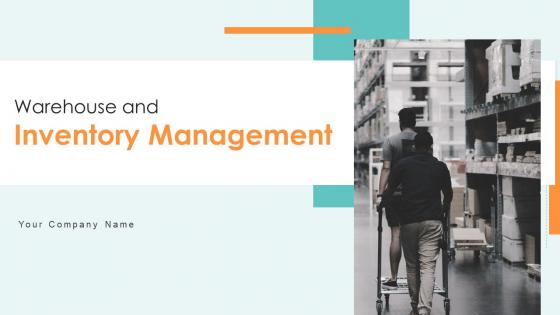
Slide 1: This slide introduces Warehouse and Inventory Management. Commence by stating Your Company Name.
Slide 2: This slide incorporates the Table of Contents.
Slide 3: This slide shows the considerations to enhance the warehouse processes which includes optimization of warehouse layout, select picking strategy, etc.
Slide 4: This slide focuses on optimization of warehousing processes to streamline operations which covers receiving, put-away, etc.
Slide 5: This slide shows the equipment essential for handling material at logistics site such as loading, transportation inside warehouses, sorting, etc.
Slide 6: This slide depicts the Criteria to select warehousing system.
Slide 7: This slide elucidates the Functionality of warehousing management system.
Slide 8: This slide represents the Flowchart for controlling and managing inventory.
Slide 9: This slide focuses on picking, packing and shipping process workflow of customer order which includes order transmission, generation of packing slip, etc.
Slide 10: This slide highlights the Best practices to manage warehouse inventory.
Slide 11: This slide outlines the Key objectives of inventory and warehouse management.
Slide 12: This slide showcases the Stages involved in effective inventory management.
Slide 13: This slide deals with the Importance of warehouse inventory management software.
Slide 14: This slide talks about the Warehousing process for supply chain management.
Slide 15: This slide reveals the Best practices for retail store inventory management.
Slide 16: This slide portrays the Essential ways for warehouse inventory management.
Slide 17: This slide mentions the Key elements of warehouse and inventory logistics.
Slide 18: This is the Thank You slide for acknowledgement.
Warehouse And Inventory Management PowerPoint PPT Template Bundles DK MD with all 23 slides:
Use our Warehouse And Inventory Management PowerPoint PPT Template Bundles DK MD to effectively help you save your valuable time. They are readymade to fit into any presentation structure.







FAQs for Warehouse And Inventory Management PowerPoint PPT Template
Honestly, there's five things you can't mess around with if you want your WMS to actually function. Real-time inventory tracking is non-negotiable - like, how else would you know what's where? Your receiving and putaway processes need to be dialed in too, otherwise everything's just chaos from day one. Pick and pack optimization will save your sanity during busy periods. Oh, and make sure it plays nice with your ERP system - I've seen too many places struggle with disconnected data. Reporting features are clutch for catching problems early. I'd figure out what you're missing most right now and tackle that first.
Dude, seriously get some basic barcode scanners if you haven't already - that's like step one. RFID and warehouse management systems will give you real-time updates on stock levels and shipping without those tedious manual counts that always mess up anyway. The time you'll save is crazy. I'm talking instant visibility into pick times, inventory movement, all of it. Plus the data helps you figure out better layouts and predict what you'll need. Automation honestly changes everything - sounds cheesy but it's true. Start small though, don't go overboard right away.
Dude, warehouses are crazy automated now. Robots everywhere moving stuff around, AI tracking inventory in real-time - my buddy works at Amazon and says it's like sci-fi. You'll see 30-40% efficiency boosts typically, plus way fewer mistakes than humans make. Labor costs drop big time too. Though honestly, the tech moves so fast I can barely keep up with what's new each month. If you're considering it, don't go full robot army right away. Start with automated inventory systems first, then build from there. Way less overwhelming.
Map out how your people actually pick stuff first - that's where the magic happens. Put your fast-movers near shipping so they're not hiking across the warehouse constantly. Similar products should live together (kinda like how you'd organize your garage, I guess). Don't forget to use your vertical space with good shelving. Wide enough aisles are huge too - nothing worse than forklifts playing bumper cars. The whole thing's about cutting down walk time by making logical paths. Short cuts here and there add up fast.
Honestly, data analytics is a game changer for warehouse ops. Instead of flying blind, you'll actually see what's going on - picker speeds, where things get stuck, demand patterns for better inventory planning. The patterns that pop up will blow your mind... like items that always get picked together or those random afternoon slowdowns nobody talks about. Makes staffing decisions way easier too. You can spot problems before they cost you serious money. I'd say start tracking your main metrics every day - sounds boring but the clarity is incredible. Way better than the guessing game most places play.
Honestly, start with a warehouse audit first - you'll waste money fixing the wrong stuff otherwise. Layout optimization is huge though. Better product placement and shorter pick paths will save you tons on labor. Get some decent inventory management software too, because dead stock sitting around is basically burning cash. Cross-train your team so you're not panicking and hiring expensive temps during busy season. Oh, and check your packaging sizes - I can't believe how much money gets wasted on oversized boxes. That shipping cost difference adds up quick.
Honestly, most shrinkage is just human error - not people stealing stuff. Get your cycle counting down to a routine and make sure receiving/shipping is tight. Train everyone on proper scanning because that's usually where things go wrong. I'd start auditing your big-ticket items or fast movers weekly, then work your way out from there. Oh, and definitely get a perpetual inventory system going if you don't have one. Clear procedures for handling damaged goods help too. The whole point is catching problems before they get out of hand - you'll save yourself major headaches later.
Real-time inventory tracking is huge - you can't have customers ordering stuff that's already gone. But honestly, figuring out which orders get priority is where it gets messy. Your online VIPs want their stuff fast, but then you've got wholesale orders for the same products. The picking process becomes this nightmare too since every channel needs different packaging. Oh, and your warehouse has to somehow handle tiny single orders AND massive B2B shipments smoothly. Get a decent WMS that talks to all your channels - trust me, it'll save you so many headaches down the road.
Start pulling last year's numbers and track whatever growth patterns you're seeing - do this early though. Find suppliers who can scale up fast when you need them. We actually used those temporary warehouse spaces last holiday season and they were clutch. Set your inventory system to reorder based on how fast things move, not just when you hit certain stock numbers. Multiple backup plans are everything because seasonal stuff never hits exactly how you think it will. Short bursts, longer flows - that's the rhythm. If you haven't mapped Q4 yet, get on that.
Start with the obvious stuff - teach everyone proper lifting and forklift safety. Mark your walkways clearly and make sure lighting's decent everywhere. Seriously, most accidents are just people slipping on wet floors or getting hit by falling boxes. Good lighting prevents so much drama. Set up non-slip surfaces where you can. Storage needs to be done right so nothing falls on anyone's head. Oh, and don't skip the safety meetings - I know they're boring but they work. The best thing though? Let workers report sketchy situations without making it a whole thing. They'll spot problems before management ever does.
Track your pick accuracy and fulfillment speed first - those are the big ones. Productivity rates per employee matter too. Honestly, those dashboard systems are confusing as hell at first, but you'll get the hang of it. Regular performance reviews help, mixing hard data with how people work together and follow safety stuff. For processes, watch inventory turnover and dock-to-stock times. Error rates by department tell you a lot. Your team's feedback is huge though - they catch things you'd never see sitting in meetings all day. Weekly scorecards work great for spotting trends early.
Honestly, start with an energy audit - see where you're bleeding money first. LED lights are a no-brainer, and smart HVAC systems actually pay for themselves pretty quickly. For waste, get serious about recycling programs and optimize your packaging (less cardboard = less headache). Location's huge too - closer to customers means shorter delivery routes, which is obviously better for everyone. Solar panels are worth looking into if you own the building. Oh, and if you're building new facilities, sustainable materials don't cost that much more these days. The key is tackling your biggest energy drains first rather than trying to fix everything at once.
Dude, talking to your suppliers regularly is honestly a game changer for warehouse stuff. You'll get way better heads up on when shipments are coming, so no more surprise deliveries backing everything up. They can give you advance notices to prep your team, and you can actually negotiate delivery times that work with your staffing - which is clutch. Your suppliers deal with shipping logistics constantly, so they usually know tricks about packaging or routes that could help streamline things. Just share your capacity limits with them upfront. Communication is everything here, and most suppliers are pretty cool about working around your constraints if you're upfront about it.
Dude, the AI forecasting stuff is actually insane - it predicts demand way better than humans ever could. Then you've got these autonomous robots doing all the picking and sorting, plus IoT sensors tracking every little thing. Warehouse management systems now connect your whole supply chain too, so you can see everything happening. I watched those robots work once and honestly got a bit mesmerized by it all. The coolest part? When you mix these together - AI optimizing robot paths while sensors automatically monitor stock levels. Don't try upgrading everything at once though. Pick one tech and expand from there.
So omnichannel fulfillment is like turning your warehouse into this crazy juggling act - you're handling orders from everywhere at once. Online, stores, mobile apps, the works. Your inventory has to be super flexible since one product might go to a store, someone's house, or sit there for curbside pickup. Honestly, the coordination gets nuts pretty fast. The big change is you need complete inventory visibility across everything, plus smarter picking strategies for all these mixed order types. I'd start by checking what your current systems can actually handle integration-wise.
-
I came across many PowerPoint presentations with excellent creatives and I believe they would be beneficial to my work.
-
Love how there are no boring templates here! The design is fresh and creative, just the way I like it. Can't wait to edit and use them for my extended projects!