


Warehouse Operations Powerpoint Ppt Template Bundles
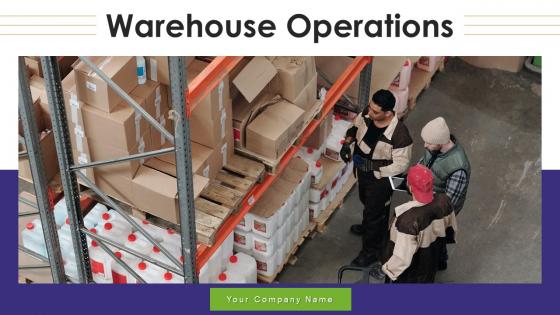




Try Before you Buy Download Free Sample Product
 Impress Your
 Audience
 100%
100% Editable
 Save Hours
 of Time


Our Warehouse Operations Powerpoint Ppt Template Bundles are topically designed to provide an attractive backdrop to any subject. Use them to look like a presentation pro.
People who downloaded this PowerPoint presentation also viewed the following :
Warehouse Operations Powerpoint Ppt Template Bundles with all 17 slides:
Use our Warehouse Operations Powerpoint Ppt Template Bundles to effectively help you save your valuable time. They are readymade to fit into any presentation structure.







FAQs for Warehouse Operations Powerpoint
Focus on order accuracy and picking speed first - those directly hit customer satisfaction. Then add inventory turnover, on-time shipments, labor cost per order, and warehouse capacity utilization. That's like 6 solid metrics right there. Don't make my mistake of tracking everything under the sun - you'll just end up with analysis paralysis. Weekly reviews work best for staying on top of things. Pick the ones that actually match your biggest headaches and stick with those. Honestly, if your picking productivity and order accuracy are dialed in, most other problems tend to sort themselves out.
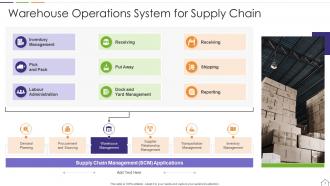
So basically a good WMS automates all that inventory tracking stuff and shows you real-time stock levels. Your workers get guided through the most efficient picking routes, which cuts way down on errors. The demand forecasting is honestly pretty amazing - way better than trying to guess what you'll need next month. Manual data entry becomes way less of a headache since everything flows automatically from receiving to shipping. Oh, and integration with your other systems is huge. I'd say figure out what's driving you crazy first, then find a system that actually tackles those specific problems.
Look, your inventory system is what makes or breaks your whole warehouse flow. Get real-time data and you'll cut down picking routes big time - no more sending people across the building for stuff that flies off the shelves. I'd put your popular items up front where they're easy to grab. Accurate counts prevent those nightmare stockout situations that mess up everything. You'll also avoid tying up cash in excess inventory (learned that one the hard way). Honestly, cycle counting is where I'd start - gets your accuracy dialed in first.
Dude, start small. Pick something boring like sorting or counting inventory instead of going crazy with the whole warehouse at once. I've watched companies totally screw this up by trying to automate everything - it's messy. Look for stuff where your team wastes tons of time or keeps making mistakes. Train your people properly since they're stuck using it every day. Oh, and actually measure if you're saving money on each thing before you expand. Do pilot tests first, see what the real numbers look like, then grow from there.
Put your fast-moving stuff near shipping first - that's where you'll save the most time. Then organize everything so it follows how your team actually picks orders. Aisles need to be wide enough for equipment but honestly, don't go overboard or you're just burning floor space. Heavy items go at waist level (your back will thank you later), and group similar products together. Oh, and definitely leave room for growth and those crazy holiday rushes. Grab a stopwatch and follow your team around - you'll spot the bottlenecks pretty quick.
Seasonal demand is honestly such a pain - it completely messes with your usual warehouse flow. Holidays and back-to-school rushes hit hard, suddenly you need triple the storage and way more staff. The worst part? Trying to predict exactly how much you'll need so you don't end up scrambling for space or drowning in leftover stock later. I learned this the hard way last year, actually. Build in flexibility early - line up temp workers and backup storage before peak season hits. Trust me, waiting until you're already slammed makes everything way more expensive and stressful.
Oh man, where do I start? Labor shortages are killing everyone right now - good luck finding warehouse workers who actually stick around. Costs keep going up for everything, plus customers expect their stuff yesterday. Your inventory's probably a mess too if your systems don't sync up properly. Space is insanely expensive so you're cramming everything in. Honestly feels like whack-a-mole some days! I'd focus on whatever's bleeding the most money first, then throw some better tech and training at it. Maybe start with the inventory thing since that touches everything else?
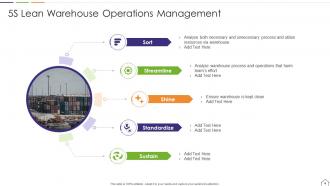
Start with the 8 wastes - overproduction, waiting, transport, overprocessing, inventory, motion, defects, and unused talent. Map out your current processes first to catch bottlenecks. Most warehouses don't realize how much motion waste they actually have (people walking around way too much). Get 5S going to organize workstations better. Kanban systems work great for inventory replenishment. Standardize your pick paths so people aren't zigzagging everywhere. Cross-training is huge - then your team can jump between areas when things get crazy. But honestly? Your warehouse staff will spot the waste better than anyone in management. They're dealing with the inefficiencies every single day.
Safety training comes first - no question about it. After that, get them solid on forklifts, scanners, and whatever WMS you're running. Cross-training is honestly a game changer because when someone calls out sick (and they will), you're not scrambling. Proper lifting techniques matter more than people think - saves your back and speeds things up. Communication skills are big too since everyone's gotta work together. Oh, and inventory management basics will save you headaches later. Start with the safety stuff and equipment, then just see where your team's weakest.
Honestly, good communication fixes like 90% of warehouse headaches. Your teams stop doing the same work twice, inventory stops getting mixed up, and nobody's left wondering where that rush order went. Real-time stock updates help a ton - same with clear handoffs between departments. When priorities change (and they always do), everyone actually knows about it instead of finding out three hours later. Daily huddles work great for this. Even 5 minutes makes a difference, though getting people to show up consistently is another story. Bottom line: when departments aren't operating in their own little bubbles, everything just runs smoother.
So honestly, start with those weekly safety walks - they're a game changer for catching stuff before it becomes a real problem. Your team needs proper hands-on training, especially for forklifts and emergency procedures. I know refresher courses seem annoying but they actually matter way more than people realize. Keep your OSHA paperwork updated too - boring but necessary. The trick is weaving safety into what you're already doing daily instead of treating it like some separate checklist thing. Oh, and definitely get those walkthroughs scheduled this week if you can.
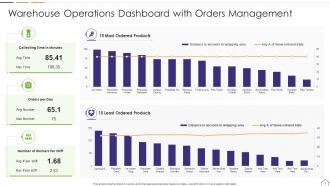
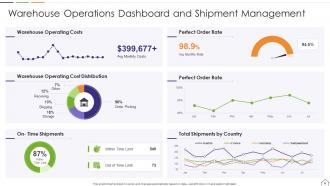
Start with tracking pick times and order accuracy - stuff that hits your biggest headaches. Most warehouses are sitting on tons of useful data they completely ignore (which is honestly crazy to me). Real-time dashboards help you pivot fast when things go wrong. Don't overwhelm yourself trying to analyze everything at once though. Pick one or two metrics first, see what patterns emerge. You'll probably spot bottlenecks you never noticed day-to-day. Inventory turnover is another good one. Once you get comfortable with the basics, then expand to other areas.
Yeah, warehouses are going green big time now. LED lights and smart HVAC are pretty much standard - energy bills are brutal otherwise. Solar panels too if you can swing it. Don't forget the boring stuff like sustainable packaging and recycling programs for all that cardboard. Route optimization helps cut emissions from trucks, which honestly makes a huge difference. Some places go all-out for LEED certification, but that's more of a nice-to-have. I'd start with an energy audit first - shows you exactly where you're bleeding money and where you can make the biggest environmental impact. Way easier than guessing what needs fixing.
Dude, your storage setup totally changes how fast your team can move stuff around. Fixed spots are predictable but waste space. Random storage fits more but you need decent tracking software or it's chaos. Zone picking is honestly where it's at for your popular items - saw a warehouse cut pick times in half with it. Going vertical saves floor space, just need the right equipment and training (which gets pricey btw). Really though, match whatever system to your actual products and how people order. Look at what sells fastest first and build around that.
Dude, warehouses are going crazy with tech right now. Robots are doing all the picking and sorting while AI figures out where to put stuff and predicts what you'll need. IoT sensors are literally everywhere tracking everything. Workers get these AR headsets that show them exactly what to do - kinda like a video game honestly. Oh, and those automated storage systems are insane to watch in action. You can slash labor costs by like 20-40% and everything gets way more accurate. Don't go nuts though - start with something simple like inventory sensors first.
-
Great quality product.
-
Really like the color and design of the presentation.