


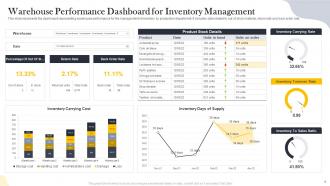
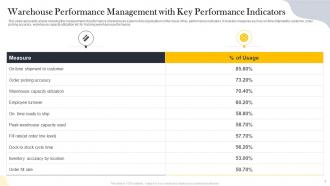
Warehouse Performance Powerpoint Ppt Template Bundles




Try Before you Buy Download Free Sample Product
 Impress Your
 Audience
 100%
100% Editable
 Save Hours
 of Time


Our Warehouse Performance Powerpoint Ppt Template Bundles are topically designed to provide an attractive backdrop to any subject. Use them to look like a presentation pro.
People who downloaded this PowerPoint presentation also viewed the following :
Warehouse Performance Powerpoint Ppt Template Bundles with all 17 slides:
Use our Warehouse Performance Powerpoint Ppt Template Bundles to effectively help you save your valuable time. They are readymade to fit into any presentation structure.


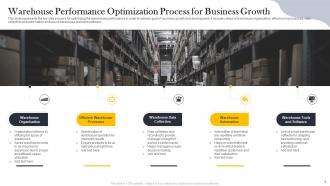







FAQs for Warehouse Performance Powerpoint
Honestly, start simple with just 3-4 metrics or you'll go crazy trying to track everything. Order accuracy rate is obvious but super important. Pick/pack productivity (orders per hour) shows how your team's doing. Cost per shipment is probably the biggest one though - if that's off, everything else falls apart. Also look at inventory turnover and cycle time from order to shipping. Oh, and capacity utilization matters too since you don't want dead space eating your budget. Return rates tell you if you're screwing up somewhere in the process. Just pick whatever's causing you the biggest headaches right now and build from there.
Dude, automation and IoT will totally transform your warehouse game. Real-time tracking means you actually know what's happening instead of just hoping everything's running smooth. Picking and packing gets way faster with automated systems, plus those IoT sensors monitor inventory, equipment, and temps without anyone babysitting them. The data insights are honestly incredible - you'll finally see exactly where things slow down. Labor costs drop since machines handle the boring repetitive stuff, and fewer human hands means better accuracy. Oh, and definitely start small! Pick one thing like inventory tracking first, then expand from there.
Dude, training makes such a huge difference in warehouses. Your team stops making dumb mistakes when they actually know what they're doing. Picking gets faster, packing gets cleaner, and people don't hurt themselves with the equipment. I've watched places where workers were basically figuring it out as they went - total disaster for productivity. Focus on your worst bottlenecks first, that's what I'd do. Train them on the processes, the systems, maybe even basic time stuff. You'll see better numbers pretty much right away. It's honestly one of the best moves you can make.
Dude, warehouse layout makes a huge difference - we're talking 20-30% productivity gains. Put your fast-moving stuff near shipping and group related products together. All that walking around really adds up (I learned this the hard way at my old job). Your team will hit fewer bottlenecks at receiving and packing too. Less travel time means faster picking and way less tired workers. Track where people are walking the most right now, find those crazy long routes, then redesign around your bestsellers first. Honestly, it's one of those changes that pays off immediately.
Honestly, the biggest game-changer is fixing your layout first. Put your hot sellers where pickers can grab them fast, and set up zones so people aren't running marathons every shift. Batch orders that make sense together - I swear some places have their workers doing like 8 miles a day for no reason. Mobile scanners cut down on all that paperwork BS. Oh, and if you've got downtime, pre-pack stuff that always ships together. Tech's great but won't fix a messy warehouse layout, you know?
Here's what I've noticed - good inventory control is basically everything for warehouse performance. When your stock levels are accurate and stuff is where it should be, pick times drop fast. But mess up your inventory? Workers spend forever hunting for items, you get wrong picks, customers get pissed. I actually watched one place boost their throughput 30% just by fixing how they did cycle counts (crazy right?). The real game-changer is getting real-time visibility into what you actually have. Most places think they know their inventory but they're way off. Fix that first and everything else - labor costs, accuracy, speed - starts falling into place.
So a WMS basically gives you real-time visibility into everything - no more hunting around for inventory. Your picking routes get automated, which cuts down on errors big time. Order accuracy shoots up, fulfillment gets way faster, and you actually use your space better. The data insights are honestly my favorite part because you can see exactly where things are getting stuck instead of just guessing. Your team will thank you for it too since the system just tells them where stuff is. I'd map out what's driving you crazy right now, then demo a few different systems to see what clicks.
Honestly, good safety protocols are like a secret weapon for warehouse performance. Fewer accidents means less downtime and disrupted workflows - pretty obvious but people overlook it. Workers who aren't scared of getting hurt actually move way faster and with more confidence. I've noticed this makes a huge difference in productivity. Plus you'll keep people around longer since nobody wants to work somewhere dangerous. Oh, and proper lifting techniques and equipment training prevent those injuries that pull your best workers off the floor. Start by asking your team what safety issues they're dealing with daily - they'll tell you exactly what needs fixing.
Look, data analysis is like being a detective for your warehouse problems. Track your daily metrics first - pick times, zone delays, where inventory gets stuck. The patterns will jump out at you pretty quick. Numbers don't lie about whether it's staffing, layout, or busted equipment slowing things down. Honestly, I've watched teams spend months just guessing when they could've solved it in weeks by following the data. Once you spot consistent slowdowns, that's when you dig deeper into those specific areas. Way better than throwing solutions at random problems.
Honestly? Sustainability usually helps performance more than hurts it. LED lights and smart HVAC will slash your energy bills while being greener. Optimizing picking routes saves time AND fuel - that's like the easiest win ever. Recyclable packaging costs about the same now, so why not? Solar's gotten ridiculously cheap if you've got roof space (though the paperwork's still a pain). Waste reduction programs pay for themselves pretty quick too. I'd focus on stuff that'll break even within 12-18 months. Most "green" changes actually streamline things once you get past the initial setup.
Ugh, inventory accuracy is probably your biggest nightmare right now. Labor management sucks too - people calling out, not enough staff during rushes. Space gets weird when you're cramming too much stuff everywhere. Picking turns into a disaster with tons of SKUs, especially when holiday season hits (seriously, it's like watching dominoes fall). Your tech probably doesn't play nice with other systems either. Layout's probably inefficient too - workers walking miles just to grab orders. Honestly? Just figure out what's breaking the worst first, then tackle that.
Cross-docking basically cuts out the whole storage step - stuff goes straight from incoming trucks to outgoing ones in like 24-48 hours max. Your inventory moves way faster since nothing's just sitting around collecting dust. Honestly, it's pretty brilliant for high-volume products that you know will sell. The tricky part though? Everything has to be perfectly timed with your suppliers and customers. One delay and the whole system gets backed up. I'd say try it first with your most predictable items - the ones you can practically sell with your eyes closed. Works great for reducing storage costs too.
Barcode scanning at every pick point is your best bet - catches errors before they ship out. Training matters way more than people think though. Most mistakes happen when workers rush or can't see properly in dim areas. Batch picking helps too, where they verify each item before moving on. Pick-to-light systems are awesome but cost a fortune upfront, honestly not sure they're worth it for smaller operations. Double-checking procedures should be second nature. I'd run accuracy audits regularly and maybe tie performance to bonuses. Start with scanning if you're not already - that's gonna give you the biggest bang for your buck right away.
Honestly, seasonal swings will mess with your whole warehouse game. Cross-train your workers so they can bounce between departments when things get crazy. Partner with temp agencies for those peak times - trust me, you'll need the extra hands. Maybe shuffle your layout to put hot seasonal stuff up front too. The annoying part? Predicting when demand actually hits isn't as simple as "oh December will be nuts." Your inventory system better be on point because you're always walking that line between stocking enough without getting buried in leftovers. Start tracking patterns now though - future you will thank you for decent forecasting data.
Look, good supplier relationships are honestly a game-changer for warehouse efficiency. You'll get way better visibility into when stuff's actually showing up, which means no more scrambling when random deliveries mess up your whole schedule. Reliable partners help you dodge those nightmare stockouts too - you know, the ones that lead to panic ordering at 2am. They'll usually work with you on consistent packaging and labels, making receiving so much smoother. Oh, and definitely set up regular calls with your main suppliers to talk through forecasts and any changes they're planning. Trust me on this one.
-
Good Slide
-
A big thanks to SlideTeam! An incredible and diverse library of templates helped me with my business project presentation.
-
One-stop solution for all presentation needs. Great products with easy customization.