

Waste bin kpi dashboard snapshot waste disposal and recycling management ppt powerpoint layouts





Try Before you Buy Download Free Sample Product
 Impress Your
Audience
 100%
Editable
 Save Hours
of Time


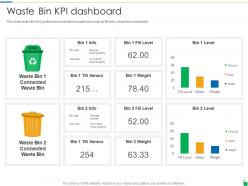
This slide covers the Key performance indicator for waste bins such as fill level, odour level and weight
People who downloaded this PowerPoint presentation also viewed the following :
Waste bin kpi dashboard snapshot waste disposal and recycling management ppt powerpoint layouts with all 2 slides:
Use our Waste Bin KPI Dashboard Snapshot Waste Disposal And Recycling Management Ppt Powerpoint Layouts to effectively help you save your valuable time. They are readymade to fit into any presentation structure.

FAQs for Waste bin kpi dashboard snapshot waste disposal and recycling management
Honestly, start with cutting waste at the source - that's where you'll see the biggest impact. Then build recycling and composting programs that don't confuse the hell out of people (seriously, some cities make it so complicated). Waste-to-energy plants are solid for whatever's left over, plus they generate power which is nice. Smart bins and route optimization help but they're not game-changers. Oh and definitely audit your current waste streams first - you might be surprised where you're bleeding efficiency. The fancy tech stuff gets all the attention, but getting the basics right matters way more.
Oh man, the tech stuff happening in recycling right now is wild. AI sorting systems are crushing it - they can spot different plastics and metals in seconds, way better than people ever could. Contamination rates are dropping like crazy because of it. There are apps now that actually tell you what you can recycle in your specific area (finally!), plus some blockchain thing that tracks materials through the whole process. Honestly feels like we're living in the future sometimes. For your facility though, I'd just test out one automated system first, see how much it actually helps before going all-in.
Honestly, waste management totally depends on regular people actually giving a damn. Sort your recycling right, cut back on buying random stuff you don't need, compost if you've got space. Your neighborhood matters too - local cleanup events, pressuring city hall for better programs, teaching people what goes where. I swear, cities can dump a million bins on every corner but if nobody uses them correctly, it's all pointless. Start by getting your own sorting game down first. Then maybe hit up a volunteer cleanup thing - they're usually pretty fun actually.
Honestly, bad waste management is such a mess for the environment. You've probably seen it in your own neighborhood - when trash isn't collected properly, it leaks nasty stuff into soil and water. Then there's all the air pollution from people burning garbage, plus methane from rotting food waste. Wildlife gets screwed over too with plastic everywhere and animals eating toxic junk. The really frustrating part is how it all builds up over time, making ecosystems weaker. If you're involved in any waste decisions, focus on decent collection systems and recycling programs - it actually prevents tons of damage down the road.
Honestly, do a waste audit first - you'll be shocked at what you're tossing that could be recycled or composted. Those coffee cups are the worst offenders! Get labeled bins set up for different stuff and train everyone on sorting. I'd also try reducing waste upfront by going paperless when you can and choosing supplies with less packaging. Partner with local recycling places too. Track it monthly and celebrate the wins with your team. Even tiny changes really add up over time, plus you'll save money.
Honestly, waste management is such an underrated money-maker. You'll slash disposal costs right off the bat, plus buying fewer raw materials when you start recycling stuff. The tax breaks are pretty sweet too - though I always forget about those until tax season hits. Your day-to-day operations get way smoother when you're not dealing with overflowing dumpsters or compliance headaches. Some companies even make decent cash selling their recyclables. I'd start with figuring out what you're throwing away the most - that's usually where the biggest savings are hiding.
Yeah so waste sorting rules are all over the place depending where you go. Germany and Japan are crazy strict - like you'll be sorting into 7+ different bins. Sweden just burns most stuff for energy which honestly seems way easier. South Korea does this pay-per-bag thing that's actually pretty smart for cutting down waste. The US is a total mess though, every city does something different. I'd definitely look up the specific rules early if you're dealing with international stuff because apparently the fines can be brutal if you mess it up.
Oh man, e-waste is such a mess right now. People just chuck their old phones in regular trash, which is awful because all that lead and mercury seeps into soil. We're talking millions of tons every year too. Your best bet is finding certified e-waste recyclers nearby - they actually know how to extract the valuable metals properly. Best Buy usually takes stuff, and most phone carriers have drop-off programs. Some companies are getting better about taking back their own products when they die. Honestly though, half the problem is people just don't know this stuff exists.
Bad waste management is seriously nasty for your neighborhood's health. Contaminated water, air pollution, disease-spreading bugs - the whole mess. Rats and flies love garbage piles, and they'll bring illness right to your door. Those toxic chemicals seep into drinking water too, which is terrifying if you ask me. Overflowing dumps smell horrible and pump out methane. You need proper pickup schedules, recycling programs, and safe disposal sites - that's what actually protects people. Your city council dragging their feet on this? Time to make some noise about better waste infrastructure.
Interface Inc. crushed this - they hit zero waste across 100+ facilities by completely rethinking their processes and recovery programs. Unilever did something similar with their whole global manufacturing thing. Both companies actually saved millions on disposal costs, which is honestly the best part. They prioritize prevention first, then reuse, recycling comes last. Smart approach if you ask me. I'd start with auditing your waste streams to see where you're bleeding money. That'll show you the biggest wins right off the bat.
Schools can totally change how kids think about waste - just gotta make it hands-on instead of boring lectures. Start with composting or recycling drives where students actually DO stuff. Clear recycling stations help too, plus teaching proper sorting (you'd be surprised how many people mess that up). Partner with local waste companies for field trips - kids love getting out of class. The cool thing is students bring this knowledge home to families, so you're reaching way more people. Don't try everything at once though. Pick one pilot program and see what works first.
So there's actually a bunch of stuff governments can do - extended producer responsibility laws make companies deal with their own product waste, which is pretty smart if you ask me. Landfill taxes work too. They've got mandatory recycling programs, plastic bag bans (remember when everyone freaked out about that?). Tax breaks for businesses using recycled materials help. Oh, and they crack down hard on illegal dumping with serious penalties. There's also waste-to-energy rules and requirements for separating organic waste. Honestly, I'd check what your local government's already doing first, then push for better enforcement of existing stuff.
Dude, composting is honestly genius. Your kitchen scraps and yard waste turn into amazing soil instead of rotting in some landfill making methane. It'll cut your trash by like 30% - I was shocked how little garbage I had after starting. The compost helps plants retain water and feeds all those good bacteria in the dirt. My tomatoes went crazy last year, though that might've been the extra rain too. Just grab a basic bin and try it. You'll notice way less trash pickup days, plus you get free fertilizer. Nature's pretty smart when you think about it.
NGOs are like the middleman between regular people and politicians on waste stuff. They lobby for better laws, organize those community cleanup days (you know the ones), and call out businesses being sketchy with their trash. What I think is cool is how they actually get locals involved in policy decisions instead of just talking over them. They also run tons of education programs about recycling and composting - honestly way more than the government does. If you want to get into waste advocacy, definitely start by finding a local environmental group to work with.
So there's basically four types of hazardous waste - stuff that ignites, corrodes, reacts badly, or is toxic. The paperwork alone is a nightmare compared to regular trash. You'll need permits, trained people, and documentation tracking everything. Normal waste? Chuck it in the dumpster. But hazardous materials need special containers, specific transport, and can only go to licensed disposal sites. The EPA is all over this because it can really mess up people and the environment. Oh, and check your facility's waste protocols to figure out what category your materials fit into - that's usually step one.
-
The Designed Graphic are very professional and classic.
-
Excellent products for quick understanding.
-
Excellent Designs.