


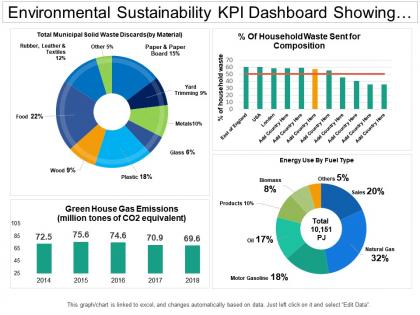
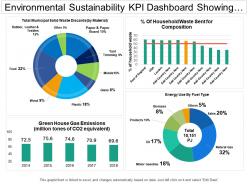
Environmental sustainability kpi dashboard showing municipal solid waste discard




Try Before you Buy Download Free Sample Product
 Impress Your
 Audience
 100%
100% Editable
 Save Hours
 of Time


Force the issue with our Environmental Sustainability Kpi Dashboard Showing Municipal Solid Waste Discard. Compel folks to arrive at a decision.
People who downloaded this PowerPoint presentation also viewed the following :
Environmental sustainability kpi dashboard showing municipal solid waste discard with all 6 slides:
Experience extreme delight with our Environmental Sustainability Kpi Dashboard Showing Municipal Solid Waste Discard. You will go completely gaga over them.
FAQs for Environmental sustainability kpi dashboard showing municipal
Honestly, start with the basics - reduce, reuse, recycle. Energy efficiency is huge too, like switching to LEDs (saves so much money btw). Pick suppliers who actually care about the environment, not just ones with fancy green marketing. Life cycle thinking sounds complicated but it's just considering how your stuff impacts the planet from start to finish. Getting your team and customers involved makes everything way easier - you can't figure this out alone. My advice? Start small. Maybe cut back on paper or upgrade your lighting first. Once you get some wins, momentum builds naturally and bigger changes don't feel as overwhelming.
Oh man, start with the easy wins first - LED lights everywhere and maybe upgrade that ancient HVAC if you can swing it. Remote work helps tons too, obviously. Transportation is where you'll see major changes though. Electric company cars or just pushing people toward public transit makes a difference. Supply chain gets messy but honestly that's your biggest opportunity. Find suppliers who actually care about this stuff and go local when it makes sense. Don't sleep on the boring stuff either - going paperless, cutting waste. Get an energy audit done first though. You'll probably find money leaks you never knew existed.
Dude, renewable energy is seriously a game-changer for the environment. Solar and wind don't run out like fossil fuels do, plus they're not constantly spewing carbon into the air. The climate impact alone is worth it. What's crazy is how much cheaper the tech has gotten - I was just reading about solar prices dropping like 85% in the last decade or something wild like that. If you're looking to actually make a difference, switching to renewables is probably the single biggest thing you can do. Way more impact than like, recycling or whatever.
Honestly, sustainability is changing everything right now. Customers - especially younger ones - will literally research your environmental practices before buying anything. They're also willing to pay more for eco-friendly stuff, which is pretty cool. The emotional connection with brands that actually care about the planet? It's real. But here's the thing - people can smell BS from a mile away. Companies that fake their green initiatives get absolutely roasted online. Your sustainability efforts have to be legit and measurable. No fluff, no empty promises. Just genuine action that customers can see and verify.
Honestly, waste management makes a massive difference for the environment. Poor sorting leads to methane from landfills plus toxins leaking into water and soil - it's pretty bad. But when you recycle and compost properly? You're keeping way more materials in circulation instead of just tossing everything. That's the whole circular economy thing vs the old take-make-throw-away approach. Start with a waste audit to see what you're actually discarding (might surprise you). Then set up better recycling and find local composting partners. Small changes add up fast.
Urban planning can seriously change how sustainable a city is. Think about it - when you build dense neighborhoods around train stations and bus lines, people just drive less naturally. Mixed-use zoning is huge too, so you're not commuting across town for everything. Green spaces and better stormwater systems beat the old concrete-everywhere approach (and honestly make places way more pleasant). Each planning choice ripples out to affect energy use and transportation patterns. I'd start by checking out your city's transit map - that'll show you where sustainable development actually makes sense instead of just randomly densifying.
Oh man, there's so much cool stuff happening right now! Carbon capture tech is literally sucking CO2 out of the air. Vertical farms use 95% less water than normal farming - crazy, right? Lab-grown meat is advancing fast, though I'm still not convinced it'll taste good lol. Smart grids are getting better at handling renewable energy distribution. AI waste sorting, algae-based plastics that actually break down, ocean cleanup systems - it's all moving pretty quick. For your company though? I'd honestly just start with energy management systems. They're boring but they work and you'll see results fast.
Honestly, you've gotta make it visible and actually worth people's time. Set clear goals that connect to what everyone's already doing, then make a big deal when teams nail their green targets. Skip the boring seminars - do hands-on workshops where people learn stuff they'll actually use. Leadership needs to show up, not just fire off emails about it. Green teams work great too, way better than forcing it from the top down. Actually, I'd probably test it with just one department first - see what sticks before rolling it out everywhere. Makes the whole thing feel less like another corporate initiative, you know?
Yeah, it's mostly money and time honestly. Those upfront costs hit different when you're small - LED bulbs are one thing, but solar panels? Oof. Plus you're already swamped, so researching which "green" certifications aren't total BS takes forever. Finding decent sustainable suppliers is rough too since they'd rather deal with companies ordering thousands, not dozens. I'd honestly just swap your lighting first and maybe track your waste for a month. Those actually save money pretty fast, then you can tackle the bigger stuff once you've got some wins under your belt.
So biodiversity is basically nature's backup plan, you know? More species = more stability. Each plant, animal, and tiny organism has its own job - pollination, pest control, keeping soil healthy. The whole web is super interconnected (honestly blew my mind when I first learned this). One species vanishes? Others can usually pick up the slack. For your sustainability thing, just focus on protecting local spots and native species. Even small stuff makes a difference in keeping these networks running smoothly.
Honestly, sustainable sourcing is such a smart move. You'll save money long-term and customers actually care about this stuff now - they're picking brands based on values. Your supply chain gets way more stable too since sustainable suppliers aren't dealing with crazy resource price swings. Plus these suppliers are usually the innovative ones who've figured out better efficiency tricks. Oh, and obviously it's better for the planet with less waste and emissions. I'd start by just looking at your current suppliers - see who already has sustainability certifications or green programs going.
Honestly, your car's probably doing the most damage, so walk or bike when you can. Also - and I know everyone says this - but cutting back on meat actually makes a bigger difference than you'd think. LED bulbs are cheap now and worth swapping out. Don't try to change everything though, that never works. Pick like 2-3 things you'll actually do consistently. Oh and buying less random stuff helps too - when you do buy something, get quality that'll last. Unplugging chargers and tweaking the thermostat a few degrees sounds boring but it adds up.
Honestly, government policies are what actually force change to happen - without them it's just wishful thinking. Like emissions standards make factories clean up whether they want to or not. Tax credits for solar panels? That's smart policy making green stuff cheaper so people actually do it. Carbon pricing works great in theory but gets so political it's painful to watch sometimes. Oh and definitely look into what local incentives exist for your projects - you might be surprised what's out there. Most companies won't go green just because it's nice.
Honestly, education campaigns work because people change when they actually get what's happening. Show someone how their car choice affects air quality and suddenly they're looking at hybrids. It's not rocket science - just make it relatable instead of preachy. The social aspect is huge too. Once your neighbors start composting or whatever, you don't want to be the one still throwing banana peels in regular trash. Focus on what clicks with your specific crowd though. Like, don't lecture college kids about retirement savings when they're eating ramen - meet people where they are.
Yeah, the upfront costs definitely sting at first - energy-efficient equipment and waste reduction programs aren't cheap. But honestly? Most businesses break even in like 2-3 years, then start making real money after that. Customers are way more into sustainable brands now, which helps with revenue. Tax breaks can be pretty sweet too, depending where you are. Oh, and your operating costs drop over time since you're using less energy and wasting less stuff. I'd probably start with an energy audit first - helps you figure out where you'll save the most money.
-
It saves your time and decrease your efforts in half.
-
Excellent work done on template design and graphics.