

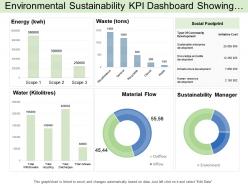
Environmental sustainability kpi dashboard showing social footprint and supply chain category





Try Before you Buy Download Free Sample Product
 Impress Your
Audience
 100%
Editable
 Save Hours
of Time


Experiment with fresh and creative ideas with our Environmental Sustainability Kpi Dashboard Showing Social Footprint And Supply Chain Category. Be able to draw benefits from brainstorming.
People who downloaded this PowerPoint presentation also viewed the following :
Environmental sustainability kpi dashboard showing social footprint and supply chain category with all 6 slides:
Canvas for your candidate with our Environmental Sustainability Kpi Dashboard Showing Social Footprint And Supply Chain Category. Increase the chances of being elected.


FAQs for Environmental sustainability kpi dashboard showing social footprint and
So basically it's three things: use less stuff, reuse what you already have, and don't screw over future generations. Pretty much just live within what the planet can actually handle instead of maxing out the credit card, you know? Focus on renewables over stuff that runs out, and think about where things go after you're done with them. I mean, waste is probably the easiest place to start - that or maybe switching up your energy habits. It sounds like a lot but honestly just pick one thing and go from there.
Honestly, just start with an audit of where you're actually hurting the environment most - energy, waste, supply chain stuff. Renewable energy's a game changer if you can swing it. Get your team trained up because they won't care unless they understand why. The whole paperless office thing is kinda meh, but cutting down packaging? That actually moves the needle. Pick suppliers who aren't total jerks about sustainability too. I'd say start with maybe two things, see what works, then build from there. Oh, and logistics optimization saves money AND the planet - win-win.
Okay so renewable energy is huge for the environment - you're generating power without trashing ecosystems or spewing carbon everywhere. Solar, wind, hydro can basically run forever. Meanwhile fossil fuels are just... ugh. When you switch to renewables, you're cutting emissions and reducing all that nasty air pollution. Plus it helps protect natural habitats which is honestly something we should've been doing ages ago. The more people adopt this stuff, the less we rely on the gross alternatives. Check if your company can switch energy providers - it's easier than you'd think.
Honestly, what you buy every day is huge for the environment. Companies actually change pretty fast when they see what people want - like, way faster than you'd think. Your wallet is basically your vote for the kind of world you want. Buy from eco-friendly brands, skip disposable stuff when you can, or just buy less overall. Even boring choices like local produce or less packaging matter when tons of people do it. I'd say pick one thing that's easy to switch and start there. Don't try to overhaul everything at once or you'll burn out.
Oh this is actually easier than it sounds! Start with whatever your neighbors already care about - like if everyone's obsessed with their lawns, push native plants and rain gardens. Community gardens are huge wins, plus tool libraries so we're not all buying the same leaf blower (seriously, why does every house need one?). Bike lanes and better buses help tons with the car situation. You can also get people fired up about group composting or those renewable energy co-ops. Cleanup events are good for building momentum too. Pick one thing first though - don't try to save the world all at once.
Dude, policies are basically what force companies to actually care about the environment. Without regulations like carbon taxes and emissions standards, most businesses would just ignore sustainability completely - why spend money if you don't have to, right? There's also the carrot approach though. Tax breaks for renewable energy, grants for green tech development. Companies love free money. It's pretty cynical but that's how it works - follow the regulatory paper trail and you'll see exactly why any industry does what it does environmentally. Money talks, regulations make them listen.
Honestly, transportation's probably your biggest hit. Walk or bike when you can - I know it's not always realistic but even cutting a few car trips helps. At home, LED bulbs are cheap and unplugging stuff actually matters more than people think. Diet-wise, less beef makes a huge difference (chicken's way better carbon-wise). But here's what really gets me - we just buy too much crap. All that manufacturing and shipping adds up fast. I'd start with whichever feels easiest and go from there.
Skip the boring lectures - students zone out anyway. Make it hands-on instead. Solar panels, composting programs, waste challenges they can actually see working. Let them run energy audits or start campus gardens. The magic happens when they're leading projects, not just hearing about them. Weave sustainability into regular classes too, not just environmental stuff. Honestly? Give students real ownership and watch them come up with ideas you'd never think of. They're way more creative than we give them credit for sometimes.
Man, where do I even start? Climate change is probably the scariest one - all these crazy weather patterns and temperatures going nuts. We're also losing species like crazy, which honestly breaks my heart a bit. Plus we're burning through resources way faster than the planet can keep up. Don't get me started on plastic pollution everywhere. The whole mess gets trickier when you think about poorer countries trying to grow their economies while also protecting the environment. That's a tough balance. Your best bet? Support companies doing that circular economy stuff - you know, actually reusing materials instead of the whole "make it, trash it" cycle.
So biodiversity is basically nature's backup plan. More species = way more stability when things go sideways. Like, if one plant or animal gets wiped out, others can jump in and do similar jobs. The whole web stays intact. Plus diverse ecosystems are just better at everything - nutrient cycling, pollination, keeping pests in check. I remember reading somewhere that protecting habitats with lots of variety gives you the biggest payoff over time. It's wild how interconnected everything is when you really think about it.
Precision agriculture is absolutely crushing it right now. GPS tractors that only drop fertilizer where it's actually needed, drones checking crop health, soil sensors - the whole nine yards. Vertical farming is insane too, using like 95% less water while growing stuff year-round indoors. Gene editing's helping crops fight off drought and pests without tons of chemicals. Oh, and cover cropping is huge for rebuilding soil naturally. Honestly, check out what John Deere's doing with their smart equipment - plus Plenty if you want to see vertical farming done right. It's wild how fast this stuff is moving.
So basically, sensors are like having eyes everywhere - they track air quality, water pollution, all that stuff in real-time. Satellites catch deforestation before it gets out of hand. There are apps now that'll track your carbon footprint, which is honestly pretty eye-opening when you first try it. Smart meters help optimize energy usage too. The visualization tools make it way easier to spot trends and explain findings to your team. I'd start by figuring out which metrics actually matter to your org, then find some affordable monitoring tech to get baseline data. AI prediction stuff is getting crazy good at catching problems early.
The ROI is actually pretty decent if you think long-term. Energy efficiency upgrades usually pay for themselves in like 2-3 years, which is nice. You'll cut operational costs by 20-30% through lower energy bills and less waste fees. What surprised me though? It helps with hiring - people actually want to work for companies that give a damn about this stuff. Same with customers. Oh, and you're protected against future regulations getting stricter, which they definitely will. Start small with the energy stuff first since those wins are easiest to track.
Mixed-use neighborhoods are where it's at - people can walk to work and grab groceries without needing a car for everything. Green roofs and urban trees actually make a huge difference for cooling things down (plus they handle stormwater). I'd focus on building up near transit stations instead of sprawling out. Honestly, energy-efficient building codes should be a no-brainer by now. Map out your city's worst environmental problems first, then tackle solutions that fix multiple issues. Dense development might sound intimidating but it's way better than endless suburbs.
Okay so basically freshwater isn't unlimited - we're burning through it way faster than nature can replace it. Fixing leaks and getting efficient appliances might seem tiny, but that stuff actually adds up across whole neighborhoods. Honestly, I didn't realize how much energy it takes just to treat and pump water until recently. Every time you save water, you're also cutting down on electricity use and reducing the wastewater that needs processing later. It's all weirdly connected. Plus your kids won't hate you for leaving them a dried-up planet, which is nice.
-
Best Representation of topics, really appreciable.
-
Qualitative and comprehensive slides.