

Why What How Three Circles With Icons Text Boxes Target Knowledge Management




Try Before you Buy Download Free Sample Product
 Impress Your
 Audience
 100%
100% Editable
 Save Hours
 of Time


Avoid force feeding with our Why What How Three Circles With Icons Text Boxes Target Knowledge Management. Your thoughts are easily digested.
People who downloaded this PowerPoint presentation also viewed the following :
Why What How Three Circles With Icons Text Boxes Target Knowledge Management with all 10 slides:
Our Why What How Three Circles With Icons Text Boxes Target Knowledge Management are happy to be of assistance. They are glad to lend a hand.



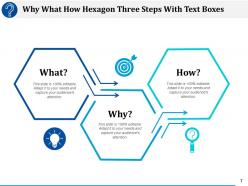
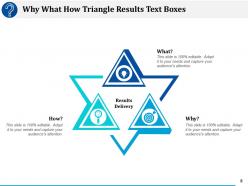
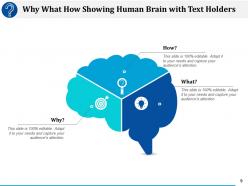

FAQs for Why What How Three Circles With Icons Text Boxes
Honestly, start by figuring out what knowledge you already have floating around - don't build from scratch if you don't need to. You'll want the basics: document storage, wikis, searchable databases. But here's the thing - organization is only half the battle. People need to actually know this stuff exists and how to find it (I've seen too many companies with amazing knowledge bases that nobody uses). Set up clear ownership too, because outdated info is worse than no info. Oh, and make sharing dead simple - if it's a pain to contribute, people just won't.
Honestly, start with just 2-3 metrics that actually matter to your business goals - don't go crazy measuring everything. The hard numbers are obvious stuff: how fast people find info, whether your knowledge base gets used, onboarding times. But the soft stuff is equally important, maybe more so? Survey your teams about whether they can actually get to expertise when they need it. Look at collaboration improvements and knowledge flow between departments. Oh, and definitely track retention of your key knowledge people - you don't want all that institutional wisdom walking out the door. The qualitative feedback often tells you more than spreadsheets do.
Honestly, the right tech can be a game-changer for knowledge sharing. Slack or Teams work great for quick back-and-forth stuff. Set up a shared wiki so people actually document things instead of hoarding info in their heads (we've all worked with *that* person). Cloud storage is clutch - no more "oh it's on my laptop at home" excuses. Video calls help when you need to walk someone through something complicated. Don't go crazy picking the shiniest tools though. Pick one thing your team will actually stick with, get everyone using it consistently, then add more later.
Dude, culture beats fancy tools every single time when it comes to knowledge management. People have to actually *want* to share what they know instead of guarding it like some secret treasure. Leadership needs to reward teamwork over the lone wolf thing too. I've watched companies blow serious cash on these amazing platforms that just sit there empty - it's honestly painful to see. You need psychological safety first, where people aren't scared to admit their screwups. That's where the real learning happens. Celebrate when people share stuff and you'll get way more buy-in.
Make it actually rewarding first - thank people publicly, give small bonuses, whatever works. Your system better be dead simple or nobody's touching it. I'd train managers to ask "what'd we learn here?" after every project and actually build doc time into the schedule. Show people how sharing knowledge helps their own career, not just the company. Gamify it maybe? Leaderboards can be cheesy but they work. The whole thing falls apart if it feels like extra homework dumped on top of everything else.
Honestly, the biggest pain is usually people hoarding their knowledge because they think it keeps them valuable. Can't blame them, but it's such a headache. Leadership never gets how much time this stuff actually takes either - they think you can just flip a switch. Oh, and everyone picks these overly complicated platforms that nobody wants to use daily. Getting people to document anything is like pulling teeth since they're always "swamped." Start with whoever's actually excited about it first. Prove it works with them before trying to force it on the whole company.
Dude, AI can totally change how you handle knowledge at work. Start with something simple like AI-powered search - way better than whatever clunky system you probably have now. It'll actually find stuff instead of giving you 500 random results. You can also get chatbots that pull answers straight from your docs, plus it'll auto-tag content and spot patterns in what your team searches for. Honestly, the predictive suggestions are pretty sweet - it knows what you need before you do. Don't go crazy though, test one tool first and see if people actually use it.
So explicit knowledge is basically anything you can write down - manuals, procedures, that kind of stuff. Tacit knowledge? That's the tricky part. It's all the experience and intuition sitting in people's heads that they can't really explain well. Like, anyone can follow a pasta recipe, but knowing when it's perfectly al dente just comes from doing it a thousand times, you know? For explicit stuff, just use good documentation systems. Tacit knowledge needs mentoring programs and job shadowing - honestly, this part's way harder. The real challenge is getting experts to share what they know before they retire or leave. Interview them, make videos, whatever works.
Think of it this way - when your team captures what they know and shares it around, people stop wasting time solving the same problems twice. You're basically building up your company's memory so it doesn't suck. Document the wins, the failures, all of it. Then make sure people can actually find this stuff when they need it (shocking how often this gets overlooked). Start small though - figure out where your biggest knowledge black holes are and tackle those first. Your teams will thank you when they can innovate instead of constantly reinventing things.
Do quarterly reviews where you check what's still relevant vs totally outdated. Most teams completely fail at this part - they build amazing knowledge bases then abandon them! Get feedback from people actually using it about what they can't find. Put expiration dates on content and make specific people responsible for different sections. Also create an easy way for anyone to report wrong info. The trick is building updates into someone's actual job duties instead of just crossing your fingers it'll happen. Oh and definitely don't let it turn into one of those ghost wikis nobody touches.
So basically, instead of making decisions in the dark, knowledge management lets you tap into all the good stuff your company already knows. Past projects, lessons learned, who to ask when you're stuck - it's all there. Think of it like having that one friend who actually remembers everything (we all need one of those, right?). The trick is getting people to document what they've learned and organizing it somewhere useful. Honestly, most places are terrible at this part. But when it works? You stop repeating the same mistakes and can actually build on what's already been figured out.
Honestly, first thing is getting one central spot where people can actually find stuff - wiki, SharePoint, whatever works. Stop the "Final_FINAL_v2" madness and standardize how you name things. Document processes when they're happening, not after Steve quits and takes all the knowledge with him. Don't just write steps - explain WHY you do things that way. Someone needs to own each section or it'll get outdated fast. Oh, and make adding to it part of people's regular work, not something they'll do "when they have time" (spoiler: they won't).
Oh dude, knowledge management is a game changer for this stuff. Basically you build this searchable database with all your processes, FAQs, training docs - even screen recordings of common tasks. New hires can actually find answers themselves instead of asking the same questions over and over. Your current team will thank you because they won't get pinged constantly with "how do I do this?" messages. The tricky part is keeping everything organized in a way that makes sense to someone brand new. Also don't forget to update it regularly or it becomes useless fast.
Look, first thing - don't share sensitive stuff without asking. That's just basic respect. You'll also want to watch out for IP issues, whether it's your company's or someone else's. Power games are real too - some people hoard info to stay important (honestly, so annoying). Think about who could misuse certain knowledge if they got access. Set up clear rules about what gets shared and with who. Oh, and do a quick audit of what you're doing now - you might spot issues you hadn't noticed before.
Knowledge management helps you beat competitors because your company learns faster and stops making the same expensive mistakes over and over. You'll onboard new hires quicker and make smarter decisions based on what worked before. When good employees leave (ugh, hate when that happens), you don't lose everything they knew. Customers get better service too since everyone can access the same proven solutions and best practices. Start simple - figure out what your star employees know that others don't, then create a system to capture and share it.
No Reviews