


Workforce Flow Mapping Human Resource Planning Powerpoint Presentation And Google Slides ICP




Try Before you Buy Download Free Sample Product
 Impress Your
 Audience
 100%
100% Editable
 Save Hours
 of Time


Workforce Flow Mapping Human Resource Planning is a powerful tool for optimizing the efficiency of your organizations human resources. This presentation will provide an overview of how Workforce Flow Mapping can be used to improve the effectiveness of your HR planning. It will discuss the benefits of mapping out each employees role, responsibilities, and skills, as well as the advantages of using this type of mapping to identify gaps in workforce capabilities. It will also provide insight into how to use the data gathered from the mapping process to make informed decisions about staffing, training, and other HR initiatives. Finally, it will discuss how to implement Workforce Flow Mapping into your organizations HR planning process.
People who downloaded this PowerPoint presentation also viewed the following :
Workforce Flow Mapping Human Resource Planning Powerpoint Presentation And Google Slides ICP with all 18 slides:
Use our Workforce Flow Mapping Human Resource Planning Powerpoint Presentation And Google Slides ICP to effectively help you save your valuable time. They are readymade to fit into any presentation structure.












FAQs for Workforce Flow Mapping Human Resource Planning Powerpoint Presentation And
Workforce flow mapping delivers enhanced operational efficiency, improved resource allocation, reduced bottlenecks, better talent utilization, and increased organizational transparency. Through systematic visualization of employee movements and processes, organizations streamline workflows, minimize redundancies, and accelerate decision-making, with many companies finding that strategic workforce mapping ultimately provides significant competitive advantage and cost reduction.
Workforce flow mapping improves productivity and engagement by identifying bottlenecks, streamlining processes, and optimizing task allocation across teams and departments. This strategic approach enables organizations to eliminate redundancies, reduce wait times, and enhance collaboration, with many companies finding that clearer workflow visibility ultimately delivers higher employee satisfaction and operational efficiency.
Effective workforce flow mapping tools include Lucidchart, Microsoft Visio, Miro, Process Street, and specialized HR platforms like BambooHR and Workday. These technologies streamline visualization by offering drag-and-drop interfaces, real-time collaboration features, and integration capabilities, with many organizations finding that cloud-based solutions deliver enhanced accessibility and seamless team coordination.
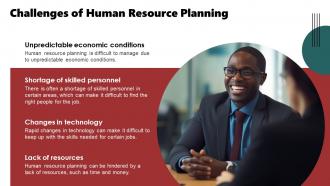
Common challenges include data silos across departments, inconsistent role definitions, tracking remote and hybrid workers, capturing informal workflows, and maintaining real-time accuracy as teams evolve. These complexities often result in incomplete visibility into talent movement, resource allocation gaps, and difficulty identifying bottlenecks, with many organizations finding that outdated mapping systems hinder strategic workforce planning and operational efficiency.
Involving employees in workforce flow mapping requires conducting structured interviews, facilitating cross-functional workshops, and implementing feedback sessions to capture ground-level insights and process variations. Through collaborative mapping sessions and digital survey tools, organizations enhance accuracy while building employee buy-in, with many companies finding that frontline participation reveals critical bottlenecks and improvement opportunities management might otherwise overlook.
**INPUT**: What data should be collected and analyzed to create an accurate workforce flow map? **OUTPUT**: Essential data includes employee demographics, role transitions, tenure patterns, departmental movements, and skill progression tracking across organizational levels. These datasets enable organizations to identify bottlenecks, predict succession gaps, and optimize talent allocation, with many companies finding that comprehensive flow mapping streamlines workforce planning and enhances retention strategies. [Word count: 50 words]
Workforce flow mapping contributes to better talent management by visualizing career pathways, identifying skill gaps, and tracking employee progression patterns across departments and roles. Through comprehensive mapping, organizations streamline succession planning, enhance internal mobility opportunities, and optimize resource allocation, with many companies finding that clear career trajectories significantly improve retention rates and accelerate leadership development initiatives.
Technology streamlines workforce flow mapping through automated data collection, real-time analytics, predictive modeling, and interactive visualization platforms. These digital tools enable organizations to track employee movements, identify bottlenecks, and optimize resource allocation more efficiently, with many companies finding that integrated systems deliver faster decision-making and enhanced operational transparency.
Yes, workforce flow mapping effectively identifies skill gaps by analyzing current employee capabilities, tracking career progression patterns, and mapping competencies against future organizational needs. Through systematic assessment of talent movement and skill distribution across departments, organizations can pinpoint areas where expertise is lacking, anticipate future shortages, and develop targeted training programs, ultimately enabling more strategic workforce planning and competitive advantage.
Keeping workforce flow maps relevant requires regular reviews, continuous data updates, and stakeholder feedback integration to reflect organizational changes, role evolution, and process improvements. Organizations typically conduct quarterly assessments while incorporating real-time feedback from managers and employees, ultimately ensuring these maps accurately guide talent decisions and maintain their strategic value in an increasingly dynamic business environment.
Healthcare systems, manufacturing companies, retail chains, financial services firms, and logistics organizations have successfully implemented workforce flow mapping to optimize staffing patterns and operational efficiency. These industries leverage workforce mapping to reduce bottlenecks, improve resource allocation, and enhance customer service delivery, with many finding that strategic workforce visualization ultimately delivers significant cost savings and competitive advantage.
Workforce flow mapping assists crisis management by identifying critical personnel pathways, backup resources, skill redundancies, and communication channels before disruptions occur. During crises, organizations can quickly reassign talent, maintain essential operations, and minimize downtime, with many companies finding that pre-mapped workforce flows enable faster recovery and sustained business continuity.
Best practices for presenting workforce flow maps include using clear visual hierarchies, standardized symbols, interactive elements, and role-based customization for different stakeholder groups. These approaches enhance comprehension by highlighting critical pathways, bottlenecks, and optimization opportunities, with many organizations finding that tailored presentations to executives versus operational teams deliver more actionable insights and faster decision-making.
Workforce flow mapping influences HR decision-making by providing visual insights into talent movement patterns, identifying bottlenecks in promotion pathways, and revealing skills gaps across departments. Through detailed flow analysis, organizations streamline recruitment strategies, enhance succession planning, and optimize resource allocation, with many companies finding that comprehensive mapping ultimately delivers improved retention rates and more strategic workforce development initiatives.
Key metrics include employee throughput rates, process bottleneck identification, resource utilization percentages, time-to-completion for workflows, and cross-functional collaboration effectiveness. These measurements enable organizations to streamline operations, reduce workflow delays, and optimize talent allocation, with many companies finding that systematic tracking delivers improved productivity and enhanced operational efficiency.
-
Loved the collection. Editing the presentation was seamless with their templates.
-
I had them make a presentation for an office retirement party. They were very helpful in understanding what we wanted and delivered the perfect presentation. Highly recommended!