


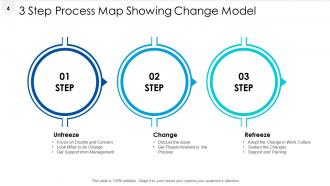
3 Step Process Map Change Plan Model Business Employee Training




Try Before you Buy Download Free Sample Product
 Impress Your
 Audience
 100%
100% Editable
 Save Hours
 of Time


Elaborate on the injunction with our 3 Step Process Map Change Plan Model Business Employee Training. Convince folks about the court's decision.
People who downloaded this PowerPoint presentation also viewed the following :
3 Step Process Map Change Plan Model Business Employee Training with all 13 slides:
Convince folks about the court's decision with our 3 Step Process Map Change Plan Model Business Employee Training. Be able to elaborate on the injunction.
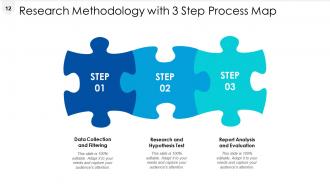

FAQs for 3 Step Process Map Change Plan Model
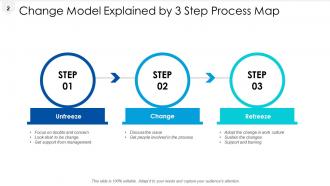
Honestly, it's all about talking to people like humans. Don't just tell them what's changing - explain why it matters. I've definitely screwed this up before by surprising my team with changes instead of bringing them in early. Timing is everything too. You can't just dump everything at once and expect it to work. Give people space to adjust, offer training when they need it, and actually celebrate the small stuff along the way. Oh, and figure out who's gonna be hit hardest by the changes first. Have those tough conversations early - it'll save you headaches later.
Dude, leadership can totally make or break this stuff. If they just fire off one email then vanish? You're screwed. Your leaders need to actually show up and explain WHY this change matters - like really get in there with the team. I've watched so many initiatives crash because executives treated it like checking a box. People can smell fake commitment from a mile away, honestly. When leaders demonstrate the change themselves every day, that's when buy-in happens. Short version: if your leadership team isn't aligned and walking the walk daily, expect major pushback.
Honestly, communication can make or break the whole thing. People need to know WHY this is happening and what's actually in it for them. Don't just assume they'll figure it out - trust me, they won't. They'll just assume the worst instead. I've watched so many changes crash and burn because leadership thought everyone was on the same page without actually explaining anything. Talk to your team early and often. Use email, meetings, whatever works. But here's what really matters - let them ask questions and complain a bit. Two-way conversation is everything.
Honestly, most companies mess this up by not getting baseline data first - then they're confused when their numbers look weird later. Start with pulse surveys before you change anything. During the transition, do focus groups and have managers check in one-on-one with their people. Track the obvious stuff too like sick days and turnover rates. Monthly surveys work well - just 3-5 questions about stress, confidence, communication. But here's the thing: if you don't actually do something with their feedback, people will stop responding. I've seen that happen so many times. Also watch meeting participation and who's showing up to company events.
Honestly, resistance from employees is your biggest headache. Poor communication too - and if leadership isn't actually backing you up, forget it. People hate change when they don't get the "why." I've watched this kill projects left and right. So communicate the vision constantly, almost annoyingly so. Make sure your leaders are visibly involved, not just nodding along in meetings. Try to get employees involved in planning when you can - they'll buy in more if they helped build it. Oh, and find your office influencers first. Get them excited and they'll do half your work for you.
Honestly, tech makes change management way less painful. Slack or Teams keeps everyone on the same page - no more endless email chains about who's confused about what. I'd grab a project management tool first since tracking adoption rates will save your sanity. Digital training platforms are clutch for getting teams up to speed without scheduling a million meetings. Analytics dashboards show you if people are actually using the new processes or just pretending they are. Don't go crazy implementing everything though - pick whatever fixes your biggest headache first.
Honestly, get them involved from the very start - don't just dump changes on people and expect them to smile about it. Figure out what's actually in it for each person and tackle their worries directly. Skip the corporate BS when you communicate; everyone's tired of that anyway. Set up regular meetings where they can genuinely shape decisions, not just nod along to yours. Quick wins are your friend - share them early so people see this stuff actually works. Oh, and find those natural advocates in each team who'll have your back when you're not around. Those champions are worth their weight in gold.
Look, you've got to make it part of the actual workflow - not some side project people remember when they feel like it. Update your processes and definitely fix the reward systems because honestly, people will just go back to whatever gets them recognized or promoted. I'd put someone in each team who can catch backsliding before it becomes a thing. Celebrate wins early and keep explaining the "why" even when you're sick of talking about it. Oh, and don't underestimate how much people hate change - the communication part takes way longer than you think it will.
Honestly, hands-on workshops are your best bet - people need to actually use the system, not sit through boring slides. Train a few key people first who can become your go-to experts later. That approach saves you so much time down the road. Job shadowing works great too, plus step-by-step guides they can reference. Oh, and short video tutorials if the process is complicated. Test everything with a small group first though - you'll quickly see what clicks and what doesn't. Then just expand from there once you've got it figured out.
Dude, culture is everything when you're trying to change stuff at work. Some places are super rigid about hierarchy - good luck getting buy-in there. Others actually want people taking risks and trying new things. You've gotta figure out how your team communicates first. Are they straight shooters or do you need to sugarcoat everything? Do decisions usually come from the top, or does everyone get a say? I learned this the hard way once - tried the same approach with two different departments and it was a disaster with one of them. Bottom line: read the room first, then adjust your strategy.
Honestly, just get out in front of it before people start panicking. Talk to your team early about what's happening and why - don't wait until the last minute. Let them help with planning if you can, and actually listen when they're freaking out about stuff. Nobody likes having changes shoved down their throat without warning. Oh, and don't forget the emotional piece! Logic alone won't cut it. Find those people who are naturally on board and get them talking to the skeptics. Your leadership better be backing this thing consistently too, or you're screwed.
So basically you want to catch problems early instead of realizing everything's gone sideways three months later. Keep asking people - your team, stakeholders, whoever - how things are actually going. Then actually DO something with what they tell you (this part's harder than it sounds). Short check-ins work great, or those quick pulse surveys. I even know managers who just grab coffee with people to see what's up. Way better than crossing your fingers and hoping for the best. It's honestly like having a GPS instead of wandering around lost.
Think of data analysis as your best guess at what's coming - way better than just winging it. Look at what happened with past changes, track stuff like how engaged people are, and run some what-if scenarios. Obviously it's not foolproof, but beats going in totally blind. You'll want both the hard numbers and the softer feedback people give you. Honestly, I'd pick maybe 3-5 things that really matter for your specific situation and just stay consistent tracking those. Short sentences work. Don't overcomplicate it.
Honestly, the key is making those small wins actually *visible* - not just mumbling "nice work" as you walk by. I'd do team-wide emails calling out specific stuff people accomplished, or maybe create some digital board where everyone posts their progress. Pizza parties are weirdly effective too (free food = instant morale boost). Be specific about what they did right and tie it back to your bigger goals. Weekly check-ins work great for this. People need to see they're actually moving forward instead of drowning in endless change mode, you know?
Honestly? Poor communication tanks change efforts every single time. People need to know WHY things are changing, not just WHAT is changing. Plus you can't just announce something and bounce - they want to feel heard. Most leaders totally underestimate how much people will resist (even good changes, weirdly). Getting key stakeholders involved early makes a huge difference. Oh, and leadership commitment? If it wavers at all, everyone notices immediately and the whole thing falls apart. Bottom line: communicate way more than feels necessary, bring people into the planning process, and leadership needs to stay visibly committed when it gets rocky.
No Reviews