


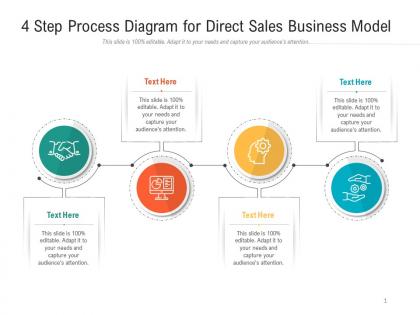
4 step process diagram for direct sales business model infographic template




Try Before you Buy Download Free Sample Product
 Impress Your
 Audience
 100%
100% Editable
 Save Hours
 of Time


Our 4 Step Process Diagram For Direct Sales Business Model Infographic Template are topically designed to provide an attractive backdrop to any subject. Use them to look like a presentation pro.
People who downloaded this PowerPoint presentation also viewed the following :
4 step process diagram for direct sales business model infographic template with all 2 slides:
Use our 4 Step Process Diagram For Direct Sales Business Model Infographic Template to effectively help you save your valuable time. They are readymade to fit into any presentation structure.
FAQs for 4 step process diagram for direct sales business
Dude, the money's way better - you're not splitting profits with retailers so you actually keep what you earn. Plus you own the whole customer experience, which is huge. Want to change your prices or test something new? Just do it, no waiting around for some buyer to approve stuff. Getting direct feedback from customers is pretty sweet too instead of hearing it secondhand from stores. Only real pain is you're stuck doing all the shipping and handling yourself - though honestly if you can figure that part out, the extra cash makes it totally worth it.
Honestly, direct sales is way better for building real relationships. You're talking to people one-on-one instead of hiding behind some website or retailer. Personal connections matter - you actually get what they need and can customize your approach. People love having direct access to ask questions or complain (and trust me, they will). Short sentences work here. What's cool is you hear feedback instantly rather than guessing what customers want. The trick though? Actually help them instead of being pushy. Those personal bonds end up being your secret weapon against bigger competitors.
Honestly, direct sales is brutal for finding good people - turnover's gonna be crazy high. Most reps quit because the work demands so much self-discipline. Plus you're fighting this whole reputation thing where people think you're running some sketchy pyramid scheme or training pushy salespeople. Your comp structure gets messy fast too. Training costs will eat into your budget since each rep is basically running their own little business (which sounds cool but creates headaches). Oh, and building company culture when everyone's scattered? Good luck with that. Focus on fair compensation though - that's what keeps the decent ones around.
Dude, get a CRM first - seriously, it'll change everything. You won't lose track of leads anymore and the follow-up reminders are clutch. Social media beats knocking on doors any day, plus mobile apps let you close deals right there on the spot. The analytics stuff is where it gets really cool though - you'll start seeing patterns in what your customers actually want instead of just winging it. Oh, and if you're doing MLM, the downline management features are pretty solid too. I probably should've mentioned this earlier, but start simple and don't go crazy with all the bells and whistles at first.
Honestly, you'll want stuff that people need to actually see working. Skincare and makeup are huge because you can show results. Kitchen gadgets are great too - who doesn't love a good demo? Health supplements work well since people have tons of questions about that stuff. The key is picking things with good margins that'll get customers coming back. I mean, you're not just selling once and disappearing, right? Home goods can be solid too. Really though, stick with products you'd actually tell your friends about - makes the whole thing way more natural.
Look, your reps need solid training or they'll keep bombing deals. Product knowledge is huge - they can't sell what they don't understand. But here's what really matters: teach them to handle objections without getting flustered. Most salespeople crumble the second someone says "I need to think about it." Time management's another biggie. They waste hours chasing dead-end leads instead of focusing on real prospects. Oh, and don't just train them once during onboarding - that's useless. Set up regular practice sessions and role-playing stuff. Keeps everyone sharp when the market shifts or new competitors pop up.
Honestly, you can't really do direct sales without social media anymore. Pick Instagram, Facebook, or TikTok - whatever you actually use already. Post demos, before/after pics, customer stories. The trick is being real instead of constantly selling at people (nobody likes that). I mean, it beats having to cold-call strangers like our parents did! Build actual relationships first. Comment on stuff, do lives, share behind-the-scenes content. Focus on one platform and get good at it before spreading yourself thin everywhere.
Your comp structure literally makes or breaks whether reps stay or bail. I'd set up tiered commissions so they can see exactly how grinding harder equals bigger paychecks. Multiple income streams work best - base pay, bonuses, team incentives. That way people aren't just chasing quick deals and burning themselves out. The real trick? Balance immediate rewards with long-term growth opportunities. Most reps will bounce the second they hit a ceiling or can't see better money down the road. Oh, and make sure advancement paths are crystal clear - nobody wants to guess how to level up their earnings.
Compensation transparency is huge - that's where companies usually mess up first. Your reps need to know they're not employees, and there's a big difference between selling actual products vs just recruiting people. The recruitment-heavy stuff honestly makes everyone look sketchy. I'd focus way more on product value than building downlines. Be real about how much time and effort it actually takes to make money - like, brutally honest. Oh, and set rules for how they can market your brand. You don't want reps making wild promises that'll bite you later.
Your sales reps are already talking to customers one-on-one, so use that! Train them on what feedback to collect - complaints, feature requests, all of it. Make reporting back super easy for them. You could also do quick surveys or customer panels. Honestly, the hardest part isn't gathering the info, it's actually doing something with it. Someone needs to look for patterns and turn that feedback into real changes. Oh, and follow-ups are perfect opportunities since people are more honest after they've used your product for a while.
Dude, focus on the metrics that actually matter for your business. Customer acquisition cost and lifetime value are huge - they show if you're building real relationships or just burning through people. Monthly recurring revenue tells the real story too. Honestly? I see way too many people getting obsessed with follower counts when they should be watching conversion rates at each sales stage. If you've got a team under you, track their productivity numbers. Average order value is another big one I almost forgot. Start there and you'll know what's actually working vs what's just noise.
Here's the thing - direct sales is all about those personal connections you can't get at Target. Your reps become like trusted friends who actually know what customers want. Face-to-face conversations build real emotional bonds. You can offer exclusive stuff, personalized picks, make people feel VIP. It's basically like having your own shopping buddy, if that makes sense? Train your team to genuinely care about relationships instead of just hitting quotas. That loyalty will come naturally once people trust you.
Honestly, it's all about reading the room in each market. Companies usually mess with their commission rates first - gotta match what people actually earn there. Product-wise, you can't just dump the same stuff everywhere and expect it to work. Some places are super relationship-heavy where you're basically making friends before selling anything (which takes forever but whatever). Others just want you to cut to the chase. Oh and social media strategies are totally different depending on which platforms people actually use. I'd definitely dig into local buying habits and regulations before jumping in anywhere new though.
Look, when you're doing direct sales, understanding consumer trends is everything. You're literally face-to-face with people, so you better know what they want before someone else does. The cool thing is you can pivot super quickly - like when everyone got obsessed with wellness or going green. No retail stores slowing you down, which honestly gives you a huge edge. Your sales team becomes your secret weapon here. They're hearing what customers really think during actual conversations. Most companies would pay big money for that kind of feedback, but you're getting it for free. Train them to pick up on these shifts and you'll stay way ahead of the competition.
Honestly, hire people who already know folks in your market - they've got instant credibility and actual connections to tap into. Find the naturally social ones who genuinely love your product because fake energy is so cringe. Skip drowning new hires in training docs. Pair them with your best performers instead - shadowing beats PowerPoints every time. Give them tiny wins in month one to build momentum. Oh, and be brutally honest about when they'll actually start making decent money. Those awkward "so when do I get paid" convos are the worst. Trust me on this one.
-
Good research work and creative work done on every template.
-
Attractive design and informative presentation.
-
The Designed Graphic are very professional and classic.
-
Unique research projects to present in meeting.