


Advertising media planning and strategy powerpoint presentation slides




Try Before you Buy Download Free Sample Product
 Impress Your
 Audience
 100%
100% Editable
 Save Hours
 of Time


Want to strategize and plan your media advertising? Do not worry, our professional team has made 55 slides pre-designed Advertising Media Planning And Strategy Powerpoint Presentation Slides. This content-ready well crafted media advertising PPT sample deck cover topics like about the product, communication strategy, audience research, key timelines and deadlines, media objectives, target audience, media KPI development, communication goals, media mix optimization, campaign performance, agency performance, marketing strategy, media budget, geographical segmentation and many more. Not only this, by using this media planning and strategy PPT deck graphics, you can also represent various other topics like sales cycle, seasonal insights, core strategic audience, setting campaign metrics, our mission, our team, about us, our goal, comparison, quotes, location, etc. So, without waiting anymore, download our Advertising Media Planning And Strategy Presentation Slides and give a boost to your products and services with the right advertising plan. Handle areas demanding caution with our Advertising Media Planning And Strategy Powerpoint Presentation Slides. Display the desired degree of care.
People who downloaded this PowerPoint presentation also viewed the following :
Content of this Powerpoint Presentation
Slide 1: This slide introduces Advertising Media Planning And Strategy. State your company name and begin.
Slide 2: This slide shows Agenda. You can add your company agenda and use it accordingly.
Slide 3: This is About The Product slide. Present product specifications, information etc. here.
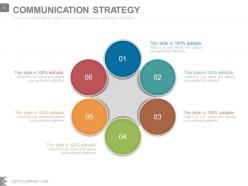
Slide 4: This slide shows Communication Strategy with six circles to show its components, factors, aspects etc.
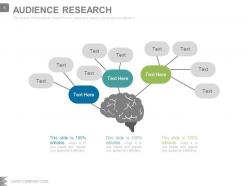
Slide 5: This slide shows Audience Research with human brain imagery and text boxes. You can add or edit as per need.
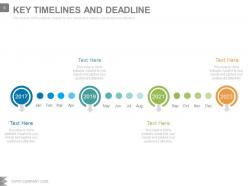
Slide 6: This slide showcases Key timelines and guidelines.State deadlines, milestones etc. here.
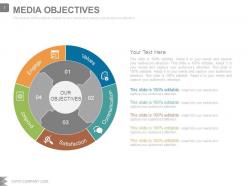
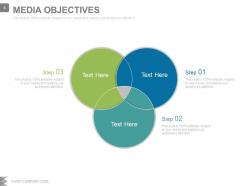
Slide 7: This slide shows Media Objectives such as- Product, Engage, Values, Communication, Satisfaction.
Slide 8: This slide also showcases Media Objectives. State your objectives here.
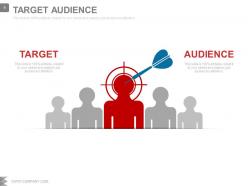
Slide 9: This is Target Audience slide with relevant imagery showing target and audience respectively.
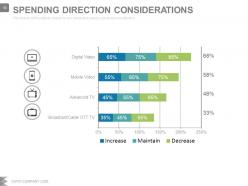
Slide 10: This slide shows Spending Direction Consideration graph with Increase, Maintain and Decrease as its three parameters.
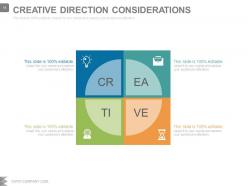
Slide 11: This is a quadrant slide showing Creative Direction Considerations.
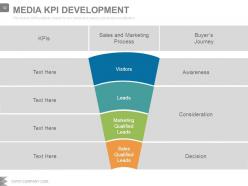
Slide 12: This slide presents Media KPI Developement in a funnel form with the following four levels- Visitors, Leads, Marketing Qualified Leads, Sales Qualified Leads.
Slide 13: This slide presents Communication Goals. State them here.
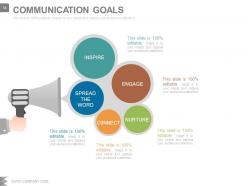
Slide 14: This slide also shows Communication Goals. We have stated five of the most important communication goals involving- SPREAD THE WORD, INSPIRE, ENGAGE, C0NNECT, NURTURE. You can alter these as per the criteria set by your company.
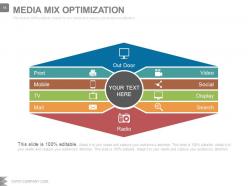
Slide 15: This slide showcases Media Mix Optimization with the following points- Display, Video Mobile, TV, Radio, Outdoor, Print, Social and Search.
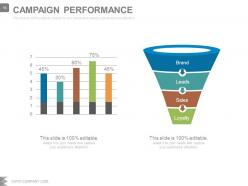
Slide 16: This slide presents Campaign Performance with a funnel form showing Loyalty, Sales, Leads, Brand.
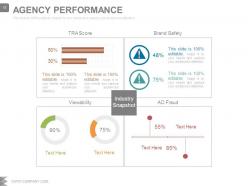
Slide 17: This is an Agency Performance slide containing Industry Snapshot. This snapshot shows- TRA Score, Brand Safety, Viewability, AD Fraud.
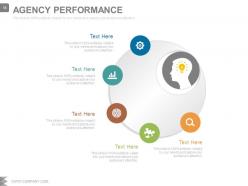
Slide 18: This slide also showcases Agency Performance with icon imagery.
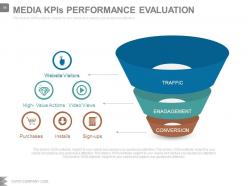
Slide 19: This slide displays a three leveled funnel diagram showing Media KPI Performance Evaluation. These three levels are stated as- Traffic, Engagement, Conversion.
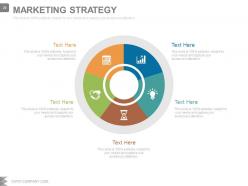
Slide 20: This slide shows Marketing Strategy in a circular diagram form consisting of five text boxes. Use them to present your own data.
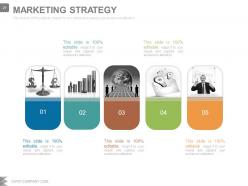
Slide 21: This slide shows Marketing Strategy with five steps or stages. You can use as per your business requirement.
Slide 22: This slide showcases Media Budget to present marketing spiels.
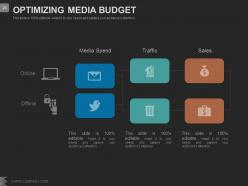
Slide 23: This slide presents Optimizing Media Budget which shows- Media Spend, Sales, Traffic, Online, Offline.
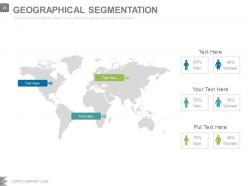
Slide 24: This slide shows Geographical Segmentation on a world map image to segregation, location, growth etc.
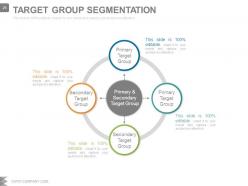
Slide 25: This slide shows Target Group Segmentation categorized as- Primary Target Group, Secondary Target Group.
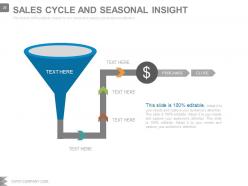
Slide 26: This slide shows Sales Cycle And Seasonal Insight in funnel image form.
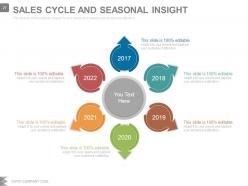
Slide 27: This slide also shows Sales Cycle And Seasonal Insight to be stated.
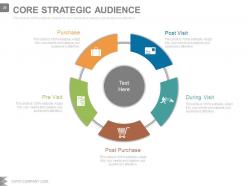
Slide 28: This slide shows Core Strategic Audience with- Post Visit, During Visit, Post Purchase, Pre Visit, Purchase as factors to be discussed and displayed.
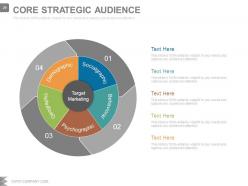
Slide 29: This slide also shows Core Strategic Audience segregated into- Socialgraphic, Behavioral, Psychographic, Geographic, Demographic.
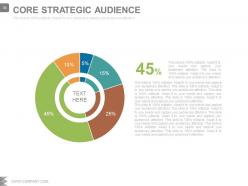
Slide 30: This is another slide showing Core Strategic Audience.
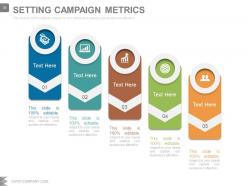
Slide 31: This slide shows Setting Campaign Metrics with relative icon imagery to go with.
Slide 32: This slide is titled Additional Slides to move forward. Alter as per need.
Slide 33: This is Our Mission slide. State your Mission, Vision and Goals here.
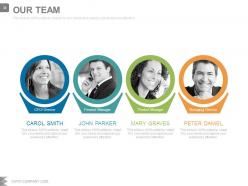
Slide 34: This slide presents Our Team with name, designation and image boxes.
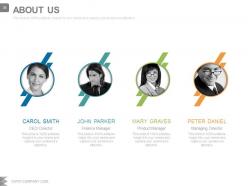
Slide 35: This is an About Us slide. State team/ company specifications here.
Slide 36: This is Our Goal slide. State your goals here.
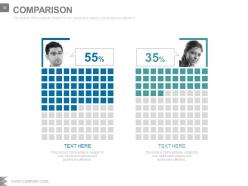
Slide 37: This slide shows Comparison of males and females.
Slide 38: This slide presents Financial scores to display.
Slide 39: This is a Quotes slide to convey company/ organization message, beliefs etc. You may change the slide content as per need.
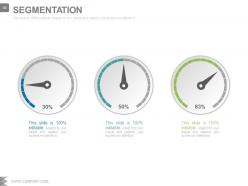
Slide 40: This is a Segmentation slide with metric imagery show comparison etc.
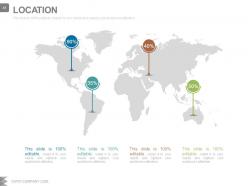
Slide 41: This slide showcases Location to show global presence etc.
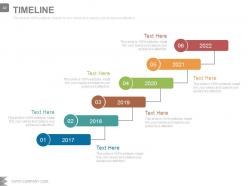
Slide 42: This is a Timeline slide to show milestones, growth etc.
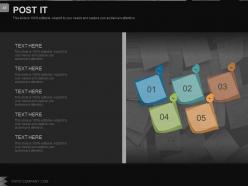
Slide 43: This slide displays Post It notes to show reminders, important notes etc.
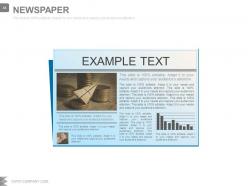
Slide 44: This slide displays Newspaper image to present message, highlights etc.
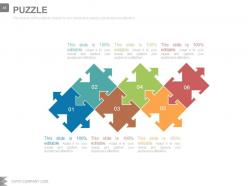
Slide 45: This is Puzzle pieces slide to show information, specifications etc.
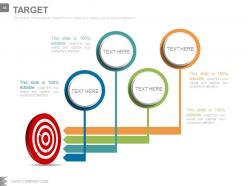
Slide 46: This slide shows Target imagery with four text boxes. State your targets here.
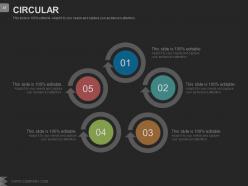
Slide 47: This slide shows a Circular image with text boxes. State information etc. here.
Slide 48: This slide shows a Venn diagram image with text boxes. State information etc. here.
Slide 49: This slide shows Lego image with text boxes. State information etc. here.
Slide 50: This is a Silhouettes infographic slide to show information, specifications etc.
Slide 51: This is a Bulb Or Idea image slide to show information, innovative aspects etc.
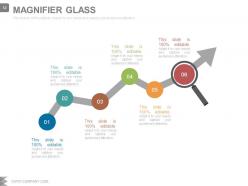
Slide 52: This slide shows a Magnifier Glass with text boxes. State information etc. here.
Slide 53: This slide shows a Bar graph to state information, comparison etc. here.
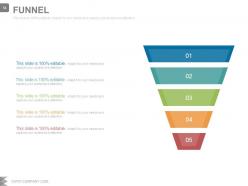
Slide 54: This is a Funnel image slide to show funneling aspects, information, specifications etc.
Slide 55: This is a Thank You slide with Address# street number, city, state, Contact Numbers, Email Address.
Advertising media planning and strategy powerpoint presentation slides with all 55 slides:
Good impressions formed due to our Advertising Media Planning And Strategy Powerpoint Presentation Slides continue to endure. It will have an infinite impact.





FAQs for Advertising media planning and strategy
So you're basically trying to nail three things: reach, frequency, and timing. Get your message to the right people enough times when they'll actually pay attention. Budget-wise, don't blow money on people who'll never buy from you - seems obvious but happens all the time. Figure out what you're actually trying to do first though. Brand awareness? Sales? Lead gen? Then work backwards from your target audience. It's honestly like a puzzle where the pieces keep moving around. Short bursts can work just as well as long campaigns sometimes. Balance is everything.
Honestly, your target demo is everything when planning media buys. Like, if you're going after Gen Z, you'll be all over TikTok and Instagram instead of wasting money on radio - that's pretty obvious. But demographics also tell you when people are online, what devices they use, even their viewing habits. Working parents consume media totally differently than college kids, so your timing and channels need to match that. I always start by actually mapping where my audience hangs out first. Don't just assume where they should be - figure out where they really spend their time, then build your budget around those channels.
Honestly, focus on reach stuff first - impressions, how many people you're actually hitting, frequency. Then dig into engagement like click-through rates and conversions. Cost per acquisition is huge too. But here's the thing - it totally depends what you're trying to do. Brand awareness campaigns? You'll care about different numbers than if you're just trying to get people to buy something right now. I always tell people to set your benchmarks before you start, otherwise you're just staring at random data. Pick like 3-5 metrics max that actually matter for YOUR goals. CPM and ROAS will tell you if you're wasting money or not.
Stop thinking of traditional and digital as separate things - they work way better together. TV and radio grab attention, then hit those same people with targeted social ads. QR codes on print stuff? Total game changer for driving traffic to your landing pages. I actually love the idea of teasing content in digital that pays off in your TV spots (builds anticipation). Map out where customers discover you vs where they convert. Different channels shine at different moments, so figure out which does what best in your funnel.
Look, budget allocation is seriously the make-or-break part of your whole media plan. It decides where you can actually put your ads and how many people you'll hit. So you've got to figure out which channels your audience actually uses, then split your money based on what each platform costs. TV might burn through like 60% of your budget but only catch half your target audience - digital's usually way more bang for your buck though. The real headache is trying to balance reach vs. how often people see your ad vs. what each impression costs you. I'd start with the channels you absolutely can't skip, then play around with whatever money's left over.
Honestly, most people just wing their budgets based on gut feeling - terrible idea. Pull your data from attribution tools, social platforms, and web analytics to see what's actually driving conversions, not just vanity metrics like clicks. I always tell people to audit their last quarter first because you'll find some weird surprises about which channels are crushing it vs. totally flopping. Look for patterns in timing and demographics, then move your money around accordingly. The data usually tells a completely different story than what you'd expect. Focus on real ROI, not impressions that don't convert.
First thing - figure out where your people actually hang out online. Match your spending to whatever channels give you the most bang for your buck with those specific demographics. Don't chase every new trendy platform just because it's buzzing (learned this the hard way). Pick a few solid channels you know work - search, social, whatever - then maybe try one experimental thing. But honestly? Better to crush it on 2-3 channels than suck at everything. You'll burn through cash real quick if you spread too thin. Make sure you can actually track what's working across all of them.
Timing is everything with seasonal stuff. Ramp up your budget when people actually want to buy - toy ads before Christmas, sunscreen in late spring, you know? We totally bombed a winter coat campaign in March once, learned that lesson fast. Your media mix needs to shift too. Summer's all about mobile and outdoor placements since people are actually outside. Winter? Everyone's binge-watching Netflix and scrolling social. Check last year's data to see when you should pump the brakes or go all in. Oh, and don't forget streaming ads hit different when it's cold out.
CTV and streaming platforms are where everyone's watching now, so that's your best bet. Amazon DSP is crushing it - you can target people based on what they actually buy, which is pretty cool. Programmatic podcast ads are getting way smarter than those awkward host reads (thank god). With all the privacy stuff happening, contextual targeting is back. Oh, and you definitely need a first-party data plan now. Try one of these in your next campaign and see how it stacks up against whatever you're doing currently.
Okay so first thing - get your tracking sorted right away. UTM parameters, conversion pixels, the whole deal. Each ad placement needs its own landing page so you can actually see what's working. Multi-touch campaigns are tricky because people see multiple ads before buying, so attribution modeling becomes super important. The data collection part is honestly such a pain, but once it's clean you just compare revenue to total spend for each placement. Oh and don't just look at first purchases - factor in lifetime value too. I'd track like 3-4 KPIs minimum per campaign to get the real picture.
Honestly, where you put your ads totally changes how people see your brand. TV and fancy magazines make you look legit and high-quality. Social media feels way more real though - like you're actually talking to people, not at them. Digital's great for targeting but can get creepy fast (we've all been followed around by those annoying retargeting ads). Traditional stuff builds awareness but doesn't feel personal. You gotta figure out where your customers actually hang out first. Then pick your spots based on that. Oh, and make sure it matches your brand vibe - no point advertising luxury products on sketchy websites, you know?
Honestly, the trickiest part is just how different people consume media everywhere - what crushes it in the US might totally flop in Germany because of their regulations. Cultural stuff trips people up constantly too. You'll want local partners who actually get their markets, not just someone who speaks the language. Oh, and don't trust that data quality will be consistent - it won't be. I'd say start small with a few test markets first. Your creative needs to be way more flexible than you think. Global platforms? Yeah, they work totally differently depending where you are.
Dude, timing can seriously tank your whole campaign if you mess it up. I learned this the hard way when I ran a back-to-school thing in October - total disaster. You've gotta think about when people actually want to hear from you, what your competitors are doing, and if there's some seasonal angle. Each channel has its sweet spot too, like optimal times and how often you hit people. Honestly, even the most brilliant creative falls flat if you're bugging someone at 6am on a Sunday. Oh, and don't forget lead times - some platforms need weeks to get going. Build this stuff into your strategy upfront, not when you're already live and panicking.
Honestly, just be upfront about data stuff - tell people what you're collecting and let them opt out easily. Don't target vulnerable groups or kids with sketchy ads (that's just gross). Watch where your ads show up too... I've seen brands get totally screwed when their content appeared next to conspiracy theories or whatever. Oh, and if you're second-guessing whether something's ethical while planning it, that's probably your answer right there. Set up some checkpoints during the process so you catch issues early. Most of this is common sense, but it's wild how often companies skip these basics.
Honestly, A/B testing is a game changer - you're actually seeing what works instead of throwing money at hunches. Test different channels, ad formats, timing, audiences, whatever you want. Just change one thing at a time or you won't know what made the difference. I'm obsessed with testing audience segments because they always shock me with the results. Make sure you run tests long enough to get real data, not just a fluke day or two. Then go hard on whatever's winning and dump the losers. Start small on your next campaign and pick one element to test. Your ROI will thank you.
-
Appreciate the research and its presentable format.
-
Presentation Design is very nice, good work with the content as well.