


AI In HRM Powerpoint Ppt Template Bundles




Try Before you Buy Download Free Sample Product
 Impress Your
 Audience
 100%
100% Editable
 Save Hours
 of Time


Our AI In HRM Powerpoint Ppt Template Bundles are topically designed to provide an attractive backdrop to any subject. Use them to look like a presentation pro.
People who downloaded this PowerPoint presentation also viewed the following :
AI In HRM Powerpoint Ppt Template Bundles with all 24 slides:
Use our AI In HRM Powerpoint Ppt Template Bundles to effectively help you save your valuable time. They are readymade to fit into any presentation structure.





FAQs for AI In HRM Powerpoint
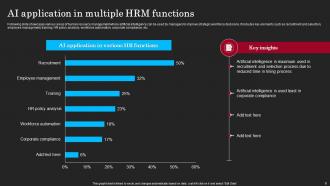
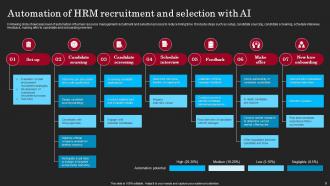
So AI handles all the boring resume stuff automatically - like, it can screen hundreds in minutes while you'd take hours. Most tools match candidates to job requirements and run basic chatbot interviews to weed out people who clearly don't fit. Some can even predict success rates based on past hires, which honestly blows my mind sometimes. Interview scheduling happens on autopilot too. The best part? You actually get time to have real conversations with good candidates instead of being buried in admin work. I'd start with just resume screening if you're new to this whole thing.
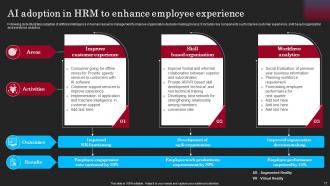
Honestly, AI's pretty game-changing for keeping people engaged at work. You can set up personalized learning paths and use predictive stuff to catch burnout early - which is huge. Chatbots handle the boring policy questions instantly, so employees aren't stuck waiting around. The surveys get way smarter too, actually pinpointing what's bugging people. Oh, and it analyzes how teams communicate to spot problems before they blow up. Best part? Your HR people can ditch the paperwork and focus on actual relationship building. I'd say pick one thing to test first and see how it goes.
Honestly, predictive analytics is pretty wild for HR stuff. You can spot which employees might quit before they even know it themselves - way better than waiting for exit interviews. Plus it helps identify who's ready for promotions and what skills you'll need down the road. The recruiting side is solid too since you can figure out what actually makes people successful in each role. I mean, being ahead of problems instead of scrambling to fix them? That's huge. Maybe try a pilot program for predicting turnover first - seems like the easiest win.
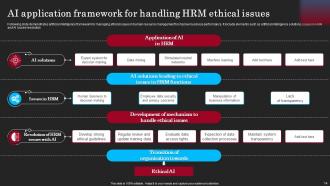
Honestly, there are three main things you gotta watch out for. First is bias - your AI will just copy whatever discrimination was baked into your training data from past hiring decisions. Test your algorithms constantly across different groups. Also, don't be shady about it! Tell candidates you're using AI because people hate feeling like they're being secretly judged by some algorithm. Privacy is huge too - only grab the data you actually need and protect it properly. I mean, nobody wants a GDPR violation on their hands. Building trust is really the whole game here.
So basically, AI can help cut down on bias because it standardizes how you screen people. No more unconsciously gravitating toward certain schools or names - the algorithm just focuses on the skills you actually need. Performance reviews get more objective too since you're looking at real data instead of whether you like someone or just remember their recent wins. Though honestly? The whole thing only works if your data isn't already biased from past decisions. You'll want to check your AI tools regularly to make sure they're not just repeating old patterns.
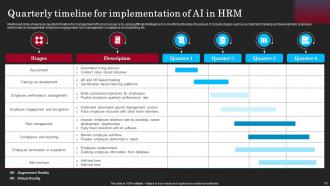
Pick one HR thing like recruiting first - don't go crazy trying to fix everything. Your team's gonna whine about learning new stuff, but honestly it's not that hard once they get into it. Clean up your messy data beforehand though, because AI just makes garbage data problems way worse. Go for the boring repetitive stuff first - resume screening, interview scheduling, that kind of thing. Always keep humans making the final calls on big decisions like who gets hired. Oh and definitely test everything before you launch it live, trust me on that one.
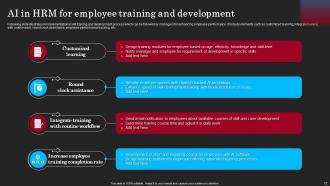
So basically, AI looks at each employee's skills, performance, and what they want to achieve career-wise, then creates custom learning paths for everyone. Way better than those one-size-fits-all training programs nobody actually enjoys. The system tracks how people learn best and adjusts recommendations on the fly - honestly kind of impressive how smart it's gotten. You can spot skill gaps before they become real issues too. I'd start with an AI learning platform that connects to whatever performance system you're already using. Makes the whole rollout way smoother.
Honestly, AI is a game-changer for workforce planning. You can predict who's gonna quit, spot skill gaps, and figure out your hiring needs way before you're scrambling. No more guessing or basic Excel nonsense - you actually get solid data on which teams need people and what skills you're missing. The pattern recognition stuff is wild too, like it'll catch trends you'd never see. Oh, and it can flag which star employees might bounce (kinda creepy but useful). I'd say pick one thing first - maybe turnover prediction - then build from there once you see results.
So NLP scans through your survey responses, emails, all that feedback stuff and picks up on emotions and themes automatically. No more digging through endless comments manually - thank god. It'll catch when morale tanks in specific departments or spot recurring complaints about workload or bad communication. The cool part? Real-time insights instead of waiting forever for reports. You should try running it on your last survey data first. I bet you'll find issues that were way more widespread than you thought. It's honestly pretty wild what patterns it catches that you'd totally miss.
Honestly, the biggest thing is bias - AI just copies whatever patterns are in your data, so you might accidentally discriminate against people without knowing it. Also, good luck explaining why the system rejected someone's promotion! That black box thing is real and super awkward in meetings. You'll lose the human element too, which sucks for stuff that needs empathy. Oh, and I've seen companies get way too dependent on these tools. Use it to help you think through decisions, but don't let it make the final call on hiring or evaluations. Keep actual humans involved in those big moments.
So AI can scan through all your employee data - skills, performance reviews, training records - and automatically spot where you're missing capabilities. Way better than those painful manual audits everyone hates. It maps skills across teams and predicts what you'll need for future projects. Plus it finds people who could fill gaps with just some training. You can even compare against competitors (which is honestly pretty cool). I'd start with one department first - gives you a good template to copy for the rest of the company.
Start with data minimization - grab only what you actually need and anonymize the rest. Your AI vendors need to be GDPR/CCPA compliant (or whatever applies to you), so get those data processing agreements in writing. The vendor vetting is honestly such a headache but you can't skip it. Set up access controls so random people can't peek at employee data. Regular audits help too - who's looking at what and when? Oh, and be upfront with employees about how you're using their info. People get way less paranoid when you just tell them what's happening, plus it covers you legally.
So basically, AI can spot patterns in employee data that show who's about to quit - like performance dips, engagement scores, even how people communicate. It's honestly pretty creepy how good it is at catching subtle stuff we'd never notice. Once you know who's a flight risk, you can actually do something about it instead of just waiting for their two weeks notice. The cool part is it suggests different fixes for different people - flexible hours for one person, training opportunities for another. Way better than those generic "pizza party" retention attempts everyone hates. Start with predictive analytics to find your potential quitters, then customize your approach based on what actually motivates each individual.
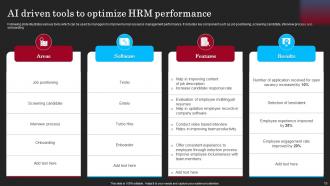
Honestly, conversational AI chatbots are getting insanely good at screening candidates and helping employees - like, almost too good? Predictive analytics can help you spot who's about to quit before they even know it themselves. There's also natural language processing that automatically analyzes employee feedback from surveys. Video interviewing platforms now assess everything from responses to body language, though some give me serious Black Mirror vibes. My advice? Pick one thing to pilot first. Don't try revolutionizing your entire HR process overnight - that's a recipe for chaos.
Honestly, chatbots are pretty clutch for onboarding new people. Your new hires can ask stuff 24/7 - like where's the bathroom or how does PTO work - and get answers right away instead of bugging HR constantly. Takes away that awkward first-day panic when you don't know who to ask basic questions. They'll walk people through all the boring paperwork too, which is actually super helpful. Oh, and they can set up training schedules automatically. If you're gonna try it, just figure out what questions newbies always ask first. That's your starting point right there.
-
I have just started downloading templates for my presentations and I must say this is a great design. It helped accelerate my presentation design process and made it more visually appealing.
-
SlideTeam is a great place for PPT templates. They have many templates on a single topic. It has made my life a lot easier.