


Future Of AI Powerpoint Ppt Template Bundles




Try Before you Buy Download Free Sample Product
 Impress Your
 Audience
 100%
100% Editable
 Save Hours
 of Time


Our Future Of AI Powerpoint Ppt Template Bundles are topically designed to provide an attractive backdrop to any subject. Use them to look like a presentation pro.
People who downloaded this PowerPoint presentation also viewed the following :
Future Of AI Powerpoint Ppt Template Bundles with all 28 slides:
Use our Future Of AI Powerpoint Ppt Template Bundles to effectively help you save your valuable time. They are readymade to fit into any presentation structure.
-
Future Of AI Powerpoint Ppt Template Bundles
-
Future Of AI Powerpoint Ppt Template Bundles
-
Future Of AI Powerpoint Ppt Template Bundles
-
Future Of AI Powerpoint Ppt Template Bundles
-

Future Of AI Powerpoint Ppt Template Bundles
-
Future Of AI Powerpoint Ppt Template Bundles
-
Future Of AI Powerpoint Ppt Template Bundles
-
Future Of AI Powerpoint Ppt Template Bundles
-

Future Of AI Powerpoint Ppt Template Bundles
-
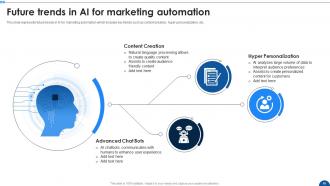
Future Of AI Powerpoint Ppt Template Bundles
-
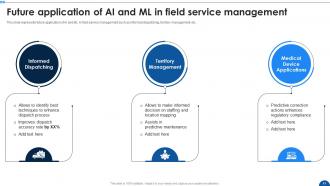
Future Of AI Powerpoint Ppt Template Bundles
-
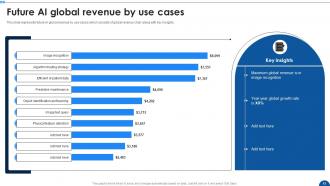
Future Of AI Powerpoint Ppt Template Bundles
-
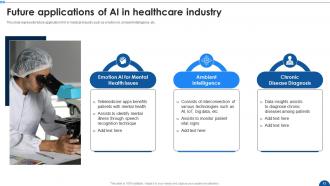
Future Of AI Powerpoint Ppt Template Bundles
-
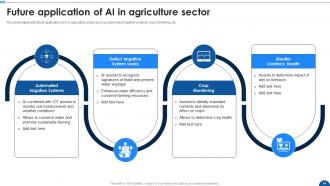
Future Of AI Powerpoint Ppt Template Bundles
-
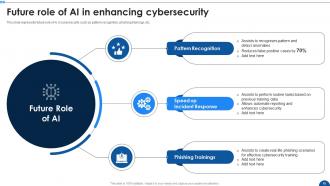
Future Of AI Powerpoint Ppt Template Bundles
-
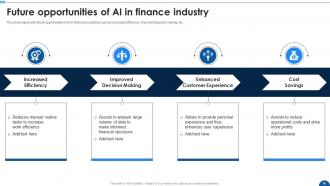
Future Of AI Powerpoint Ppt Template Bundles
-
Future Of AI Powerpoint Ppt Template Bundles
-
Future Of AI Powerpoint Ppt Template Bundles
-
Future Of AI Powerpoint Ppt Template Bundles
-

Future Of AI Powerpoint Ppt Template Bundles
-

Future Of AI Powerpoint Ppt Template Bundles
-

Future Of AI Powerpoint Ppt Template Bundles
-

Future Of AI Powerpoint Ppt Template Bundles
-

Future Of AI Powerpoint Ppt Template Bundles
-

Future Of AI Powerpoint Ppt Template Bundles
-

Future Of AI Powerpoint Ppt Template Bundles
-

Future Of AI Powerpoint Ppt Template Bundles
-

Future Of AI Powerpoint Ppt Template Bundles
FAQs for Future Of AI Powerpoint
Honestly, there's four big things that keep me up at night about AI stuff. Bias is huge - these systems can totally screw people over in hiring or loans without anyone realizing. Privacy's another nightmare since AI can track you in ways that feel straight out of a dystopian movie. Job displacement is coming fast, especially for certain industries, so retraining programs better happen soon. Then there's the accountability mess - when AI screws up, who takes the blame? Nobody really knows yet. My advice? Start auditing whatever AI tools you're using for bias and set some actual rules around data usage.
Honestly, AI can be pretty helpful for creativity if you use it right. Let it handle the boring technical stuff while you focus on the big picture. Like, it'll spit out chord progressions or color palettes you wouldn't think of - basically a brainstorming partner that doesn't need coffee breaks. Don't let it replace your vision though. Start with whatever it generates, then make it actually mean something personal. The emotional stuff? That's still all you. I've been messing around with this approach lately and it's surprisingly effective for getting unstuck.
Dude, AI tutoring is gonna be insane. It tracks how you learn and adjusts everything - like if you're a visual person, it'll show more diagrams. Struggling with algebra? It slows down and gives you easier problems first. The feedback is instant too, which honestly beats waiting days for graded tests. What's cool is teachers won't be stuck doing the same lecture 5 times a day anymore - they can actually help kids think through complex stuff. Oh, and it's kinda like how Spotify knows your music taste but for math and science. You should mess around with some AI study apps now to figure out what clicks for you.
Honestly, AI's already changing healthcare way faster than most people realize. Diagnostics are getting crazy accurate - like, better than human radiologists in some cases. Drug discovery that used to take forever now happens in months. Your doctor visits will probably focus more on the complex stuff since AI handles all the number crunching behind the scenes. Virtual assistants are taking over routine questions 24/7, which is actually pretty convenient. The whole robot doctor thing still seems far-fetched to me, but predictive care that spots problems early? That's happening now. If you're working in healthcare, definitely start learning these tools - you'll need them sooner than you think.
Honestly, AI is going to flip entire industries upside down - some jobs will vanish but new ones will pop up around managing these systems. The productivity boost could be insane if we don't mess up the transition. But here's the thing that worries me: if people can't reskill quick enough, inequality's gonna get way worse. Companies jumping on this early will crush their competition. I'd start figuring out which parts of your field are most at risk and what skills will actually stick around. It's exciting but also kind of scary, you know?
So chatbots are honestly where I'd start - they handle basic questions 24/7 which is huge. Your customers won't be stuck waiting around anymore. Then there's predictive stuff that figures out what people need before they ask (pretty cool actually). AI can personalize recommendations based on their history and automatically sort emails to the right team. Oh, and sentiment analysis reads emotions in messages - helps you catch frustrated customers early. I'd honestly just begin with a simple FAQ bot though. Don't overcomplicate it at first, then build from there once you see what's actually working.
Focus on stuff that works *with* AI, not against it. Critical thinking and creativity are clutch - machines can't read between the lines or come up with genuinely original ideas like humans can. Emotional intelligence too, obviously. Don't stress about becoming a coding wizard or anything. Communication skills will be huge since you'll basically be the translator between people and tech. Honestly, just start messing around with AI tools at work and get good at breaking down complicated stuff into simple terms. That combo will take you pretty far.
So AI's pretty good at spotting patterns we totally miss, which helps with the big environmental stuff. Like it's already making energy grids way more efficient and helping farmers use less water - that precision agriculture thing is actually really impressive. Weather prediction gets better too, so we can plan renewable energy smarter. Supply chains become less wasteful when AI optimizes them. Oh, and research moves way faster since AI can crunch through climate data in no time. But honestly, none of this matters unless we actually use these insights to change policies and implement real solutions.
Alright, so three main things to tackle here. Encrypt literally everything - data sitting around, moving between systems, all of it. Set up solid access controls too so you can track who's doing what. The AI breach stories lately are honestly terrifying. Test your systems with adversarial attacks before the bad guys find weak spots first. Build privacy protections right into the design instead of bolting them on later (learned that one the hard way). Regular security checkups are clutch. Start by figuring out where your current setup is most vulnerable - that's your priority list right there.
Honestly, AI's gonna speed up how you make decisions and give you way better data to work with. The routine stuff - scheduling, resource allocation - that'll just happen automatically. But you're still calling the shots on the big strategic moves, especially anything involving ethics or culture stuff. I've been playing around with some AI tools for data analysis (total game changer btw) and it's wild how fast you can crunch numbers now. It's more like having a really smart assistant than replacing your brain entirely. Definitely start experimenting with it on smaller decisions first to get the hang of it.
Look, AI's gonna make organizing hangouts way easier - scheduling, reminding you to text people back, all that stuff. But here's the weird part: you might start relying on it for conversation ideas too, which feels... idk, kind of sad? The real issue is telling what's genuine anymore when algorithms are suggesting who you should talk to based on your patterns. I'm already noticing this with social media recommendations. My advice? Start tracking which conversations feel actually human versus AI-helped. You'll need that skill soon.
Yeah, AI's definitely gonna wipe out a bunch of routine jobs - think data entry, basic customer service, some manufacturing stuff. But honestly? New roles are popping up too, especially in AI development and data analysis. The rough part is that transition period where people get stuck in the middle. Jobs needing creativity or emotional intelligence should be safer though. Oh, and anything involving complex problem-solving. My advice? Don't try to beat AI at what it does best. Instead, focus on skills that work alongside it. That's probably your smartest move right now.
Honestly, multimodal AI is where it's at right now - stuff that blends text, voice, and images together without missing a beat. Edge computing's getting huge too since it processes everything instantly without relying on cloud servers. There's also this wild neural architecture search thing where AI literally designs better versions of itself (kinda nuts if you think about it). Quantum integration is still pretty sci-fi but moving faster than expected. The real magic happens when these all combine though. I'd focus on companies doing multimodal work since that's where the actual breakthroughs are happening.
So AI's actually getting pretty crazy good at public safety stuff. Police departments are using it to figure out where crimes might happen next, which honestly sounds like sci-fi but works. Traffic cameras can now spot accidents automatically and call for help without anyone watching. There's also smart 911 systems that sort calls by how urgent they are - super helpful when everything's chaos. The big advantage? It processes tons of data from everywhere at once. Way faster than humans ever could. If you're working in emergency management, definitely check out tools that play nice with whatever communication setup you already have.
So basically AI bias is when these systems make unfair calls because their training data was messed up or the algorithms were flawed. Like hiring tools that screw over women or facial recognition that can't handle different skin tones properly. Honestly kinda wild how sneaky it can be. You gotta test your stuff across different groups and get diverse teams checking the outputs regularly. Mix up your training data too. The trick is catching this stuff early in development rather than scrambling to fix it later - learned that one the hard way. Always ask yourself who's getting hurt by the results.
-
Visually stunning presentation, love the content.
-
I looked at their huge selection of themes and designs. They appeared to be ideal for my profession. I'm sure I'll grab a few of them.