

Annual Operating Strategy Powerpoint Presentation Slides





Try Before you Buy Download Free Sample Product
 Impress Your
 Audience
 100%
100% Editable
 Save Hours
 of Time


Demonstrate the concept of annual operating strategy using our Presentation Deck. This PowerPoint design has been designed with 41 relevant slides that are perfect for you to engage your audience. The annual operating plan template ppt focuses on the efforts and business commitments for the current fiscal year. It highlights all key aspects of the topic such as executive summary, vision and mission, goals and objectives, operational highlights, milestones achieved, financial summary, key performance indicators etc. Now when you plan your business strategy you have to ensure that it has been planned in such a way that it enables you to meet your objectives. Annual operating strategy PPT deck covers all the relevant data in one design that you can download and share with your team. Our presentation deck gives you an access to save your valuable time which you might have to waste searching for the right resources for the topic. You can download this complete PowerPoint deck in just one click, edit the content as per your commerce needs and then present it among anyone. Acquire great commercial gain with our Annual Operating Strategy Powerpoint Presentation Slides. They help channelize your faculties.
People who downloaded this PowerPoint presentation also viewed the following :
Content of this Powerpoint Presentation
Slide 1: This slide introduces Annual operating strategy. State Your Company Name and begin.
Slide 2: This slide presents Agenda. Add your agenda and use it.
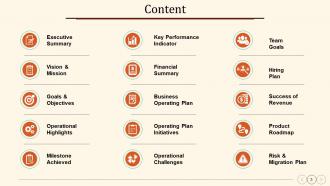
Slide 3: This slide presents Content which further showcases Executive Summary, Vision & Mission, Goals & Objectives, Operational Highlights, Milestone Achieved, Key Performance Indicator, Financial Summary, Operational Challenges, Operating Plan Initiatives, Business Operating Plan, Team, Goals, Hiring, Plan, Success of Revenue, Product Roadmap, Risk & Migration Plan.
Slide 4: This slide presents Executive Summary.
Slide 5: This slide shows Our Vision and Mission.
Slide 6: This slide presents Our Goals and Objectives with these of the following stages- Business Plan, System and Solutions, Programmers for Strategic Objectives, Business Plan, Operation of Solution.
Slide 7: This slide presents Operational Highlights.
Slide 8: This slide showcases Milestones Achieved.
Slide 9: This slide presents Key Performance Indicators which further showcases- Cost of Goods Sold, Net Promoter Score, % Sales Lost to Active Customers, Customer Retention Rate, Day Sales Outstanding.
Slide 10: This slide shows Financials Summary: Base vs. Stretch Plan.
Slide 11: This slide showcases Financials Summary: Base Plan.
Slide 12: This slide presents Financials Summary: Stretch Plan.
Slide 13: This slide shows Business Operational Plan.
Slide 14: This slide showcases Operating Plan Initiatives.
Slide 15: This slide presents Operational Challenges which further showcases- Customer Facing, Back-Office, Operations, Entering the Market, Sales / Marketing / PR, Customer Care / CRM, Partners & Alliances, Organizational / Operations Setup, Optimize Revenue Sources.
Slide 16: This slide shows Team Goals with a table for different areas.
Slide 17: This slide presents Hiring Plan: Positions by Quarter.
Slide 18: This slide showcases Current Sources of Revenue.
Slide 19: This slide presents Potential Sources of Revenue.
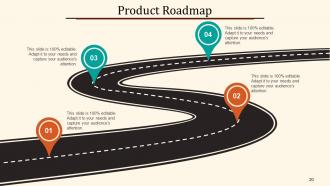
Slide 20: This slide shows Product Roadmap.
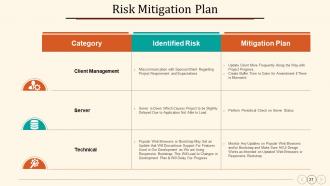
Slide 21: This slide showcases Risk Mitigation Plan.
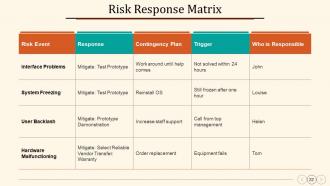
Slide 22: This slide presents Risk Response Matrix.
Slide 23: This slide showcase Icons.
Slide 24: This slide is titled Additional slides to proceed forward.
Slide 25: This is Our team slide with names and designation.
Slide 26: This is an About us slide to state company specifications etc.
Slide 27: This slide shows Comparison of Positive Factors v/s Negative Factors with thumbs up and thumb down imagery.
Slide 28: This is a Quotes slide to convey message, beliefs etc.
Slide 29: This is a Dashboard slide to show- Strategic System, Success, Goal Process, Sales Review, Communication Study.
Slide 30: This is a Location slide to show global growth, presence etc. on world map.
Slide 31: This slide presents Lunch Time.
Slide 32: This is a Timelines slide to show- Plan, Budget, Schedule, Review.
Slide 33: This slide showcases text here only.
Slide 34: This slide presents Text Here.
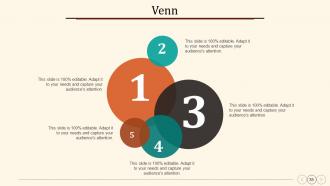
Slide 35: This slide showcases Venn.
Slide 36: This slide presents Mind Map.
Slide 37: This is a Silhouettes slide to show people specific information etc.
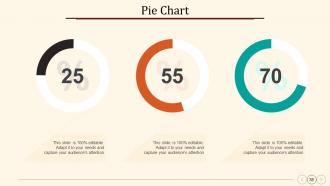
Slide 38: This slide showcases Pie Chart.
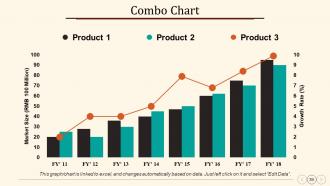
Slide 39: This slide presents Combo Chart.
Slide 40: This slide shows Area Chart.
Slide 41: This is a Thank You slide with Address# street number, city, state, Contact Numbers, Email Address.
Annual Operating Strategy Powerpoint Presentation Slides with all 41 slides:
Bank on your judgement with our Annual Operating Strategy Powerpoint Presentation Slides. Allow your inner belief to assert itself.
-
Annual Operating Strategy
-
Agenda Slide
-
Content
-
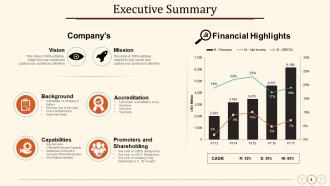
Executive Summary
-
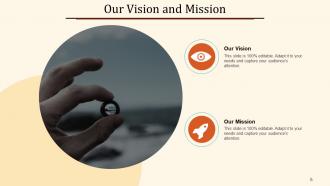
Our Vision and Mission
-
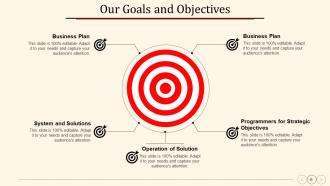
Our Goals and Objectives
-
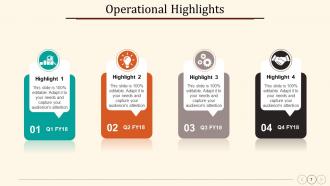
Operational Highlights
-
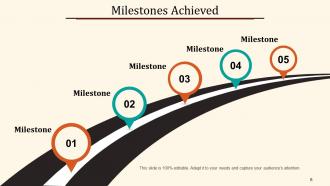
Milestones Achieved
-
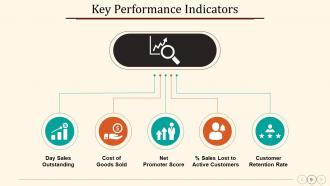
Key Performance Indicators
-
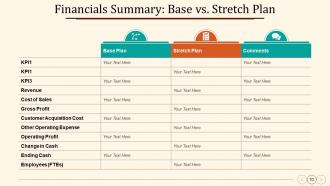
Financials Summary Base vs Stretch Plan
-
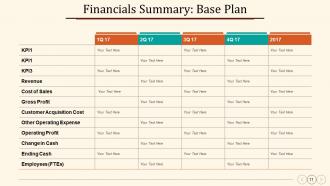
Financials Summary Base Plan
-
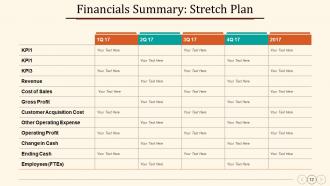
Financials Summary Stretch Plan
-
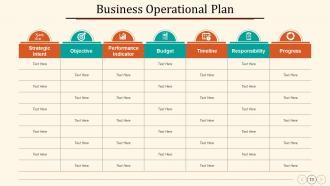
Business Operational Plan
-
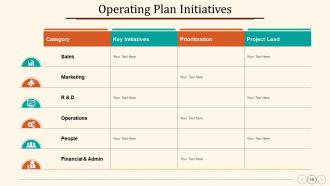
Operating Plan Initiatives
-
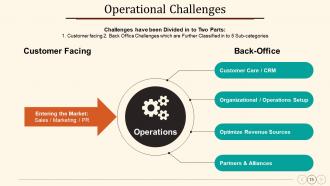
Operational Challenges
-
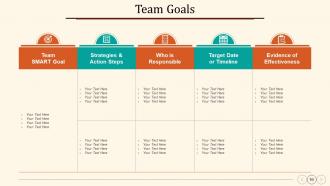
Team Goals
-
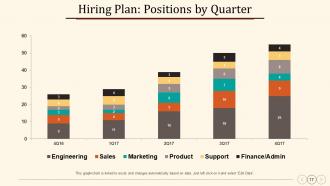
Hiring Plan Positions by Quarter
-
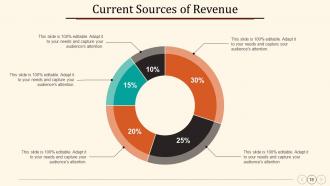
Current Sources of Revenue
-
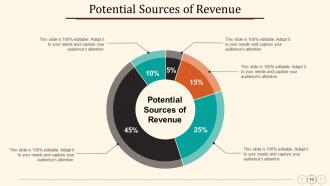
Potential Sources of Revenue
-
Product Roadmap
-
Risk Mitigation Plan
-
Risk Response Matrix
-
Icons
-

Additional Slides
-
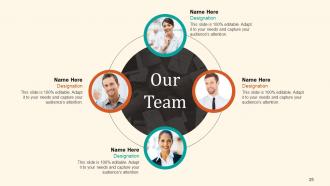
Our Team
-
About Us
-
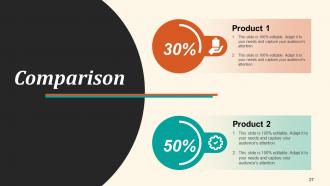
Comparison
-
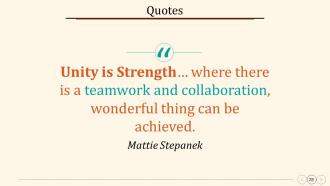
Quotes
-
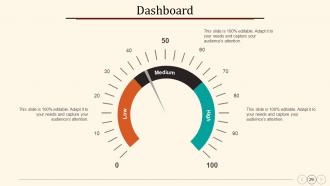
Dashboard
-
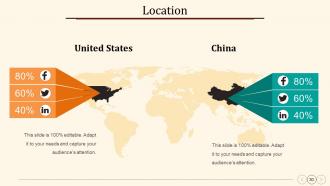
Location
-

Lunch Time
-
Timeline
-
Annual Operating Strategy Slide33
-
Annual Operating Strategy Slide34
-
Venn
-

Mind Map
-

Silhouettes
-
Pie Chart
-
Combo Chart
-
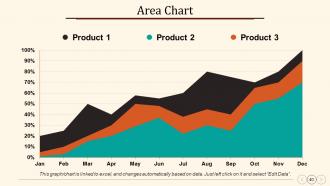
Area Chart
-

Thank You
FAQs for Annual Operating Strategy
You need clear financial targets and your top strategic priorities nailed down first. Resource allocation and measurable milestones with timelines are crucial too - seriously, I've watched so many teams skip tracking progress and then panic when Q4 hits. Map out your competitive positioning and any big operational shifts while you're at it. The budget and headcount planning have to actually align with your strategy (sounds obvious but you'd be surprised). Oh, and get your leadership team on the same page about the top 3-5 priorities before diving into the weeds on everything else.
Honestly, most people mess this up by jumping straight into annual planning without connecting it to the bigger picture. Start with your 3-5 year goals and break those down into what needs to happen this year - like waypoints on a road trip. Your budget and big projects should all tie back to those milestones, otherwise you're just throwing stuff at the wall. I'd set up quarterly reviews too because things always shift (trust me on this one). Quick exercise: write down your 3 biggest long-term goals, then figure out what "winning" looks like for each by December. That's your roadmap right there.
Honestly, data analytics is like having a crystal ball for your business strategy. Instead of guessing what'll work, you're looking at real customer patterns and financial trends to make smart calls. Spot what's crushing it, dump what's failing, and predict where things are headed. I used to wing it with gut instincts (terrible idea, btw) but now I focus on maybe 3-5 metrics that actually move the needle. Competition analysis becomes way easier too. It's wild how much clearer everything gets when you stop flying blind and start following what the numbers are screaming at you.
Start with checking out your competitors - what they're charging, who's new in the space, that kind of thing. Customer data is huge too. Look at survey responses, support complaints, what your sales team's hearing. Economic trends and industry shifts matter but honestly, nothing beats just calling up a few customers and asking what's bugging them. I'd throw it all into a basic SWOT or some simple market doc. The goal is finding 3-5 real insights that'll actually shape your strategy next year, not just busy work.
Track the obvious stuff first - revenue growth, profit margins, cash flow. But honestly, the operational metrics are where you'll spot problems early. Customer acquisition costs, employee turnover, market share changes. I learned this the hard way when our revenue looked great but we were bleeding talent. Leading indicators are your best friend here - pipeline health and customer satisfaction will warn you before the money numbers tank. Monthly dashboard keeps you sane instead of playing detective at year-end wondering where everything went sideways.
Don't just slap sustainability onto your existing strategy - weave it right into your main business goals. Set actual numbers you can track, like cutting carbon by X% or hitting specific waste reduction targets. Then tie those to department KPIs so people can't just ignore them. The companies crushing this treat environmental goals exactly like revenue goals (which honestly makes sense given how investors care about ESG now). You need real budget behind it, not just wishful thinking. Check progress every quarter. Otherwise you're just greenwashing and everyone will see right through it.
Honestly, most companies just try to do everything at once - like when you have 15 "top priorities" it's basically meaningless. Then they'll spend weeks making these gorgeous strategy decks but never actually check if anything's working. Classic mistake is treating your annual plan like gospel when stuff changes constantly. Markets shift, budgets get slashed, whatever. Build in regular check-ins instead and make sure teams actually understand what they're supposed to be doing. Oh, and keep communication going both ways - leadership needs to hear what's really happening on the ground. Fewer priorities, better tracking.
Don't just tack on tech as an afterthought - weave it right into your yearly planning. Figure out your actual business problems first, then find the tech that solves them. Could be automation saving you money, analytics helping you make smarter calls, whatever fits. Budget for innovation stuff upfront and pick someone to actually own it. Most companies screw this up by chasing whatever's trendy instead of solving real issues. Set some metrics so you know if it's working, and check in regularly. Oh, and make sure you've got review points built in throughout the year.
Honestly, you gotta hit people from multiple angles with this stuff. Do a solid visual presentation for the big shots first, then break it down in team meetings. Those mass emails? Pretty much useless - nobody reads them anyway. Interactive workshops are way better because people can actually ask questions about how it affects their day-to-day work. I'd throw in some infographics or dashboards too since visuals stick better. The trick is repeating the message but tweaking it for each group. Don't just copy-paste the same thing everywhere - that's how strategies die.
Honestly, quarterly is the sweet spot for strategy reviews. I know it's called "annual" planning but that's kinda outdated now - things change way too fast. Most companies I've seen that actually succeed do formal check-ins every 3-4 months to see what's working and pivot when needed. Monthly pulse checks through metrics help too, but don't go overboard. You can't stick to a plan you made almost a year ago when the market shifts every few weeks. If you're not already doing quarterly sessions, start scheduling them now. Trust me on this one.
Look, engaged employees actually execute the plan instead of letting it die in some forgotten presentation. They get why things matter and work toward goals because they're invested. Plus they catch issues early and suggest fixes. Disengaged people? Total opposite - they'll just phone it in. Here's what works: involve people in the actual planning process from the start. Don't just drop a strategy on them. Keep communicating how things are going and - this part's huge - show them how their daily work connects to the bigger picture. Makes all the difference honestly.
Honestly, you've gotta weave risk management into your strategy planning right from the start - don't just slap it on later. During those strategy sessions, nail down your biggest 5-7 risks first. Then bake the solutions directly into your budgets and plans. I've watched so many companies treat this stuff like homework they'll do later. Bad call. Each department needs someone owning their risks, plus quarterly reviews to actually talk about it. The whole point is making risk discussions feel normal in regular meetings instead of some boring compliance thing that sits on a shelf collecting dust.
Honestly, your financial forecasts are like the foundation for everything else you'll do this year. They show you what money you actually have to play with. Can't hire 50 people if revenue's staying flat, you know? Use them to decide where to invest and how aggressive your growth targets should be. They're also great for spotting cash flow problems before they bite you. I learned this the hard way once - thought we had more runway than we did. Anyway, nail down those projections first before making any big strategic bets.
Honestly, you've gotta build solid connections between your quarterly wins and the big picture stuff. First thing - figure out which short-term moves actually support your long-term vision. If something doesn't fit? Maybe it shouldn't be in your annual plan at all. I've watched way too many companies get obsessed with flashy quarterly numbers that totally mess up their strategy down the road. Set up checkpoint meetings throughout the year to see if you're still on track for where you want to be in 3-5 years. Be ready to shift your tactics but don't abandon your main direction. And yeah, track both sets of metrics like your life depends on it.
Okay so project management skills are absolutely crucial - you need people who can actually break big goals into real tasks. Communication is honestly underrated here, but your team will be constantly translating strategy stuff into work people can understand. Cross-functional collab matters since strategies hit every department. Data analysis helps track if you're going in the right direction (or need to pivot). Oh and find people comfortable with ambiguity - there's always curveballs. I'd start by looking at what skills your current team has versus what you actually need.
-
good
-
Good presentation
-
smart