


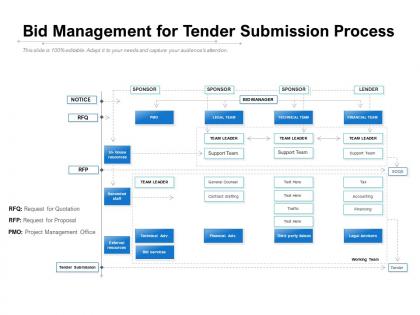
Bid management for tender submission process




Try Before you Buy Download Free Sample Product
 Impress Your
 Audience
 100%
100% Editable
 Save Hours
 of Time


Delve on your corporate journey with our Bid Management For Tender Submission Process. Encourage folks to continue to improve.
People who downloaded this PowerPoint presentation also viewed the following :
Bid management for tender submission process with all 2 slides:
Encourage folks to continue to improve with our Bid Management For Tender Submission Process. Delve on your corporate journey.
FAQs for Bid management for
Alright, so bid management basically comes down to four things. Get your keywords organized first - that's like your foundation. Device, location, and time adjustments are next based on what's actually performing. Here's what drives me crazy though: people totally ignore the monitoring part! You've gotta watch your conversion data, not just clicks. Also align everything with your profit margins and business goals - sounds obvious but you'd be surprised. Oh, and start by looking at your current keyword performance. Find your top 20% converting terms this week.
Bid management platforms are honestly a lifesaver - they'll centralize all your proposal stuff and auto-fill templates with your standard responses. No more digging through random folders for that one piece of content you wrote six months ago. Some even have AI that writes sections for you, which is pretty crazy. Set up automated deadline reminders too because we all know how those sneak up. The searchable content library is what really makes the difference though. Start by digitizing whatever responses you use most. Trust me, you'll wonder how you lived without it.
ROAS is honestly what I'd focus on first - if that looks good, you're probably doing alright. But definitely track cost-per-click and conversion rates too. Click-through rates will show you if your bids are actually competitive enough. I'm kind of obsessed with impression share because it tells you when you're missing out just because of budget limits, which is super annoying. Quality Score matters since it directly hits your costs. Oh and cost-per-acquisition obviously. Set up weekly reports so you can catch trends before they tank your budget - learned that one the hard way.
Honestly, you've got to have a bulletproof checklist before anything leaves your desk. Get legal to eyeball those contracts - I can't stress this enough. Missing some random requirement on page 47 will absolutely wreck you (happened to my last team, what a nightmare). Have multiple people review everything because you'll miss stuff when you're too close to it. Oh, and don't wait until the last minute - give yourself at least 48 hours buffer. That way if something's wrong, you can actually fix it instead of panicking. Document everything too, just in case they come back with questions later.
Honestly, you can't pull off good bid management solo - learned that the hard way. Get your tech writers, pricing people, legal folks, and subject matter experts involved from day one. Map out who does what early on, then set up regular check-ins so nobody goes rogue. Shared docs are your friend for real-time edits. I've watched perfectly good bids crash because someone decided to be a hero and work alone, missing obvious requirements. Oh, and definitely create some kind of communication plan - sounds boring but it actually keeps everyone from stepping on each other's toes throughout the whole mess.
Dude, templates will save your sanity. Why rewrite the same company info and team bios over and over? That stuff barely changes anyway. I'd start with sections you use most - project methodologies, compliance requirements, all that standard content. Then you can actually spend time on what matters: tailoring your solution and getting the pricing right for each client. Your whole team will thank you too since everyone stays on the same page with messaging. Honestly, I wish I'd figured this out years ago instead of reinventing the wheel every time.
So here's what I'd do - really dig into their specific pain points first. Don't send some cookie-cutter thing that screams "I sent this to 20 other companies." Talk directly to their actual challenges. Back everything up with real proof too - case studies, numbers, testimonials that actually relate to what they're dealing with. Oh, and definitely have someone else look it over before you send it. When you've been staring at something forever, you miss the obvious stuff. Trust me on that one. Those little details? They're what separate the winners from the pile of boring proposals nobody remembers.
Honestly? Stop using that same proposal template for everything. Clients can smell copy-paste jobs from a mile away and it's kind of insulting. Actually read what they sent you - their pain points, budget hints, all that stuff. Use their industry words, not your generic business speak. Pick case studies that actually match what they're dealing with. If they mentioned tight deadlines, don't lead with your "thorough research process" story, you know? Also tweak your team lineup to show off whoever has the most relevant experience. Oh and pricing - don't just slap your standard rates on there. Think about what they can actually spend. The whole point is showing you actually listened to them instead of just pitching what you always pitch.
Dude, the worst thing you can do is go crazy with high bids from day one. You'll blow your budget in like two days lol. Start low and see what actually works first. Oh and don't use the same bid for every keyword - that's just lazy. Some words are goldmines, others are trash. Negative keywords are huge too - without them you're paying for random clicks that won't buy anything. Most people set up their campaign then basically abandon it. Check in weekly at least! Honestly once you get the hang of it, bidding becomes way less stressful.
Honestly, bid feedback is like a cheat sheet for your next proposal. Yeah, losing sucks, but dig into those evaluator comments and debriefing notes - they're actually super valuable. Maybe your tech was spot-on but pricing killed you, or the other way around. I'd keep a simple log of what keeps coming up across different bids. Patterns will emerge. Was it always the same weak spot? Fix that before your next submission. It's annoying extra work, but reviewing past feedback before starting new proposals saves you from making the same dumb mistakes twice.
Honestly, AI proposal tools are a total game changer - they'll scan RFPs and spit out content based on your old wins. Cloud collaboration platforms are huge too since your whole team can jump in simultaneously instead of dealing with those nightmare email chains (ugh, the version conflicts). The machine learning stuff is getting scary good at predicting which bids you'll actually win, so you're not wasting time on dead ends. Different industries are moving at totally different speeds with this though - definitely worth seeing what's popular in your specific field right now.
Honestly, having a solid timeline saves you from that panicked last-minute chaos we've all been through. Buffer time is crucial - trust me on this one. When everyone can see the full schedule upfront, they actually stick to their deadlines because they get why their part matters. You'll spot problems early too, like needing expert input or waiting on client answers that could mess up your whole timeline. Instead of rushing through research and reviews, you can give each step the attention it deserves. Share the timeline with your whole team from day one so they can plan around it.
Look, there's a direct link between how well you handle bids and whether projects actually work out. Get your risk assessment right upfront. Set timelines that won't come back to bite you. Match what your team can actually deliver with what clients expect - sounds obvious but you'd be surprised how often this gets screwed up. I've watched so many projects crash because someone got way too optimistic writing the proposal. Poor bid management = underbidding and making promises you can't keep. Pro tip: loop your delivery team into bid planning early. They'll spot the landmines before you accidentally step on them.
Project management skills are huge - you're always balancing crazy deadlines and keeping everyone moving. Writing matters too since your proposals need to actually win. The stakeholder stuff though? That's where it gets messy. Sales wants one thing, tech teams want another, leadership has their own agenda. You'll need good analytical skills to break down RFPs and figure out what'll make you stand out. Oh, and get really good at turning technical jargon into language that makes buyers care. Sounds obvious but honestly most people suck at it.
So competitive analysis shows you what others are bidding - then you tweak your strategy from there. Monitor where competitors sit in ad positions, which keywords they're hitting, and their bid estimates. Look for gaps where you can either beat them without breaking the bank or find easier opportunities they missed. Don't get sucked into bidding wars on everything though - that's just burning money. Use the info to spot where they're weak or throwing cash around stupidly. Set up regular checks on what they're doing and adjust based on their moves, not just your own numbers.
No Reviews