


Bid proposal template for construction project powerpoint presentation slides




Try Before you Buy Download Free Sample Product
 Impress Your
 Audience
 100%
100% Editable
 Save Hours
 of Time


With the booming real estate industry, a multitude of construction projects has popped up in recent years. With increased demand, comes increased supply. Make an efficient bid for the next project of your construction company with our ideally designed bid proposal template PowerPoint slides. Remember, without a solid proposal, even the best building solution can face rejection. Don’t lose out on a wonderful opportunity because of a lackluster pitch. With a professional layout and striking use of the color scheme, this PPT presentation includes all the relevant sections for an impressive project proposal. A concise cover letter that highlights the success of your previous constructions is paced in the beginning to impart confidence in your firm. An exemplary project of an office tower is used to emphasize the different aspects of the bid for the user’s convenience. A complete overview of the entire slide presentation has been tastefully organized in the proposal outline. Clearly explain your approach to finishing the building within the proposed time frame with well-designed infographics and charts in this PPT proposal deck. Put forth the proposed construction phases for the building model and ensure your audience understands the complete scope of work involved before making a commitment. Present to your potential clients a payment plan detailing different factors of the job in an easily personalizable tabular format. Convincing a company to invest with your construction firm requires the confidence of its executives in your competence. Provide them an overview of your past experience with similar constructions and the efficiency of your executive team with the aptly developed PowerPoint slides of this bid presentation. A smartly curated collection of relevant icons and additional slides is designed within this Bid Proposal Template For Construction Project PowerPoint Presentation Slides to simplify your customization needs for your project proposal. Remember, your firm’s first impression will dictate its lasting impression, make the most of this opportunity with this bid proposal presentation deck.
People who downloaded this PowerPoint presentation also viewed the following :
Content of this Powerpoint Presentation
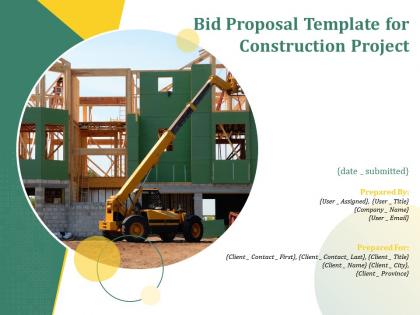
Slide 1: This slide introduces Bid Proposal Template for Construction Project. State Client details and User details and begin.
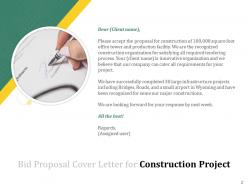
Slide 2: This slide displays Cover Letter for Construction Project.
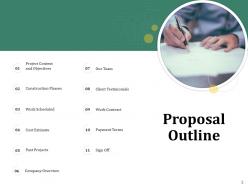
Slide 3: This slide showcases Proposal Outline.
Slide 4: This slide displays Proposal Outline
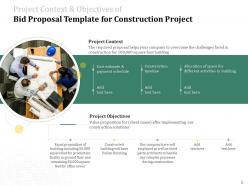
Slide 5: This slide showcases Project Context & Objectives for Construction Project.
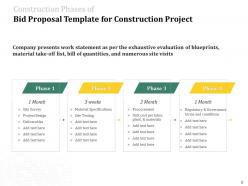
Slide 6: This slide showcases Construction Phases for Different Activities for Construction Project.
Slide 7: This slide depicts Proposal Outline.
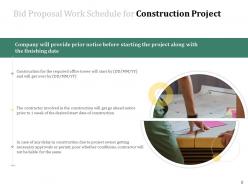
Slide 8: This slide shows Work Schedule for Construction Project.
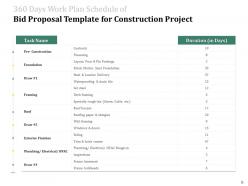
Slide 9: This slide describes 360 Days Work Plan Schedule for Construction Project.
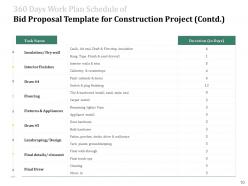
Slide 10: This slide displays 360 Days Work Plan Schedule for Construction Project.
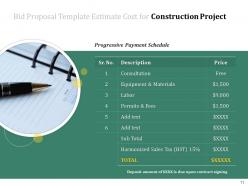
Slide 11: This slide showcases Estimate Cost for Construction Project.
Slide 12: This slide shows Proposal Outline.
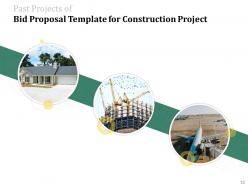
Slide 13: This slide showcases Construction Past Projects for Construction Project.
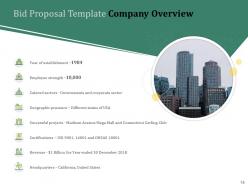
Slide 14: This slide presents Company Overview for Construction Project.
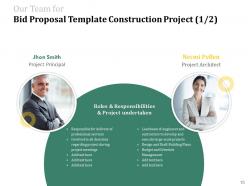
Slide 15: This is Our Team slide with Names and Designations.
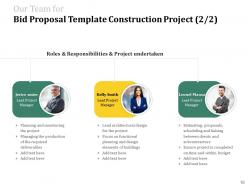
Slide 16: This is Our Team slide with Names and Designations.
Slide 17: This slide showcases Proposal Outline.
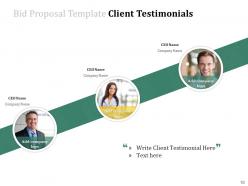
Slide 18: This slide depicts Client Testimonials for Construction Project.
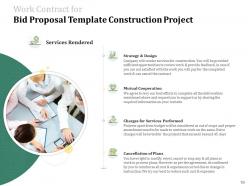
Slide 19: This slide talks about Work Contract for Construction Project.
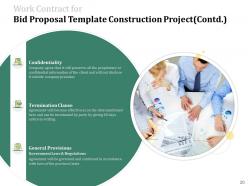
Slide 20: This slide is continued Work Contract for Construction Project.
Slide 21: This slide displays Proposal Outline.
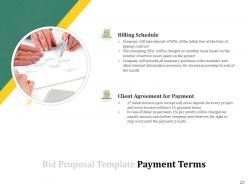
Slide 22: This slide showcases Payment Terms for Construction Project.
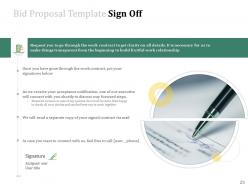
Slide 23: This is Sign Off slide.
Slide 24: This is Contact Us slide with Company Address, Email address and Contact number.
Slide 25: This is Icons Slide for Construction Bid Proposal.
Slide 26: This slide is titled as Additional Slides for moving forward.
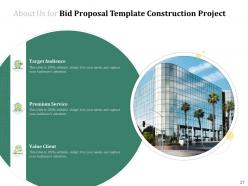
Slide 27: This is About Us slide with Target Audience, Premium Services, Value clients.
Slide 28: This slide displays Our Mission Vision Goal for Construction Bid Proposal.
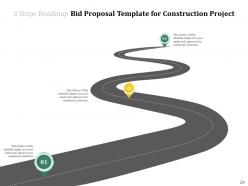
Slide 29: This slide describes 3 Step Roadmap process.
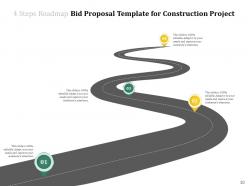
Slide 30: This slide displays 4 Step Roadmap process.
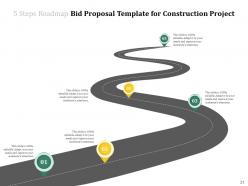
Slide 31: This slide showcases 5 Step Roadmap process for Construction Project.
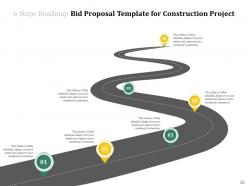
Slide 32: This slide depicts 6 Step Roadmap for Construction Project.
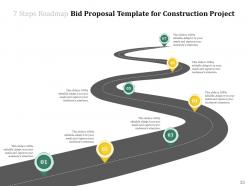
Slide 33: This slide showcases 7 Step Roadmap for Construction Project.
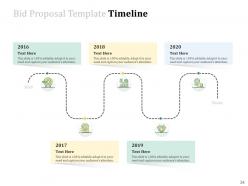
Slide 34: This slide depicts Timeline for Construction Project.
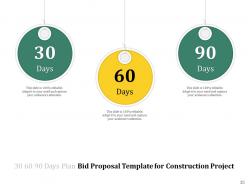
Slide 35: This is 30 60 90 Days Plan slide.
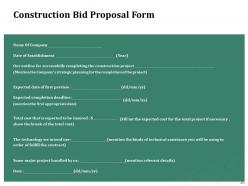
Slide 36: This slide showcases Construction Bid Proposal Form. Mention the company’s strategic planning for the completion of the project.
Bid proposal template for construction project powerpoint presentation slides with all 36 slides:
Use our Bid Proposal Template For Construction Project Powerpoint Presentation Slides to effectively help you save your valuable time. They are readymade to fit into any presentation structure.

FAQs for Bid proposal template for construction project
So you'll want an executive summary up front, then project scope and your methodology. Timeline with milestones is crucial - clients love seeing dates. Don't skip the boring stuff either: terms, references, certifications if needed. Team qualifications matter more than you'd think. Pricing breakdown should be super detailed. Oh, and company overview if they don't know you yet. Honestly, the biggest thing is making it scannable - these people are drowning in proposals. Short paragraphs, bullet points, whatever works. Build your template now before you're panicking over a deadline.
Definitely swap out the generic stuff for industry-specific language that shows you get their world. Construction? Focus heavy on safety protocols and certs. Tech proposals need all the security and scalability details. Healthcare is honestly a pain with all the compliance docs, but you can't skip it. Your case studies should match similar projects too. I'd look at 2-3 winning proposals in that industry first - you'll see which sections they actually care about. The jargon swap alone makes a huge difference. Don't just change terminology though, restructure based on what matters most to them.
White space is your best friend here - don't cram everything together. Hook them with your executive summary because honestly, that's where you win or lose them. I always go: problem, solution, timeline, team, then pricing. Your value prop needs to smack them in the face early on. Create placeholders for client stuff so you're not rebuilding the wheel every time. Clear headings and bullet points make it scannable. Oh, and definitely end with next steps - you'd be surprised how many proposals just... end. Like, what am I supposed to do now, call my psychic? Tell them exactly what happens if they're ready to move forward.
Dude, visuals are a game-changer for proposals. Charts and graphs make your data way easier to digest than huge blocks of text - evaluators will actually thank you. I've watched perfectly good bids get rejected because they looked like textbook vomit on the page. White space is your friend here. Clean layouts with branded headers show you've got your act together. Oh, and before/after photos or mockups? They make your solutions feel real instead of just theoretical. Shoot for 2-3 solid visuals per section. Trust me, it'll set you apart from all those boring, text-heavy submissions that put people to sleep.
Ugh, the worst thing you can do is just swap out company names and call it a day. I've totally sent proposals with the wrong client name before - so embarrassing! Templates are great but you gotta actually customize the content too. Sometimes the whole structure doesn't even make sense for what you're pitching. Oh, and double-check your pricing matches what you wrote in the scope section. Seriously, read through everything once more before sending because those copy-paste mistakes will make you look sloppy as hell.
Honestly, just mirror how they talk. Check out their RFP, website, past emails - are they buttoned-up or chill? Tech startups want you conversational and straight-up, while government stuff needs all that formal compliance language. I hate corporate buzzwords but sometimes you gotta play the game, you know? Sound confident but not like a know-it-all. Write like you're the coworker they'd grab coffee with. Here's what works: read your draft out loud and think "would I actually say this in their office?" If it sounds weird, dial it back.
Look, research is literally what makes or breaks your bid proposal. Skip it and you're basically throwing your template into a black hole. Dig into their actual pain points, industry drama, what competitors are breathing down their necks - all of it. Their specific language matters too. You wouldn't walk into an interview knowing zero about the company, right? Same deal here, just higher stakes. When you customize your template sections based on real intel, it shows you get what they're actually dealing with instead of just guessing. Honestly, create a research checklist - you'll thank me later.
Don't just toss your testimonials at the end - nobody actually reads appendices. Instead, drop a client quote right after you talk about a specific skill. Or throw in a quick case study that matches their exact problem. I always put my strongest 2-3 examples right where they'll hit hardest, usually in the experience and results sections. The trick is picking ones that actually relate to what they need, not just your flashiest work. I've watched so many people bury their best proof at the bottom of proposals. Such a waste.
Honestly, just start with whatever you already have - Word or Google Docs work fine for basic stuff. Canva's actually pretty sweet if you want it to look professional without much effort (way better than my sad attempts in Word lol). Adobe InDesign is overkill unless you're really into design. Oh, and if you're cranking out tons of proposals, check out Proposify or PandaDoc - they handle signatures and let you track when people actually open your stuff. Don't overthink it though. Get a few wins first, then you can upgrade your whole setup.
Get a lawyer to look over your template first, trust me on this one. Government contracts and regulated stuff especially need proper vetting. Standard disclaimers are a must, and your terms need to be rock solid. Industry requirements can be pretty specific too - missed one once and it was a nightmare. Keep everything updated when regs change. Oh, and never just steal someone else's template without checking it thoroughly first. What covers their business might leave you totally exposed. The legal headaches upfront beat compliance disasters later, believe me.
Your win rate is the big one to watch - tells you if you're actually closing deals or just spinning your wheels. I'd also track how long clients take to respond and whether your proposals turn into actual meetings. Average deal size matters too, obviously. Here's what I learned the hard way - log how much time you spend on each proposal. Nothing worse than burning 30 hours on something that was dead from the start. Oh, and definitely note why you lost bids. If it's always price, maybe you're targeting the wrong clients? Just throw it all in a basic spreadsheet and you'll spot patterns pretty quick.
Okay so for bid proposals, you'll want these sections: executive summary, requirements understanding, your solution, timeline, team qualifications, and pricing. Honestly, most decision-makers only skim everything except that executive summary, so nail that part first. Make your value prop crystal clear in those opening paragraphs. Use headings and bullet points - nobody wants to read dense blocks of text. Be specific about solving their actual problem, not just generic fluff. Oh, and throw in case studies that match their situation if you've got them. The whole thing should scan easily but still show you really get what they need.
So basically, bid proposals are when someone puts out an RFP and you're competing with other companies to win their project. You're following their rules and requirements. Project proposals are the opposite - you're pitching your own idea to get funding or approval for something new. One's reactive, the other's proactive. Bid proposals have super strict formatting (which honestly can be a pain), but project proposals give you way more creative freedom. Just make sure you know which one you actually need before diving in, because mixing them up is awkward.
Definitely keep a feedback log from your wins and losses - trust me on this one. I made the mistake of losing three similar bids before I wised up and started tracking patterns. Just throw together a basic spreadsheet with what worked, what didn't, and any themes you notice. Comments about clarity and pricing come up constantly, so those are gold. Short sentences work sometimes. Other times you need something that flows more naturally when explaining technical stuff or timelines. Then actually update your templates based on what you learn (I know, sounds obvious but I kept forgetting). Honestly, the systematic approach beats crossing your fingers every time.
Here's the thing - don't just list your credentials like everyone else. Start with concrete results you'll deliver, like "cut processing time by 30%" instead of vague promises. Mirror their exact language from the RFP too. I'd throw in a quick case study that matches their specific problem. Honestly, most proposals are full of corporate BS that nobody wants to read. What actually works? Show them you get their unique situation and have a real solution built just for them, not some cookie-cutter approach. Skip the fluff entirely.
-
Good research work and creative work done on every template.
-
Innovative and attractive designs.
-
Colors used are bright and distinctive.
-
Excellent design and quick turnaround.
-
Unique research projects to present in meeting.