


Business achievements powerpoint presentation slides





Try Before you Buy Download Free Sample Product
 Impress Your
 Audience
 100%
100% Editable
 Save Hours
 of Time


Encourage a higher level of performance with the Business Achievements PowerPoint Presentation Slides. Showcase the greatest achievements of your company using our professionally designed business accomplishments PowerPoint layouts. Discuss the steps for setting business goals using our content-driven business performance PowerPoint slideshow. Take the aid of our business goals PowerPoint presentation template and elaborate on the numerous issues that restricted your path while reaching the target. There are various high-quality icons present in the slide which helps you to make your presentation even more practical and knowledgeable. Employ our readily available business achievements PPT slideshow to explain the overall cycle of your performance level and productivity. You can also demonstrate the rewards, productivity, economy, increased sales figures, promotions, and exceeded work-targets of your enterprise. Download our attention-grabbing achievement presentation and achieve the measurable goals that you have set for the business.
People who downloaded this PowerPoint presentation also viewed the following :
Content of this Powerpoint Presentation
Slide 1: This slide introduces the Business Achievements. Add Your Company Name to begin.
Slide 2: This slide contains a Business Achievements Template.
Slide 3: This slide again contains a Business Achievements Template.
Slide 4: This slide also contains a Business Achievements Template.
Slide 5: This slide again contains a Business Achievements Template.
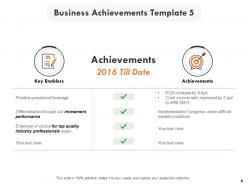
Slide 6: This slide contains a Business Achievements Template showing Achievements and Key Enablers till date.
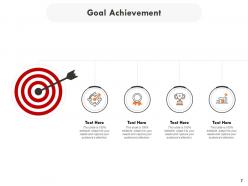
Slide 7: This slide shows the Goal Achievement.
Slide 8: This template contains a Business Achievements Icons Slide.
Slide 9: This slide is titled as Additional Slides for moving forward.
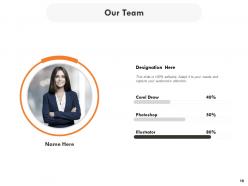
Slide 10: This slide reveals the names and designation of Our Team members.
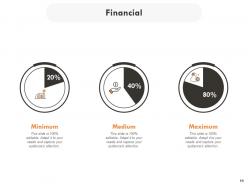
Slide 11: This slide depicts the Financial returns- Minimum, Medium, Maximum.
Slide 12: This slide shows the Post It notes.
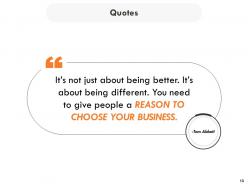
Slide 13: This slide shows a Quotation by Tom Abbott.
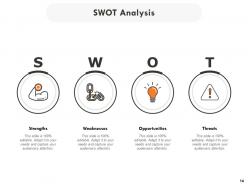
Slide 14: This slide depicts the components of SWOT Analysis namely Strengths, Weaknesses, Opportunities, and Threats.
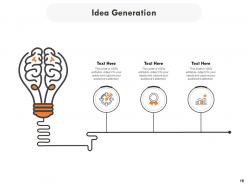
Slide 15: This slide shows the Idea Generation.
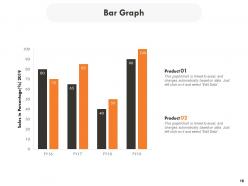
Slide 16: This slide contains an editable Bar graph showing the market share of products for various years.
Slide 17: This is a Thank You slide consisting of Address, Contact numbers and email Address.
Business achievements powerpoint presentation slides with all 17 slides:
Employ our Business Achievements Powerpoint Presentation Slides for any task. Be assured of effective and efficient completion.


FAQs for Business achievements
Look, focus on revenue growth, customer acquisition cost, and lifetime value first - that's your bread and butter. Profit margins too, obviously. Then track retention rates and maybe market share if that's relevant to your industry. Social media engagement is huge now, way bigger than people think (learned that the hard way). Cash flow's critical, especially if you're burning through money while scaling. But here's the thing - don't get overwhelmed with every metric out there. Pick like 3-4 that actually matter for YOUR business model. I see too many founders drowning in spreadsheets when they should be focusing on what moves the needle.
Start with where you want to be in 3-5 years, then work backwards to figure out your annual and quarterly targets. Honestly, this sounds obvious but most people skip this step. Make sure the stuff you're celebrating actually matters - not just those feel-good metrics that look nice but don't move anything forward. Though I'll admit, those little dopamine hits aren't terrible either! Track both the leading indicators (what predicts success) and lagging ones (what shows you've already succeeded). Build a simple scorecard that connects your daily wins to the bigger strategic stuff. Review it monthly with your team so you can pivot when things aren't working.
Innovation gives you an edge over everyone else doing the same stuff. You'll see stronger revenue when you improve processes, create new products, or find better ways to help customers. Honestly? It beats doing the same boring routine forever. Good talent actually wants to work somewhere that tries new things - keeps everyone engaged too. Here's the thing though: don't just wait around hoping for brilliant ideas to hit. Build brainstorming sessions into your regular workflow. Make experimenting part of what you do, not some special occasion thing.
Dude, you really gotta think about how different cultures react to business wins. Like, Americans love hearing about individual achievements, but in Japan? Team success is way more impressive. Some places care more about building relationships over time than flashy revenue numbers - which honestly makes sense when you think about it. I made this mistake once and it was awkward. Your messaging needs to match what each market actually values. Quick tip: research their business culture first. Don't assume what works in one place will work everywhere else.
Start with Google Analytics for web stuff and maybe Salesforce if you're tracking sales. Asana's solid for project management - I've used it forever. QuickBooks handles the financial side pretty well too. But seriously, don't go overboard. Pick like 2-3 max or you'll just have a million dashboards you never check. Google Data Studio works great for visualizing everything, though Tableau's fancier if you want to get into it. The game changer? Set up automated reports so you're not scrambling to pull numbers every month like I used to. Start basic and add more later.
Dude, engaged employees are literally the difference between crushing it and barely surviving. Companies with high engagement see 23% higher profits - that's huge. Your team will actually give a damn about hitting targets instead of just collecting paychecks. Plus you'll get way less turnover, which saves you from constantly training new people (such a pain). Disengaged workers? Customers can smell that energy from a mile away. The engaged ones solve problems creatively and go above and beyond. Honestly, just start checking in with your people regularly. Listen to what they're actually saying.
Honestly, the biggest mistakes I see? Setting crazy unrealistic timelines and trying to do everything at once. You'll just burn out your resources and miss every deadline. People also assume their team is automatically excited about new plans - huge mistake. I've seen so many projects tank because nobody actually bought into the vision from day one. Oh, and skipping market research because you're pumped about your idea? Don't do it. Focus on one solid goal first. Get everyone aligned. Build in extra time too - trust me, weird stuff always comes up that you didn't expect.
Think about where your wins will actually matter to people. Case studies on your site? Super valuable for prospects checking you out. Social posts work well for celebrating big moments, just don't overdo it - nobody wants to follow someone who's constantly humble-bragging. Major stuff deserves press releases, maybe pitch industry publications too. Here's the thing though - focus on what you delivered for others, not just how awesome you are. Oh, and match your news to the platform. LinkedIn's different from Instagram, you know? Short version: be strategic about it.
Honestly, customer feedback is like your sanity check - it proves you're actually solving real problems, not just convincing yourself you are. When someone tells you exactly how your product helped them, that's way more valuable than any internal metric. Those stories become amazing ammo for investor pitches too. Don't ignore the complaints though! They're actually super helpful for spotting issues you totally missed. I'd start collecting everything systematically so you can connect customer voices to your big wins. Makes celebrating milestones feel way more meaningful when you've got actual people backing up your success.
Honestly, social responsibility isn't just some trendy buzzword anymore - it actually moves the needle on profits. Customers and employees genuinely care about whether you're doing good stuff, and they'll stick around longer if you are. I've seen companies get better access to funding just because their social impact game is strong. Employee engagement goes up too, which is huge for retention costs. The trick is tracking metrics that your stakeholders actually give a damn about, not just random feel-good numbers. Don't get me wrong, you still need to tie it back to business results or leadership won't buy in.
Stop waiting for problems to hit you. Build flexibility right into how you run things from day one. Cross-train your people so they're not stuck in silos - honestly, this saves you so much headache later. Keep multiple revenue streams going and question your assumptions regularly. What I'd do is figure out your three biggest weak spots right now, then make backup plans for each. You want "planned agility" instead of just scrambling when stuff goes sideways. Don't over-optimize for one perfect scenario because markets change fast. Design your whole setup to roll with uncertainty.
Hey! So for team stuff, definitely celebrate in meetings and send those company-wide emails calling out specific people. Slack and newsletters work great too. Outside the company, LinkedIn is honestly your best bet for B2B - way better than other platforms. Press releases for the big stuff, case studies showing real impact. Oh and people eat up behind-the-scenes content, makes everything feel more human. Just match your channel to who you're talking to and don't be fake about it. Tell the story of why it matters, not just what happened. Always give credit though - that's huge.
Honestly, your management style makes or breaks whether your team actually hits those big targets. Some people need you to back off and give them space. Others are totally lost without clear direction. The trick is figuring out what works for each situation - and yeah, that changes constantly which is kind of exhausting but whatever. Micromanaging kills creativity fast. But going completely hands-off? That's how teams fall apart. Best thing you can do is just ask your people what they need from you right now. Most leaders never bother asking, but it's such a game-changer.
Partnerships are seriously a game-changer. You get access to their customers, they cover skills you don't have, and boom - you're both doing way better than going it alone. It's like borrowing someone else's superpowers without the awkward small talk at networking events. The opportunities that pop up from good partnerships? You wouldn't even think of half of them on your own. Don't go crazy though - pick one solid partner first and actually make it work. Once you nail that, then you can think about expanding.
Dude, start by making wins actually visible - dashboards, email updates, whatever works. Show people how their specific work contributed to the big picture. That's the magic sauce right there. Most teams are literally starving for this recognition and don't even know it. Share the messy challenge stories too, not just polished results. Oh, and try kicking off your next meeting by celebrating a recent win and naming who made it happen. People eat that stuff up. A "wins wall" sounds cheesy but honestly works great for highlighting both major milestones and smaller victories.
No Reviews