


Business Culture Powerpoint Presentation Slides






Try Before you Buy Download Free Sample Product
 Impress Your
 Audience
 100%
100% Editable
 Save Hours
 of Time


Would you like to set up a connection between your business areas and innovation with an inventive methodology? Utilize our business culture PowerPoint presentation slides. You can use this PPT image to examine every component which help in building an effective and result situated business environment, for example, social business environment, legal environment, political business environment , technological business environment and more. This presentation layout in graphical way depicts the interrelated connection between the organization capacities and utilization of innovation which makes your business culture more powerful and proficient. You can utilize this PPT design to outline or clarify the interlinked relationship of all your business tasks and the development of innovation in business which helps in giving better comprehension of the idea to its viewer's. Start downloading this business culture PowerPoint template for evaluating the different segments of business growth and defining the innovative and various business culture existing in the organization. Add that crucial bit with our Business Culture Powerpoint Presentation Slides. They will help you complete the circle.
People who downloaded this PowerPoint presentation also viewed the following :
Content of this Powerpoint Presentation
Slide 1: This slide introduces Business Culture. State Your Company Name and begin.
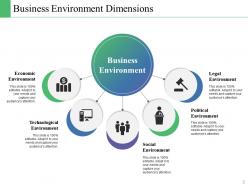
Slide 2: This slide showcases Business Environment Dimensions with these- Business Environment, Legal Environment, Political Environment, Social Environment, Technological Environment, Economic Environment.
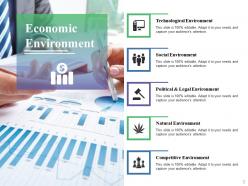
Slide 3: This slide presents Economic Environment with these of the parameters- Social Environment, Political & Legal Environment, Technological Environment, Competitive Environment, Natural Environment.
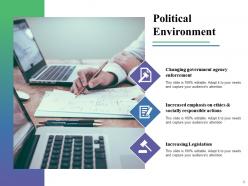
Slide 4: This slide showcases Political Environment with these three of the factors- Changing government agency enforcement, Increasing Legislation, Increased emphasis on ethics & socially responsible actions.
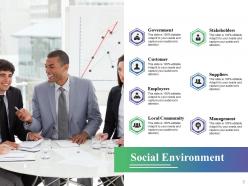
Slide 5: This slide presents Social Environment with these parameters- Government, Customer, Employees, Local Community, Management, Stakeholders, Suppliers.
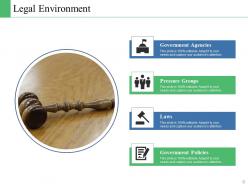
Slide 6: This slide showcases Legal Environment with these four parameters- Government Agencies, Pressure Groups, Laws, Government Policies.
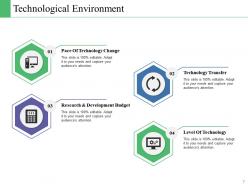
Slide 7: This slide shows Technological Environment factors- Pace Of Technology Change, Technology Transfer, Level Of Technology, Research & Development Budget.
Slide 8: This slide is a Coffee Break image for a halt
Slide 9: This slide forwards to Charts & Graphs.
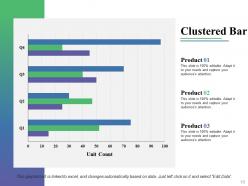
Slide 10: This is a clustured Bar image slide to show product comparison, growth etc.
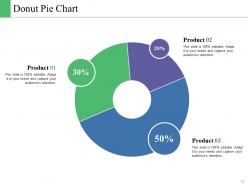
Slide 11: This slide presents Donut Pie Chart.
Slide 12: This slide is titled Additional slides.
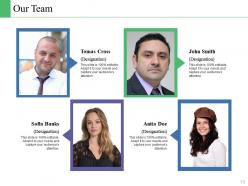
Slide 13: This is a Management Team slide.
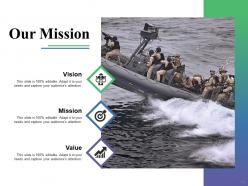
Slide 14: This is a Vision, Mission and Goals slide. State them here.
Slide 15: This is an Our Goal slide. State them here
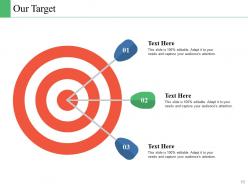
Slide 16: This is a Target slide. State targets here.
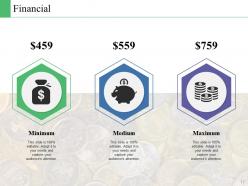
Slide 17: State your Financial score in this slide with relevant imagery and text.
Slide 18: This is a Thank You slide with Address:# street number, city, state, Contact Numbers and Email Address.
Business Culture Powerpoint Presentation Slides with all 18 slides:
Get down to the final analysis with our Business Culture Powerpoint Presentation Slides. Focus on every aspect of execution.




FAQs for Business Culture
Look at your company's values and communication style first. Leadership approach matters too. But honestly? Skip the poster on the wall - watch what people actually do instead. Daily behavior tells the real story. Notice meeting styles, how feedback happens, dress codes, social stuff. Work-life balance expectations are huge. Decision-making processes reveal a lot. How do they handle mistakes vs successes? I always tell people to watch conflict resolution and promotions. Those two things will show you everything you need to know about what's really valued there.
Your company culture is honestly everything when it comes to keeping people around. If employees feel supported and like their values match up with the workplace, they'll actually want to stay. Makes total sense, right? Nobody's gonna stick around somewhere that feels off or toxic. Good culture gives people that psychological safety thing - plus they actually connect with what the company's trying to do. Trust me, fixing culture now saves you so much money later. Way better than constantly hiring and training new people every few months.
Honestly, your team's gonna copy whatever energy you put out there. How you handle drama, celebrate wins, make tough calls - they're watching all of it. The people you promote? That tells everyone what you really care about way more than some mission statement poster. I've seen leaders preach collaboration then only reward the cutthroat types... mixed signals much? Your daily actions are basically setting the culture whether you realize it or not. So figure out what behaviors you actually want, then live them consistently. Oh, and your recognition systems matter too - people repeat what gets rewarded.
Anonymous surveys are your best bet - people won't sugarcoat things when their name's not attached. Also try grabbing coffee with folks from different teams, or honestly? Just listen in on break room chatter. That's where the real tea gets spilled. Check your turnover numbers too, and see if there's a pattern in why people are leaving. Oh, and compare what your company says it values versus what actually happens when push comes to shove. That disconnect usually tells you everything. Pick one thing and start there - don't overwhelm yourself trying to do it all at once.
Look, diversity isn't just some HR buzzword - it actually makes teams way better at solving problems. Different backgrounds mean different ideas, which is huge for innovation. But here's the thing that companies mess up all the time: you can't just hire diverse people and call it a day. You need to create spaces where those voices are actually heard and respected. Otherwise what's the point? People stick around when they feel like they belong, and honestly with how brutal retention is right now, that matters more than ever. It's about psychological safety - everyone needs to feel valued.
So remote work basically flips team culture on its head. No more random water cooler chats where bonds actually form naturally. Now you've gotta plan everything - which honestly feels forced at first. Those virtual coffee meetings? Super awkward initially but they actually do help people connect. Company values need to be spelled out way more clearly since nobody's picking up vibes just by being around the office. One cool thing though - quiet team members often speak up more on video calls. Oh, and definitely schedule casual hangouts regularly. You'll need to repeat your cultural stuff way more than you think.
Honestly, the hardest part is just getting people to actually want to change. Everyone says they're on board but then keeps doing things the old way. Your executives have to walk the walk too - if they're not living it, nobody else will bother. Communication always gets messy somewhere along the line. Plus you can't really measure culture change like you would sales numbers, which makes everyone antsy. Most places give up way too soon because it takes ages to see real results. Oh, and definitely get your leadership team locked in first - that's make or break for everything else.
Stories make your values real instead of just corporate poster fluff. Like, people actually remember when Sarah worked through the weekend to save that client deal way more than they'll remember "we value dedication." Honestly, bullet points are where good culture goes to die. Grab real examples from your team - maybe someone took a crazy risk that worked out, or went above and beyond for a customer. Then work those stories into your meetings and new hire stuff. Just ask around first. You'll be surprised how many good examples people have floating around that nobody talks about.
Track the obvious stuff first - engagement scores, turnover rates, internal promotions. But honestly? The exit interviews and quick pulse surveys usually tell you way more than spreadsheets do. Also watch participation in company events, how fast new people get settled, peer recognition happening. I always throw in productivity and customer satisfaction too since good culture tends to boost those. Oh, and do quarterly pulse checks - they're super easy but you get consistent reads on whether people actually feel the changes. Numbers matter but the qualitative feedback is where you'll find the real story.
Your company's values? They're like cultural DNA - totally shape how people act every day. If they're real (not just wall art), they guide hiring decisions and team dynamics. I've watched places where mission statements are pure marketing BS and honestly, everyone can smell the fake from miles away. The good stuff happens when what you say matches what you actually reward and celebrate. Short version: when people face tough decisions, do they actually think about your stated values? That's your litmus test right there.
Dude, toxic workplaces are productivity killers. People check out mentally when they can't stand their boss or coworkers. Innovation? Forget it. Nobody wants to stick their neck out in that environment. Your best employees will bail for competitors, and the ones who stay call in sick more often. Customer service tanks too - you can't fake being happy forever, right? I've seen companies lose millions because they ignored this stuff. Oh, and good luck hiring replacements when your reputation's shot. Start with those exit interviews people usually ignore. Actually listen to what former employees say about why they left.
Honestly, it starts with leadership actually walking the walk - they can't just say they want honesty then get weird when someone delivers bad news. Weekly check-ins work great where everyone shares what's going well and what sucks. Anonymous suggestion boxes are fine but feel kinda corporate to me. The bigger thing is training managers to dig deeper instead of just going "mmm okay" and moving on. Town halls can work too if people feel safe speaking up. Oh and make disagreeing normal, not this scary career-ending thing. Start small though - pick one team first.
Honestly, start with making people feel safe to fail - nobody's gonna pitch crazy ideas if they think you'll roast them later. Give them actual time to mess around with stuff (Google does that 20% thing for a reason). Mix up your teams too since the weirdest combos usually spark the best ideas. Those approval chains that take forever? Yeah, ditch those. When someone comes to you with something totally out there, don't immediately shoot it down. Try "interesting, walk me through it" instead. Regular brainstorm sessions help, maybe throw in some small prizes for wild concepts. Pick one tiny experiment and just start this month.
Dude, business culture is all over the map. Tech companies? Super casual and move fast. Finance is way more buttoned-up and hierarchical - though honestly, even that depends where you are. German banking is crazy structured, but Silicon Valley finance is still more flexible than old-school Wall Street. Geography makes a huge difference too. Japan's all about consensus and taking time, while New York wants direct communication and results yesterday. My advice? Research the communication style before jumping into meetings or deals somewhere new. You'll dodge some seriously awkward moments.
Look, feedback is basically a reality check for your company culture. Shows what's really going on vs what the bosses think is happening. Regular surveys or one-on-ones let your team actually shape their workplace - it's like crowdsourcing the vibe, you know? But here's the thing that drives me crazy: feedback without follow-through just makes people cynical. You've got to close the loop. Do pulse surveys, sure, but then actually tell people "hey, we heard you and here's what we're changing." Otherwise you're just wasting everyone's time asking questions you won't act on.
-
Really like the color and design of the presentation.
-
It saves your time and decrease your efforts in half.