


Business Growth Strategy And Revenue Model Powerpoint Presentation Slides






Try Before you Buy Download Free Sample Product
 Impress Your
 Audience
 100%
100% Editable
 Save Hours
 of Time


To enhance market penetration and make your presence eminent in market and product extension, this PowerPoint presentation is all that you need. Whether it's your business growth strategy or you are focusing on revenue model, every agenda can be marked clearly on the PowerPoint presentation. It not only focuses on agenda list but also offers good table of content which enhances the beauty of your work. The PPT slides are not only useful for business plan development but also can be used for school projects, as the colorful presentation slideshow helps to grab all the eyeballs by offering the perfect combination of color scheme. The brilliant mixture of graphic and text placed hand in hand in the PowerPoint presentation slide make it stand out and makes your task easy. Business Growth Strategy and Revenue Model PowerPoint Presentation Slides take care of all important sections like agenda, client information, team information and many more. That’s not the end but there are pre-designed bar graphs and colorful venn diagrams in the presentation that make it visually very impressive. Be a great guide with our Business Growth Strategy And Revenue Model Powerpoint Presentation Slides. Direct them firmly in the best direction.
People who downloaded this PowerPoint presentation also viewed the following :
Content of this Powerpoint Presentation
Slide 1: This slide presents Business Growth Strategy And Revenue Model. State your company name and begin.
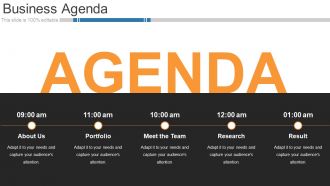
Slide 2: This is Business Agenda slide. State your business agendas here.
Slide 3: This slide shows Table of Content. We have mentioned few of the components to give you an idea, you can alter as per need.
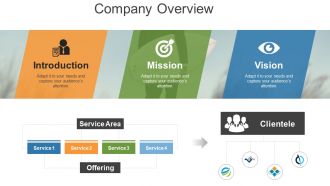
Slide 4: This slide presents Company Overview with- Introduction, Mission, Vision, Clientele, Service, Offering, Service Area.
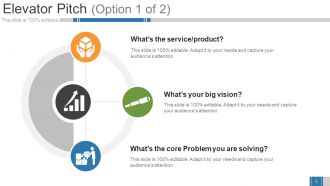
Slide 5: This is an Elevator Pitch (Option 1 of 2) slide showing- What’s the service/product? What’s the core Problem you are solving? What’s your big vision?
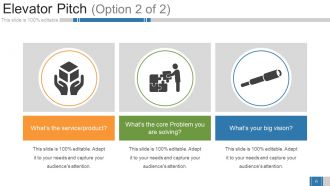
Slide 6: This slide also shows Elevator Pitch (Option 2 of 2) with icon imagery.
Slide 7: This slide showcases Our Team with name and designation to fill.
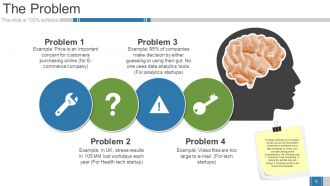
Slide 8: This slide shows The Problem with human brain imagery and their respective icons.
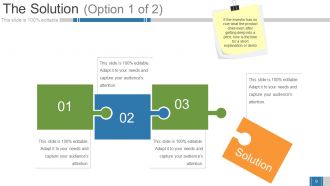
Slide 9: This is The Solution (Option 1 of 2) slide in a puzzle form with text boxes. Use it to state your business solutions.
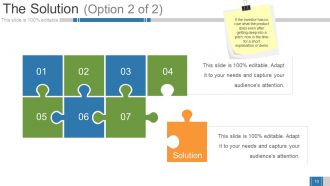
Slide 10: This is also The Solution (Option 2 of 2) slide to state your business solutions etc.
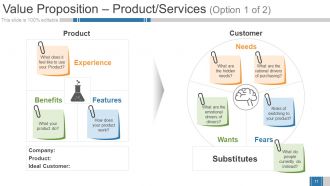
Slide 11: This is Value Proposition – Product/Services (Option 1 of 2) slide.
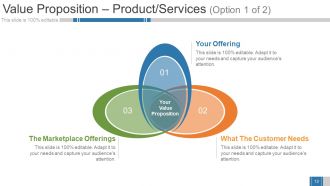
Slide 12: This is also a Value Proposition – Product/ Services (Option 1 of 2) slide showing- Your Offering, What The Customer Needs, The Marketplace Offerings.
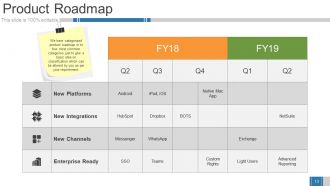
Slide 13: This slide showcases Product Roadmap. We have categorized product roadmap into four most common categories just to give a basic idea on classification which can be altered by you as per your requirement.
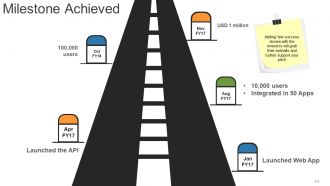
Slide 14: This slide shows Milestone Achieved timeline. Add relevant data and use it.
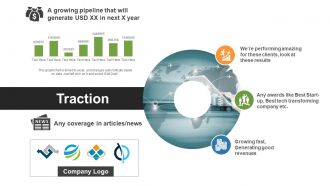
Slide 15: This slide shows Traction for business/ company startups.
Slide 16: This is a Business Model slide showcasing- How do you acquire customers? How do you provide your service? How do you monetize? Type of Business Model.
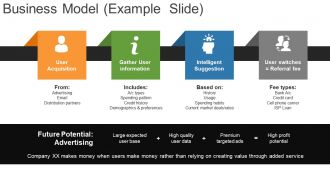
Slide 17: This is another Business Model (Example Slide) slide showing the following 4 points- User Acquisition, Gather User information, Intelligent Suggestion, User switches = Referral fee.
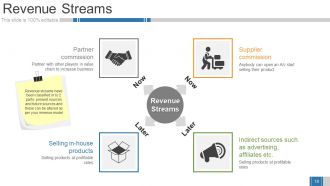
Slide 18: This slide shows Revenue Streams divided into 2 parts: present sources and future sources and these can be altered as per your revenue model.
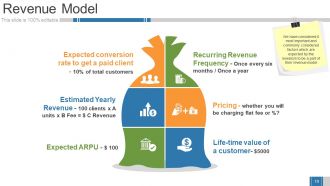
Slide 19: This slide showcases a Revenue Model with- Pricing, Estimated Yearly Revenue, Expected ARPU, Life-time value of a customer, Recurring Revenue Frequency , Expected conversion rate to get a paid client.
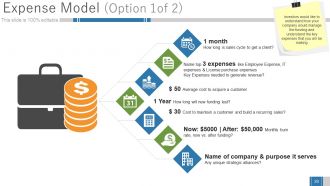
Slide 20: This is an Expense Model. State expenditure aspects here and make use of them.
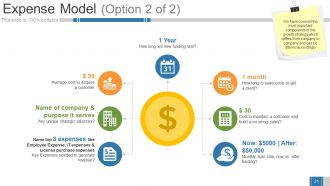
Slide 21: This slide also shows the Expense Model (Option 2 of 2). We have covered the most important components of the growth strategy which differs from company to company. You can alter them as per your requirement.
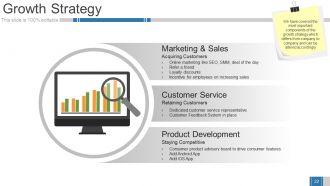
Slide 22: This slide shows Growth Strategy with the following 3 components- Marketing & Sales, Customer Service, Product Development. Alter as per your need.
Slide 23: This is a Coffee Break slide to halt. You may change it as per requirement.
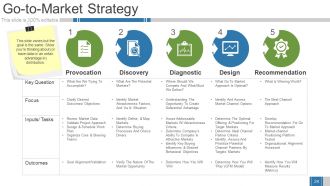
Slide 24: This slide shows Go-to-Market Strategy with the following - Provocation, Discovery, Diagnostic, Design, Recommendation.
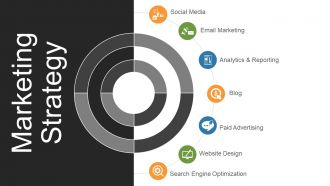
Slide 25: This is a Marketing Strategy slide with the following points to consider- Social Media, Email Marketing, Analytics & Reporting, Paid Advertising, Blog, Website Design, Search Engine Optimization.
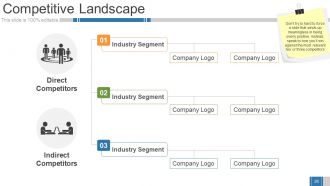
Slide 26: This slide shows Competitive Landscape with- Direct Competitors, Indirect Competitors, Company Logo, Industry Segment.
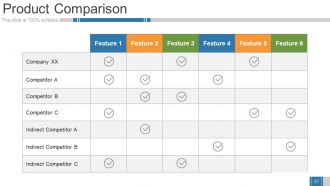
Slide 27: This slide shows Product Comparison.
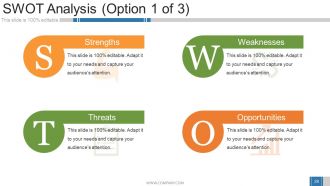
Slide 28: This slide presents a SWOT Analysis. State analysis aspects here.
Slide 29: This slide also shows SWOT Analysis.
Slide 30: This slide shows another variation of SWOT Analysis (Option 3 of 3).
Slide 31: This is a Financial Projections slide presented in a tabular form.
Slide 32: This slide shows Break-Even Analysis.
Slide 33: This slide is titled Financing. State financial aspects, highlights, stats etc. here.
Slide 34: This slide presents the Use of Funds in a pie chart/ graph form.
Slide 35: This slide presents the Shareholding Pattern in a pie chart/ graph form.
Slide 36: This is Exit Strategy slide showing- Acquisition, Financial Buyer, IPO.
Slide 37: This slide presents Client Testimonials to be shown.
Slide 38: This is Icons Slides For Business Growth Strategy. Add icons as per need and make use of them.
Slide 39: This slide is titled Additional Slides. You may change the slide content as desired.
Slide 40: This is an About Us slide. State company or team specifications here.
Slide 41: This is Our Mission slide. State your vision, mission etc here.
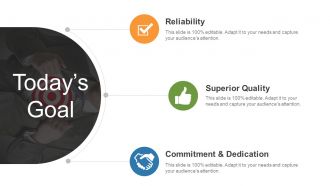
Slide 42: This is Today’s Goal slide using Reliability, Superior Quality, Commitment & Dedication as examples.
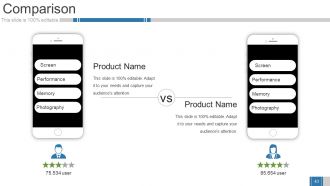
Slide 43: This is a Comparison slide. Use it for analysis, comparison etc.
Slide 44: This is a Quotes slide to highlight, or state anything specific.
Slide 45: This is Dashboard slide to show information in percentage etc.
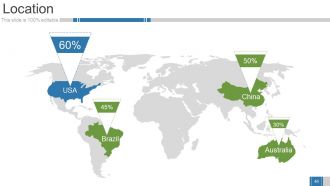
Slide 46: This is a Location slide to show global growth, presence etc. on a world map image.
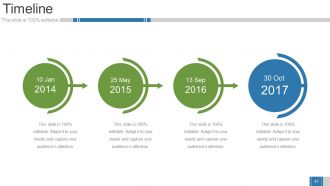
Slide 47: This is a Timeline slide to show growth, evolution, milestones etc.
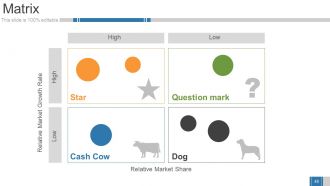
Slide 48: This is a Matrix slide ranging from High to Low and vice versa.
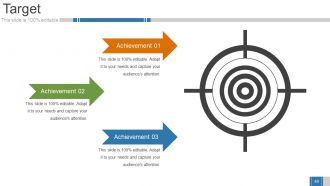
Slide 49: This is a Target slide to show targets, plans, achievements etc.
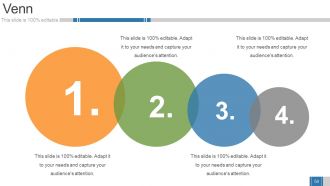
Slide 50: This is a Venn diagram image slide to show information, specifications etc.
Slide 51: This is a Mind map image slide to show information, specifications etc.
Slide 52: This is a Lego image slide to show information, specifications etc.
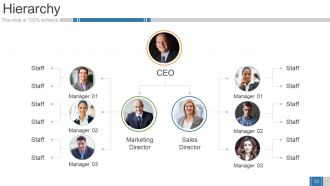
Slide 53: This is a Hierarchy image slide to show information, specifications etc.
Slide 54: This is a Post It slide to mark events, important information etc.
Slide 55: This is a Newspaper slide to show news, events etc. You can change the slide contents as per need.
Slide 56: This is a Puzzle pieces image slide to show information, specifications etc.
Slide 57: This is a Funnel image slide to show information, specifications etc.
Slide 58: This is a Silhouettes slide to show people specific information etc.
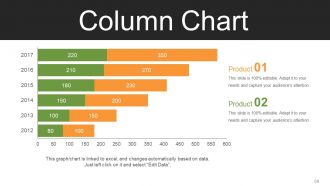
Slide 59: This slide presents a Column Chart for showcasing product/ company growth, comparison etc.
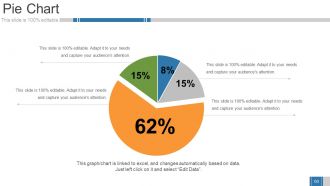
Slide 60: This is a Pie Chart slide to show product comparison etc.
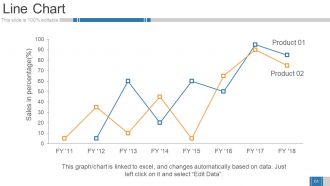
Slide 61: This is a Line Chart to present product/ entity comparison, specifications etc.
Slide 62: This is a Stock Chart to present product/ entity comparison, specifications etc.
Slide 63: This is a Radar Chart slide for product/ entity comparison.
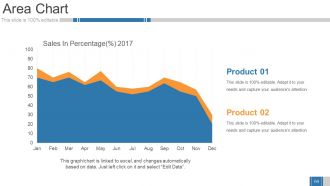
Slide 64: This is an Area Chart slide to present product/ entity comparison, information etc.
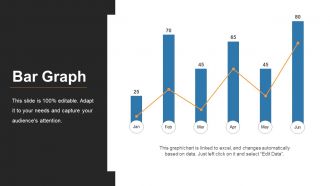
Slide 65: This is a Bar Graph image slide to show product comparison, growth etc.
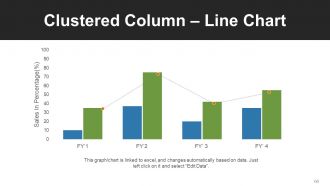
Slide 66: This is a Clustered Column - Line Chart slide to present product/ entity comparison, specifications etc.
Slide 67: This is a Contact Us slide with Email, Address# street number, city, state, Contact Numbers.
Slide 68: This is a Thank You slide for acknowledgement or to end the presentation.
Business Growth Strategy And Revenue Model Powerpoint Presentation Slides with all 68 slides:
Deserve the felicitations you get due to our Business Growth Strategy And Revenue Model Powerpoint Presentation Slides. Be congratulated for consistent achievement.
-

Business Growth Strategy And Revenue Model
-
Business Agenda
-
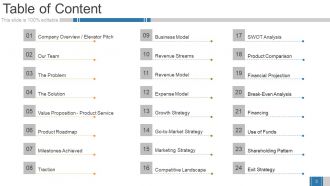
Table of Content
-
Company Overview
-
Elevator Pitch Option 1 of 2
-
Elevator Pitch Option 2 of 2
-

Our Team
-
The Problem
-
The Solution Option 1 of 2
-
The Solution Option 2 of 2
-
Value Proposition Product Services Option 1 of 2
-
Value Proposition Product Services Option 1 of 2
-
Product Roadmap
-
Milestone Achieved
-
Traction
-

Business Model
-
Business Model Example Slide
-
Revenue Streams
-
Revenue Model
-
Expense Model Option 1of 2
-
Expense Model Option 2 of 2
-
Growth Strategy
-

Coffee Break
-
Go to Market Strategy
-
Marketing Strategy
-
Competitive Landscape
-
Product Comparison
-
SWOT Analysis Option 1 of 3
-
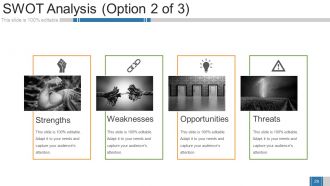
SWOT Analysis Option 2 of 3
-
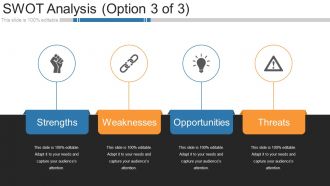
SWOT Analysis Option 3 of 3
-
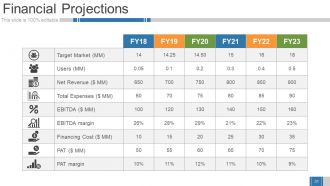
Financial Projections
-
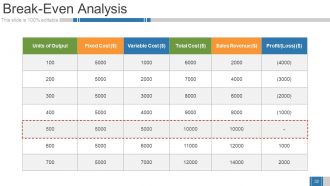
Break Even Analysis
-
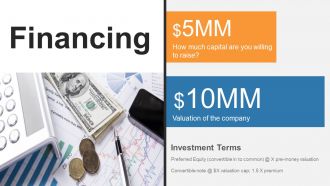
Financing
-

Use of Funds
-
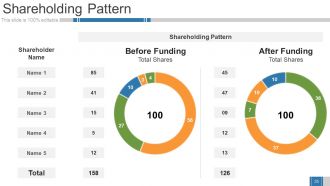
Shareholding Pattern
-
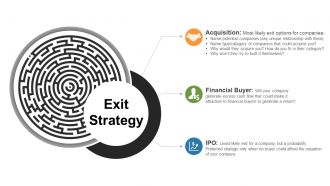
Exit Strategy
-

Client Testimonials
-
Icons Slides For Business Growth Strategy
-

Additional Slides
-
About Us
-

Business Growth Strategy and Revenue Model Presentati
-
Today s Goal
-
Comparison
-

Quotes
-

Dashboard
-
Location
-
Timeline
-
Matrix
-
Target
-
Venn
-
Mind Map
-
Lego
-
Hierarchy
-
Post it
-

News Paper
-
Puzzle
-
Funnel
-

Business Growth Strategy and Revenue Model Presentati
-
Column Chart
-
Pie Chart
-
Line Chart
-

Stock Chart
-

Radar Chart
-
Area Chart
-
Bar Graph
-
Clustered Column Line Chart
-

Contact Us
-

Thank You Slide
FAQs for Business Growth Strategy And Revenue Model
Market research is honestly where most people mess up - they skip it completely. Don't be that person. You need solid analysis of your market and crystal clear target customers. Financial planning can't be an afterthought either. Competitive positioning matters way more than you think. Set measurable growth goals and create a realistic timeline for scaling. Customer acquisition tactics - digital marketing, partnerships, expanding products - should all connect back to your main business objectives. Oh, and make sure you can actually track your progress. That part's crucial but somehow gets forgotten a lot.
Look, market research saves you from building stuff nobody wants - I've watched way too many startups crash because they thought they knew their customers but totally didn't. It gives you real data on what people actually need instead of just winging it. You'll spot which competitor gaps you can exploit and figure out your actual market size. The messaging part is huge too - what sounds good in your head might fall flat with real users. Oh, and catching trends early? That's where you can really get ahead. Just don't overthink it - validate your ideas fast, then go all-in on whatever the numbers tell you works.
Honestly, customer feedback is like having a crystal ball for your business expansion. It shows you what's already working and what totally isn't. Look for patterns - maybe tons of people are asking for something you don't offer yet, or they love one feature but hate how you deliver it. That's pure gold for figuring out where to expand next. Way better than paying some expensive consultant to make educated guesses, right? Before you dump money into new markets or products, check if your customers are actually hinting they want that stuff. Their voices should drive your decisions, not just gut feelings.
Honestly, digital marketing is way cheaper than traditional ads and you can actually see what's working. Target specific people on social media instead of hoping random strangers see your billboard. Content marketing builds trust better than pushy sales pitches - I learned this the hard way lol. Start small though. Pick one or two platforms where your customers actually spend time. Don't spread yourself too thin across every channel. Set a tiny budget first and test what clicks with people. Create stuff that's genuinely helpful. Sales happen naturally when you're not being salesy about it.
Track both your forward-looking and backward-looking metrics - you need the whole story. Revenue growth, CAC, and LTV are essential. If you're subscription-based, MRR is obvious. Website traffic and conversion rates will tip you off early when something's working (or isn't). Pipeline velocity matters too. Honestly, customer retention might be the most important one since growing while losing customers is just exhausting. Don't go crazy with data though. Pick 5-7 metrics for a simple dashboard and check them weekly so you can actually react when things shift.
So basically, you want to spy on your competitors to figure out where to focus your energy. Pick 3-5 companies doing what you do and check out their pricing, marketing, customer stuff - I do this monthly but honestly sometimes I get lazy about it. The cool thing is you'll spot gaps in the market they're missing, plus avoid their dumb mistakes. You can also see what "success" actually looks like by studying the top players. It's crazy how much you realize you don't know once you start digging. This beats randomly trying growth tactics and hoping something works.
Dude, aggressive growth can totally wreck you if you're not careful. Cash flow dries up fast, quality goes to shit, and your team culture just... disappears. I've watched so many startups implode after growing too quick - it's honestly heartbreaking. Don't blow through your cash reserves, that's survival 101. Build your processes before you actually need them (learned that one the hard way). Hire smart people, not just warm bodies. Oh, and check your numbers weekly instead of waiting a whole month - things change fast. Always have a backup plan ready because growth can stall overnight.
Partnerships are game-changers, honestly. You're basically tapping into someone else's customer base, skills, and distribution without burning through your own cash. Why reinvent the wheel when another company already nailed what you suck at? Sharing costs on big projects is clutch too - splits the risk and gets stuff done faster. The trick is finding partners who complement you, not compete. Like, if you're terrible at marketing but amazing at product dev, find a marketing powerhouse who needs better products. Map out your weak spots first, then hunt for companies crushing those areas.
Honestly, stick with the 70-20-10 split - most of your money should go to what's already making you cash (70%), then 20% on stuff that's kinda related to your business, and 10% on wild new ideas. Keep those innovation teams separate though, otherwise they'll mess with your day-to-day operations. I've watched so many businesses chase the latest trend and completely wreck their existing income - it's painful to see. Start small with test runs, track what actually works, then scale up. Oh and make sure the innovation people talk to your main team regularly so nobody's working in a bubble.
Look, scaling gets you growth and efficiency through automation, but honestly? It's risky if your foundation sucks. You'll burn cash way faster, though you can grab market share quickly. Organic growth is cheaper and safer - you keep quality control while expanding slowly. But here's the downside: competitors might zoom past while you're playing it safe. My take? Go organic first until you nail your processes and find product-market fit. Then scale hard. I've seen too many startups crash because they scaled too early - it gets messy fast.
Honestly, your social media is already showing you where to grow - you just gotta pay attention. People are literally telling you what they want in your comments and DMs. Those complaints? That's your next product idea right there. I spend way too much time creeping on competitors' posts to see what's landing and what isn't. Facebook groups are where the real tea is though - people complain about everything there. LinkedIn discussions too. Jump into those conversations and you'll figure out what everyone actually needs. Social listening tools help, but sometimes just scrolling and reading does the trick.
Honestly, the biggest thing is don't put all your eggs in one basket - diversify those revenue streams. Keep 3-6 months of cash sitting around for emergencies. When you make profit, reinvest it smartly instead of pulling everything out right away. Track how fast you're turning inventory into actual cash - that's what kills most businesses. I've watched companies literally grow themselves broke because they ignored cash flow (wild, right?). Don't go crazy with debt, and try forecasting your cash needs a year ahead. Oh, and check your numbers weekly, not just during tax season when it's too late.
Honestly, the biggest thing is getting your leadership to actually celebrate failures - not just say they do. Most execs still lose their minds when experiments don't work out perfectly. Once people see bosses walking the walk though, you can shift performance reviews to include innovation stuff, not just hitting safe numbers. Break down those stupid departmental walls with cross-functional teams. Oh, and this is crucial - give people real time and budget for testing ideas. Even 10% of their week makes a difference. Without that dedicated space, everyone just defaults back to playing it safe because they're too swamped with regular work.
Honestly, tech is what separates businesses that grow from ones that stay stuck. Automates the boring stuff, gives you actual data on what customers want, plus creates revenue opportunities you didn't even know existed. AI's already flipping marketing and customer service upside down - it's wild how fast things are changing. Your competition's probably already cutting costs and improving customer experience with the right tools. But here's the thing: don't just grab every new platform because it looks cool. Find what actually fixes your biggest headaches first.
Dude, engaged employees are everything for growth. I've watched companies with solid plans completely bomb because their teams just weren't into it. Your brilliant strategy means nothing if people are phoning it in, you know? Thing is, engaged workers actually solve problems instead of just checking boxes. They get creative. Show everyone how their specific job ties into the bigger growth picture - sounds obvious but most places skip this step entirely. People want to feel like they're making a real difference, not just filling spreadsheets or whatever.
-
Great designs, really helpful.
-
Attractive design and informative presentation.