

Revenue Model Powerpoint Presentation Slides





Try Before you Buy Download Free Sample Product
 Impress Your
 Audience
 100%
100% Editable
 Save Hours
 of Time


Document a plan of action to generate revenue for your business using Revenue Model PowerPoint Presentation Slides. Increase marketing ROI, sales productivity and growth with the help of revenue model PPT templates. Incorporate Revenue Model PPT slideshow to identify the areas of important to grow revenue. Make beneficial business decisions regarding financial planning by utilizing ready-to-use revenue generation complete presentation. This content-ready presentation covers topics like revenue streams, revenue model, expense model, revenue generation methods, revenue model, and more. Click the download button to get your hands on this ready-made professionally designed revenue model presentation slides and evaluate status of company’s revenue, discover the roadblocks and make beneficial business decisions. Choose the best course with our Revenue Model Powerpoint Presentation Slides. Give equal consideration to all angles.
People who downloaded this PowerPoint presentation also viewed the following :
Content of this Powerpoint Presentation
Slide 1: This slide presents Revenue Model. Use it to state your company name.
Slide 2: This slide showcases Revenue Streams. Revenue streams have been classified in to 2 parts: present sources and future sources and these can be altered as per your revenue model.
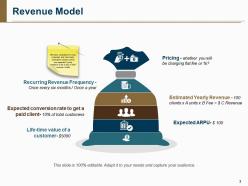
Slide 3: This slide presents Revenue Model. We have considered 6 most important and commonly considered factors which are expected by the investors to be a part of their revenue model. These are- Life-time value of a customer, Pricing, Recurring Revenue Frequency, Estimated Yearly Revenue, Expected conversion rate to get a paid client, Expected ARPU, Alter them as per your own revenue model.
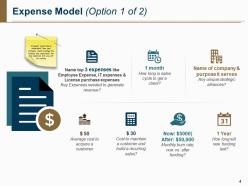
Slide 4: This slide showcases Expense Model.
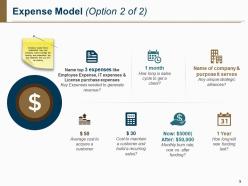
Slide 5: This slide also showcases the Expense Model.
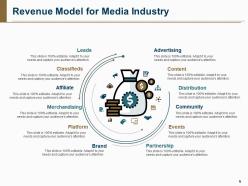
Slide 6: This slide showcases Revenue Model for Media Industry with the following pionts- Leads, Classifieds, Affiliate, Merchandising, Platform, Brand, Partnership, Advertising, Content, Distribution, Community, Events.
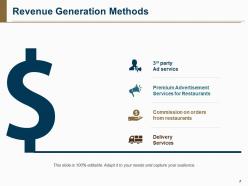
Slide 7: This is Revenue Generation Methods slide showing- Premium Advertisement Services for Restaurants, Commission on orders from restaurants, Delivery Services, 3rd party Ad service.
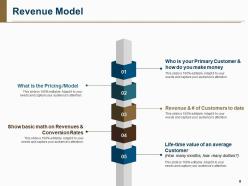
Slide 8: This is a Revenue Model slide showing- Who is your Primary Customer & how do you make money, Revenue & # of Customers to date, Life-time value of an average Customer, What is the Pricing /Model, Show basic math on Revenues & Conversion Rates.
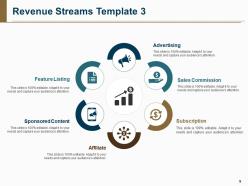
Slide 9: This slide states Revenue Streams such as- Advertising, Sales Commission, Subscription, Affiliate, Sponsored Content, Feature Listing.
Slide 10: This slide forwards to Charts & Graphs. You can alter/ modify content as per your requirement.
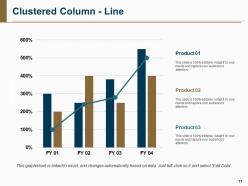
Slide 11: This is a Clustered Column - Line slide to present product/ entity comparison, specifications etc.
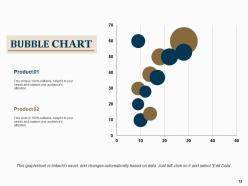
Slide 12: This is a Bubble Chart slide to present product/ entity comparison, specifications etc.
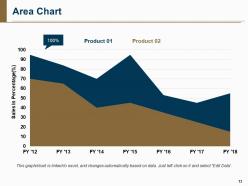
Slide 13: This is an Area Chart slide to present product/ entity comparison, specifications etc.
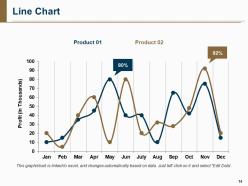
Slide 14: This is a Line Chart slide to present product/ entity comparison, specifications etc.
Slide 15: This is a Coffee Break image slide to halt. Edit as per need.
Slide 16: This slide is titled Additional Slides to move forward. Edit as per need.
Slide 17: This slide contains Our Mission with text boxes.
Slide 18: This slide helps depict Our Team with text boxes.
Slide 19: This is an About Us slide. State company or team specifications here.
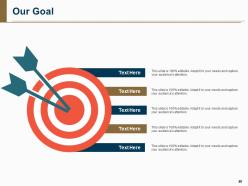
Slide 20: This is Our Goal slide. State your important goals here.
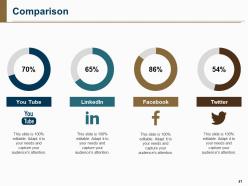
Slide 21: This is a Comparison slide to compare products/ entities etc.
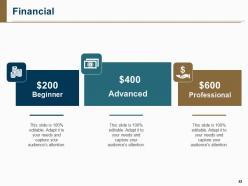
Slide 22: This is a Financial stats slide to state financial aspects etc.
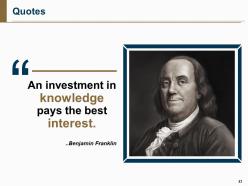
Slide 23: This slide presents Quotes. Sate your inspirational quotes here. You may change the slide content as per need.
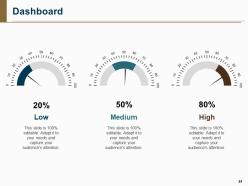
Slide 24: This slide presents the Dashboard with low, medium and high parameters.
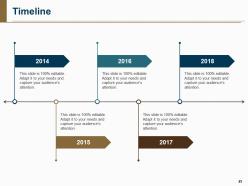
Slide 25: This is a Timeline slide to show growth, milestones, highlighting factors etc.
Slide 26: This is Our Target image slide. State your targets here.
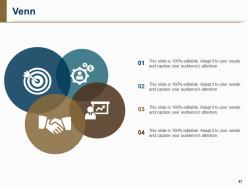
Slide 27: This is a Venn diagram image slide to show information, specifications etc.
Slide 28: This is a People's silhouettes slide. Use it the way you want to show solutions etc.
Slide 29: This is a Mind map image slide to show information, specifications etc.
Slide 30: This is a Bulb or Idea image slide to show ideas, innovative information etc.
Slide 31: This is a Magnifying Glass image slide to show information, specifications etc.
Slide 32: This is a Thank You slide with Address# street number, city, state, Contact Numbers, Email Address.
Revenue Model Powerpoint Presentation Slides with all 32 slides:
Groans disappear with our Revenue Model Powerpoint Presentation Slides. Everybody begins to grin again.






FAQs for Revenue Model
So there are basically three ways to make money: selling individual templates, doing subscription plans for unlimited downloads, and offering premium stuff like custom design work. Honestly? The subscription thing is where you'll really cash in - once people get addicted to your designs, they want access to everything. Oh, and definitely charge more for commercial licenses since businesses will totally pay extra to use your templates with their clients. I'd probably start with just selling individual ones first though, then add subscriptions once you've got enough content to make it worth the monthly fee.
Honestly, subscriptions work because people hate feeling like they wasted money. Bundle your templates into monthly plans and customers will keep downloading stuff to justify the cost. I'd start with a basic tier - maybe your most popular designs - and see what people actually use. The cool part is you can make subscribers feel special with exclusive templates or early access. Builds that VIP vibe, you know? Plus you'll get way better feedback since these are paying customers who actually care. Way better than random one-time buyers.
Here's the thing - pricing is basically a signal to customers about quality. Price too low and people think your templates are garbage before they even look. Psychology is weird like that. But go too high and you'll scare everyone off. You want that middle ground where people feel like they're getting a good deal without thinking you're cheap. Honestly, the best way is just testing different prices and seeing what converts. Your conversion rates will tell you exactly what people think your stuff is worth.
Map out where customers naturally hit upgrade points - usage limits, milestones, stuff like that. Cross-selling works when you bundle things that actually make sense together, not random add-ons. Honestly, most companies screw this up by being way too aggressive about it. Your offers need to feel helpful, not like you're just trying to squeeze more money out of people. Set up triggers in your CRM so your team knows when to jump in. I'd start with finding your top 3 moments where upgrades make obvious sense, then build around those.
Freemium's honestly pretty smart for presentation templates - people get to try your stuff before spending money, which builds trust. Plus free users bring in tons of traffic. But here's the thing: most people will never upgrade. Like, ever. Conversion rates are usually around 2-5%, which kinda sucks. You'll also burn through way more content since everyone expects fresh free templates constantly. I'd start with maybe 5-10 really good free ones that show off your skills, then put the fancy designs behind a paywall. Oh, and make sure those free templates actually look decent - nothing worse than crappy freebies that scare people away.
Look, customer feedback is basically your cheat sheet for pricing stuff right. People tell you straight up when prices are too high or when your packages make zero sense. I've watched companies totally overhaul their billing because customers kept complaining it was too complicated - which honestly makes sense. Your users also spot ways to use your product you probably never thought of, which can mean new ways to make money. Set up surveys, dig through support tickets, actually talk to people. The trick is doing something with what they tell you instead of just collecting it and forgetting about it.
Oh totally! Back-to-school season is huge - August/September you'll see crazy spikes when everyone's scrambling for presentation templates. New Year's another goldmine with all the planning decks people need. Holidays are dead though, nobody wants to mess with work stuff on vacation (can't blame them honestly). Q4 might surprise you with how slow it gets despite other industries being slammed. Conference season in spring brings things back up. I'd time your marketing around those peaks and maybe throw together some themed templates when demand's high. Easy revenue boost right there.
Dude, educational partnerships are actually a goldmine if you do them right. Course licensing brings in direct cash, same with certification programs or building custom training for them. But here's the cool part - you get access to their entire student network for recruiting or selling your stuff. Universities are always down to collaborate on research projects too, which can turn into grant money or licensing deals later. Oh, and it's basically free market research since you're working directly with your target audience. Just don't go in with some vague "let's work together" pitch - they hear that garbage all day. Find schools that match what you're good at and propose something specific.
CLV to CAC ratio is what you really need to watch - that's your main thing. Monthly recurring revenue growth and churn rate matter too, plus average revenue per user. Most founders get caught up in follower counts and stuff that doesn't actually matter. Conversion rates at each funnel stage will show you where people drop off. Oh, and time-to-payback on new customers is clutch. If you're doing subscriptions, expansion revenue from current customers can be bigger than new signups sometimes. I'd check these weekly so you catch problems before they get worse.
So tiered pricing is basically where you set up different price levels for different types of customers. Budget people get the basic version, heavy users pay more for premium features - makes total sense, right? You're not missing out on money from either group this way. Small companies can start cheap while big enterprises drop serious cash for the fancy stuff. Each tier needs to feel worth it though, and customers should easily see the differences. Oh, and definitely figure out who your customers actually are first - like what they need vs. what they'll pay for. Game changer honestly.
Yeah, custom templates can definitely make you more money if you price them right. People pay extra for personalized stuff, so your margins are usually better. Plus customers stick around longer when they're invested in something custom-made for them. The catch? Development takes way longer and support gets messy - I've seen too many companies totally underestimate the ongoing headaches. Honestly, test it with your biggest clients first. Figure out what it actually costs you before you go crazy and offer it to everyone. That way you won't price yourself into a corner later.
Dude, user-generated content is honestly a money maker. Your users basically create content for free, which cuts your costs big time. That authentic stuff performs way better than polished ads too - people trust it more. Here's what's cool: you get massive insight into what your audience actually wants. Some brands even license user photos or feature them in paid products. The trick is making it super simple for people to share stuff, then figuring out how to turn that content into cash. Oh, and having good systems to organize it all - otherwise you'll drown in submissions.
Honestly, there's a bunch of ways to make money from free templates. The freemium thing works really well - give away basic stuff, then charge for the fancy versions. Lead magnets are huge too. People download your free template, join your email list, then you can sell them courses or whatever. Some folks do licensing deals with bigger companies, which is pretty sweet if you can swing it. Oh, and tiered access is solid - like free for personal use but businesses pay. The trick is making sure your free stuff doesn't suck, because if it does, nobody's gonna trust you enough to buy anything. I'd probably start with just one approach and see what sticks before going crazy with it.
Honestly, global markets will mess with your revenue model constantly. Emerging markets need freemium or cheaper tiers since people just can't afford premium pricing. Currency swings are brutal too - found that out the hard way last quarter when the dollar went crazy. But hey, mature markets are where you can actually push those enterprise deals and premium subscriptions. Oh, and cultural stuff matters more than you'd think. Some places hate subscriptions and want one-time purchases instead. You've gotta build in flexibility so you can switch up pricing and payment options depending on where your customers are. It's honestly exhausting but necessary.
So customer segmentation is basically figuring out which groups will pay what. Different segments have totally different spending habits and what they actually value - enterprise customers might drop serious cash on premium features while startups couldn't care less about that stuff. You can spot your highest-value segments and focus your marketing budget there instead of just throwing money around everywhere (which honestly most companies do way too much). The trick is matching each segment to the right pricing tier. I'd start by looking at your current customers' behavior. See if there are any obvious patterns in how much they're spending and go from there.
-
Professional and unique presentations.
-
Best Representation of topics, really appreciable.