

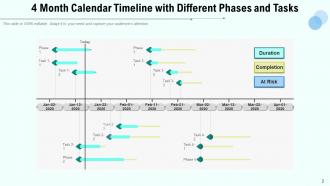
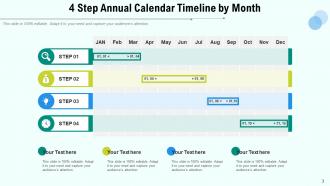
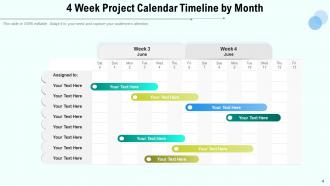
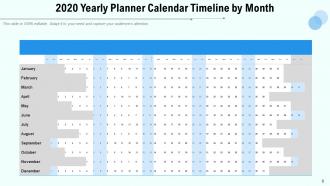
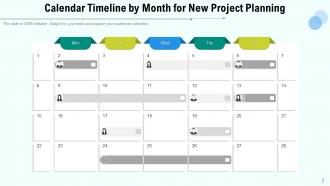
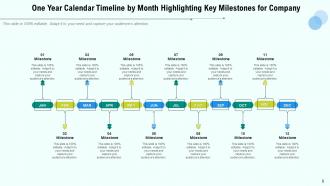
Calendar Timeline Training Plan Milestone Planning Month Duration Completion




Try Before you Buy Download Free Sample Product
 Impress Your
 Audience
 100%
100% Editable
 Save Hours
 of Time


Our Calendar Timeline Training Plan Milestone Planning Month Duration Completion are topically designed to provide an attractive backdrop to any subject. Use them to look like a presentation pro.
People who downloaded this PowerPoint presentation also viewed the following :
Calendar Timeline Training Plan Milestone Planning Month Duration Completion with all 12 slides:
Use our Calendar Timeline Training Plan Milestone Planning Month Duration Completion to effectively help you save your valuable time. They are readymade to fit into any presentation structure.

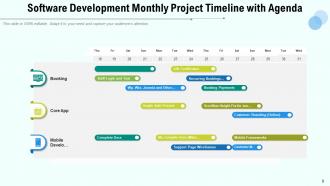
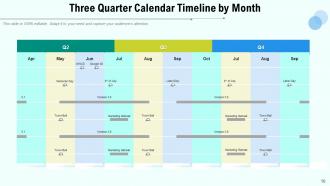
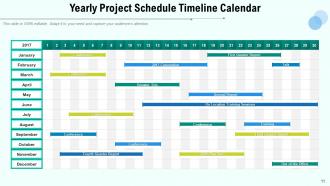
FAQs for Calendar Timeline Training Plan Milestone Planning
Work backwards from your deadline and pick the checkpoints that actually matter - not just fluff that looks impressive. Give yourself buffer time between each one because things always take longer than expected. Assign someone to own each milestone, otherwise nothing gets done. I learned this the hard way on my last project lol. Regular check-ins help catch problems before they blow up. Don't cram milestones too close together. Map out what depends on what so when timelines inevitably shift, you're not scrambling to figure out what breaks.
Honestly, milestone planning is a game changer. You break your project into like 4-6 major checkpoints instead of staring at this overwhelming mountain of work. Each milestone has its own deadline and deliverable, so you're not just wandering around hoping for the best. Your team actually gets excited hitting these smaller wins rather than slogging toward some finish line that feels forever away. I learned this the hard way on a project that dragged on for months without any clear progress markers - never again. Pick your major milestones first and you'll be amazed how much clearer the whole thing becomes.
So for milestone stuff - Microsoft Project is the gold standard if you need all the bells and whistles with Gantt charts and resource tracking. But honestly? It's way too much for most projects. Asana and Monday.com are way friendlier and have nice timeline views that make milestones super visual. Trello's free and surprisingly decent for basic milestone mapping, though pretty bare-bones (I used it for my side project last year). Here's what I'd do - check if whatever tool you're already using has milestone features first. No point switching everything around if you don't have to.
Break down each milestone into tiny tasks first - way easier to estimate the small stuff. I always look at similar work I've done before, or bug whoever's actually doing it for their take. Dependencies are huge too - like what needs to happen first before you can even start? Honestly, I'm paranoid about timelines so I throw in a 20-30% buffer every time. Something always breaks or takes longer than expected. Oh, and don't forget review cycles and approvals - that stuff drags on forever. Track your estimates against reality so you'll get less terrible at this over time.
You definitely need stakeholder input for milestone planning - without it you're basically guessing. They know about dependencies you'd never think of and can spot unrealistic deadlines from a mile away. Plus people are way more invested in timelines they actually helped build vs ones you just dropped on them. I learned this the hard way on my last project, honestly. Get key players involved early when you're setting major milestones, then circle back regularly. Map out who's actually affected first. Then do quick check-ins to align on timing and what you're delivering.
Okay so first thing - map your milestones back to your main goals. Like, each one should actually prove you're getting somewhere, you know? I always rank by impact and dependencies because trust me, it prevents so many problems down the road. Focus on milestones that either unlock other work or give stakeholders something valuable early. Obviously factor in your resources and realistic timelines too. Oh and here's what works for me - write down your top 3 project goals first, then check that every major milestone connects to at least one. Makes everything way clearer.
Check in weekly or bi-weekly depending on how tight your timeline is. A simple Gantt chart works great, or honestly just a basic spreadsheet - whatever you'll actually use. I'm weirdly obsessed with color-coding everything green/yellow/red because problems jump out immediately. Quick team status meetings help catch roadblocks early. Don't stress about adjusting milestone dates if your scope shifts (it happens to everyone). The whole point is spotting issues fast instead of realizing you're screwed at the last second.
Okay so first thing - figure out what's actually critical versus what just *feels* urgent (I'm terrible at this btw). Drop or delay the nice-to-haves for now. Break your big scary milestones into smaller pieces if you can. Honestly, most deadlines aren't as set in stone as people think they are. Definitely loop in your stakeholders ASAP though - nobody likes surprises. Oh and build in some padding for next time because let's be real, there's always another curveball coming. You got this!
Honestly, the biggest mistake I see is making milestones way too vague. Like saying "finish research" instead of "complete 20 user interviews by Friday." Super unhelpful when you're trying to track progress. Also - and this one bit me hard on my last project - always pad your timelines. I'm talking 20% buffer minimum because something will definitely go sideways. Oh, and get everyone on the same page about what "done" actually means before you start. Otherwise you'll deal with scope creep from hell later. Make everything specific and measurable, basically.
So basically, agile milestones bend way more than traditional ones. Traditional PM locks you into concrete deadlines from day one - you march toward them no matter what. With agile, you're hitting goals by sprint but can pivot based on what you discover. Took me ages to stop freaking out about that flexibility, honestly. Traditional milestones track project phases getting done. Agile ones? They're about shipping actual working features to users. My advice - nail down your MVP milestones first, then bake some wiggle room into your timeline. Way less stressful that way.
Honestly, just pick like 3-5 metrics max per milestone or you'll go crazy with data. Track the obvious stuff - completion rates, timeline, budget, quality scores. Stakeholder satisfaction is huge too (learned that the hard way). Team velocity matters more than people think. Are you actually delivering value to users? That's the real question. Oh, and don't forget risk mitigation - how well you're preventing fires before they start. I used to track everything and it was useless. Better to focus on what you can actually act on instead of making pretty charts nobody reads.
Honestly, milestone planning is a game-changer for keeping teams on track. You map out 3-4 big checkpoints upfront so nobody's wondering "wait, what am I supposed to be doing right now?" Hit those milestones together and you get these mini celebrations that actually feel pretty rewarding. People start seeing how their stuff connects to everyone else's work too. When someone hits a snag, they'll speak up earlier instead of letting things spiral. I mean, I've seen projects completely fall apart without this structure - it's wild how much smoother things run when everyone knows the plan.
Honestly, just pick one format and stick with it - people hate inconsistency. Even when nothing major happens, still send updates because radio silence freaks everyone out. Don't sugarcoat delays either, just be straight up about problems early. Charts and dashboards work way better than long emails (nobody reads those anyway). Oh, and definitely customize your message - your boss wants the big picture while your team needs all the details. Set up regular timing so people know what to expect. I learned this the hard way when I went quiet for three weeks and got like ten "is everything okay?" messages.
Honestly, I'd check your milestones every 2-3 weeks - that's the sweet spot for most projects. Monthly feels too long because problems pile up fast. Weekly works if you're in crunch mode or things are moving super quickly. The trick is actually sticking to whatever schedule you pick (I'm terrible at this btw). Set up those calendar reminders now or you'll definitely forget. Also, update your plan right after each review session while everything's still clear in your head - don't wait until later when you've already forgotten half the discussion.
Honestly, the key is just making sure people actually understand why each milestone matters - like how it fits the bigger goal. Celebrate when they hit targets! Even something simple like shouting them out in Slack works wonders. I'd break those huge milestones into smaller wins so there's more frequent dopamine hits along the way. Throw in some real rewards too - extra PTO days, team lunches, maybe training they've been wanting. Oh, and check in regularly to clear roadblocks. Shows you're actually invested in helping them succeed, not just watching from the sidelines.
-
Excellent template with unique design.
-
Really like the color and design of the presentation.
-
Best way of representation of the topic.
-
Excellent Designs.