


Capability Development Powerpoint Presentation Slides




Try Before you Buy Download Free Sample Product
 Impress Your
 Audience
 100%
100% Editable
 Save Hours
 of Time


Use Capability Development PowerPoint Presentation Slides to focus on the development of an individual or team through various strategies and activities to achieve business goals. Meet and work on future challenges. Build capacity for change using professionally designed content-ready capability development PPT slides. This capability development model PowerPoint slideshow will serve your team extensive learning opportunities and support experimental practices. Incorporate easy-to-understand capability development PowerPoint templates such as capability assessment, capability maturity model, current vacancies, job description, recruitment budget, training plan, and more. This ready-made capability development PowerPoint presentation is completely customizable. You can edit the templates as per your requirement. Change color, text, icon and font size as per your need. Download capability development PowerPoint presentation to help your team develop the skills they need to meet the business goals. Our Capability Development Powerpoint Presentation Slides will go behind you. They will endorse your every thought.
People who downloaded this PowerPoint presentation also viewed the following :
Content of this Powerpoint Presentation
Slide 1: This slide introduces Capability Development. State Your Company Name and begin
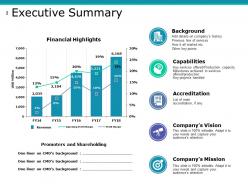
Slide 2: This slide showcases Executive Summary. You can add the data and make use of it.
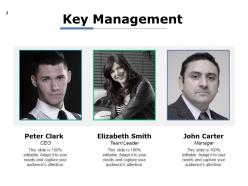
Slide 3: This slide presents Key Management. Add the data of your company and name with designation.
Slide 4: This slide showcases current organization structure. Add the data as per your requirement.
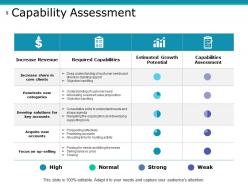
Slide 5: This slide shows Capability Assessment with these four levels- High, Normal, Strong, Weak.
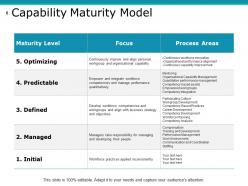
Slide 6: This slide showcases Capability Maturity Model. You can add the data in maturity level, focus and process area.
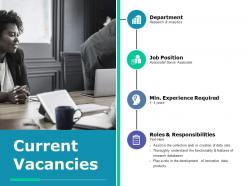
Slide 7: This slide shows Current Vacancies, You can add these data listed below- Department, Research & Analytics, Job Position, Associate/ Senior Associate, Min. Experience Required.
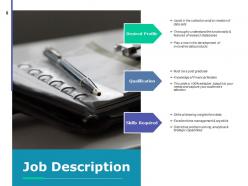
Slide 8: This slide showcases Job Description with these points- Desired Profile, Qualification, skill required.
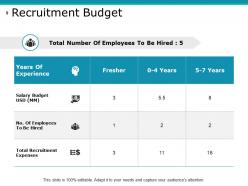
Slide 9: This slide presents Recruitment Budget with table and add data in it as per business requirement.
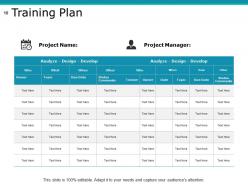
Slide 10: This slide shows Training Plan with these details- Project Name, Project Manager.
Slide 11: This slide showcases Capability Development Icon Slide.
Slide 12: This slide is titled Additional slides.
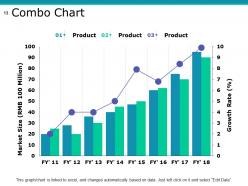
Slide 13: This slide presents a Combo Chart graph/chart. Compare Product 01, Product 02 and use as per required.
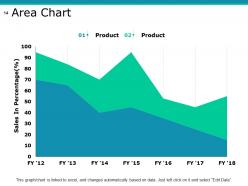
Slide 14: This slide presents a Area Chart. Compare the two products and use it as per requirement.
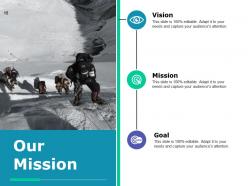
Slide 15: This slide represents Our Mission. State your mission, goals etc.
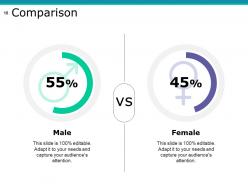
Slide 16: This slide shows Comparison of Positive Factors v/s Negative Factors with thumbsup and thumb down imagery.
Slide 17: This slide helps show- About Our Company. The sub headings include- Creative Design, Customer Care, Expand Company
Slide 18: This slide showcases a Puzzle with imagery.
Slide 19: This is a Magnifying glass image slide to show information, scoping aspects etc.
Slide 20: This slide displays a Bulb or idea image.
Slide 21: This is a Thank You image slide with Address, Email and Contact number.
Capability Development Powerpoint Presentation Slides with all 21 slides:
In business you have to be always ready to attack. Professionally created readymade Capability Development Powerpoint Presentation Slides are a handy tool for those emergency presentations.

FAQs for Capability Development
Start with a solid skills gap analysis - figure out where you are vs where you need to be in like 12-18 months. Get leadership on board early (trust me, without their support you're dead in the water). Set up clear learning paths, but mix formal training with real projects where people can actually apply stuff. Mentoring helps tons too. Track progress regularly and create an environment where it's safe to screw up - honestly, that's when the best learning happens. Oh, and make it ongoing instead of those painful one-day training sessions everyone forgets. Always connect everything back to business results so people see the point.
Honestly, you've gotta do a capability audit first - figure out what skills and resources you actually have vs what you think you have. Skip the org charts though, they're basically useless. Talk directly to the people doing the work instead. Do skills assessments and have real conversations with your team leads about where things break down. Gap analyses help too, but keep them honest. Oh and don't try to tackle everything at once - that's a recipe for burnout. Pick one area and really dig into it. Then you'll know what to build internally, what to buy, or where you need partners.
So training is basically what builds up your team's skills to hit those big goals you're chasing. It bridges the gap between what people can do now and what you actually need them to do. Honestly, it's one of the few things that directly boosts performance if you do it right. The trick is figuring out your capability gaps first - like, what's actually missing? Then design training around those specific holes instead of just doing generic stuff because HR said so. Otherwise you're just wasting everyone's time. Map the gaps, then fill them.
Look, tech can totally speed up how your team develops skills - AI learning tools, VR training, all that good stuff. But here's where most people mess up: they get distracted by every new shiny thing that comes out. I've seen teams waste months jumping from tool to tool instead of actually addressing what their people need to learn. My advice? Be picky. Don't grab new tech just because it's hot right now. Only use stuff that actually makes your team better at what they do. Otherwise you'll spend more time managing tools than developing talent.
Track the obvious stuff first - test scores before/after training, how many people pass certifications, and whether new hires actually get up to speed faster. But honestly, the soft metrics matter just as much. Survey people about their confidence levels, check if they're sticking around longer, see who's getting promoted internally. Oh and definitely watch engagement during the actual training - doesn't matter how great your program is if nobody shows up. Start small though. Pick maybe 3-4 things that actually connect to what your company cares about instead of drowning in data.
Honestly, the biggest thing is making it feel normal, not like extra work dumped on people. Celebrate the messy attempts! I've watched so many places preach "growth mindset" then only promote folks who already know everything - drives me crazy. Get people experimenting and cross-training regularly. Your managers should be asking "what'd you learn?" just as much as "did you hit your numbers?" Also, people need actual time and safety to screw up without getting roasted for it. Otherwise they'll never try anything new.
Honestly, the worst part is always people changing their minds halfway through - like they finally figured out what they actually wanted lol. Resource constraints suck too, plus getting everyone aligned from the start. My strategy? Over-communicate everything, even when it feels annoying. Document decisions religiously because people forget what they agreed to. Buffer time is non-negotiable - something always goes sideways. Get a project sponsor who can actually make calls quickly instead of forming committees for every little thing. Oh, and those regular check-ins aren't optional - they catch problems before they become disasters.
Honestly, if your leaders aren't putting real money and time behind development, it's just corporate theater. They need to actually show up to training themselves - I've seen how much that changes things when people see their boss learning too. The best part is when leaders create that safe space where you can screw up while practicing new skills without getting thrown under the bus. Budget matters, but the modeling behavior is huge. Oh, and they can't treat it like some HR thing they have to check off. Development has to feel like an actual priority or people won't buy in.
Look, capability development is what lets your org pivot fast when stuff hits the fan. You're building up your team's skills, processes, and tech so you can actually respond to market changes instead of scrambling. It's like cross-training - though honestly, I'm getting tired of sports analogies everywhere. The better your foundational capabilities, the quicker you can shift strategy when needed. Short version? Figure out which capabilities would open up the most doors for your team. That's where you start investing your time and resources.
Honestly, external partnerships are a game-changer for building new capabilities fast. You get instant access to expertise and resources that would take forever to build internally. Why spend years figuring stuff out when someone's already nailed it? Good partners bring specialized knowledge, proven methods, and sometimes funding too. They'll also catch things your team misses - fresh eyes are clutch for that. I learned this the hard way at my last job actually. Just make sure you're picking partners who fill your gaps, not doing what you already rock at.
Honestly, everything's moving toward AI integration and those bite-sized learning chunks instead of sitting through 8-hour training marathons (thank god). Companies are ditching the old "learn your role once and you're set" approach. Now it's all personalized learning paths that actually adapt to what you suck at, plus way more focus on moving people around internally since hiring's so expensive. Oh, and hybrid learning is everywhere - mix of online and in-person stuff. Skills matter more than job titles now too. My take? Map out what you're good at versus what you'll need because this whole thing's only speeding up.
Start by figuring out what skills you actually have versus what you need to hit your goals. Honestly, forget the complicated frameworks for now - just get your leadership team together and hash out the biggest gaps. Focus on investing in capabilities that'll directly move the needle on revenue, customer happiness, or making operations smoother. This is where most companies mess up though - they measure training completions instead of real business results. Short wins matter here. Treat this whole thing like you're making strategic bets with your money, not just checking boxes for HR. Otherwise you'll waste months on stuff that doesn't matter.
Here's the thing - people only care about development when it actually connects to what they want. So skip the boring corporate training modules (seriously, those are the worst). Instead, set up mentoring programs and give them real stretch projects where they can use new skills right away. Cross-functional work is huge for this. Also, peer learning groups work way better than you'd think - people love sharing knowledge with each other. The trick is making each opportunity feel like it's moving their career forward, not just checking some company box. Make it personal and they'll actually engage.
So basically, instead of relying on just formal training, social learning lets your people pick up skills from each other. Knowledge sharing happens naturally when teams collaborate and watch how others handle problems. You get this cool ripple effect where good practices spread across departments without anyone forcing it. The trick is making spaces where people actually want to share what they know - maybe communities of practice or casual lunch sessions. Honestly, I've seen it work way better than boring corporate workshops. It's like having mentors everywhere, plus it breaks down those annoying knowledge silos that slow everything down.
Don't treat capability development like some separate HR thing - weave it straight into your normal review process. Map what people can do now against what they'll need later, then set development goals right alongside performance ones. Honestly, I've watched so many companies just tack this on at the end and wonder why nothing changes. Train your managers to actually coach, not just say "get better at presentations" and walk away. Do quarterly check-ins throughout the year instead of cramming everything into one annual conversation. Oh, and track both performance AND growth - you need both metrics or you're flying blind.
No Reviews