


Capacity Building Powerpoint Presentation Slides




Try Before you Buy Download Free Sample Product
 Impress Your
 Audience
 100%
100% Editable
 Save Hours
 of Time


Incorporate professionally designed content-ready Capacity Building PowerPoint Presentation Slides to retain and improve the skills of an individual and organization to do their jobs competently or to a greater capacity. Strengthen skills, abilities and competencies to increase the effectiveness and achieve organizational goals and objectives. This ready-to-use capacity development PowerPoint slideshow comprises of templates such as executive summary, current organization structure, capability assessment, capability maturity model, current vacancies, job description, recruitment budget and training plan. These PowerPoint templates are completely customizable. You can edit the template as per your convenience. Change color, text, icon, and font size as per your requirement. Add or delete content, if needed. Incorporate easy-to-understand capacity building PowerPoint slide layouts for human resource, organizational, individual and management development. Download this ready-made capacity building PowerPoint presentation slideshow to enhance knowledge, output rate, management skills and other capabilities of an organization. Our Capacity Building Powerpoint Presentation Slides abhor garrulity. They focus on the essential aspects.
People who downloaded this PowerPoint presentation also viewed the following :
Content of this Powerpoint Presentation
Slide 1: This slide introduces Capacity Building. State Your Company Name and get started.
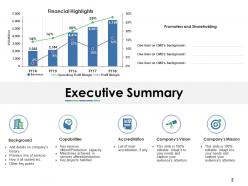
Slide 2: This slide showcases Executive Summary.
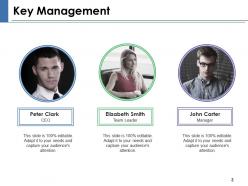
Slide 3: This slide presents Key Management with the three of the imagery space.
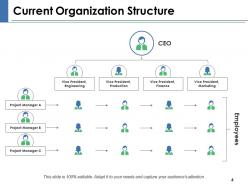
Slide 4: This slide presents Current Organization Structure
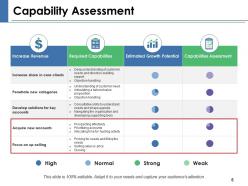
Slide 5: This slide showcases Capability Assessment with three of the parameters- High, Normal, Strong, Weak.
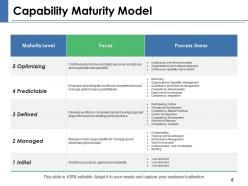
Slide 6: This slide shows Capability Maturity Model. You can add the maturity level, focus and process areas.
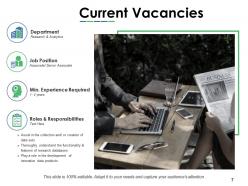
Slide 7: This slide presents Current Vacancies with department, job position and other information.
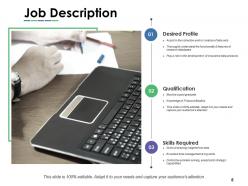
Slide 8: This slide showcases Job Description with desired profile and qualifictaion.
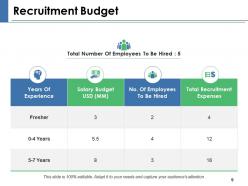
Slide 9: This slide displays Recruitment Budget. This also shows Total Number Of Employees To Be Hired : 5
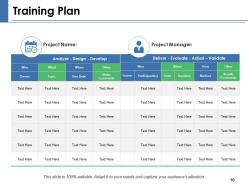
Slide 10: This slide displays Training Plan with which you can add the Project Name,Project Manager.
Slide 11: This slide showcases Capacity Building Icon Slide.
Slide 12: This slide is titled Additional Slides to move forward.
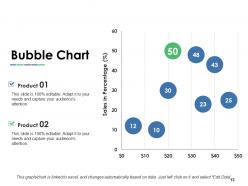
Slide 13: This slide showcases Bubble Chart. You can add the data and make use of it.
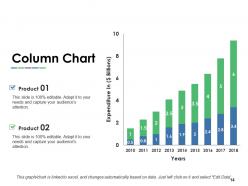
Slide 14: This slide presents a coloumn Chart graph/chart. Compare Product 01, Product 02 and use as per required.
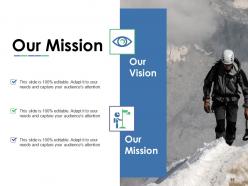
Slide 15: This slide represents Our Mission. State your mission, goals etc.
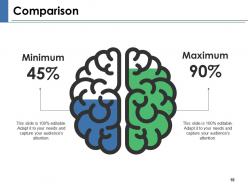
Slide 16: This slide show Comparison. You can use this for the comparing the name.
Slide 17: This slide helps show- About Our Company. The sub headings include- Creative Design, Customer Care, Expand Company
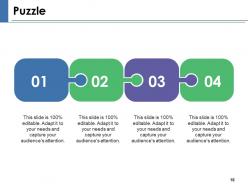
Slide 18: This slide showcases a Puzzle with imagery.
Slide 19: This slide displays a Magnifying Glass with icon imagery.
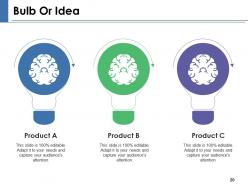
Slide 20: This is a Bulb or Idea slide to state a new idea or highlight specifications/information etc.
Slide 21: This is a Thank You slide with image.
Capacity Building Powerpoint Presentation Slides with all 21 slides:
Facilitate further improvement with our Capacity Building Powerpoint Presentation Slides. Identify factors that foster efficiency.




FAQs for Capacity Building
Start with figuring out what skills people actually have versus what they need - that's your gap analysis right there. Design some training or mentoring to fill those holes. Implementation gets chaotic (it always does, honestly), but roll with it and adjust your timeline. Here's what people forget though: you've got to measure if it's working. Track both what people learned AND whether they're actually doing things differently. Oh, and make sure leadership is on board with funding this stuff long-term. Map it out systematically - current state, future state, how you'll get there.
Honestly, most companies just count training hours and think they're done - which is basically useless. What you really need is before/after skill assessments and retention rates. Are people actually sticking around? Survey feedback matters too since employees will straight up tell you if they feel more confident. The real test though? Check back in 3-6 months to see if anyone's actually using what they learned. I mean, training that doesn't stick is just expensive babysitting, right? Performance improvements in your target areas are what actually count. Simple follow-ups work great for this.
Oh man, leadership buy-in is everything. Seriously, I've seen so many good initiatives just die because nobody at the top actually cared. Your leaders need to set the vision and get people resources - but honestly, the modeling part is what really makes or breaks it. When your boss is actually learning alongside everyone else? Game changer. They've got to champion it when things get messy (and they will), remove roadblocks, and celebrate wins to keep people motivated. Don't even think about launching something big without solid leadership backing. Trust me on this one.
Start with what skills you actually need - that's the hard part nobody wants to admit. Then grab tech that fits those gaps. Learning management systems work great for consistent training across teams. AI can spot where people are struggling (honestly pretty cool). Virtual simulations let you practice without screwing up real stuff. Data analytics finally give you proof of what's working instead of just guessing. But don't get distracted by every new platform - I've seen teams waste months on tools they never use. Pick things that'll actually play nice with your current setup.
Honestly, the biggest pain points are always gonna be budget issues, people hating change, and getting the higher-ups to actually care. Most folks just want to stick with what they know - can't really blame them though. What works for me: explain the "why" upfront so people see what's in it for them. Get leadership on board early and have them actually show support, not just talk about it. Break everything into smaller chunks so it doesn't feel overwhelming. Quick wins are huge for keeping momentum going. But here's the thing - let your team help design the solutions instead of just telling them what to do.
So here's the thing - you've gotta get stakeholders involved from day one if you want your capacity building to actually work. They know what skills are missing way better than we do from the outside. When people feel heard early on, they'll back your training instead of rolling their eyes at it. Honestly, I've seen too many programs fail because nobody asked the right people what they actually needed. Your stakeholders become your biggest supporters afterward too - they'll keep reinforcing what people learned. Map out who matters most first, then ask them what success looks like before you build anything. Trust me on this one.
Honestly, skip the guessing game and actually figure out what people need to learn first. I've watched so many training programs crash because someone just made assumptions. Mix up how you teach stuff - videos, group work, hands-on practice, whatever works. Everyone's brain is wired differently, you know? Don't wait until the end to see if it's working. Check in regularly and adjust. Oh, and here's the thing most people miss - the real magic happens after your official program wraps up. You'll need some way to support people as they're actually trying to use this stuff in real life. That's when habits actually stick.
Look, you can't just take some program that worked in Seattle and drop it into rural Alabama - cultural stuff matters way more than people think. Different communities have totally different ways of making decisions, building trust, you know? Some places need everyone's buy-in before moving forward. Others expect the boss to just decide. Communication styles vary wildly too. My advice? Talk to local people first about what actually makes sense there. They'll save you from wasting months on something that was never gonna work. Understanding their values and how things already operate is honestly half the battle.
Mix quantitative skills tests with behavioral stuff and actual business results. Pre/post assessments show knowledge gains, but honestly the real gold is tracking whether people actually use what they learned back at work. Are they teaching coworkers? That's usually a good sign someone really "got it." Also watch retention rates and confidence levels - way better predictors than test scores alone. Don't go crazy though. Pick maybe 3-4 metrics and stick with them consistently. I'd start with skills assessment, behavior change, and one outcome your boss actually cares about. Less is more here.
Honestly? Just work it into stuff you're already doing. Weekly meetings, performance reviews - that's where you slot in the skill building. Don't create some whole separate training thing because nobody has time for that mess. Pick knowledge gaps during check-ins, give people stretch projects, pair up team members for informal mentoring. The trick is making it feel normal, not like homework. I'd probably start with just one team and focus on one skill area first - way easier than trying to fix everything at once. Once that's running smoothly, then you can expand it out.
Dude, working across different sectors is like having a superpower for capacity building. You're pulling together strengths that one org could never have on its own - think public sector connections, private sector efficiency, plus nonprofits who actually know the community. The funding possibilities multiply too, which is obviously huge. Honestly? It keeps things from getting boring when you're not trapped in your usual work bubble. My take is start with just one partnership that feels right and see where it goes naturally. Don't overthink it at first - the best collaborations I've seen grew organically from small beginnings.
Look, you can't just do this stuff once and call it done. Get your leadership to actually commit long-term - like real budget that sticks around. Find those internal champions who genuinely care about this work (seriously, they're game-changers). Build systems that keep reinforcing the new skills - mentorship, regular check-ins, whatever works. Oh and definitely track your results so you can show it's actually working when budget season rolls around. Document everything too because there's nothing worse than starting over when someone leaves.
Honestly, training and development are where the magic happens in building up your team's capacity. You're literally turning potential into real performance when you invest in people's skills and knowledge. But here's what I've noticed - generic workshops are pretty much useless. The good stuff happens when you actually match training to what your organization needs. Mentoring works great. So does cross-training and leadership development. My advice? Figure out your biggest skill gaps first, then build targeted programs around those specific areas. Don't overthink it too much though.
Yeah, funding totally dictates how you'll approach capacity building. Government grants? They're obsessed with measurable outcomes and structured training - super rigid but predictable. Private foundations give you more room to be creative, though they still want their fingerprints all over your work. Corporate funders are different - they want skills training that actually matches what industry needs. Here's what I'd do: figure out what your funder expects upfront, then design your program around both their requirements AND what your org actually needs. It's honestly a balancing act, but you can make it work if you're strategic about it from the start.
Honestly, mentorship is probably your best bet here. You get this crazy fast knowledge transfer - not just the basic stuff, but all those unwritten rules that actually make people good at their jobs. I love pairing experienced folks with newbies because it goes both ways. Veterans learn fresh perspectives too. The trick is finding your best performers who don't hate teaching (some really do). Make it structured enough so it's not chaos, but flexible enough for different learning styles. You're basically closing skill gaps while building relationships. Way more effective than throwing people into training modules and hoping for the best.
No Reviews