

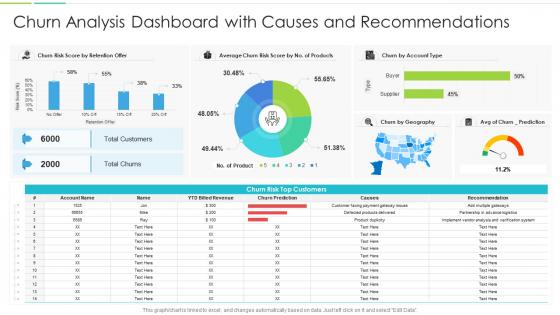
Churn analysis dashboard with causes and recommendations




Try Before you Buy Download Free Sample Product
 Impress Your
 Audience
 100%
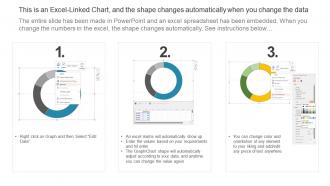
100% Editable
 Save Hours
 of Time


Our Churn Analysis Dashboard With Causes And Recommendations are topically designed to provide an attractive backdrop to any subject. Use them to look like a presentation pro.
People who downloaded this PowerPoint presentation also viewed the following :
Churn analysis dashboard with causes and recommendations with all 10 slides:
Use our Churn Analysis Dashboard With Causes And Recommendations to effectively help you save your valuable time. They are readymade to fit into any presentation structure.








FAQs for Churn analysis dashboard with
Honestly, start simple - just track your churn rate (how many customers you're losing each month). CLV and retention rate come next. The revenue churn thing is crucial too because losing one big client can wreck your numbers way more than losing five small ones. I'd also look at customer acquisition cost vs CLV - you don't want to spend $500 getting someone who only brings in $300 total, you know? Time-to-churn shows when people typically bail. Cohort analysis gets fancy but it's super helpful once you have the basics down. Baby steps though!
So basically predictive analytics lets you catch customers who might bail before they actually do. Way better than scrambling after they're already gone. You're looking for red flags - weird usage drops, tons of support tickets, late payments, that kind of stuff. Build models that give each customer a "flight risk" score. Then your team knows exactly who to focus on first. Honestly wish more companies did this right - it's such a no-brainer. Just start collecting your past churn data and customer behavior patterns. That's what feeds the whole thing.
Honestly, customer feedback is like having a crystal ball for churn. Most people won't actually tell you they're unhappy (which is annoying), but the ones who do? Gold mine. Look for patterns in what they're complaining about - usually it's product fit issues, crappy support, or you're just not meeting their expectations. Short surveys work great. Make giving feedback brain-dead simple too. I'd focus especially on feature requests since those often signal someone's hitting a wall with your product. Catch this stuff early and you can actually fix problems before people bail.
So each industry watches completely different warning signs depending on how they actually make money. SaaS companies are all about login drops and whether people stop using key features. Telecom obsesses over call patterns and billing complaints - honestly makes sense since those contracts are everything to them. Retail tracks when customers stop buying and if their usual purchases change. Streaming services? They're watching if you quit binging shows. Finance gets really detailed with spending habits and whether you'll buy more products. The trick is figuring out what "checking out" looks like for your customers specifically, then you build your whole tracking system around catching those red flags early.
For churn analysis, start with your transaction records and product usage logs - those show spending patterns and when engagement drops off. Support tickets are honestly where you'll find the best insights since customers literally tell you what's bugging them. Don't overlook marketing stuff either, like email opens and clicks. Demo data helps too, plus any survey responses you've collected. Your CRM probably has most of this already. I'd honestly just work with what you have first, then figure out what else you need later.
Dude, you gotta segment your churn data or you're basically flying blind. Different customer types bail for completely different reasons. Your enterprise clients might leave because support sucks, but freemium users probably just hit a paywall they didn't want to deal with. Most people screw this up by trying one generic fix for everyone - which obviously doesn't work. Break it down by customer value, behavior, whatever makes sense for your business. Then you can actually target the real problems instead of just guessing. Way more effective than the spray-and-pray approach most companies use.
Honestly, watch for people logging in way less often - that's usually the first sign. Support tickets tend to blow up right before they bail because they're giving it one final shot. Payment stuff is obvious, but you'll also notice shorter sessions and they stop adding team members. Feature usage drops off too. Like, they're barely touching your main tools anymore. Oh and session length - super telling when people start bouncing after like 2 minutes instead of their usual 20. Set up some kind of alert system when these numbers tank so you can actually reach out before it's too late. Way easier than trying to win them back after they've already mentally checked out.
Honestly, I'd do it monthly if you're in SaaS or anything subscription-based - those numbers can flip fast and you don't want to be blindsided. Most companies I know do quarterly though, which works fine for less volatile businesses. The trick is just being consistent with whatever schedule you pick. I learned this the hard way when I waited too long once and missed some obvious red flags. Monthly gives you better early warning signs, but quarterly won't drown you in data. Oh, and definitely set up a calendar reminder or you'll forget - trust me on that one.
Python or R are your best bets for churn analysis - both have solid libraries for this stuff. Scikit-learn and pandas make Python pretty user-friendly for predictive models. R's got excellent stats packages too. Not super technical? Tableau and PowerBI can handle basic churn dashboards and some modeling. Hell, even Excel works for simple cohort analysis if you're stuck with it. You'll definitely need SQL though - gotta pull and clean that customer data somehow. My advice? Just start with whatever your team already knows. The approach you take matters way more than which tool you pick.
So basically you want to catch customers before they bail, right? Set up alerts when their usage drops or engagement tanks. Once someone hits that danger zone, jump on it fast with personalized stuff - discounts if it's a money thing, tutorials if they're not using features properly. Honestly, the scoring model part is pretty straightforward once you get it running. The tricky bit is making sure someone actually follows up on those high-risk alerts immediately. I've watched teams build amazing systems then totally drop the ball on the follow-through. Speed matters way more than you'd think here.
Dude, customer experience is huge for churn - probably the biggest factor honestly. Bad experiences make people leave super fast. You know how it is - support ignores you, the product breaks constantly, and you're done. Good experiences though? People stick around. Quick onboarding, fast fixes, staying ahead of problems - that stuff works. I've seen the numbers and CX scores pretty much mirror churn rates every time. Oh and definitely track your main touchpoints, that's where you'll spot the problem areas in your funnel.
Honestly, churn analysis is like detective work - figure out why people are bailing, then fix those exact problems first. I'd start by looking at what features your churned customers actually used before they left. You'll probably find some obvious patterns, like maybe your onboarding sucks or there's this one annoying bug everyone hits. We had a team once that totally flipped their whole roadmap after realizing people were leaving because of one specific feature that barely worked. The cool thing is the data basically tells you what's urgent versus what can wait. Just segment your churned users and track their final interactions - it's pretty eye-opening stuff.
Ugh, churn is the worst - it's like watching money drain from your bank account. Lost customers mean you're missing out on all that lifetime revenue they would've brought in. Plus replacing them costs a fortune, like 5-25x more than just keeping people happy in the first place. What really gets me is all the ripple effects nobody talks about. Fewer referrals, angry reviews online, your team scrambling to put out fires instead of actually growing the business. And honestly? When customers see others jumping ship, they start wondering if they should too. My advice - spot the warning signs early and throw your budget at keeping people around, not chasing new ones.
Honestly, A/B testing is clutch for figuring out what actually stops people from bailing. Test different email campaigns, onboarding flows, pricing - whatever might be causing churn. Don't go crazy testing every tiny thing though (I've seen teams waste months on pointless tests). Focus on the big stuff first. Look at your retention numbers for each test group to see what's working. Start by finding your main churn triggers, then build experiments around fixing those specific problems. Way more effective than just throwing random tests at the wall.
Get ahead of it with proactive outreach - don't wait for people to actually cancel. Watch for warning signs like drops in usage, support complaints, or late payments. Most companies are terrible at this and only react after it's too late. Your onboarding process matters way more than you think. Set up automated alerts for risky customers and jump on them fast. Personalized retention offers can work, but they need to match how the customer actually uses your product. Having a system beats scrambling when someone's already walking out the door.
-
Excellent products for quick understanding.
-
Informative design.
-
Easily Editable.
-
It saves your time and decrease your efforts in half.